Asakusa is the neighborhood I know best in all of Tokyo. I lead tours here almost every day, and after hundreds of visits I still find new things to notice, like the way morning light hits the incense smoke at Senso-ji, or a craft shop I somehow never spotted before. But I also see the same mistakes repeated by visitors every single day: arriving at noon, following the crowd down the main street, snapping a photo of the giant red lantern, and leaving within 45 minutes thinking they have "done" Asakusa. They haven't even scratched the surface.
This asakusa guide is the one I wish I could hand to every visitor before they step off the train. It covers what genuinely matters here, what you can safely skip, and how to time your visit so you experience the neighborhood at its absolute best. Whether you are planning your first trip to Tokyo or returning to dig deeper into the old city, this is everything I have learned from years on the ground.
📝 Guide's Insider Note
The cherry blossoms along the Sumida River wrapped up a couple of weeks ago, and right now is one of my favorite quiet moments in Asakusa. The riverbank has turned from pink to a wall of fresh green, the afternoon light is shifting from spring-soft to summer-bright, and the crowds have eased compared to peak bloom.
Two dates to plan around if you are visiting in the next few weeks. First, Golden Week (late April through early May) brings heavy domestic tourist crowds to Senso-ji. If your trip overlaps, stick to the 7am start I recommend below and avoid weekends. Second, Sanja Matsuri falls on May 15 to 17 this year. If you can arrange your trip around those three days, you will see Asakusa at its wildest and most alive. Sunday is the biggest day — the main portable shrines leave Asakusa Shrine at 6am and parade around Senso-ji all day.
Updated based on Manabu's actual tours. Last visit: April 24, 2026.
Why I Always Start Tours at 7am in Asakusa
People look at me funny when I suggest meeting at 7am. I get it. You are on vacation, and waking up early sounds like the opposite of relaxation. But hear me out, because this is the single most important piece of advice in this entire asakusa guide: the neighborhood before 9am and the neighborhood after 10am are two completely different places.
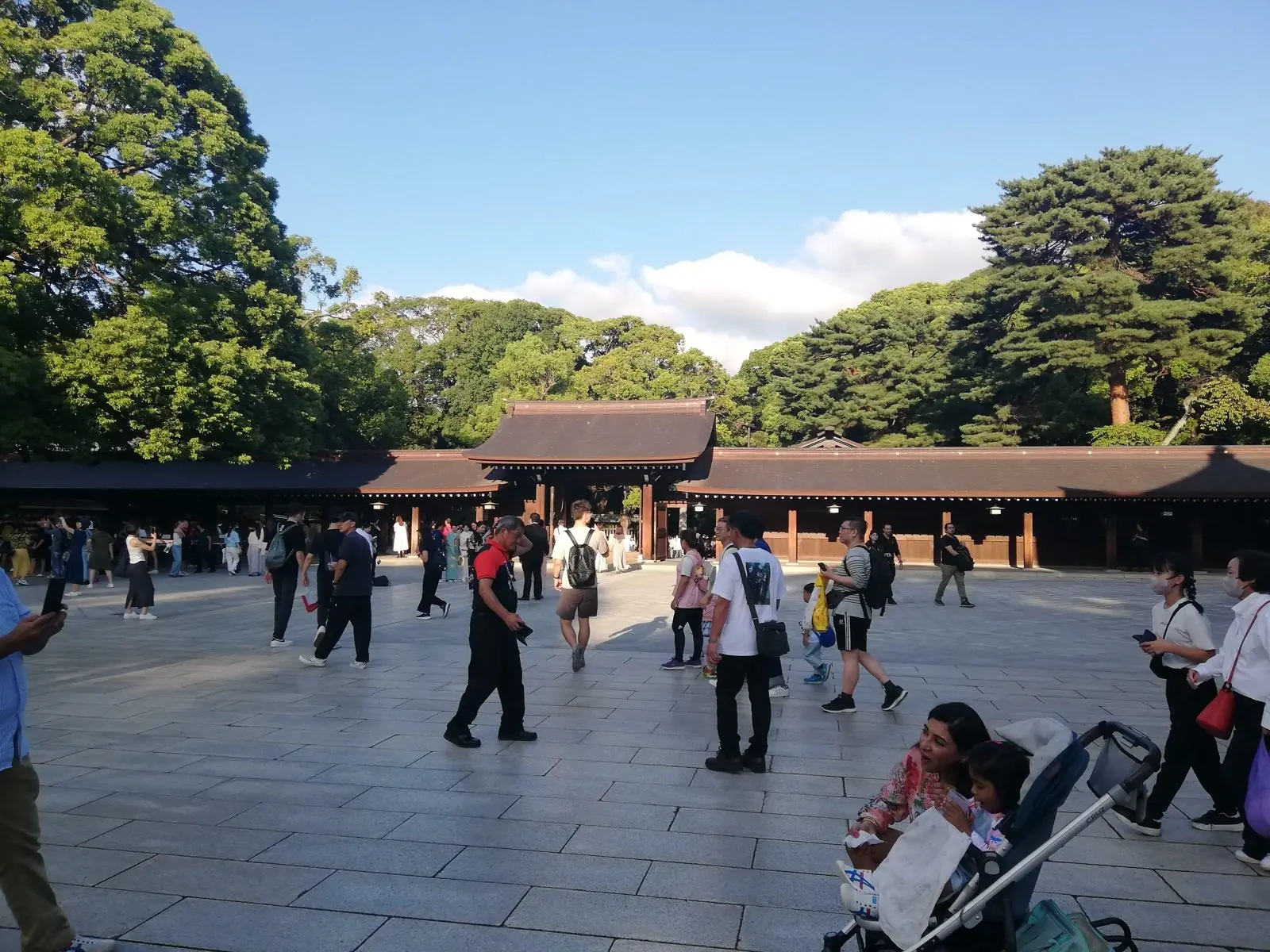
At 7am, Senso-ji is almost empty. The temple grounds are open 24 hours, and in the early morning you will find maybe a handful of locals doing their daily prayers, a few joggers, and the occasional photographer. The Nakamise shopping street is shuttered, all those souvenir stalls have their metal gates pulled down, and what you see instead is the architecture itself. The wooden frames of the shops, the stone lanterns, the centuries-old layout of the approach. Without the crowds, you can actually feel the scale of this place. It is enormous, and it is ancient, and it has a quiet gravity that vanishes entirely once the tour buses arrive.
The incense cauldron at the main hall is already lit by early morning. Locals come here as part of their daily routine. They waft the smoke over themselves, focusing it on whatever part of their body needs healing. A sore knee gets the smoke directed to the knee. A headache gets it waved toward the head. This is not a performance for tourists; this is a living spiritual practice that has been happening here every single morning for centuries. At 7am, you can stand beside the cauldron, participate in the ritual yourself, and actually absorb the experience. At noon, you would be fighting through a wall of selfie sticks.
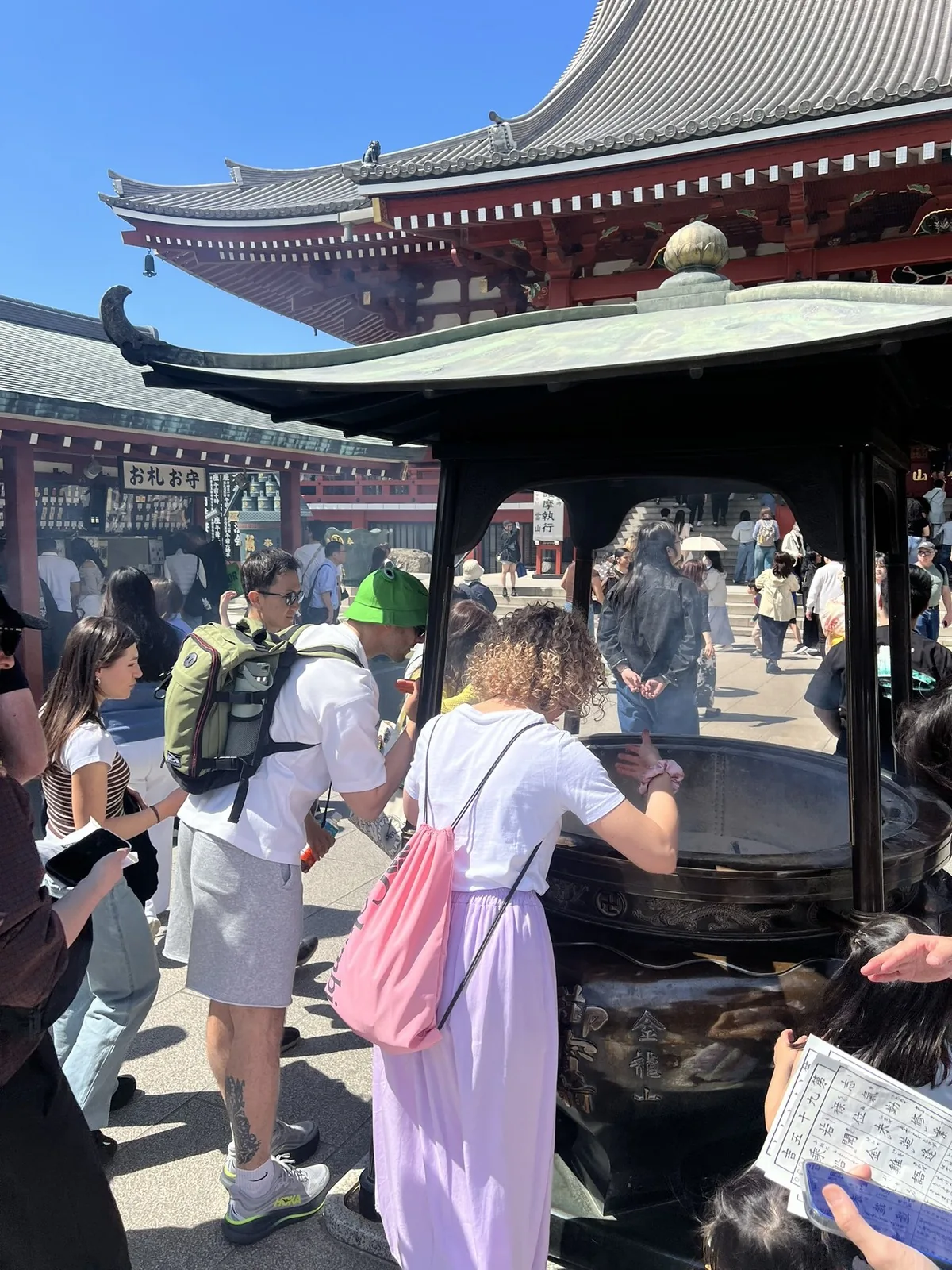
My recommendation: arrive at Asakusa Station by 6:45am. Walk to Kaminarimon Gate. You will probably be alone with it, which is extraordinary when you consider that roughly 30 million people visit this spot every year. Take your time walking the empty Nakamise approach. Reach the main hall by 7am, do the incense ritual, draw a fortune slip, and explore the grounds. By 8:30am, the first wave of visitors starts to arrive. By 9:30am, the transformation is complete. You will have experienced two different versions of Asakusa in a single morning, and you will understand exactly why I insist on early starts.
Senso-ji: What You're Actually Looking At
Most visitors treat Senso-ji like a photo backdrop. They see the big red lantern, the colorful gate, the pagoda in the distance, and they assume that is the whole story. But this temple has been standing here since 645 AD, almost 1,400 years, and every element you see has meaning layered upon meaning. A good asakusa guide should help you read the place like a book, so let me walk you through what you are actually looking at.
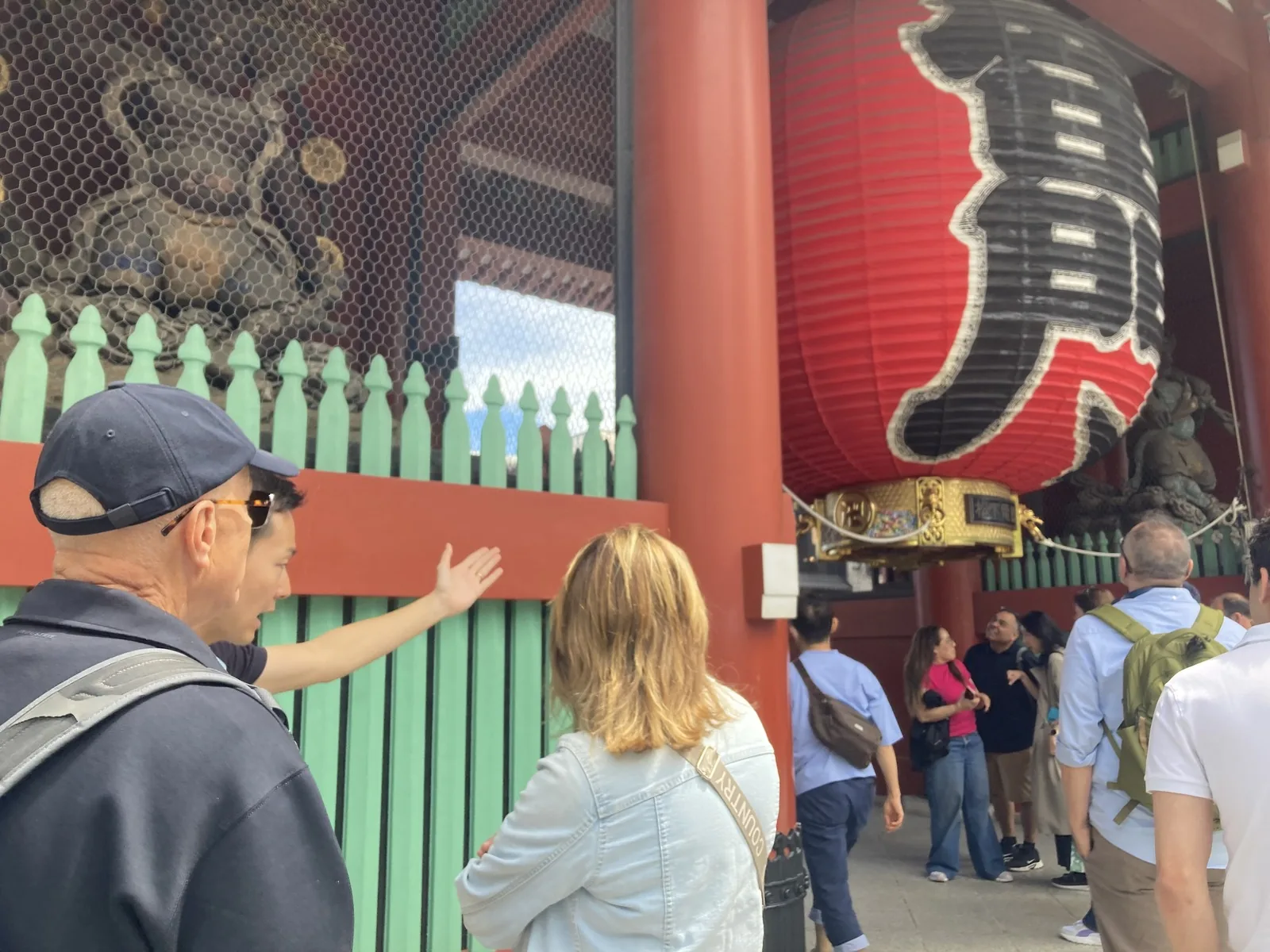
Kaminarimon: The Thunder Gate. This is the iconic entrance, the one with the massive red lantern. Think of it like the front door of a cathedral. It marks the transition from the ordinary world into sacred space. The gate is flanked by two fierce guardian figures. On the right is Fujin, the god of wind, and on the left is Raijin, the god of thunder. They are protectors, spiritual bouncers if you will, warding off evil and misfortune. Their carved expressions are deliberately terrifying, just like gargoyles on a Gothic cathedral serve to frighten away demons. The lantern between them weighs about 700 kilograms and is hand-painted. It has been destroyed and rebuilt multiple times throughout history, by fire, by earthquake, by war, and each time the neighborhood has raised the funds to rebuild it. The current lantern was donated by the Matsushita Electric company (now Panasonic) in 1960. Look at the bottom of the lantern and you will see a carved dragon, a detail almost everyone misses.
Hozomon: The Treasure House Gate. This is the second, larger gate that most people walk through without a second thought. It is called the Treasure House Gate because the upper floors store a collection of ancient Buddhist sutras. Look up as you pass through. The ceiling has beautiful painted panels that few visitors notice. On the back side of this gate, facing the main hall, you will find a pair of enormous straw sandals (waraji). They are about 4.5 meters tall and weigh around 500 kilograms each. They were woven by volunteers in Yamagata Prefecture as an offering to the temple, and they symbolize the power of the Buddhist guardians, essentially saying, "The protectors of this temple are so enormous that these are their shoes." It is a wonderful piece of visual storytelling.
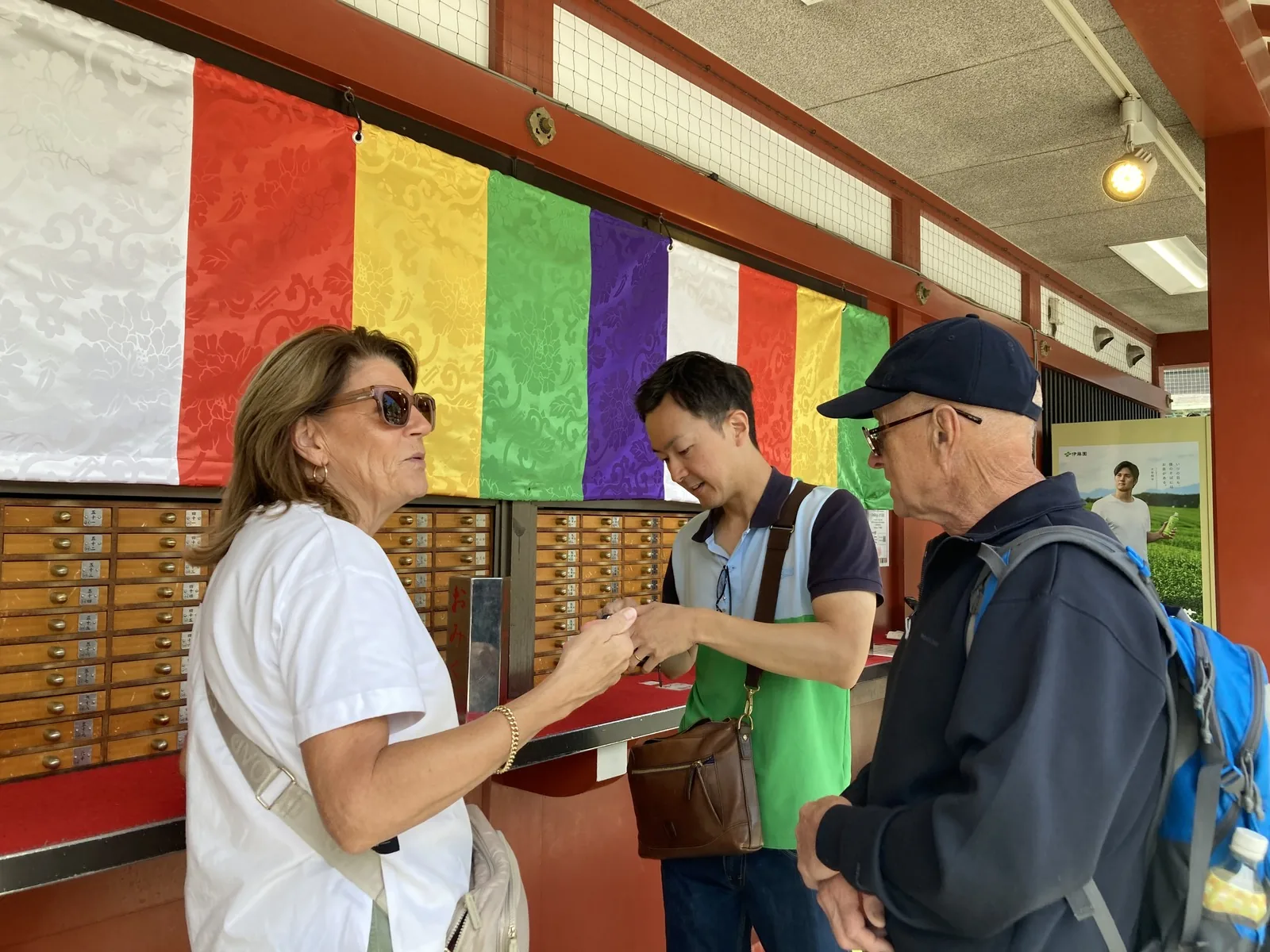
The Fortune Slips (Omikuji). Drawing a fortune at Senso-ji is practically mandatory, and the experience is straightforward: drop a 100-yen coin in the box, shake the metal cylinder until a numbered stick falls out, then find the corresponding drawer and take your paper fortune. Here is what makes Senso-ji's fortunes unique: roughly 30% of them are "bad luck" (kyo), which is far higher than most temples in Japan. This is not a mistake or a tourist gimmick. This is how traditional fortune distribution was always calculated. Most other temples have quietly adjusted their ratios over the years to keep visitors happy, but Senso-ji maintains the authentic proportions. If you get a bad fortune, the tradition is to fold it and tie it to the metal rack near the fortune stand. You are literally leaving the bad luck at the temple rather than carrying it with you. If you get a good fortune, keep it in your wallet.
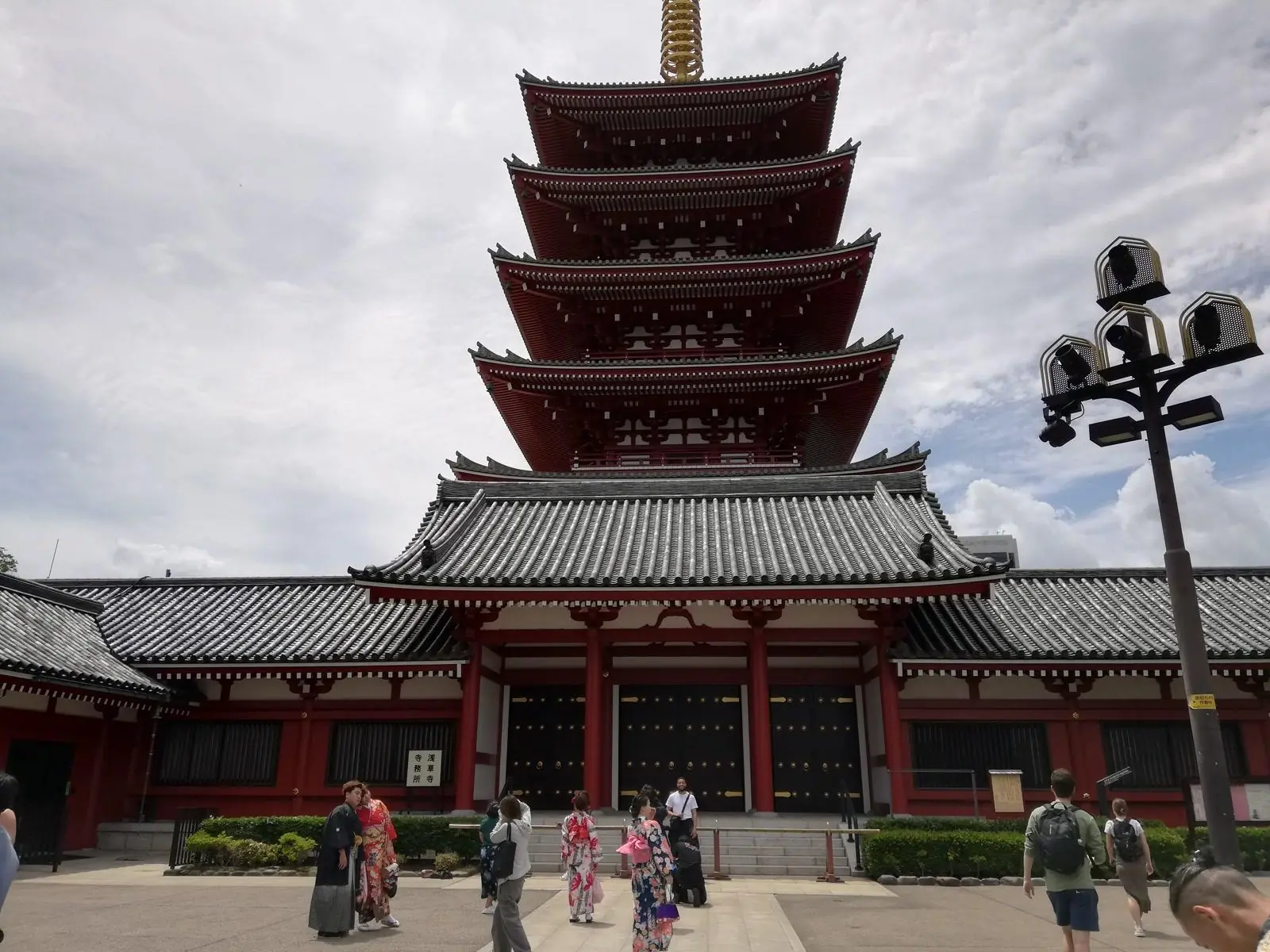
Nitenmon: The Side Gate Almost Nobody Uses. Most visitors never realize you do not have to enter Senso-ji through Kaminarimon and fight the crowds on Nakamise-dori. Nitenmon, on the east side of the main hall, is a side gate that drops you right next to the five-story pagoda without ever touching the shopping street. What makes it special is that this is one of the few genuine Edo-period survivors left at Senso-ji. The current gate dates from 1649, while most of what you see elsewhere here was reconstructed after WWII firebombing. The two guardian deities flanking Nitenmon are Jikokuten and Zochoten, Buddhist protectors of the east and south, and the name "Niten-mon" literally means "gate of the two deities." Walk up to the temple from the quieter residential streets east of the grounds, enter through Nitenmon, and you will sidestep the main tourist flow entirely while seeing something that is actually historically authentic.
Beyond the Temple: The Streets Most Tourists Miss
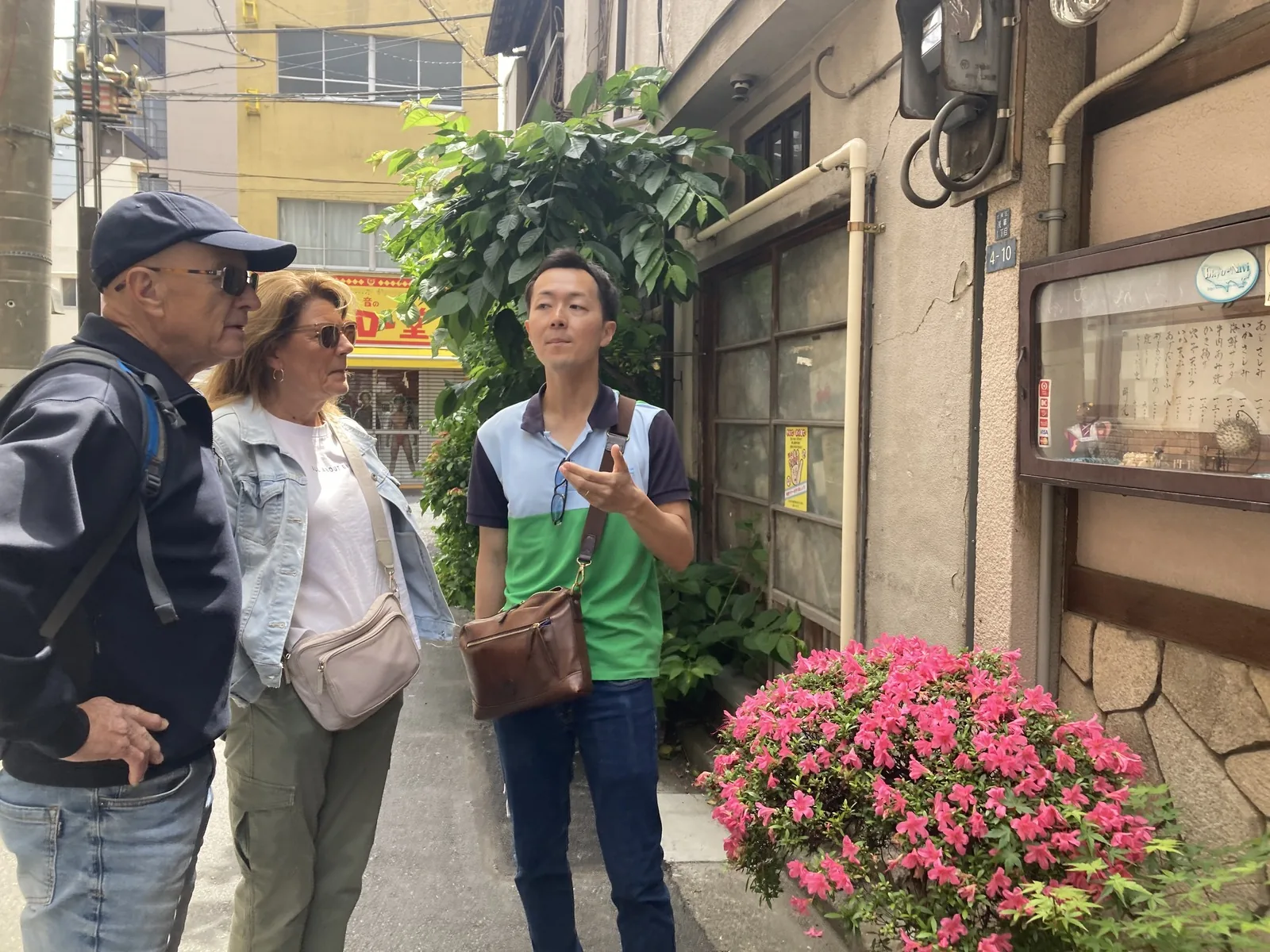
If Senso-ji is the front door of Asakusa, the surrounding streets are the living room, and most visitors never step inside. This is where the old shitamachi (downtown) spirit of Tokyo still thrives, in narrow alleys and family-run shops that have been here for generations. If you want to understand why this neighborhood matters beyond its famous temple, you need to wander.
Hoppy Street (Hoppy-dori). Walk a few minutes west of Senso-ji and you will find this narrow alley of open-air izakaya, small Japanese pubs that spill their tables and plastic chairs right onto the pavement. The street is named after Hoppy, a low-alcohol beer substitute that became popular after the war when real beer was a luxury most working-class families could not afford. The drink stuck, and so did the street. From around 3pm onward, the grills fire up, the lanterns light, and Hoppy Street transforms into the most atmospheric drinking spot in the neighborhood. Order a "Hoppy set" (Hoppy plus a glass of shochu), some stewed beef tendon (nikomi), and a plate of grilled chicken skewers. Sit outside, watch the sunset paint the sky above the old rooftops, and you will understand what Asakusa felt like before it became a tourist destination. This is where the locals unwind, and they are happy to share the space with you.
Craft Workshops and Backstreet Artisans. Asakusa has been a center of traditional craftsmanship since the Edo period, and if you know where to look, you will find workshops still operating in the same way they did a hundred years ago. There are woodblock print studios where artisans carve and press each color by hand, one layer at a time. There are makers of Edo kiriko, the intricate cut-glass tradition that turns drinking glasses into works of art. There are shops specializing in hand-forged steel hairpins (kanzashi), indigo-dyed textiles, and handmade paper umbrellas. Most of these workshops are not marked on tourist maps and do not have English signage, which is part of their charm, and part of why having a guide who knows the neighborhood makes such a difference. Many artisans are happy to let you watch them work if you approach politely.
Backstreet Shrines and the Old Entertainment District. Before Asakusa was a tourist destination, it was Tokyo's entertainment capital. In the Edo period and well into the early twentieth century, this neighborhood was home to kabuki theaters, comedy halls, cinema palaces, and a thriving pleasure district. Most of those buildings are gone now, but traces remain if you know where to look. Tucked between modern apartment buildings, you will find tiny shrines dedicated to actors and entertainers. There are alleyways where the old theater district layout is still visible in the street grid. The Rokku Broadway area, once the "Times Square of Tokyo," still has a few retro cinema houses and variety theaters clinging on. Walking these backstreets with someone who knows the history, that is what transforms a simple sightseeing visit into a genuine understanding of the neighborhood. For a deep dive into this side of Tokyo, our Old Tokyo and Shitamachi guide covers the broader story of Tokyo's historic downtown culture. And if you are trying to work out what that kind of guided access would run you, I set out the real numbers in what a private tour guide in Tokyo costs.
Denboin Garden: Asakusa's Secret Spring Garden. Most visitors have no idea this place exists. Denboin is an Edo-period garden belonging to the abbot's residence at Senso-ji, with a tranquil pond, carefully shaped pines, a tea house, and a picture-perfect view of the five-story pagoda reflected in the water. The catch: it only opens to the public for a limited window each year, typically mid-March to early May, with a small admission fee (around ¥300). When it is open, the contrast between the crowded Nakamise-dori just outside the walls and this quiet, almost secret garden is one of the most striking experiences in Tokyo. Check the Senso-ji website for current opening dates before planning your visit — the schedule shifts slightly year to year.
Kappabashi Kitchen Street. About a ten-minute walk west of Senso-ji lies Kappabashi-dori, also known as Kitchen Town. This 800-meter street is lined with around 170 specialty shops selling everything a professional kitchen could need: hand-forged Japanese knives, ceramic tableware, bamboo utensils, lacquerware, restaurant-quality cookware, and the incredibly realistic plastic food samples (shokuhin sampuru) that fill restaurant display windows across Japan. Even if you are not shopping for kitchen supplies, Kappabashi is fascinating to walk through. The knife shops alone justify the detour — Japanese kitchen knives are world-famous, and the craftsmen here can help you choose the right blade for your cooking style. Several shops offer knife engraving, which makes this a genuinely unique souvenir. Look for the giant chef's head statue at the south end of the street. You cannot miss it.
Where to Eat in Asakusa (My Actual Picks)
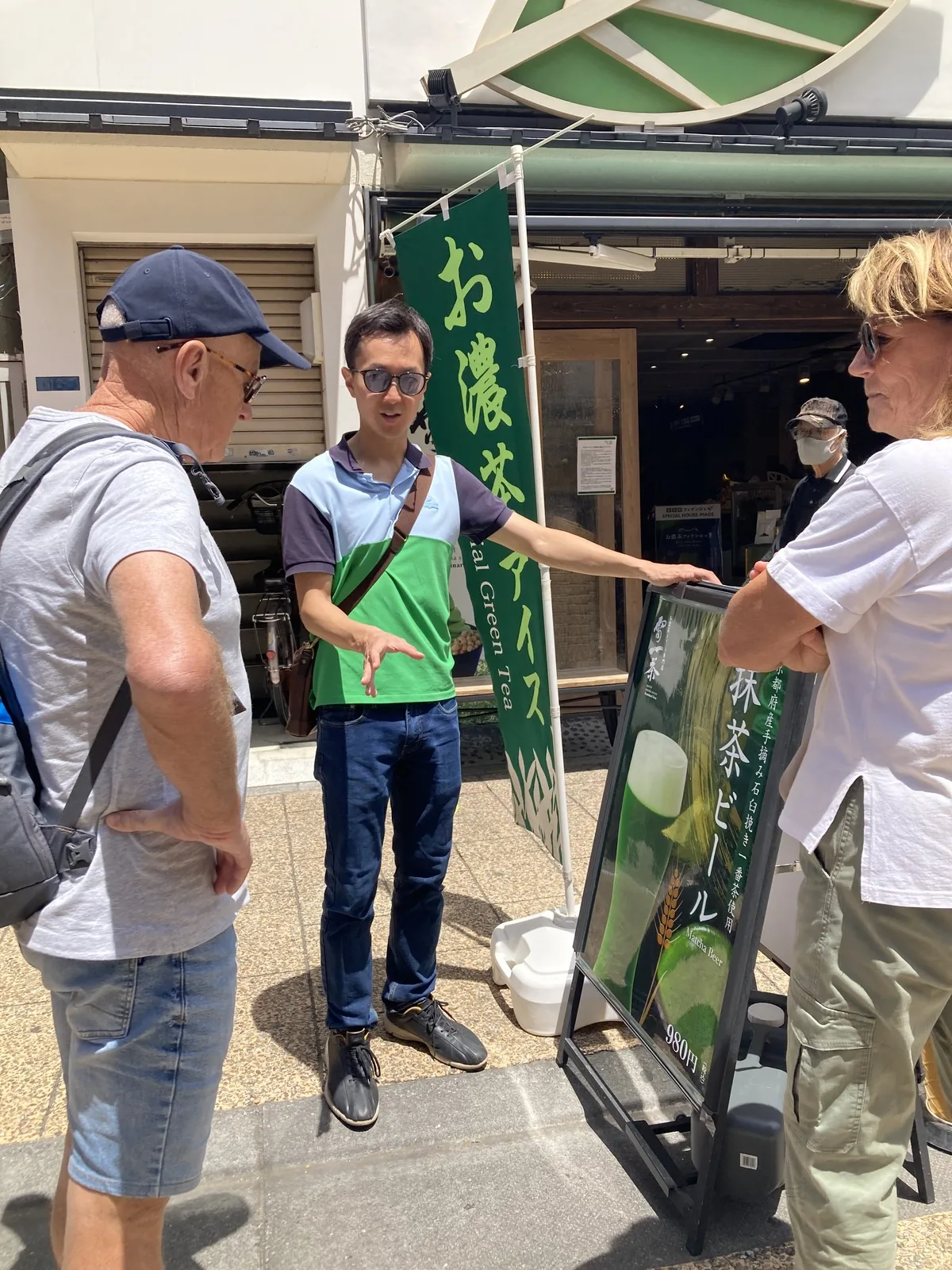
I eat in Asakusa almost every working day, so these are not recommendations pulled from a top-ten list. These are the places I actually go to, the ones I bring friends and family to, and the ones I point my tour guests toward when they ask where to eat after the tour ends.
Senbei (Rice Crackers). You will see senbei shops scattered throughout the neighborhood, and the best ones grill the crackers fresh right in front of you over charcoal. The difference between a freshly grilled senbei and a packaged one is like the difference between fresh bread from an oven and a plastic-wrapped slice. Look for the shops where you can see the grill and the smoke. That is your quality indicator. The traditional soy sauce-brushed variety is the classic, but I am partial to the ones rolled in nori (seaweed) or dusted with shichimi togarashi (seven-spice chili). A single senbei costs around 100 to 300 yen and makes the perfect walking snack.
Tempura. Asakusa has been famous for tempura since the Edo period, and this is one dish you should sit down and do properly here. The best tempura restaurants in the neighborhood are small, counter-style places where the chef fries each piece individually and places it directly on your plate. You eat each piece as it arrives (shrimp, then lotus root, then shiso leaf, then eggplant) and the batter is so light it practically dissolves on your tongue. These places are not cheap (expect around 2,000 to 4,000 yen for a tempura set with rice and miso soup), but they are worth every yen. Look for restaurants on the side streets south and west of Senso-ji that have been around for at least a few decades. Longevity is the best quality signal in this neighborhood.
Monjayaki. If you have heard of okonomiyaki (the savory pancake from Osaka), monjayaki is its Tokyo cousin, and Asakusa is one of the best places to try it. The batter is much runnier than okonomiyaki, and you cook it yourself on a hot griddle built into your table, using small metal spatulas to scrape up the crispy bits from the edges. It looks messy, it tastes incredible, and it is one of the most fun meals you can have in Tokyo. The monjayaki restaurants clustered near the Rokku area are the ones I recommend. They are used to first-time visitors and will happily show you the technique.
Street Food Worth Stopping For. Beyond senbei, the street food highlights include ningyo-yaki (small cakes filled with red bean paste, shaped like temple figures, and baked fresh), kibi-dango (chewy millet dumplings in sweet soybean powder, an Asakusa tradition dating to the Edo period), and melon-pan stuffed with ice cream from the stalls near Kaminarimon. For a savory option, look for the age-manju stands. These are deep-fried sweet buns with a crispy shell and soft filling, served piping hot. They cost almost nothing and they are dangerously addictive.
Asakusa in Different Seasons
One thing that surprises repeat visitors to Tokyo is how dramatically Asakusa changes with the seasons. This is not just a matter of weather. The entire character of the neighborhood shifts throughout the year, and certain events and experiences are only available at specific times.
Spring: Cherry Blossoms at the Sumida River (Late March to Early April). The banks of the Sumida River, just a five-minute walk east of Senso-ji, are lined with hundreds of cherry trees. When they bloom, the effect is staggering: a tunnel of pink and white blossoms stretching along the waterfront, with Tokyo Skytree rising in the background and traditional yakatabune (pleasure boats) drifting along the river below. This is one of the most beautiful cherry blossom spots in all of Tokyo, and locals know it. On weekends during peak bloom, the park fills up with hanami (blossom viewing) picnics. Come on a weekday morning if you want the beauty without the crowds. The combination of Senso-ji's ancient grounds and the blooming cherry trees along the river makes spring the single most photogenic time to use this asakusa guide.
Late Spring: Sanja Matsuri (Third Weekend of May). This is the big one. Sanja Matsuri is one of the three great Shinto festivals of Tokyo, and it transforms Asakusa into a frenzy of energy, music, and devotion for three straight days. Over a hundred portable shrines (mikoshi) are carried through the streets by teams of chanting, sweating, sake-fueled participants. The mikoshi are deliberately shaken and jostled. The rougher the ride, the more the enshrined deity is pleased. The whole neighborhood shuts down for the procession, and nearly two million people pack the streets over the weekend. It is loud, chaotic, deeply spiritual, and utterly unforgettable. If your trip overlaps with Sanja Matsuri, rearrange your plans to be here. Nothing else in Tokyo compares.
Summer: Sumida River Fireworks (Last Saturday of July). The Sumida River Fireworks Festival is one of Japan's oldest and largest fireworks displays, with over 20,000 fireworks launched above the river in a show that lasts about ninety minutes. The tradition dates back to 1733, making it nearly three centuries old. Locals stake out viewing spots along the river banks hours in advance. Some show up in the morning for an evening event. The best free views are from the Asakusa side of the river, but expect massive crowds. If you want a more comfortable experience, many riverside restaurants offer special viewing packages, and the rooftop bars in the area fill up quickly. Book well in advance.
Winter: Hatsumode at New Year. The first temple visit of the New Year (hatsumode) is one of Japan's most important traditions, and Senso-ji is one of the top destinations in Tokyo for it. In the first three days of January, the temple receives around 2.8 million visitors. Yes, it is crowded beyond anything you can imagine. The queue to reach the main hall can stretch all the way back to Kaminarimon. But the atmosphere is electric with hope and renewal. People come dressed in kimono, buy lucky charms (omamori) for the coming year, eat festival food from the dozens of temporary stalls, and pray for health, happiness, and prosperity. If you are in Tokyo over New Year, hatsumode at Senso-ji is an experience you will never forget. Just dress warmly and be prepared to move very slowly.
Combine Asakusa With
Asakusa's location in eastern Tokyo makes it a natural anchor point for several other great destinations. A few combinations I recommend regularly:
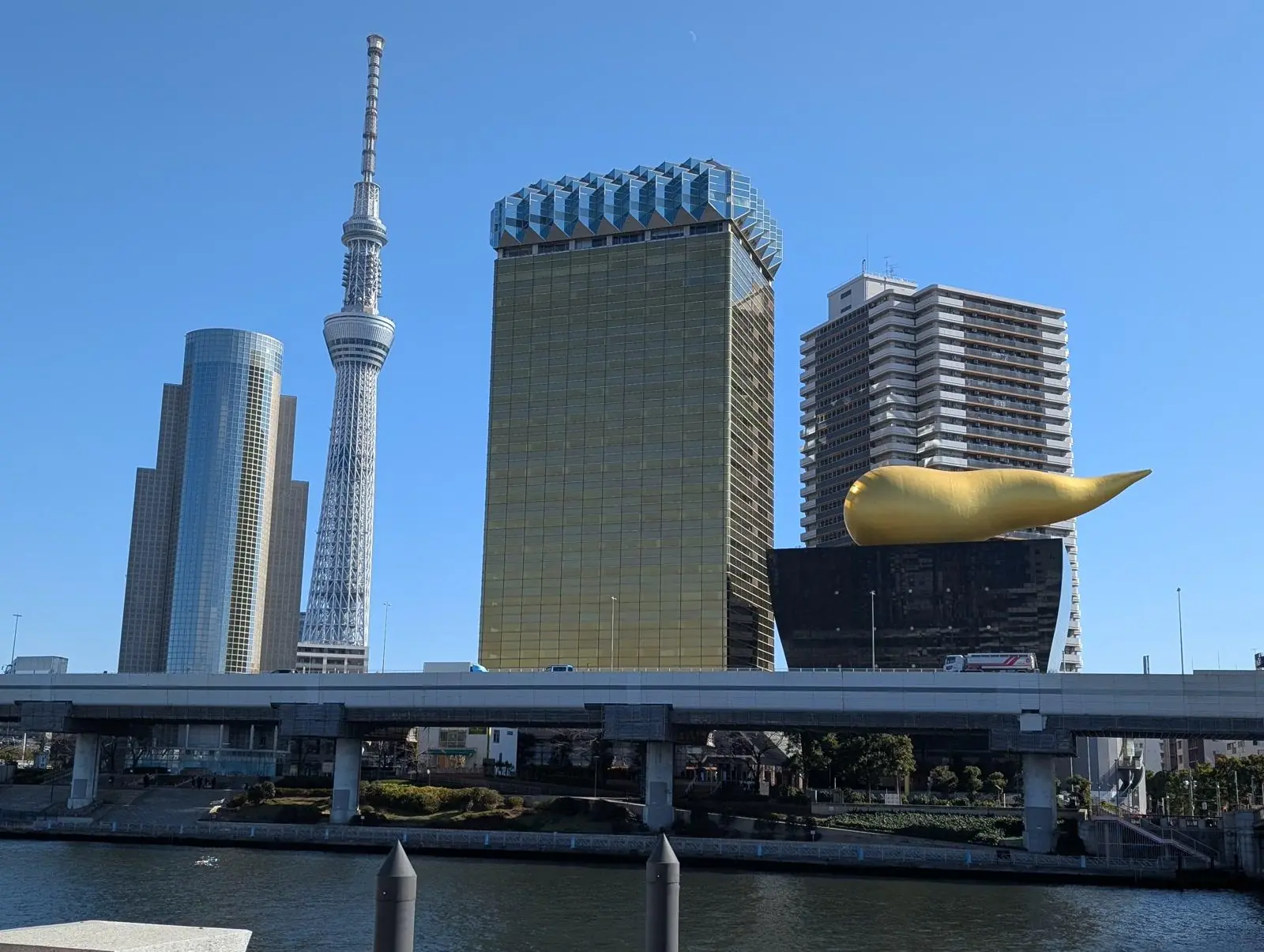
- Tokyo Skytree. A ten-minute walk across the Sumida River. The observation decks offer panoramic views of the entire city, and the Solamachi shopping complex at its base has excellent restaurants, a planetarium, and an aquarium. Walk there via the river promenade for the best approach.
- Yanaka. About twenty to thirty minutes away via Ueno. Yanaka is one of Tokyo's best-preserved old neighborhoods, with narrow lanes, independent shops, temples, and a famous sunset stairway. It pairs beautifully with Asakusa for a full day of traditional, pre-war Tokyo. Our Yanaka Walking Tour covers the best of this hidden neighborhood.
- Ueno. Only about ten minutes by train from Asakusa. Ueno Park is home to several world-class museums (Tokyo National Museum, National Museum of Western Art), a zoo, temples, and the lively Ameyoko market street. A morning in Asakusa followed by an afternoon in Ueno makes an excellent full-day itinerary through Tokyo's historic east side.
Frequently Asked Questions About Asakusa
How much time should I spend in Asakusa?
Most tour books suggest one to two hours, but I think that shortchanges the neighborhood. If you only visit Senso-ji and Nakamise-dori, two hours is enough. But if you want to explore Hoppy Street, browse the craft shops, walk along the Sumida River, and sit down for a proper meal, plan for at least half a day. A full day is even better if you include nearby Kappabashi Kitchen Street or a river cruise. The more time you give Asakusa, the more it rewards you.
Is Asakusa worth visiting if I only have one day in Tokyo?
Absolutely. It is one of the first neighborhoods I recommend for a short trip. Asakusa gives you a concentrated dose of traditional Tokyo: a major temple, street food, traditional crafts, backstreet charm, and river views, all within a compact walkable area. Pair it with a short walk to Tokyo Skytree for the modern contrast and you have covered a lot of ground in a single day.
What is the best way to get to Asakusa?
The most convenient stations are Asakusa Station on the Tokyo Metro Ginza Line or the Tobu Skytree Line. Both put you within a two-minute walk of Kaminarimon Gate. If you are coming from Shibuya or Shinjuku, take the Ginza Line from Shibuya (direct, about 30 minutes) or the subway from Shinjuku via Asakusa Line (about 25 minutes with one transfer). The Tsukuba Express also has an Asakusa Station, though it is located slightly further west.
Can I visit Senso-ji at night?
Yes, and I highly recommend it. The temple grounds are open around the clock, and at night the Kaminarimon gate, the Hozomon gate, and the five-story pagoda are all beautifully illuminated. The main hall closes in the late afternoon, so you cannot go inside, but the atmosphere of the illuminated grounds with almost no one around is genuinely magical. An evening visit pairs perfectly with dinner on Hoppy Street afterward.
Do I need a guide for Asakusa, or can I explore on my own?
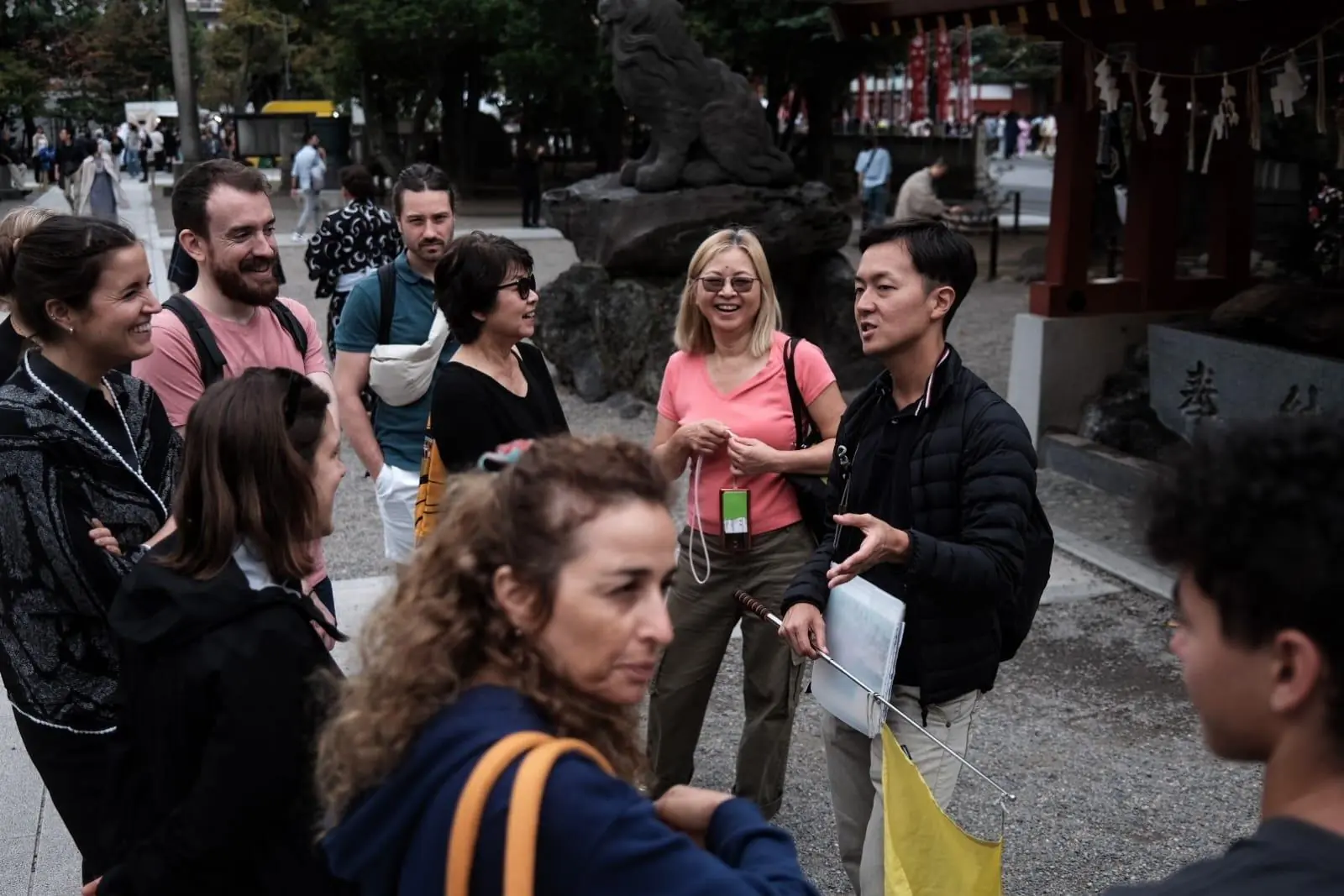
You can absolutely enjoy Asakusa independently. This asakusa guide gives you a strong foundation. That said, a licensed local guide adds layers of context that are impossible to get from a written article: the history behind specific carvings, introductions to artisans who do not advertise, real-time translation at food stalls, and the kind of stories that only come from years of working in the neighborhood. If you want that deeper experience, our guided tours are designed to give you exactly that.
Weekday or weekend — does it matter?
It matters a lot. Nakamise-dori on a Saturday afternoon can be several times more crowded than on a Tuesday morning. If you have any flexibility, visit on a Wednesday or Thursday, which tend to be the quietest days. If you can only come on a weekend, arrive as early as possible and start with the temple grounds before the shops open at 10am.
Should I skip Asakusa if it is raining?
Do not skip it. Rainy days mean significantly fewer tourists, and Senso-ji takes on a moody, atmospheric beauty when it is wet. The stone pathways reflect the lanterns, the incense smoke hangs low in the humid air, and you often have the quieter corners of the temple grounds almost to yourself. The covered sections of Nakamise-dori and the nearby shotengai arcades keep you dry. If the rain gets heavy, duck into one of the traditional kissaten (old-style coffee shops) on the west side of the temple for a slow cup of hand-dripped coffee.
Ready to Experience the Asakusa Most Tourists Never See?
I wrote this asakusa guide to help you plan a better visit, but nothing replaces walking the streets with someone who knows every alley, every hidden shrine, and every food stall worth stopping at. On our tours, I take small groups through the neighborhood at the perfect time of day, with all the history and cultural context that turns sightseeing into real understanding. Come see the Asakusa I fell in love with.