One of the most common questions I hear on my tours is: "Am I doing this right?" Whether it's standing at a shrine wondering how many times to clap, or hesitating at a temple entrance unsure whether to bow, visitors often worry about making mistakes at Japan's sacred sites. I completely understand the feeling. Nobody wants to accidentally offend.
Here's the good news: Japanese people genuinely appreciate any effort you make to participate respectfully. You don't need to be perfect. The fact that you're reading this guide already shows the kind of thoughtfulness that locals notice and value. Most Japanese visitors themselves aren't entirely sure of every ritual detail. They simply approach these places with a quiet, sincere attitude.
That said, knowing the basics will make your experience far more meaningful. Instead of standing awkwardly while others pray, you'll be able to join in and understand what you're doing. This guide covers everything you need to know, from the fundamental difference between temples and shrines, to step-by-step instructions for prayer, purification, and general behavior. Let's start with the most basic question of all.
Temple vs Shrine: What's the Difference?
Before we dive into etiquette, it's essential to understand the distinction between temples and shrines, because the customs at each are different. This is the single most important thing to grasp, and once you do, everything else falls into place naturally.
Temples (寺 / tera) are Buddhist. You can identify them by their large entrance gates called sanmon, the presence of incense burners, statues of Buddha or bodhisattvas, and pagodas. The atmosphere tends to be contemplative and quiet. Famous examples include Senso-ji in Asakusa, Kinkaku-ji (the Golden Pavilion) in Kyoto, and Kotoku-in in Kamakura, home to the Great Buddha. Temple names typically end in "-ji," "-dera," or "-in."
Shrines (神社 / jinja) are Shinto, Japan's indigenous spiritual tradition. The unmistakable marker of a shrine is the torii gate, that iconic vermillion gate you see in countless photos of Japan. You'll also notice shimenawa (sacred braided ropes), komainu (guardian lion-dog statues), and a distinctly open, nature-connected feel. Shrine names typically end in "-jinja," "-jingu," "-taisha," or "-gu." Meiji Shrine in Harajuku and Fushimi Inari in Kyoto are perhaps the most famous.
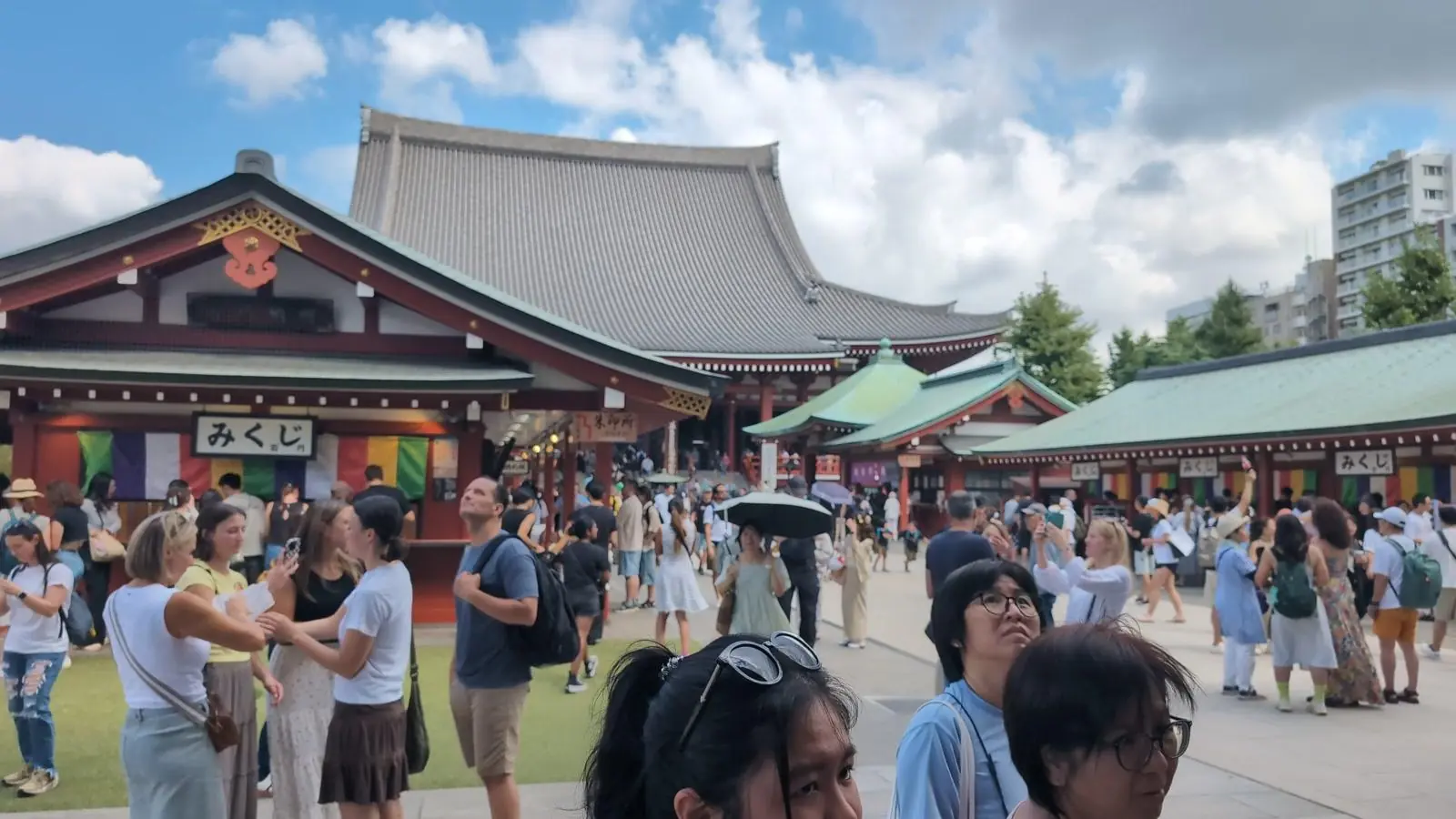
Here's something that surprises many visitors: many sacred sites contain both a temple and a shrine. Buddhism and Shinto have coexisted in Japan for over a thousand years, and the two traditions often share the same grounds. A perfect example is the Asakusa area, where the famous Senso-ji Temple sits right next to Asakusa Shrine. They look similar at first glance, but the rituals are different, which is exactly why knowing the distinction matters.
A simple rule of thumb: if you see a torii gate, it's a shrine. If you see a large Buddha statue or an incense burner, it's a temple. When in doubt, look for signage. Most major sites have English-language information boards near the entrance.
At a Shrine: Step-by-Step
Shinto shrines follow a specific sequence of rituals that has remained largely unchanged for centuries. Here's the complete process from the moment you arrive to the moment you leave.
Entering Through the Torii Gate
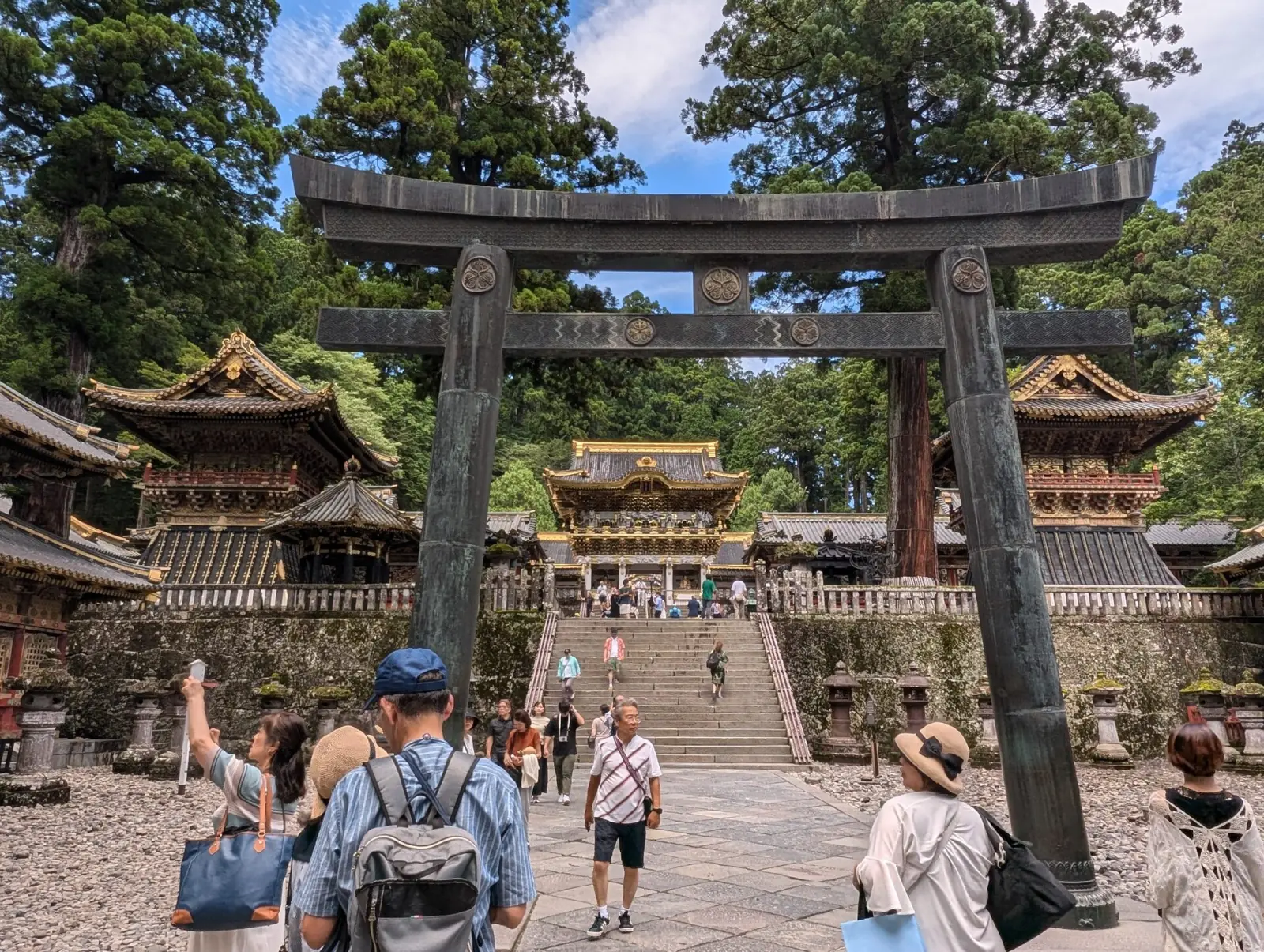
As you approach the torii gate, pause briefly and offer a shallow bow before passing through. This is your greeting to the kami (deity) who resides within the shrine grounds. Think of it as knocking before entering someone's home. Once through the gate, walk along the sides of the approach path, not straight down the center. The center of the path, called the sei-chu, is considered the pathway for the deity. Walking along the left or right side shows respect by leaving the deity's path clear. You'll notice that most Japanese visitors naturally drift to one side.
Temizu: The Hand-Washing Purification
Before approaching the main hall, you'll find a water pavilion called the temizuya (or chozuya). This is where you purify yourself before meeting the deity. The ritual represents washing away the impurities of the outside world. Here's the correct sequence:
- Step 1: Pick up the ladle (hishaku) with your right hand and scoop water from the basin.
- Step 2: Pour water over your left hand, letting it flow off your fingertips.
- Step 3: Transfer the ladle to your left hand and pour water over your right hand.
- Step 4: Transfer the ladle back to your right hand, cup a small amount of water in your left palm, and use it to rinse your mouth. (Do not drink directly from the ladle.) Quietly spit the water beside the basin, not back into it.
- Step 5: Tilt the ladle vertically so the remaining water runs down the handle, cleaning it for the next person. Replace the ladle face-down on the stand.
Don't worry about memorizing every detail. Many temizuya now have instruction signs in English, and since the pandemic, some have been closed or simplified. If the water isn't flowing or the ladles have been removed, you can simply skip this step.
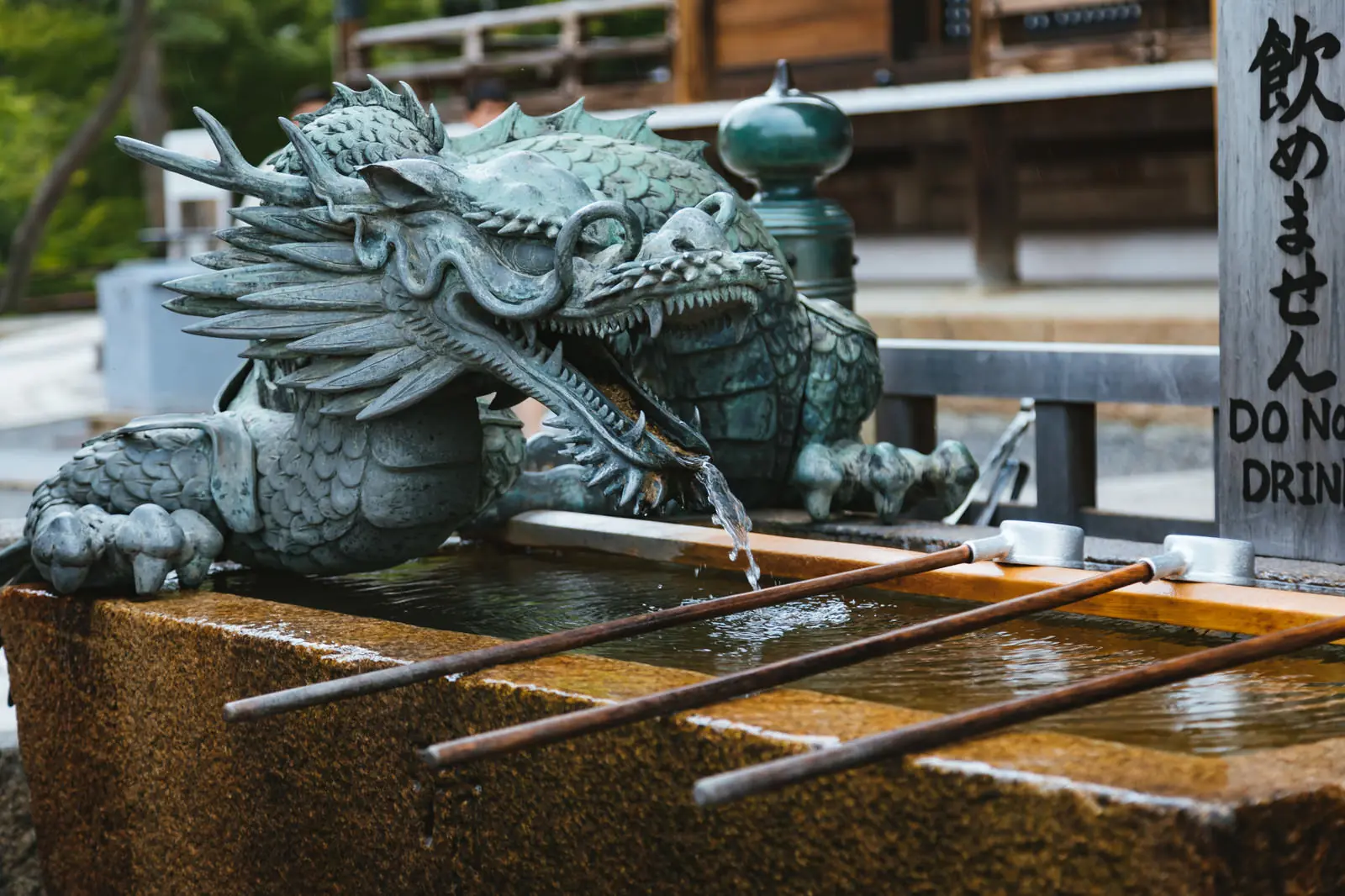
Prayer: Ni-hai, Ni-hakushu, Ichi-hai
At the main hall (haiden), you'll see a wooden offering box (saisen-bako) and a thick rope with a bell. Here's the standard prayer ritual:
- Toss a coin into the offering box. A ¥5 coin is traditional. The word for five yen, "go-en," is a homophone for "good connection" or "good fortune." But any amount is fine.
- Ring the bell by shaking the rope gently (if there is one). This alerts the deity to your presence.
- Bow deeply twice (ni-hai), about a 90-degree angle from the waist.
- Clap your hands twice (ni-hakushu). Hold your hands at chest height and clap firmly. The sound is said to attract the deity's attention and express joy.
- With your hands together, offer a moment of silent prayer or reflection. You can make a wish, express gratitude, or simply clear your mind.
- Bow deeply once more (ichi-hai) to conclude.
The phrase to remember is ni-hai, ni-hakushu, ichi-hai: two bows, two claps, one bow. A small number of shrines have their own variations (Izumo Taisha uses four claps instead of two), but 2-2-1 is correct at the vast majority of shrines across Japan.
Omikuji and Ema
After praying, many visitors enjoy two popular shrine activities. Omikuji are paper fortune slips that you draw randomly (usually for ¥100-200). Fortunes range from dai-kichi (great blessing) to dai-kyo (great curse). If you draw a good fortune, keep it with you as a lucky charm. If you draw a bad fortune, the tradition is to tie it to the designated wire rack or tree branches at the shrine, symbolically leaving the bad luck behind. The shrine's spiritual power is believed to neutralize it.
Ema are small wooden plaques where you write a wish or prayer. Purchase one from the shrine office (usually ¥500-1,000), write your wish on the blank side (it's perfectly fine to write in English; the kami understand all languages), and hang it on the designated ema rack. You'll see hundreds of wishes hanging together, which in itself is a beautiful sight. Take a moment to read some. You'll find everything from exam prayers to health wishes to marriage hopes, giving you a touching window into what matters to people.
At a Temple: Step-by-Step
Buddhist temple etiquette overlaps with shrine customs in some ways but differs in several important respects. The overall atmosphere tends to be quieter and more contemplative, reflecting Buddhism's emphasis on inner peace and mindfulness.
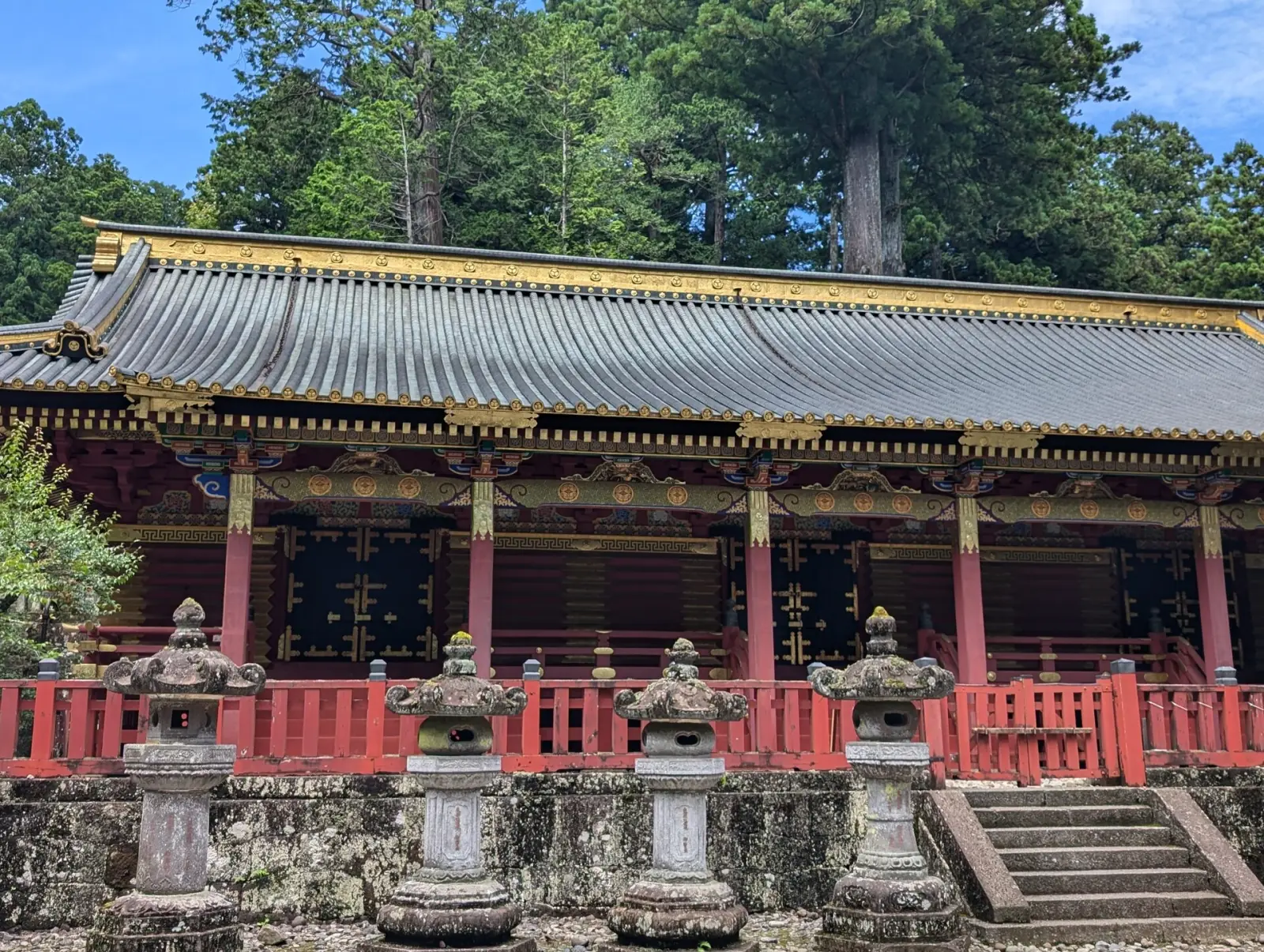
Incense: Purifying with Smoke
Many temples have a large incense burner (jokoro) near the entrance of the main hall. This is one of the most distinctive temple experiences. Purchase an incense stick from the nearby stand (usually ¥100), light it from the communal flame, and place it upright in the sand-filled burner. Then, use your hands to waft the smoke toward yourself. The smoke is believed to have healing properties. Direct it toward any part of your body that needs attention. Many visitors wave smoke toward their heads for wisdom, or toward an injured area for healing. You'll see local visitors doing this enthusiastically, and it's a lovely moment of shared ritual.
An important note: when lighting incense, if the flame doesn't go out on its own, wave the stick gently to extinguish the flame rather than blowing on it. In Japanese Buddhist tradition, blowing with your mouth is considered impure because breath carries the "impurities" of the body. This is a small detail, but one that locals will notice and appreciate.
Prayer: Silent and Respectful
At a temple, the prayer ritual is different from a shrine. Approach the main hall, toss a coin into the offering box, and then press your palms together (gassho) and bow your head silently. Close your eyes and offer a moment of silent prayer or reflection. Do not clap your hands. Clapping is a Shinto tradition exclusive to shrines. This is the single most common mistake visitors make, and now that you know the difference, you'll be ahead of many tourists. At a temple: silence. At a shrine: clapping. Simple.
Some temples, particularly those in the Zen tradition, may also have specific seated meditation areas where you can sit quietly for a few minutes. If meditation sessions are offered, they're a wonderful way to experience Buddhist practice directly, but always follow the instructions of the temple staff.
Removing Shoes
Many temples require you to remove your shoes before entering indoor areas, particularly main halls, tatami rooms, and garden viewing areas. Look for rows of shoes near the entrance or a shoe rack. These are clear signals to remove yours. Most temples provide plastic bags to carry your shoes or have shoe lockers available. Wearing clean, hole-free socks is a practical tip that will save you potential embarrassment. In the colder months, temple floors can be quite cold, so warm socks are a genuine comfort.
Photography Rules
Photography policies vary widely between temples. Outdoor areas and gardens are almost always fine to photograph. However, many temples prohibit photography inside their main halls, particularly near altar areas and sacred statues. Always look for signage. A camera icon with a red line through it is universal. When in doubt, ask a staff member or a monk. Even where photography is permitted, use your camera respectfully: no flash, no selfie sticks near sacred objects, and no posing in ways that could be seen as disrespectful (leaning on statues, mimicking Buddhist poses as a joke, and so on). Silence your shutter sound as well. The repeated click of cameras in a quiet prayer hall is genuinely disruptive.
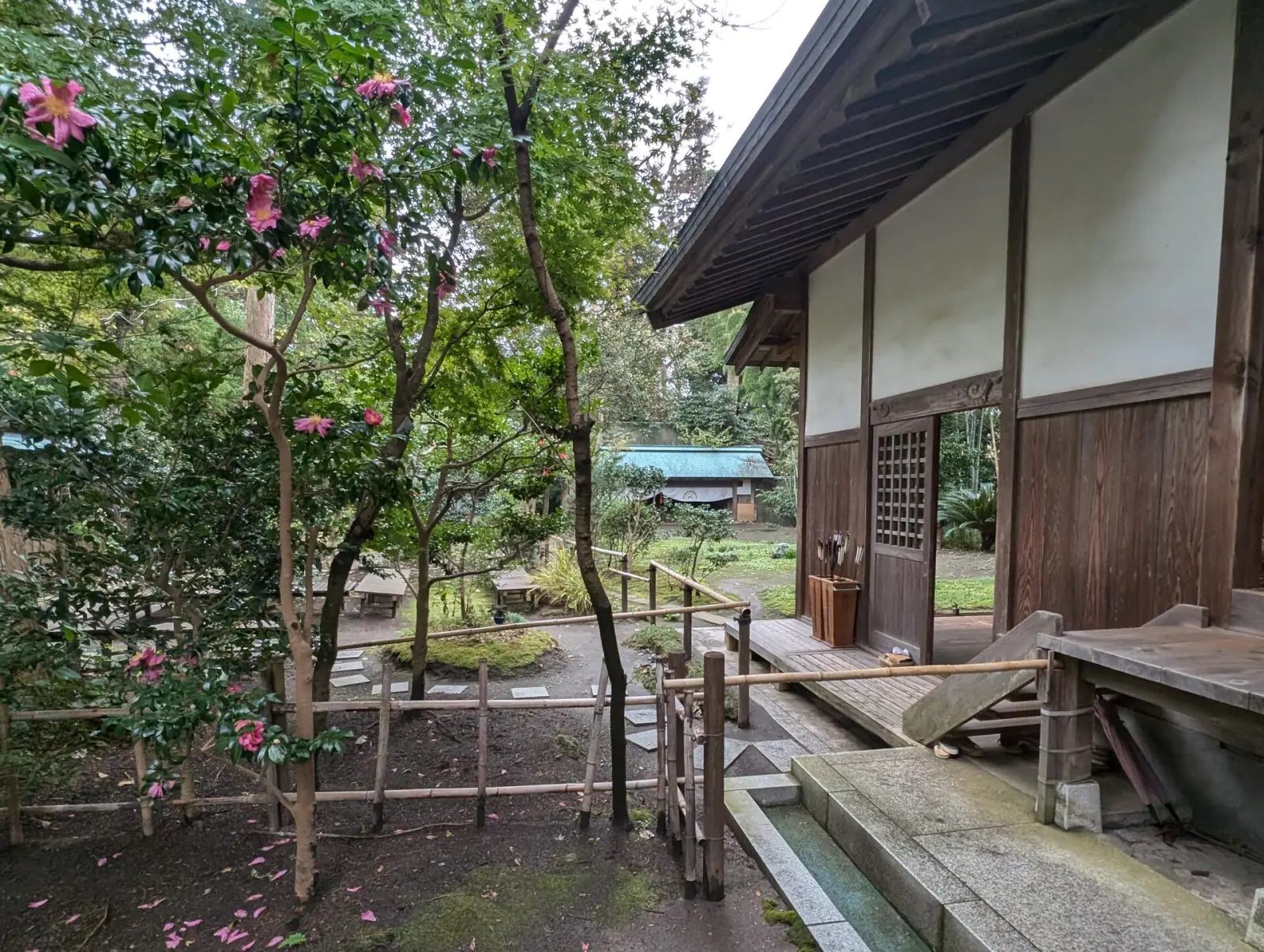
General Etiquette for Both Temples and Shrines
Beyond the specific rituals at each type of sacred site, there are several universal rules of behavior that apply wherever you go. These are the basics that will carry you through any temple or shrine visit in Japan with confidence.
Dress Code
Japan doesn't enforce strict dress codes at most temples and shrines the way some religious sites in other countries do. You won't be turned away for wearing shorts or a tank top. That said, covering your shoulders and knees is considered respectful at major sites, especially if you plan to enter inner halls or attend a ceremony. Casual and comfortable clothing is absolutely fine, just avoid anything that could be considered overly revealing or disrespectful. Hats should be removed when entering indoor areas and during prayer.
Noise and Behavior
Keep your voice low. Temples and shrines are places of worship, not tourist attractions, even though millions of tourists visit them. Many Japanese visitors come to pray sincerely, and a loud conversation can disrupt their experience. You don't need to whisper, but be conscious of your volume, especially inside halls and near prayer areas. Put your phone on silent. If you're traveling with children, gently encourage them to use indoor voices.
Offerings and Money
As mentioned earlier, ¥5 coins are considered the luckiest offering because "go-en" sounds like the Japanese word for "good connection" or "good fortune." Some people offer ¥50 (for extra luck) or ¥25 ("double good fortune"). Avoid ¥10 coins if you're superstitious, since "to-en" can sound like "far connection," implying disconnection. In practice, any amount is perfectly acceptable and appreciated. Just be sure to have small coins ready before you approach the offering box. Fumbling with your wallet in front of the prayer area holds up the line.
Things to Avoid
- Don't point at statues or sacred objects. Pointing is generally considered rude in Japan, and doubly so when directed at a deity or sacred image. If you need to indicate something, use an open hand.
- Don't touch sacred objects unless explicitly invited to do so. Some temples have specific statues that visitors are encouraged to touch (like the healing smoke at Senso-ji), but these are clearly marked.
- Don't eat or drink while walking within the temple or shrine grounds. This applies to water bottles as well. If you need a drink, step to the side and stand still. Eating while walking (tabearuki) is generally frowned upon in Japan, but it's especially inappropriate on sacred grounds.
- Don't step on thresholds. When entering a temple gate or building, step over the raised wooden threshold at the bottom of the doorway, not on it. The threshold is considered a boundary between worlds, and stepping on it is disrespectful.
- Don't litter or smoke on the grounds. This should go without saying, but it bears mentioning. Many temple and shrine grounds are maintained by volunteers and monks who take great pride in their cleanliness.
Famous Temples & Shrines to Visit
Now that you know the etiquette, where should you put it into practice? Here are some of Japan's most iconic sacred sites that we frequently visit on our tours, each offering a unique experience and a chance to apply what you've learned.
If you are still deciding whether to visit these on your own or with someone explaining the rituals as you go, my piece on whether hiring a guide in Tokyo is worth it lays out both sides honestly.
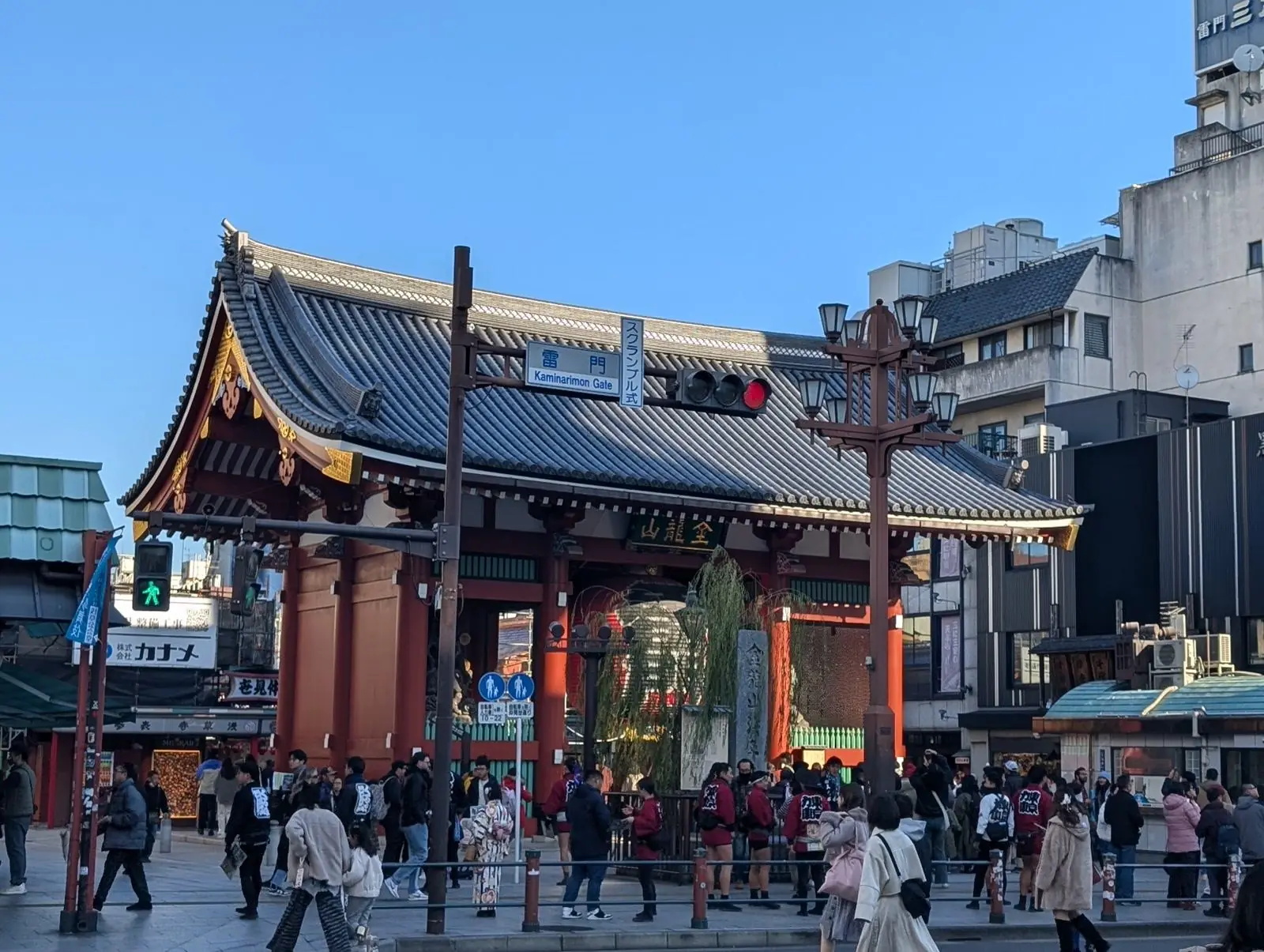
- Senso-ji Temple, Asakusa: Tokyo's oldest and most visited temple, dating back to 645 AD. The massive Kaminarimon (Thunder Gate) with its enormous red lantern is one of Japan's most recognizable landmarks. The Nakamise-dori approach is lined with traditional shops selling snacks, souvenirs, and crafts. Despite the crowds, Senso-ji retains a powerful spiritual atmosphere, especially early in the morning or in the evening when the lanterns glow. Our Asakusa walking tour includes both Senso-ji and the adjacent Asakusa Shrine, giving you the perfect chance to practice both temple and shrine etiquette in one visit.
- Meiji Shrine, Harajuku: Dedicated to Emperor Meiji and Empress Shoken, this grand Shinto shrine sits in the middle of a 170-acre forest right in the heart of Tokyo. Walking through the towering torii gate and along the gravel path surrounded by ancient trees, you'll forget you're in one of the world's busiest cities. Meiji Shrine is ideal for experiencing the torii approach, temizu purification, and the full 2-2-1 prayer ritual. We visit on our Shibuya & Harajuku tour, combining the shrine experience with the electric energy of Takeshita Street and Shibuya Crossing.
- Tsurugaoka Hachimangu, Kamakura: The most important shrine in Kamakura, originally established in 1063. A dramatic, tree-lined approach road leads from the coast up to the hillside shrine, passing through massive torii gates. The shrine is dedicated to Hachiman, the patron deity of warriors, and its history is deeply intertwined with the samurai culture of medieval Japan. Explore it on our Kamakura day trip, which also includes the Great Buddha and serene bamboo groves.
- Toshogu Shrine, Nikko: A UNESCO World Heritage Site and the most lavishly decorated shrine in all of Japan. Built as the mausoleum of Tokugawa Ieyasu, the founder of the Tokugawa shogunate, Toshogu features over 5,000 intricate carvings including the famous "see no evil, speak no evil, hear no evil" monkeys and the legendary Sleeping Cat (Nemuri-neko). The artistry here is staggering, and a guide is essential to decode the layers of symbolism in every panel. Join our Nikko day trip to experience this masterpiece along with stunning natural scenery.
The Most Common Mistakes Tourists Make
After guiding over 500 tours to Tokyo's temples and shrines, I've seen the same mistakes come up again and again. None of these are serious offenses (Japanese people are understanding of foreign visitors), but avoiding them will make your experience smoother and more respectful.
- Not bowing before passing through the torii gate. Many visitors walk straight through without pausing. A brief, shallow bow at the torii is the simplest way to show respect. Think of it as saying "excuse me" before entering someone's home.
- Getting the temizuya hand-washing order wrong. The most common error is pouring water directly into the mouth from the ladle, or washing both hands at the same time. Follow the right-left-mouth-handle sequence described above, and you'll stand out as someone who took the time to learn.
- Taking excessive photos at the main hall. While outdoor photography is almost always fine, many visitors spend so much time photographing that they miss the actual experience. I always tell my guests: take one or two photos, then put the camera away and be present. The memory of participating in the ritual will last longer than any photo.
- Misunderstanding offering amounts. Some travel blogs suggest offering ¥537 or other specific combinations for luck, but this is largely an internet myth. In practice, a single ¥5 coin (go-en = good connection) is the most meaningful offering. Don't overthink it. Sincerity matters far more than the amount.
- Avoiding the incense smoke at Senso-ji. I often see visitors step away from the jokoro (incense burner) because they don't understand what it's for. The smoke is believed to have healing properties, so waft it toward yourself, directing it to any part of your body that needs attention. It's one of the most participatory rituals available to visitors, and skipping it means missing a beautiful moment.
Differences Between Buddhist Temples and Shinto Shrines
While I covered the basics earlier, many visitors on my tours ask for more detail about how to tell temples and shrines apart, and why the prayer methods differ. Here's a more comprehensive comparison that I share with my guests.
Visual Identification
- Torii gates are exclusive to shrines. If you see one, you're at a Shinto shrine. Temples have sanmon gates instead. These are larger, more architectural structures, often with statues of fierce guardian figures (Nio) on either side.
- Incense burners (jokoro) are found at temples, not shrines. The large communal incense burner where visitors waft smoke toward themselves is a distinctly Buddhist tradition.
- Shimenawa (sacred rope) and shide (zigzag paper streamers) indicate a shrine. These mark sacred boundaries in Shinto tradition and are never found at Buddhist temples.
- Pagodas and Buddha statues indicate a temple. While some shrines have tower-like structures, the classic multi-tiered pagoda is a Buddhist architectural element.
Prayer Methods Compared
This is the most important practical difference for visitors:
- At a shrine: Ni-hai, ni-hakushu, ichi-hai: two bows, two claps, one bow. The clapping is unique to Shinto and is believed to call the attention of the kami (deity) and express joy.
- At a temple: Gassho: press your palms together silently and bow your head. No clapping. The Buddhist tradition emphasizes inner stillness and quiet reflection.
As a guide, the question I get most often is: "What happens if I accidentally clap at a temple?" The honest answer is: nothing bad. No one will be offended, and no spiritual consequence will follow. But knowing the difference shows genuine respect and allows you to engage more authentically with each tradition. It's the kind of detail that transforms you from a passive observer into an active participant.
Senso-ji Temple: What the 30 Million Annual Visitors Figure Really Means
You'll often see Senso-ji described as receiving "30 million visitors annually," making it one of the most visited religious sites in the world. But is this figure accurate? As someone who visits Senso-ji multiple times a week with tour guests, I can offer some context.
The 30 million figure comes from surveys conducted by the Tokyo Metropolitan Government's Bureau of Industrial and Labor Affairs (now the Bureau of Tourism and Local Economy), which tracks visitor numbers at major tourist destinations across the city. This number includes both foreign tourists and domestic Japanese visitors, as well as repeat visitors throughout the year. It's an estimate rather than an exact count (Senso-ji doesn't have turnstiles), but it's based on systematic survey methodology and is widely cited in official Tokyo tourism statistics.
What does this mean in practice? On a busy weekend afternoon, the Nakamise-dori approach can feel genuinely packed, with shoulder-to-shoulder crowds stretching from Kaminarimon all the way to the main hall. However, the experience varies dramatically depending on when you visit.
Best Times to Visit Senso-ji (Manabu's Advice)
- Early morning (6:00–7:30 AM): The temple grounds are open 24 hours, and the main hall opens at 6:00 AM (6:30 AM from October to March). At this hour, you'll share the space with only a handful of early risers and local worshippers. The morning light on the pagoda is spectacular, and you can experience the rituals in near-silence. This is my top recommendation.
- Weekday mornings (before 10 AM): Still manageable crowds. You can walk Nakamise-dori comfortably and take photos without crowds in the background.
- Evening (after 5 PM): The Nakamise shops close around 5–6 PM, but the temple grounds remain open. The illuminated Kaminarimon and five-story pagoda at night are magical, and the crowds thin significantly after the shops close.
- Avoid: Weekend afternoons (especially Saturday 11 AM – 3 PM), national holidays, and the first three days of January (hatsumode, the traditional New Year's shrine visit, which draws millions).
On my private Asakusa walking tour, I always time our visit to avoid the worst crowds, and I know the quieter corners of the temple complex that most visitors walk right past. Experiencing Senso-ji with expert guidance makes all the difference between feeling overwhelmed by crowds and truly appreciating what makes this 1,400-year-old temple so special.
Want to visit Tokyo's temples and shrines with an expert guide?
Knowing the etiquette is one thing. Having someone beside you to explain the history, symbolism, and hidden details brings these sacred sites to life. On our tours, I walk you through every step of the rituals, share stories that guidebooks miss, and answer all your questions in real time. Whether it's your first shrine visit or your tenth, there's always something new to discover.
Frequently Asked Questions
Can I visit temples and shrines for free?
Most temples and shrines in Tokyo are free to enter. Major sites like Senso-ji, Meiji Shrine, and Asakusa Shrine have no entrance fee. Some temples charge a small admission (typically ¥300–500) for special inner gardens, treasure halls, or seasonal exhibitions. Shinjuku Gyoen, while not a temple, charges ¥500. In general, the core worship areas are always free. You can participate in prayer rituals, buy omikuji fortune slips, and experience the atmosphere without any entrance cost.
What should I wear to a temple or shrine in Japan?
There is no strict dress code at most Tokyo temples and shrines. You won't be refused entry for wearing casual clothing, shorts, or sandals. That said, covering your shoulders and knees is considered respectful, especially if you plan to enter inner halls or attend a ceremony. Comfortable walking shoes are essential, as many temple grounds involve gravel paths and stairs. Wear clean socks without holes, as you may need to remove your shoes at some temples. Hats should be removed when entering indoor worship areas.
Is it disrespectful to take photos at temples?
Photography rules vary by location. Outdoor areas, gardens, and building exteriors are almost always fine to photograph. Many temples prohibit photography inside main halls and near sacred statues. Look for camera icons with a red line through them. Even where allowed, use discretion: no flash, no selfie sticks near sacred objects, and silence your shutter sound. When in doubt, ask a staff member. The key principle is to be present and respectful rather than treating the visit purely as a photo opportunity.
What is the correct way to pray at a Japanese shrine?
The standard practice at Shinto shrines is called ni-hai, ni-hakushu, ichi-hai: two deep bows, two claps, then one final deep bow. Before praying, toss a coin (a ¥5 coin is traditional) into the offering box and ring the bell if one is present. At Buddhist temples, the ritual is different: press your palms together silently (gassho) and bow your head without clapping. The most important thing is to approach with sincerity. Japanese people genuinely appreciate foreign visitors making the effort to participate respectfully.