If Asakusa represents old Tokyo, the temples, the traditions, the quiet rituals of another era, then Shibuya and Harajuku are the city's creative pulse. These neighboring districts sit on the western side of central Tokyo, connected by a short walk or a single train stop, yet each carries a completely different energy. Shibuya is frenetic, commercial, and alive with neon and noise. Harajuku is a place of subcultures, fashion experiments, and architectural statements. Together they form what many visitors picture when they imagine modern Tokyo.
But here's what most travel guides won't tell you: these neighborhoods are constantly evolving. What was trendy last year might be gone today, replaced by something newer, stranger, or more interesting. The Shibuya and Harajuku I guide people through now look quite different from the ones I showed visitors five years ago. Entire blocks have been rebuilt, new complexes have risen, and the youth culture has shifted in ways that only locals can track. This guide covers what's actually worth your time right now, not the outdated advice you'll find recycled across the internet.
Shibuya Crossing: How to Actually Enjoy It
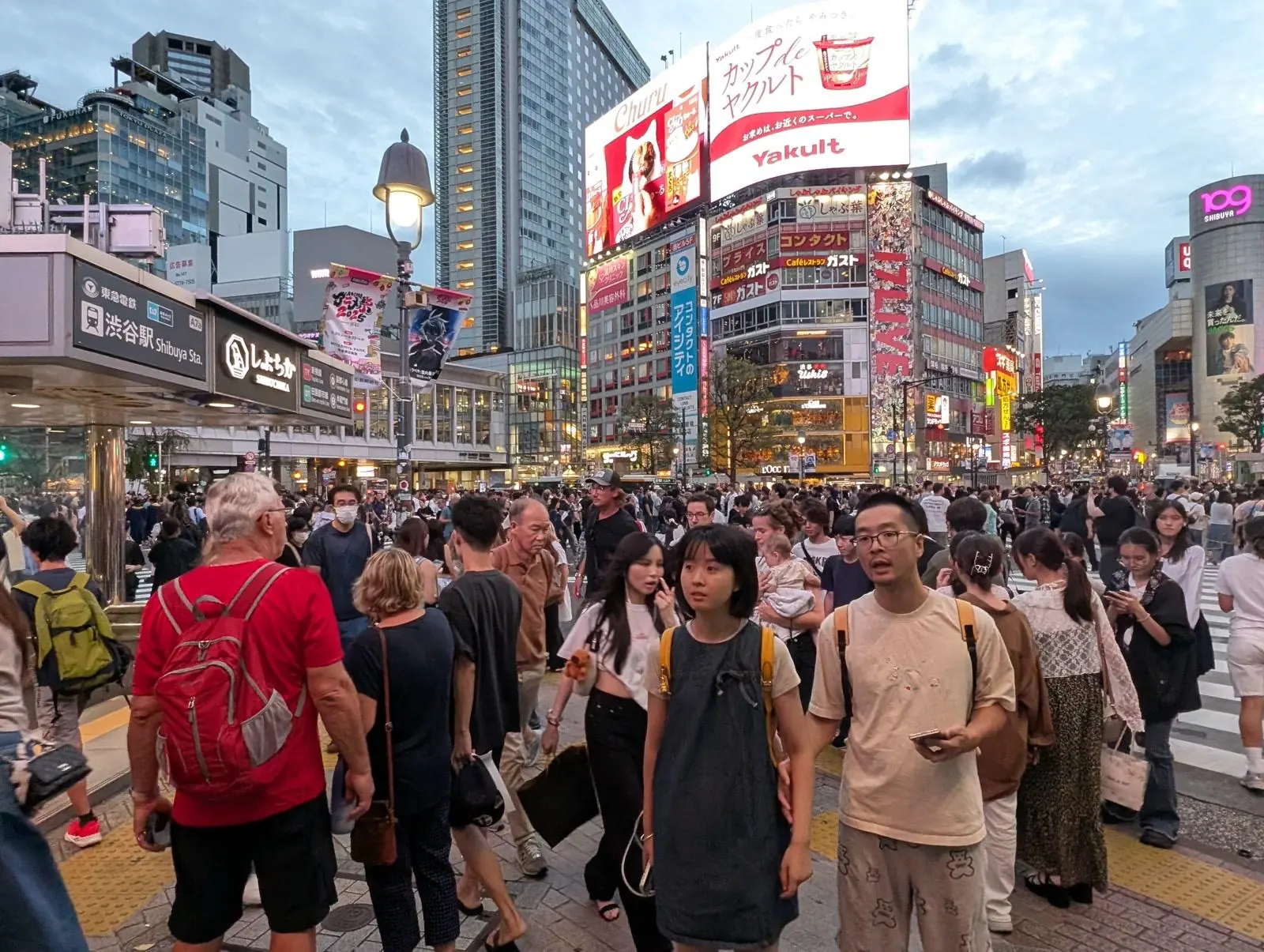
Let's start with the obvious. Shibuya Crossing is the world's busiest pedestrian intersection, and yes, it lives up to the hype, but only if you experience it correctly. Too many visitors walk across once, take a selfie, and move on. That's missing the point entirely. The scramble crossing is a living piece of urban theater, and the best way to appreciate it is from above before you wade into it yourself.
The best viewing spots: The most famous overlook is the Starbucks on the second floor of the Tsutaya building, directly facing the crossing. It's iconic, but expect to wait for a window seat during peak hours. A better option for many visitors is Mag's Park, the rooftop observation space atop the Magnet by Shibuya 109 building. It's free, less crowded than you'd expect, and gives you a wide-angle perspective that photographs beautifully. For the ultimate panorama, Shibuya Sky, the observation deck on top of the Shibuya Scramble Square building, offers a 360-degree view from 230 meters up. It's ticketed and popular, so book online in advance, especially for sunset slots.
When to cross: If you want the full sensory overload, come on a Friday or Saturday evening between 7 and 9 PM. That's when foot traffic peaks and up to 3,000 people flood the intersection every signal change. The neon reflections on the pavement after rain make for especially dramatic photos. Weekday mornings, by contrast, are surprisingly calm. You can cross almost leisurely and see the intersection as the local commuters experience it.
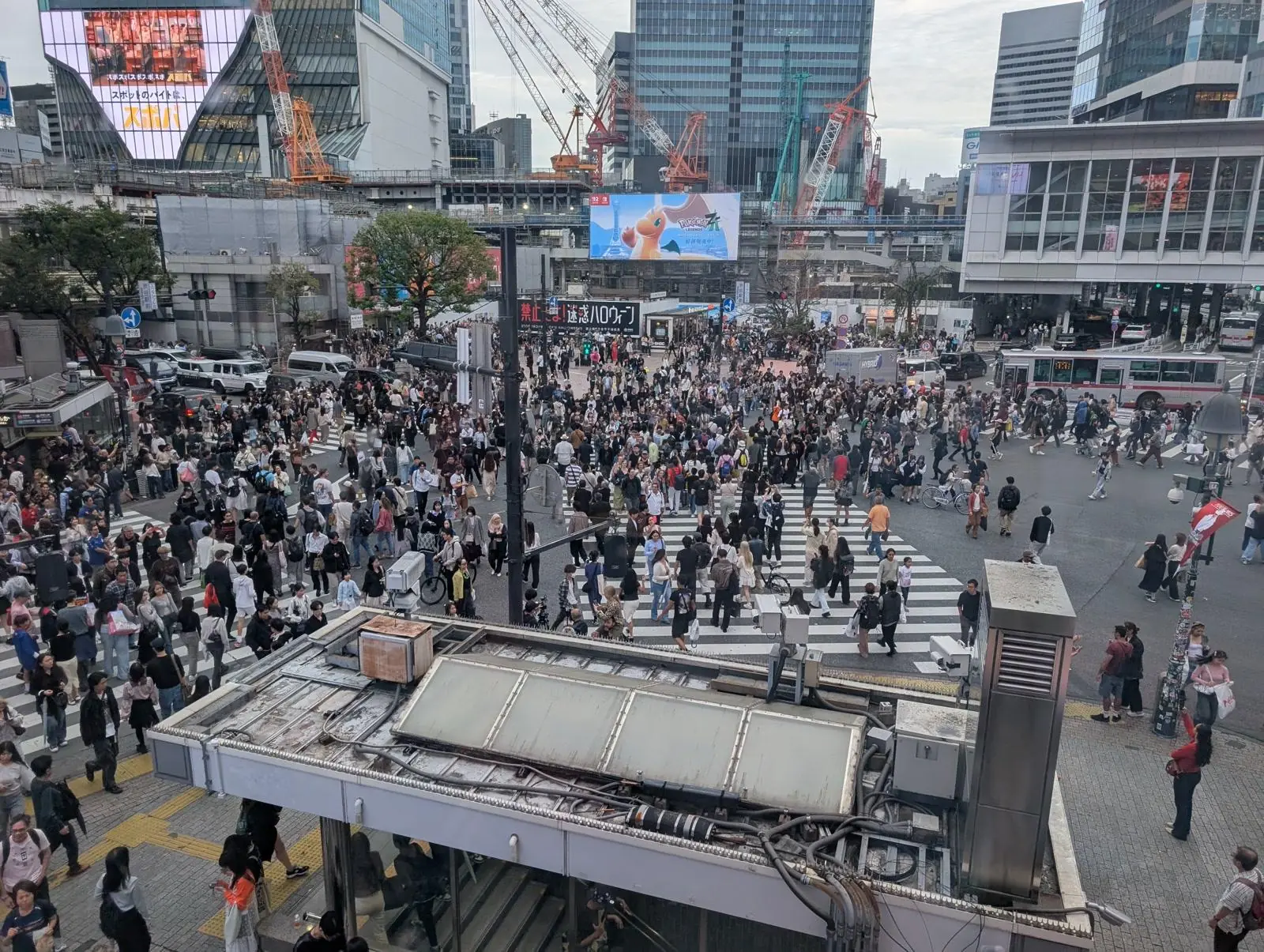
But the scramble is just the start. Too many people treat the crossing as the destination rather than the gateway. Once you've watched it, crossed it, and captured your photos, the real Shibuya begins in the tangled streets that radiate outward from this famous intersection. That's where this guide really comes in.
Beyond the Crossing: Shibuya's Best Kept Secrets
Most visitors never venture more than a block or two past the crossing, which means they miss the neighborhoods that give Shibuya its real character. Here are the spots I take people on my tours, the places that reward curiosity and a willingness to wander.
Nonbei Yokocho (Drunkard's Alley)
Tucked behind the train tracks just a two-minute walk from Shibuya Station's north exit, Nonbei Yokocho is a narrow lane of tiny bars that feels like it belongs in a different decade. Think of it as Shibuya's answer to Shinjuku's Golden Gai: small, atmospheric drinking establishments that seat maybe six to eight people each. The difference is that Nonbei Yokocho is far less touristy and has a more relaxed, welcoming vibe. Some of these bars have been run by the same owners for 40 or 50 years. Evenings are the best time to visit, and don't be afraid to duck into a place that catches your eye. Most welcome newcomers, even those who don't speak Japanese. A simple "osusume kudasai" (your recommendation, please) will get you started.
Center-gai and the Side Streets
Center-gai (officially renamed "Basketball Street," though nobody calls it that) is Shibuya's main pedestrian shopping street, loud and crowded with fast-food chains and clothing stores. It's worth a walk-through for the atmosphere, but the real finds are on the narrow side streets that branch off it. These smaller alleys hide izakayas with handwritten menus, tiny ramen counters with lines out the door, and vintage clothing shops where you can find one-of-a-kind pieces. The rule of thumb in Shibuya is simple: if a street looks too narrow to bother with, it's probably worth exploring.
Shibuya Stream and the River Area
One of Shibuya's most dramatic recent transformations is the area around the Shibuya River, south of the station. The Shibuya Stream complex opened in 2018 and turned what was a hidden, concrete-covered waterway into an open-air riverside promenade with restaurants, cafes, and public seating areas. It's where office workers eat lunch and where couples stroll on weekend afternoons. The vibe is completely different from the chaos of the crossing: modern, relaxed, almost European in feel. Follow the river walk south and you'll find yourself in a surprisingly quiet residential area that most tourists have no idea exists.
Dogenzaka: More Than Its Reputation
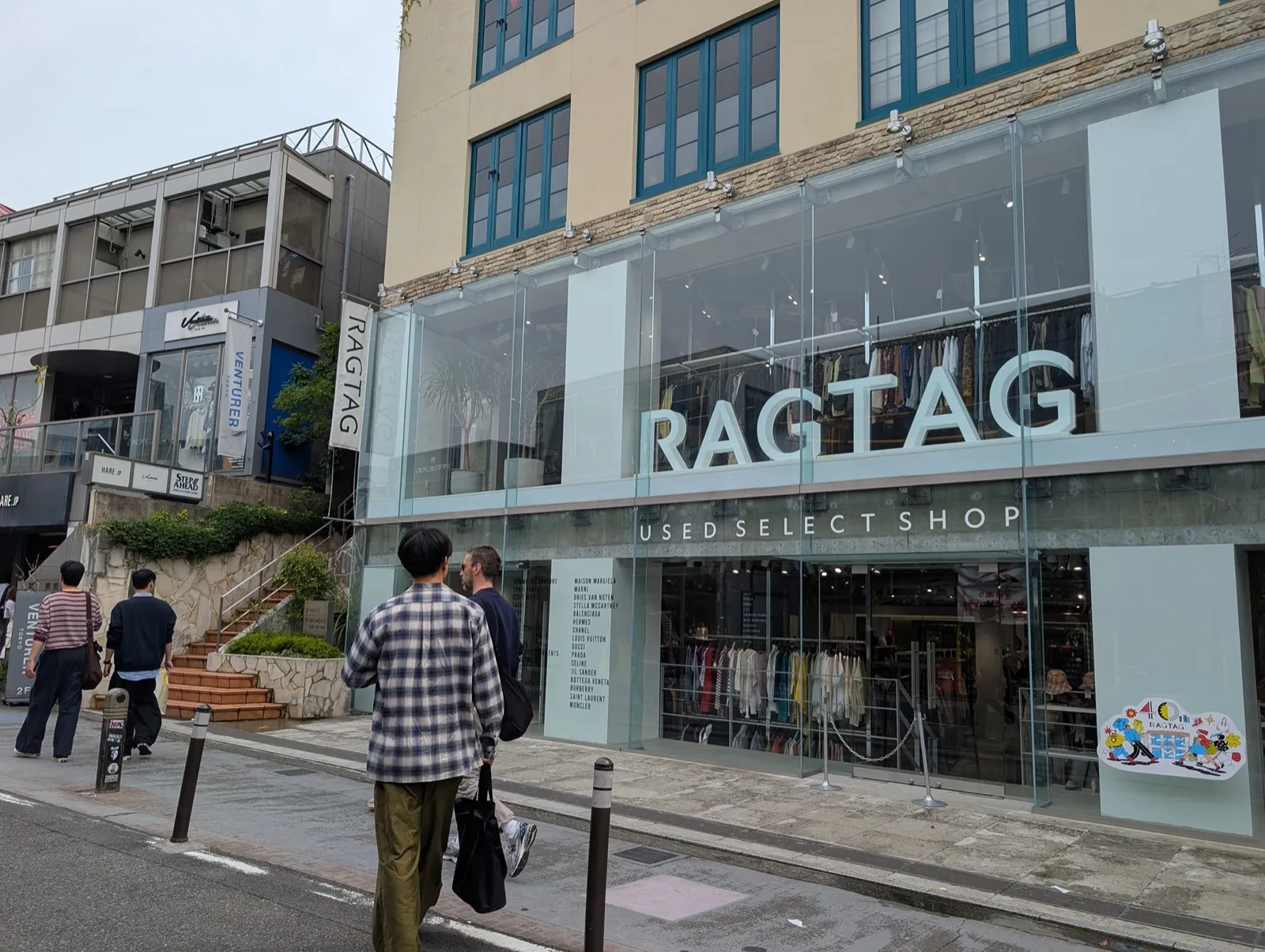
Dogenzaka is the sloping street that leads up the hill from the crossing, and it has a reputation as Shibuya's love hotel district. That reputation is deserved (you'll see plenty of colorful facades with hourly rates), but Dogenzaka is also home to some of the best vintage and secondhand clothing shops in Tokyo. Stores like Ragtag, Flamingo, and dozens of smaller independent shops sell everything from designer labels at a fraction of retail to perfectly curated vintage Americana. If you're into fashion or thrifting, Dogenzaka is worth an afternoon of browsing. The love hotels, by the way, are a fascinating part of Japanese urban culture in their own right, and I'm happy to explain their history and social role on tour. It's more interesting than you might expect.
Harajuku: More Than Takeshita Street
Harajuku is synonymous with Japanese youth culture, and for many visitors it's the neighborhood they're most excited to see. But Harajuku is much more than the single street most people visit. Let me break down what's here and how to make the most of it.
Takeshita Street: A Reality Check
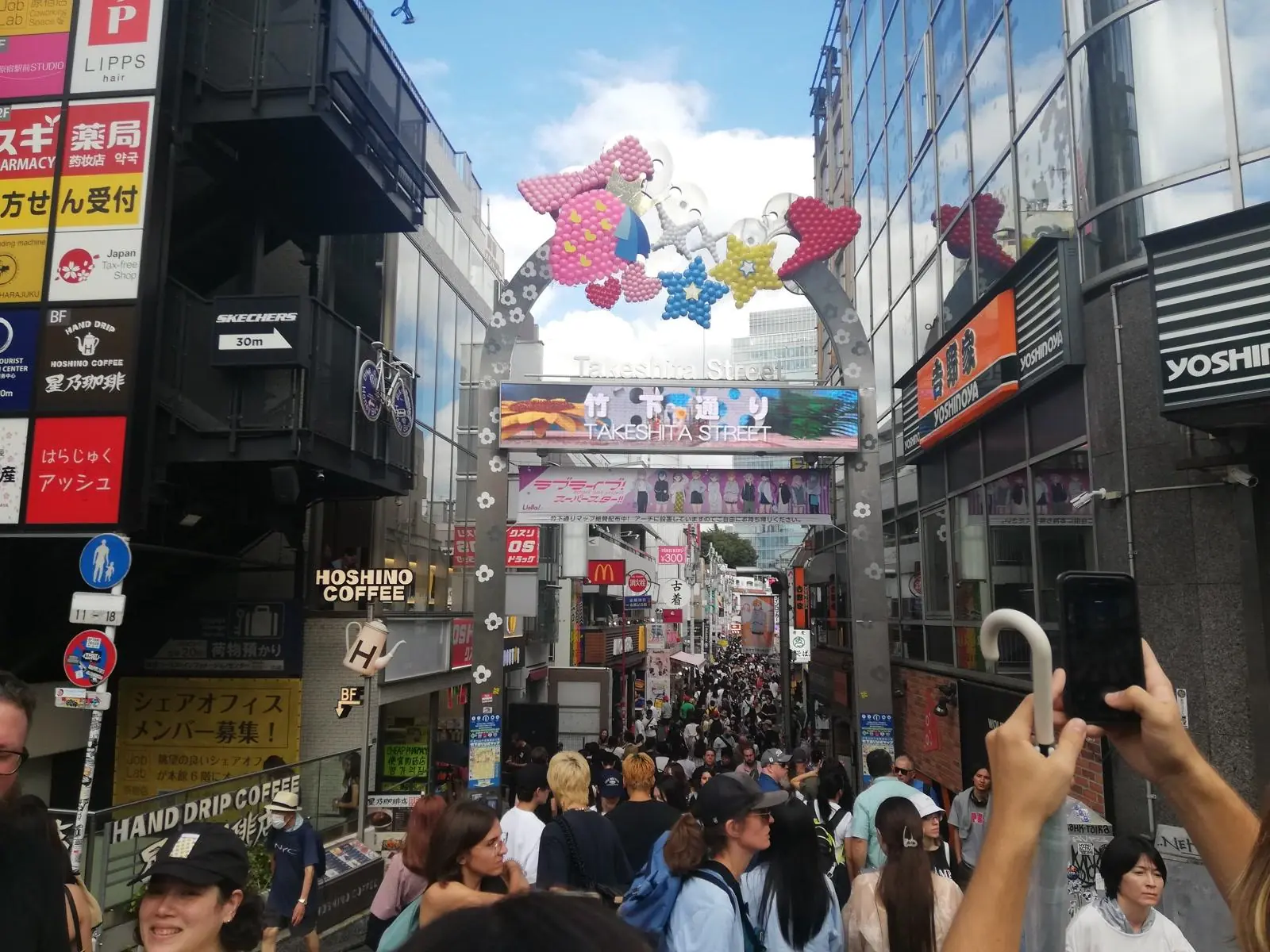
Takeshita-dori is the famous pedestrian street that runs from Harajuku Station south toward Meiji-dori. It's colorful, loud, and packed with crepe shops, bubble tea stands, costume stores, and kawaii merchandise. Here's my honest assessment: it's very crowded and very touristy, but it's still fun. The key is managing your expectations. This isn't an "authentic local secret." It's a spectacle, and spectacles have their own value. Visit on a weekday morning if you want to actually move freely, or brave the weekend crowds if you want the full experience. Either way, give yourself about 30 to 45 minutes. That's enough to soak it in without the sensory overload becoming exhausting.
Cat Street: The Real Fashion Street
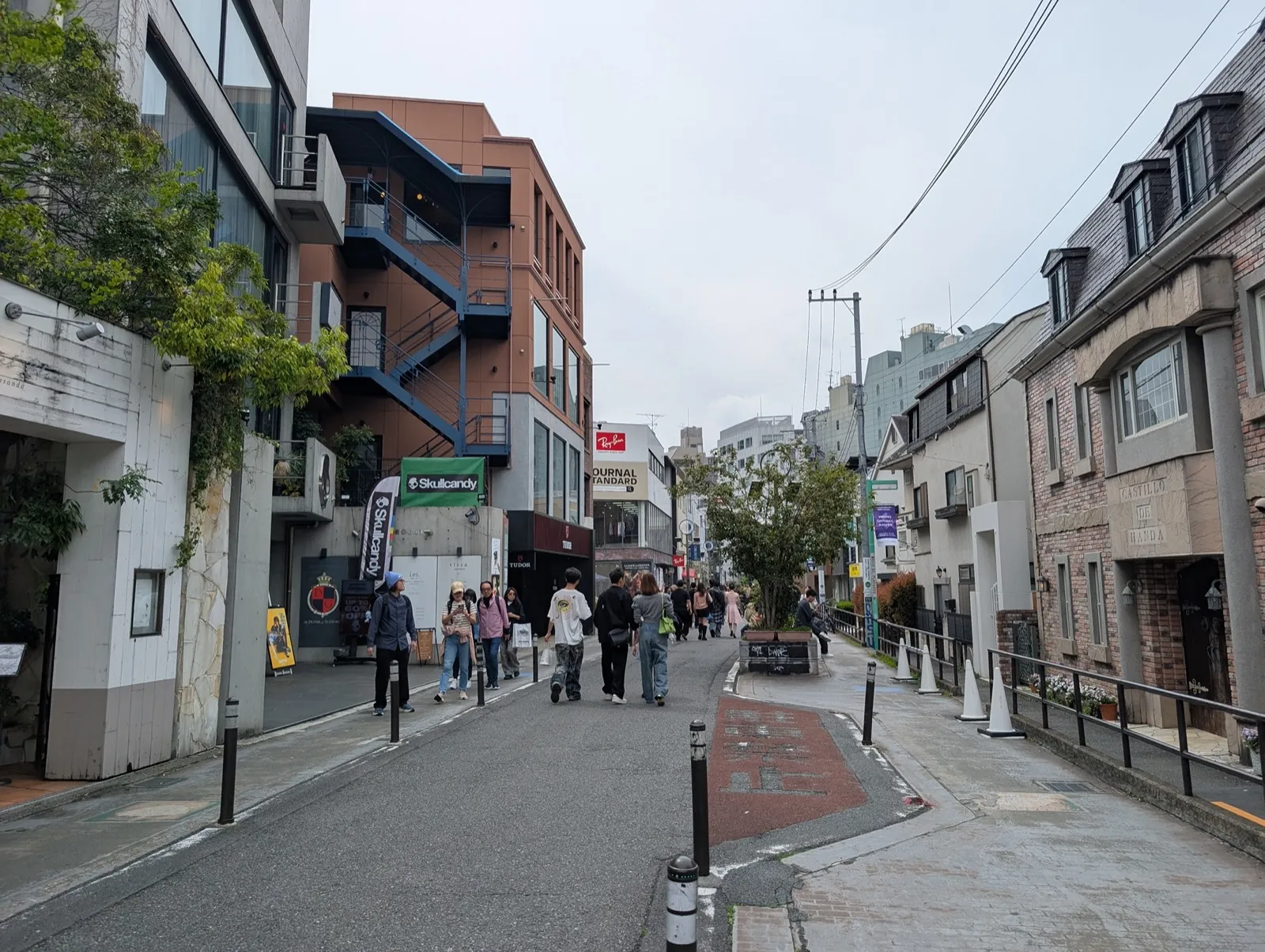
Running roughly parallel to Takeshita Street but one block south, Cat Street (Kyuushibuya-gawa Yuuhodou) is where Harajuku's fashion-conscious locals actually shop. Built along a former riverbed, it's a winding, tree-lined street with independent boutiques, designer flagship stores, vintage shops, and some of the best coffee in the area. The atmosphere is completely different from Takeshita: relaxed, curated, and genuinely stylish. This is where Japanese streetwear brands test new concepts, where up-and-coming designers open their first shops, and where you'll spot fashion-forward locals putting together outfits that wouldn't look out of place in a magazine. If you only have time for one Harajuku street, make it Cat Street.
Omotesando: An Architecture Walk
Omotesando is the tree-lined boulevard that runs from Harajuku toward Aoyama, and it's one of the most architecturally significant streets in the world. Nearly every major luxury brand has commissioned a world-class architect for their flagship store here. Tadao Ando designed the Omotesando Hills complex, with its signature spiraling concrete ramp. Shigeru Ban created the Nicolas G. Hayek Center with its glass-and-steel facade that opens entirely to the street. The Dior building by SANAA shimmers like a translucent curtain. Even if you have no interest in shopping, walking Omotesando as an open-air architecture gallery is a remarkable experience. I always tell visitors to look up. The building facades tell stories that the storefronts at ground level never reveal.
Meiji Shrine: A Peaceful Contrast
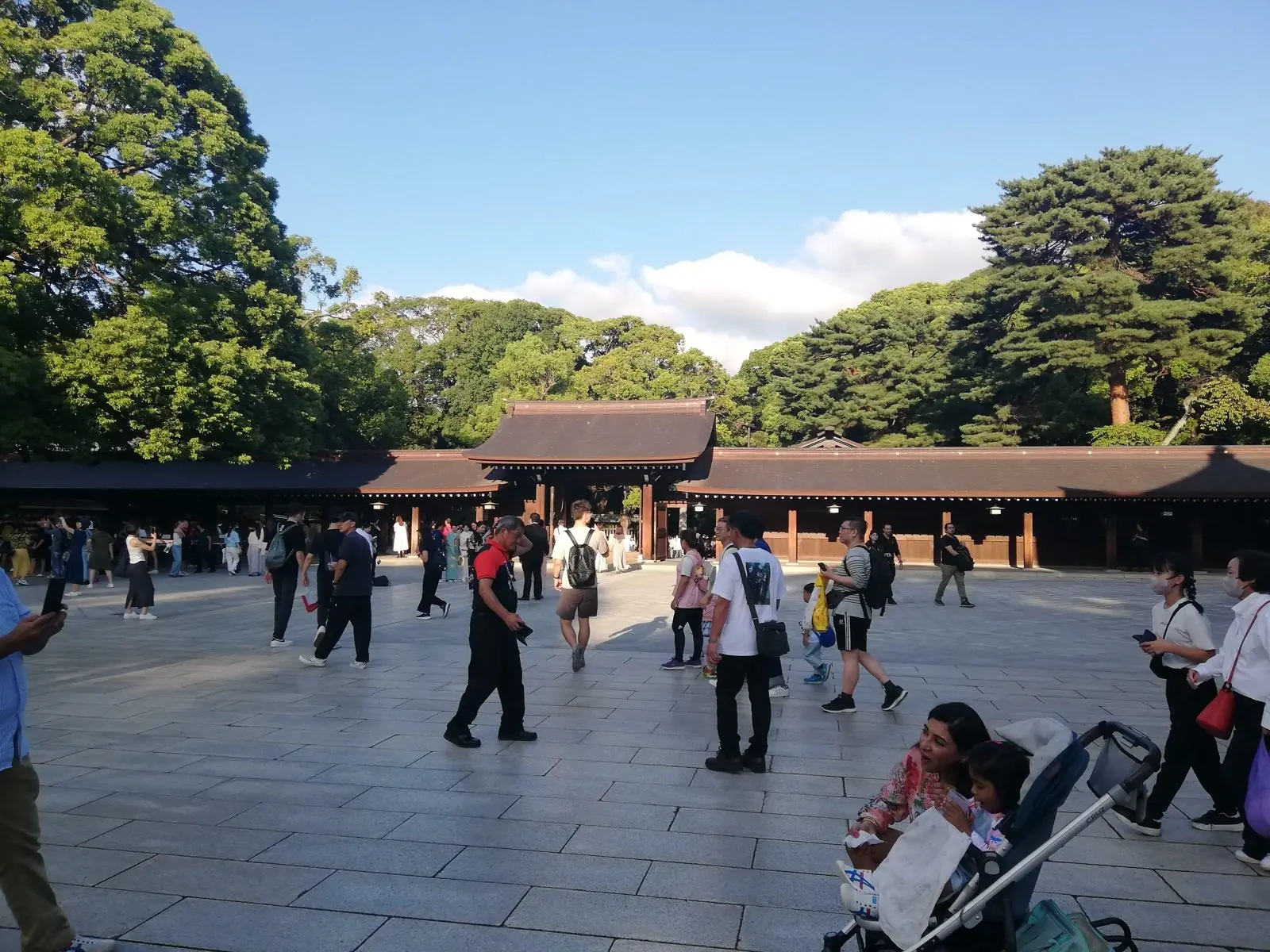
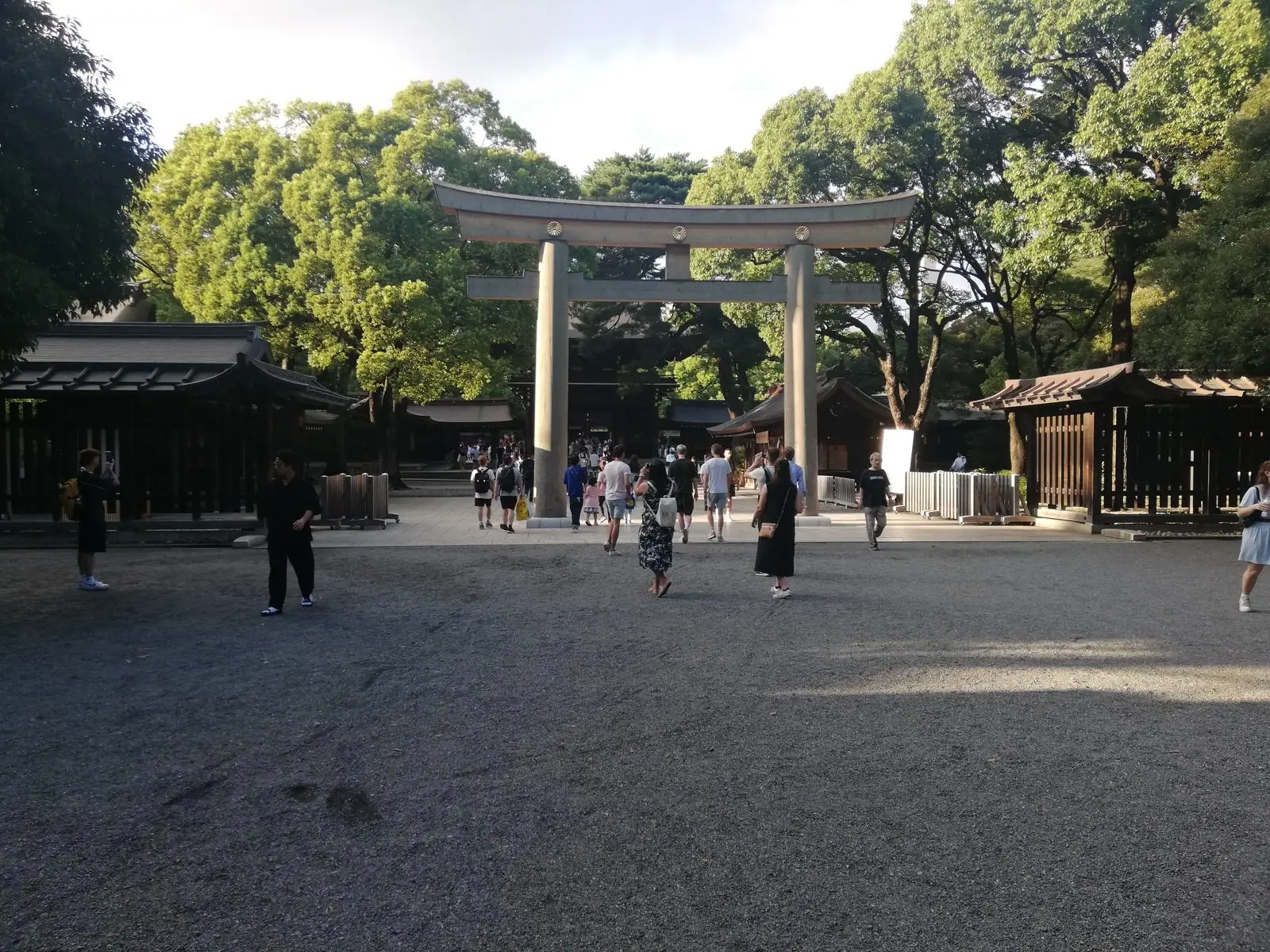
Just a five-minute walk from the neon chaos of Takeshita Street, Meiji Shrine (Meiji Jingu) sits inside a 170-acre forested park that feels like an entirely different world. Dedicated to Emperor Meiji and Empress Shoken, the shrine is one of Tokyo's most important Shinto sites. The transition from Harajuku's pop culture excess to the shrine's towering torii gates and gravel paths is one of the most dramatic contrasts in all of Tokyo, and it perfectly captures what makes this city so endlessly fascinating. Arrive early in the morning for the most serene experience, and keep an eye out for traditional wedding processions on weekends.
Yoyogi Park: Tokyo's Living Room
Adjacent to Meiji Shrine, Yoyogi Park is where Tokyo comes to relax, rehearse, and perform. On weekends especially, you'll find street musicians, dance crews practicing choreography, cosplayers posing for photos, and families having picnics on the grass. During cherry blossom season it's one of the most popular hanami (flower viewing) spots in the city. The park is free, open, and offers a completely different perspective on Tokyo life, one that's less about consumption and more about community. Bring a blanket and something to drink, and just sit for a while. You'll see a side of Tokyo that most itineraries never mention.
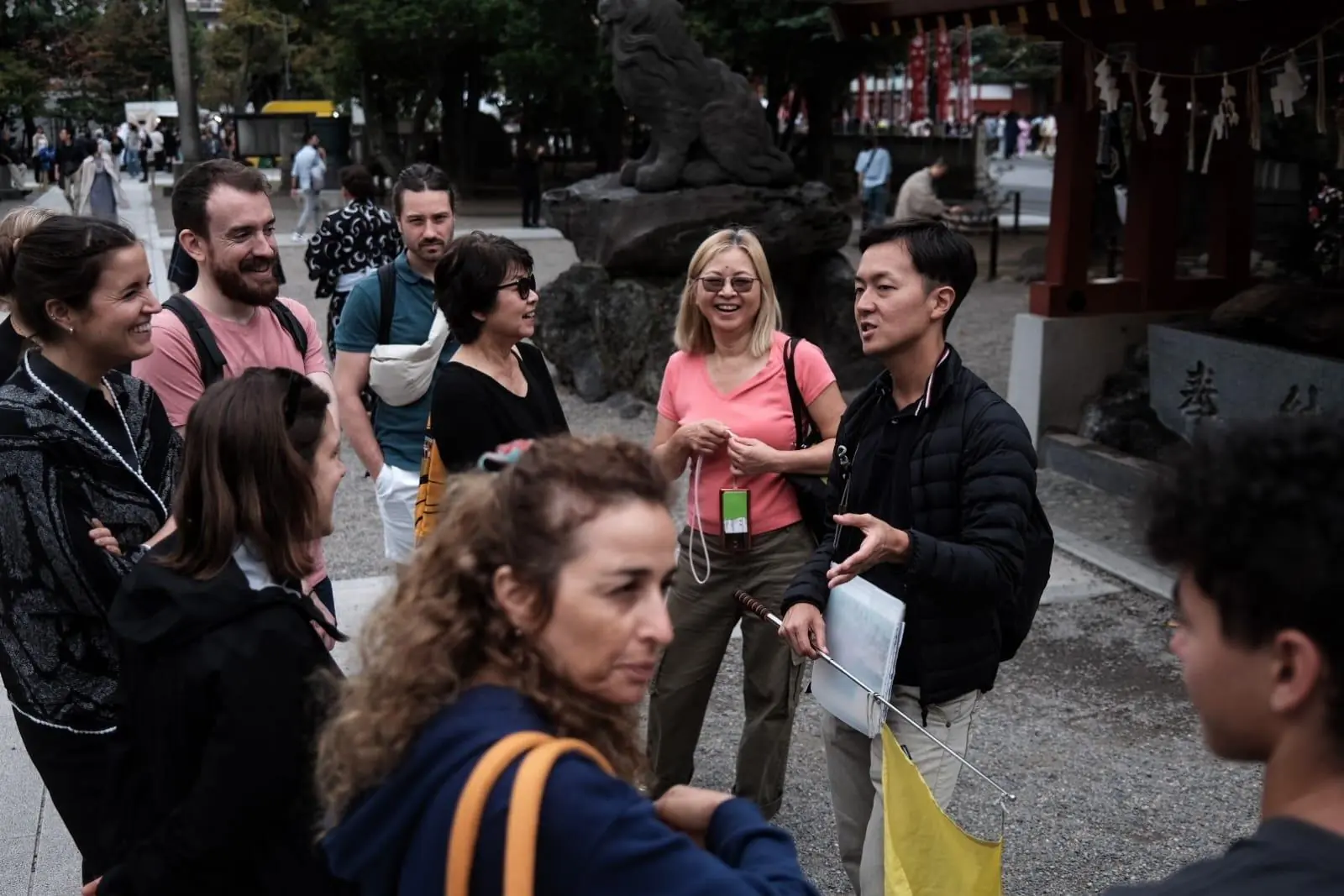
If you want to experience all of this with a local who can connect the dots and share the stories behind what you're seeing, our Shibuya & Harajuku Walking Tour covers these neighborhoods in depth, from hidden backstreets to cultural context that transforms a simple walk into a real understanding of modern Tokyo.
Trying to decide whether to prioritize Shibuya, Harajuku, or add Shinjuku to the same day? I break down the time allocation and sequencing in Harajuku vs Shibuya vs Shinjuku: Which Fits Your Trip.
And if the question on your mind is what guided time actually costs before you commit to anything, I publish my rates and what shapes them in what a private tour guide in Tokyo costs.
Where to Eat
One of the best things about Shibuya and Harajuku is the sheer density of food options, ranging from cheap street snacks to world-class dining. Here are my recommendations for visitors who want to eat well without relying on Google's top results (which tend to steer you toward tourist traps).
Harajuku Street Food: The Classics
Harajuku crepes are a Tokyo institution. The thin, folded crepes stuffed with whipped cream, fresh fruit, chocolate, and ice cream have been a Takeshita Street staple since the 1970s. Marion Crepes and Angels Heart are the originals, and they're still good. Cotton candy shops have exploded in popularity in recent years, with shops offering massive, colorful clouds of spun sugar that are as much about the Instagram photo as the taste. They're fun, ephemeral, and perfectly Harajuku. For something more substantial, the side streets around Takeshita hide excellent takoyaki (octopus ball) stands and small curry shops that cater to hungry locals rather than tourists.
Shibuya Ramen and Beyond
Shibuya has some genuinely outstanding ramen shops, but the best ones are rarely the most visible. Look for the places with short lines of Japanese office workers at lunchtime. That's your signal. Fuunji, just north of the station, is legendary for its tsukemen (dipping noodles) with a rich, concentrated broth. For something different, the back streets behind Shibuya 109 hide excellent gyudon counters, standing soba shops, and hole-in-the-wall curry joints where a filling lunch costs under 1,000 yen. The Omotesando back streets, especially in the direction of Aoyama, are home to some of the most charming lunch cafes in Tokyo. These small, independently run spots serve beautiful set lunches (teishoku) with seasonal ingredients, often in spaces that feel more like someone's living room than a restaurant. Expect to pay 1,500 to 2,500 yen for a lunch that would cost three times as much in the main shopping areas.
Evening Plans
Shibuya transforms after dark. The neon intensifies, the crowds shift from shoppers to revelers, and the energy of the neighborhood changes completely. If you want to experience Tokyo nightlife, Shibuya is one of the best starting points, and here's how to do it safely and enjoyably.
Shibuya Nightlife Starting Points
For a relaxed evening, start at Nonbei Yokocho (the alley I mentioned earlier) or one of the craft beer bars near the station. Shibuya has an excellent craft beer scene, with spots like Mikkeller Tokyo and Goodbeer Faucets offering Japanese and international microbrews in stylish settings. If you're looking for something livelier, the streets around Center-gai have dozens of izakayas where you can order rounds of drinks and small plates in the classic Japanese drinking style. For clubbing, Shibuya is home to some of Tokyo's most iconic venues, though the scene starts late, typically after midnight.
Safe Bar-Hopping Tips for Tourists
Tokyo is one of the safest cities in the world for nightlife, but a few common-sense tips will improve your experience. Stick to places with visible menus and posted prices. This avoids any surprise charges. Be cautious of touts on the street who invite you to "special" bars; the legitimate places don't need to recruit customers from the sidewalk. Many smaller bars have a table charge (otoshi) of 300 to 500 yen per person, which typically includes a small appetizer. This is standard practice, not a scam. If you're unsure about a place, ask your hotel concierge or look for spots with reviews in English on Google Maps.
Last Train: Know Your Limits
The most important piece of nightlife advice I give to every visitor: know your last train time. Most train and subway lines stop running between midnight and 12:30 AM, with the last departures from Shibuya Station varying by line and direction. Miss the last train and you're looking at either an expensive taxi ride (3,000 to 10,000 yen depending on distance), staying out until the first trains resume around 5 AM, or finding a manga cafe or capsule hotel for a few hours. The first option costs money, the second costs energy, and the third is an adventure in itself. My recommendation: set an alarm for 11:30 PM. That gives you a comfortable buffer to finish your drink, say goodbye, and make it to the platform without sprinting. If you decide to stay out all night, Shibuya has plenty of 24-hour establishments. Just pace yourself.
Want to explore Shibuya and Harajuku with a local who knows every backstreet?
From hidden vintage shops to the stories behind Omotesando's architectural masterpieces, our walking tour brings these neighborhoods to life in ways a guidebook never can. Let a licensed local guide show you the Shibuya and Harajuku that most visitors never see.