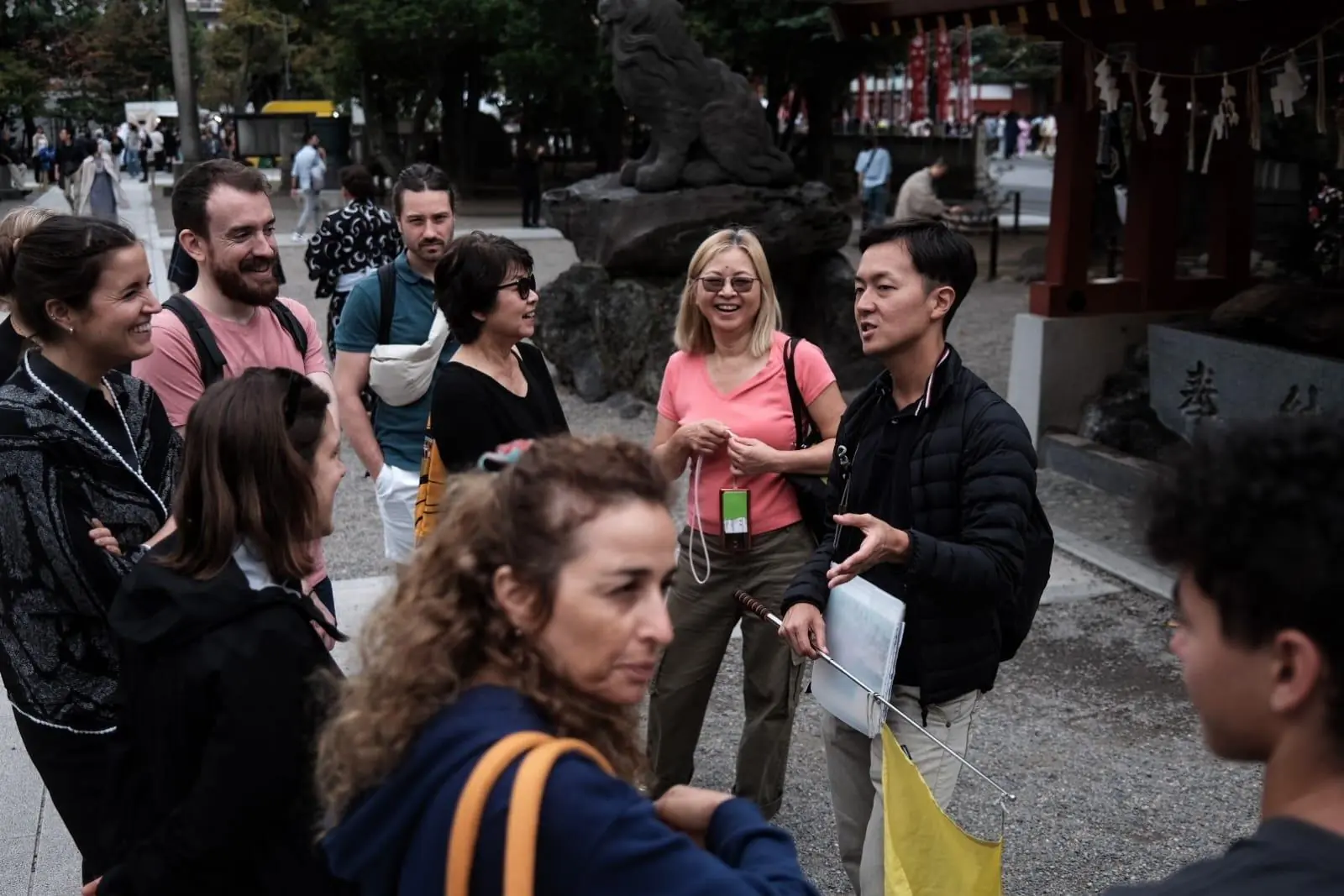
After guiding over 500 tours in Tokyo, I've seen what works and what doesn't for first-time visitors. Some travelers try to cram everything into a single day and end up exhausted. Others miss hidden gems because they stick to the most obvious attractions. This 3-day itinerary balances must-see highlights with local experiences most tourists miss. Feel free to mix and match. Every traveler is different, and the best itinerary is the one that excites you.
I've organized the three days geographically to minimize transit time and maximize exploration. Each day covers a different side of Tokyo: traditional east, modern west, and then your choice of central Tokyo or a day trip. Here's what I recommend based on years of walking these streets with travelers from around the world.
Quick overview: Day 1 takes you through east Tokyo's historic neighborhoods, from the ancient lanes of Asakusa to the nostalgic charm of Yanaka and the market energy of Ameyoko. Day 2 shifts west to Meiji Shrine's forest, Harajuku's youth culture, Shibuya Crossing's organized chaos, and Shinjuku's legendary nightlife. Day 3 is your choice: dive into central Tokyo's food markets and imperial gardens, or escape the city for a day trip to Kamakura, Hakone, or Nikko. Each day works as a standalone route, so you can rearrange them to suit your schedule.
Day 1: East Tokyo, History & Tradition
Morning: Asakusa, Where Old Tokyo Lives
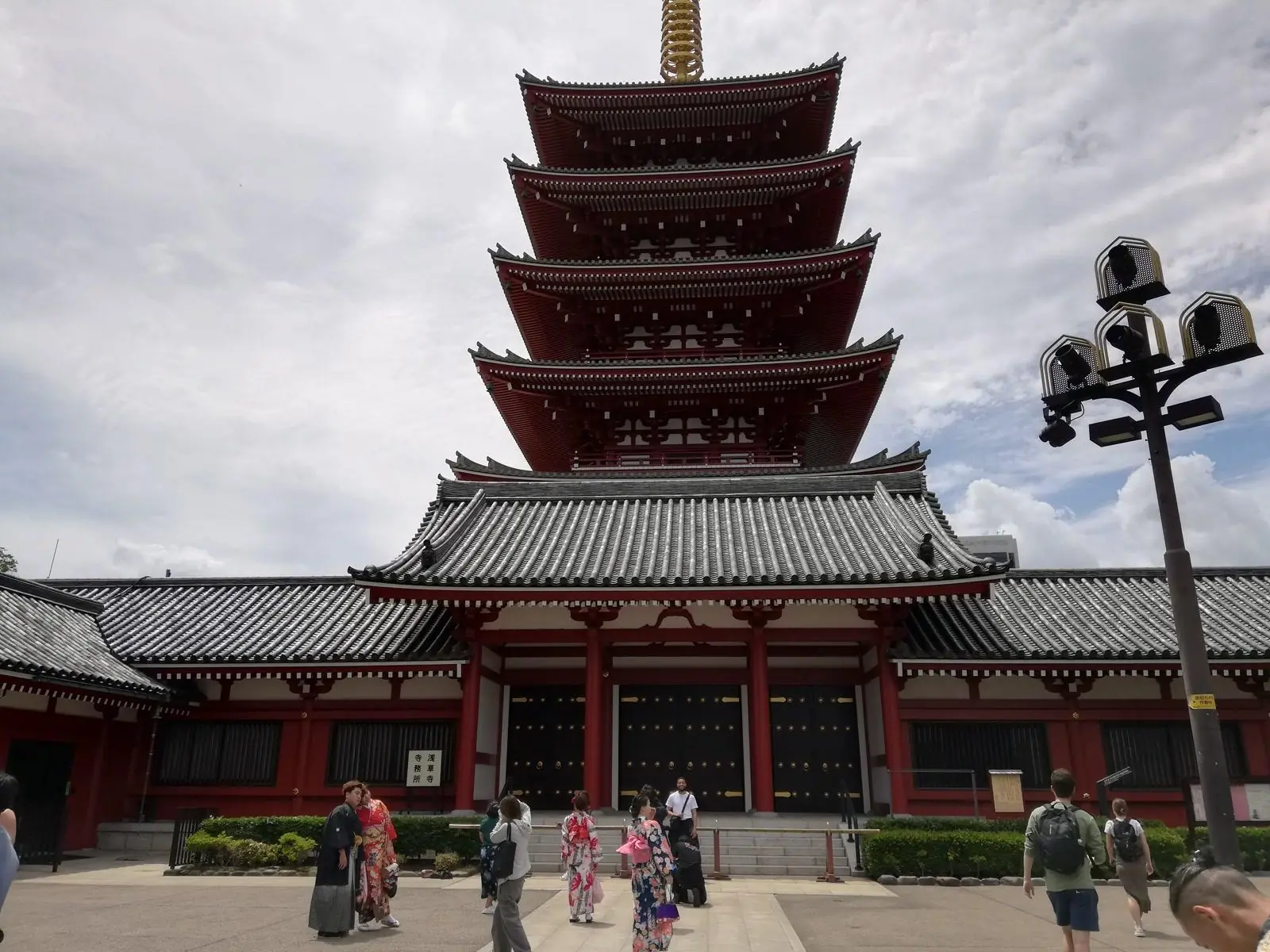
Start your Tokyo journey where the city itself began: Asakusa. This neighborhood is home to Senso-ji, Tokyo's oldest temple, founded in the 7th century. Walk through the iconic Kaminarimon (Thunder Gate) and down Nakamise-dori, a shopping street that has been serving visitors for centuries. For a deeper dive into the area, read our complete Asakusa guide.
Local tip: Arrive before 9 AM to experience Senso-ji without the crowds. The morning light through the incense smoke creates a magical atmosphere that you simply cannot get later in the day. The temple grounds are open 24 hours, but the Nakamise shops open around 10 AM, so you get the best of both worlds if you time it right.
Don't just walk the main street. Venture into the side alleys where you'll find traditional craft shops, small temples, and local eateries that have been in the same family for generations. The area around Dempoin Temple Garden is particularly beautiful and often overlooked by tourists rushing to Senso-ji.
If you want a deeper exploration of Asakusa with cultural context and hidden spots, our Asakusa Walking Tour covers everything from temple rituals to the best street food stalls.
Late Morning: Walk to Tokyo Skytree via Sumida Park
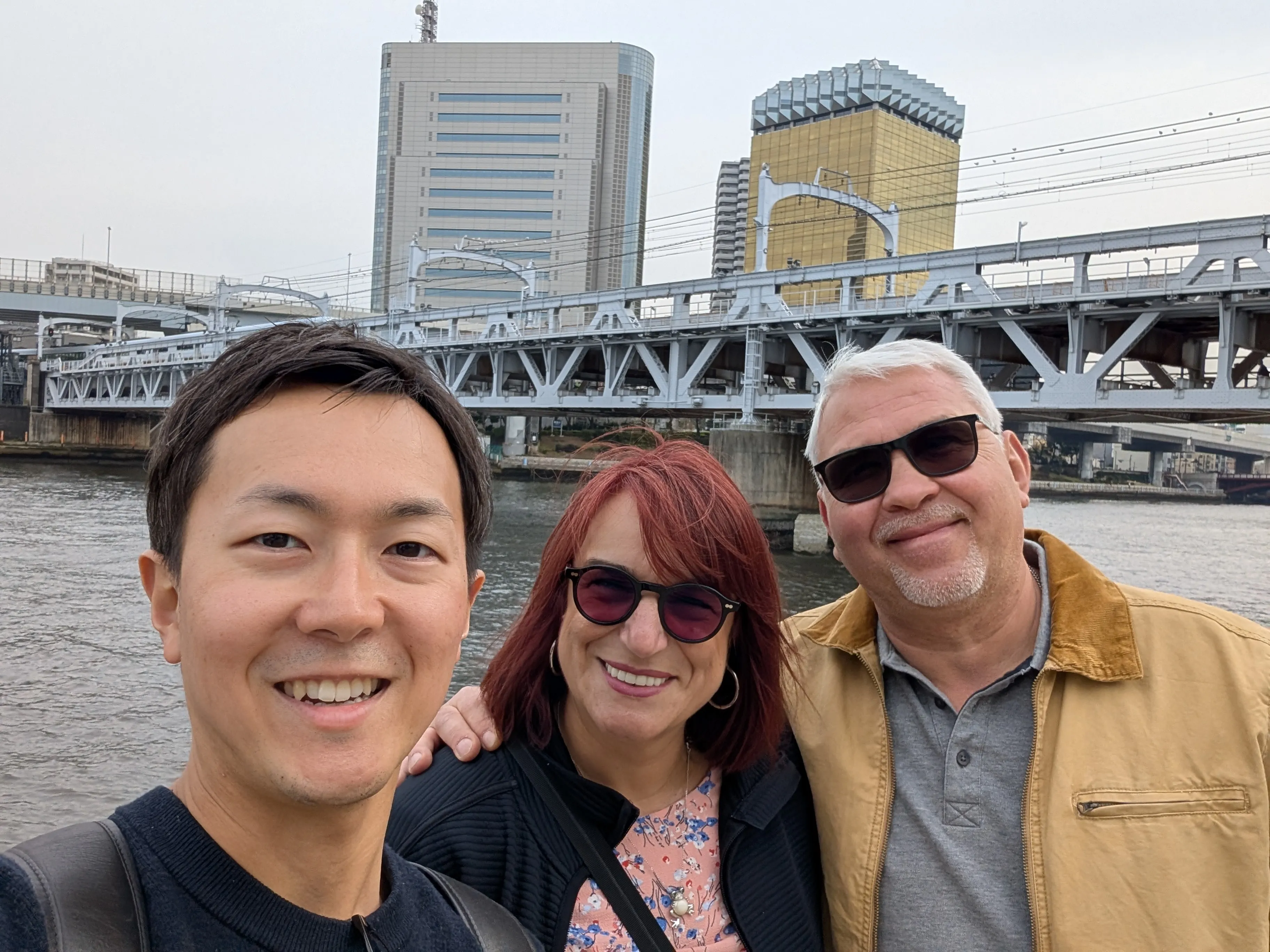
From Asakusa, take a scenic walk along the Sumida River toward Tokyo Skytree. The riverside promenade is one of Tokyo's most photogenic walks, with the traditional temple pagoda on one side and the futuristic Skytree tower on the other. In spring (late March to early April), this area is lined with cherry blossoms, and it's one of the best viewing spots in the city.
You don't need to go up the Skytree (long queues and expensive), but the views from the base and the surrounding Solamachi shopping complex are worth the 15-minute walk. The complex also has some excellent food options if you're getting hungry.
Lunch: Local Flavors Near Asakusa
For lunch, I recommend trying one of Asakusa's traditional soba (buckwheat noodle) restaurants or a tempura spot. Asakusa has been famous for tempura since the Edo period, and there are still family-run restaurants here that have been perfecting their craft for over a century. If you're adventurous, try monjayaki, Tokyo's version of the Osaka okonomiyaki pancake, messier but delicious.
Afternoon: Yanaka, Tokyo's Nostalgic Old Town
Take the train to Nippori Station (about 15 minutes) and step into Yanaka, one of the few Tokyo neighborhoods that survived both the 1923 earthquake and the WWII bombings. This is Tokyo as it used to be: narrow lanes, wooden houses, independent shops, and cats lounging on temple walls.
Walk down the Yanaka Ginza shopping street, where local vendors sell handmade goods, traditional snacks, and craft beer. Visit Tennoji Temple, wander through the atmospheric Yanaka Cemetery, and if the timing is right, watch the sunset from the famous Yuyake Dandan steps. It's truly a special moment.
Yanaka is a neighborhood that rewards slow exploration, and it's a place where most tourists never go. For the full experience, our Yanaka Walking Tour uncovers stories and spots you won't find in any guidebook.
Evening: Ueno Area & Ameyoko Market
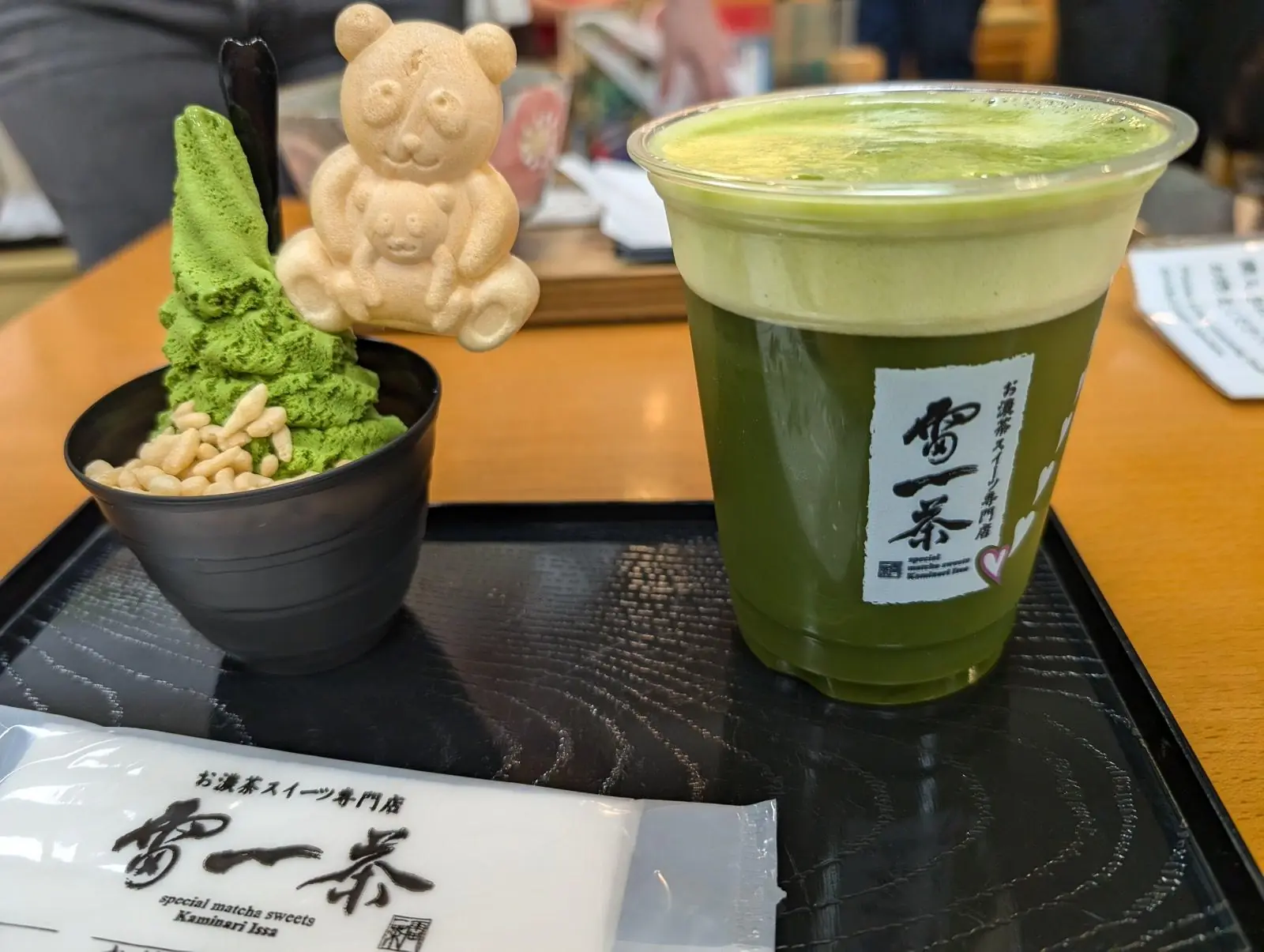
End your first day at Ameyoko, the lively market street near Ueno Station. Originally a post-war black market, it's now a bustling strip of food stalls, seafood vendors, and discount shops. Great for street food: try the fresh seafood bowls, grilled meats on sticks, or chocolate-covered strawberries. The energy here is infectious and it's a perfect way to end your first day.
If you're feeling adventurous, follow the side alleys that branch off the main market street. You'll find tiny izakaya (Japanese pubs) where office workers unwind after a long day, cheap and cheerful standing-bar spots, and some of the best value yakitori in the city. The area around the train tracks is especially atmospheric once the sun goes down and the lanterns come on. For visitors who love exploring food culture firsthand, our Tokyo Food Tour covers markets and backstreet eateries that visitors rarely find on their own.
Day 2: West Tokyo, Modern Culture & Energy
Morning: Meiji Shrine, Peace in the City
Start your second day at Meiji Shrine (Meiji Jingu), dedicated to Emperor Meiji and Empress Shoken. Arrive early (the shrine opens at sunrise) for the most peaceful experience. Walk through the towering torii gate and the 170-acre forest. It's hard to believe you're in the middle of Tokyo's busiest area. The forest was entirely planted by volunteers in the 1920s, with trees donated from every prefecture in Japan.
Watch for wedding ceremonies if you visit on weekends. You might catch a traditional Shinto wedding procession. The shrine also has a beautiful iris garden (best in June) and a sake barrel display that tells the story of Japan's relationship with wine and spirits.
Late Morning: Harajuku, Youth Culture Explosion
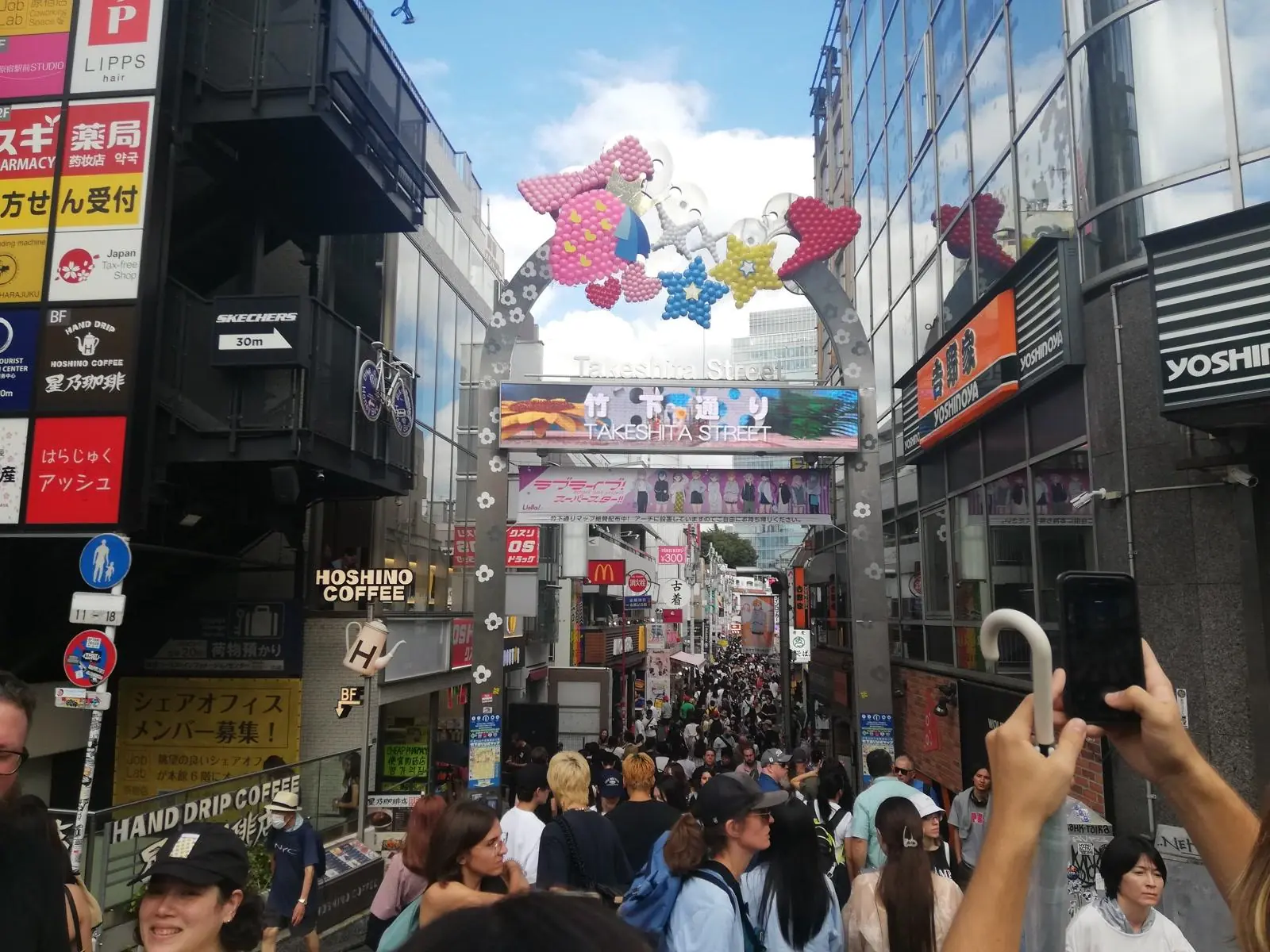
From Meiji Shrine's southern exit, you'll emerge directly onto Harajuku's famous Takeshita Street, one of the most dramatic transitions in Tokyo. In seconds, you go from a 100-year-old shrine forest to a neon-lit street packed with crepe shops, vintage clothing stores, and Japanese pop culture. See our Shibuya & Harajuku guide for all the insider tips.
Walk Takeshita Street for the sensory overload, then head to Omotesando, often called "Tokyo's Champs-Élysées," for world-class architecture by Tadao Ando, Kengo Kuma, and Toyo Ito. The contrast between Harajuku's kawaii culture and Omotesando's sleek sophistication tells you everything about Tokyo's ability to contain multitudes.
Our Shibuya & Harajuku Tour covers this area in depth, from hidden vintage shops to the stories behind Omotesando's architectural masterpieces.
Lunch: Shibuya Area
Head to Shibuya for lunch. Skip the chain restaurants and look for local spots in the back streets. I recommend trying a proper ramen shop (the wait is worth it) or a Japanese curry restaurant. Shibuya has some of the best in the city. If you want something quick and quintessentially Japanese, try a gyudon (beef bowl) at a counter restaurant. Fast, filling, and delicious.
Afternoon: Shibuya Crossing & Beyond
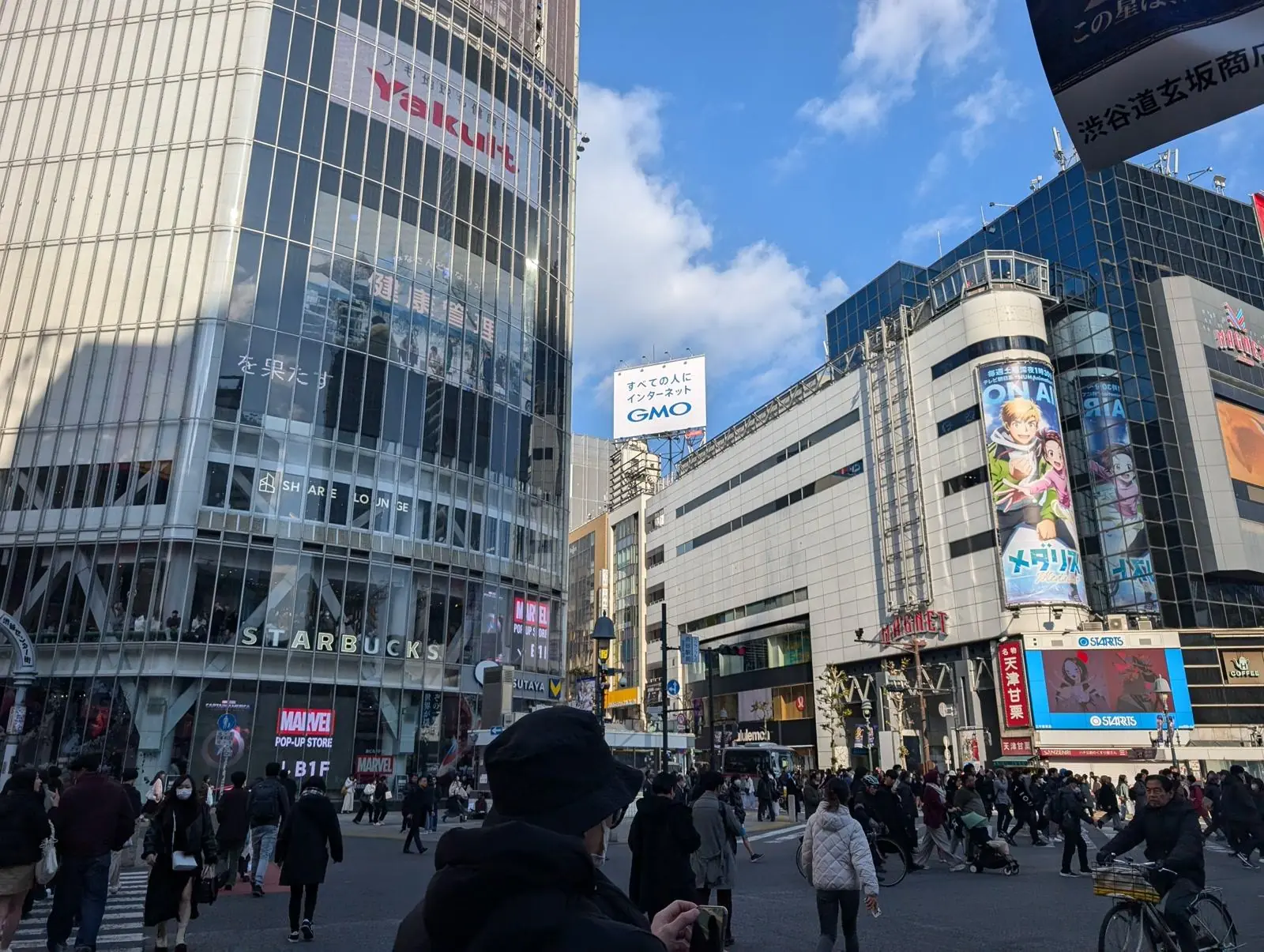
No Tokyo visit is complete without experiencing Shibuya Crossing, the world's busiest pedestrian intersection, where up to 3,000 people cross at once. Cross it yourself, then head to the Shibuya Sky observation deck or the Starbucks above the crossing for the best overhead views. Visit the Hachiko statue (the famous loyal dog) and explore Center-gai for a taste of Tokyo's vibrant street culture.
If you have energy left, walk through the quieter neighborhoods behind the main streets. Tomigaya and Kamiyamacho are local favorites with excellent cafes, independent bookshops, and small restaurants that most tourists never discover. Tomigaya in particular has become one of Tokyo's most interesting food neighborhoods, with tiny ramen shops, natural wine bars, and pastry cafes that draw locals from across the city. It's a 10-minute walk from the Shibuya scramble, but it feels like a completely different world.
Evening: Shinjuku Nightlife
End day two in Shinjuku, Tokyo's entertainment capital. For drinks, head to Golden Gai, a tiny network of over 200 small bars, each seating about 6-8 people. It's intimate, quirky, and a completely unique experience. Look for bars with English menus or "Foreigner Welcome" signs if you're nervous about the language barrier. Read our complete Shinjuku guide for more details on Golden Gai etiquette and the best food spots.
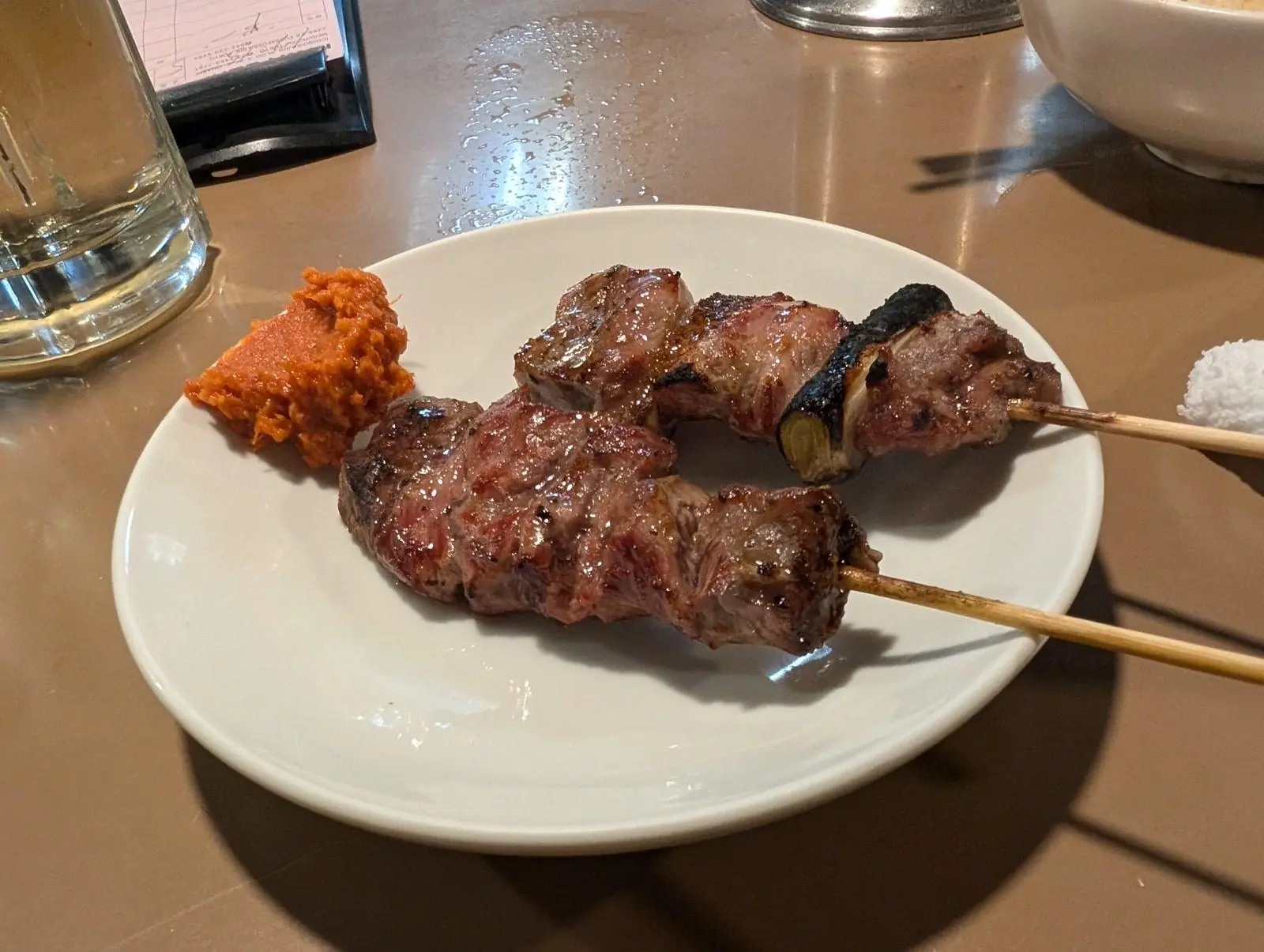
For dinner, try Omoide Yokocho ("Memory Lane"), a narrow alley of yakitori (grilled chicken) stalls that has been serving workers since the 1940s. It's smoky, crowded, and absolutely authentic. Grab a seat at a counter, order a few skewers and a beer, and watch the grill masters work their magic inches from your plate. The most popular stalls are the ones doing simple things perfectly: chicken thigh with salt, tsukune (chicken meatball) with egg yolk, and negima (chicken and leek). Vegetarians should note that options are limited here, but nearby Shinjuku has restaurants for every dietary need.
Day 3: Choose Your Adventure
Option A: Central Tokyo, Food, Gardens & History
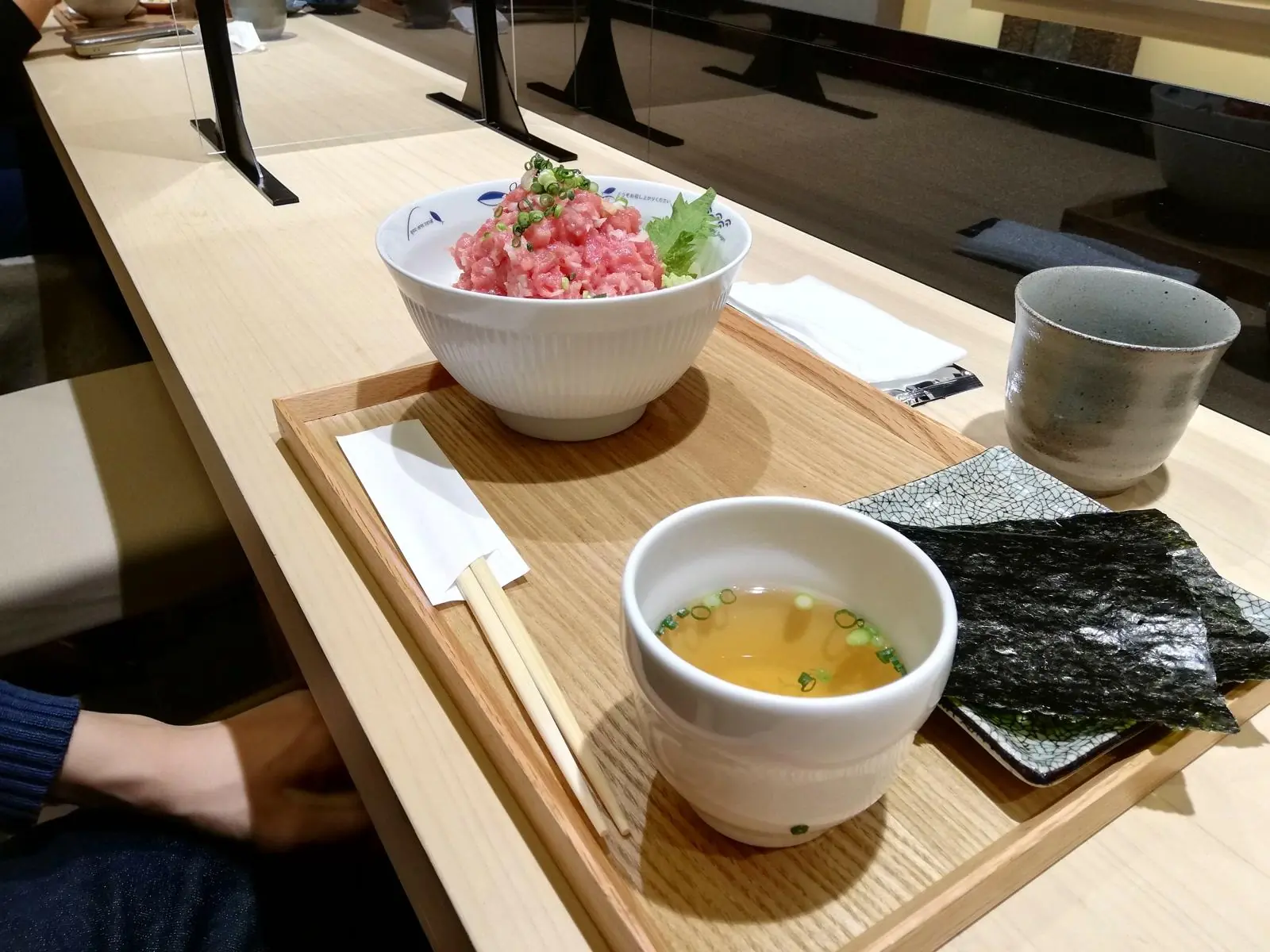
Morning: Tsukiji Outer Market. Even though the inner wholesale market moved to Toyosu, Tsukiji Outer Market is still the best food destination in Tokyo. Arrive by 8-9 AM for the freshest offerings: sushi for breakfast (yes, it's a thing), tamagoyaki (Japanese omelet), fresh oysters, and wagyu beef skewers. Take your time and graze. It's the best way to experience the market. Check our Tsukiji food lover's guide for what to eat and what to skip.
For a guided food exploration, our Tsukiji & Ginza Tour will help you navigate the best stalls and explain what you're eating.
Afternoon: Imperial Palace East Gardens. A peaceful contrast to the morning's market energy. These free-entry gardens were once the innermost circle of Edo Castle, the seat of Tokugawa shogunate power for over 250 years. The stone walls, moats, and garden design tell the story of samurai-era Japan. The Ninomaru Garden is particularly beautiful, with a traditional Japanese landscape garden that changes dramatically with the seasons. In spring, you'll find plum and cherry blossoms. In summer, irises and hydrangeas. Autumn brings fiery maples, and winter reveals the elegant bare structure of the pruned pine trees. Walk through to the Marunouchi business district to see Tokyo's modern skyline framed by ancient castle walls.
Explore the area in depth with our Imperial Palace Tour.
Evening: Ginza. End your Tokyo stay in Ginza, the upscale shopping district. Even if you're not shopping, the department store food halls (depachika) in the basement floors are worth visiting. They're culinary wonderlands of beautifully packaged Japanese sweets, bento boxes, and gourmet treats. Perfect for picking up edible souvenirs.
Option B: Day Trip from Tokyo
If you've covered central Tokyo and want to see more of Japan, a day trip is an excellent use of your third day. Each destination offers something completely different from Tokyo:
- Kamakura Ancient temples, the Great Buddha, and coastal charm. Just 1 hour from Tokyo by train. The most well-rounded day trip for first-timers. Best in June for hydrangeas or November for autumn leaves.
- Hakone Mt. Fuji views, hot springs, and a volcanic valley. Perfect for nature lovers and photographers. The transport system is complex, so a guide really helps here. Best October-February for Fuji visibility.
- Nikko UNESCO World Heritage Toshogu Shrine, dramatic waterfalls, and mountain lake scenery. Further from Tokyo (2 hours) but less crowded and deeply rewarding for history enthusiasts. The ornate carvings at Toshogu are unlike anything else in Japan, and the surrounding cedar forest adds a sense of grandeur you won't find in the city. October-November is spectacular for autumn foliage, and the Irohazaka winding road to Lake Chuzenji is one of the country's most scenic drives.
Can't decide? Read our detailed comparison: Kamakura vs Hakone vs Nikko: Which Day Trip Should You Choose?
Practical Tips for Your Tokyo Visit
Getting Around
Get a Suica or Pasmo IC card at any station. It works on all trains, subways, and buses in Tokyo. Just tap and go. You can also use it at convenience stores and vending machines. The Tokyo Metro and JR lines cover virtually everywhere you'll want to go, and Google Maps works perfectly for navigation in Japan.
Don't be intimidated by the train system. It's actually very intuitive once you understand that different companies operate different lines. Signs are in English, stations are announced in English, and trains are almost always on time. During rush hour (7:30-9 AM), avoid the busiest lines if possible, or travel in the opposite direction of commuter flow.
When to Visit
Tokyo is a year-round destination. Spring (March-May) brings cherry blossoms and pleasant weather. Summer (June-August) is hot and humid but offers festivals and fireworks. Autumn (October-November) has stunning foliage and comfortable temperatures. Winter (December-February) is cold but clear, with fewer tourists and beautiful illuminations.
Peak tourist seasons are cherry blossom season (late March to mid-April) and autumn foliage (mid-November to early December). Book accommodations and tours early during these periods. Golden Week (late April to early May) is a Japanese national holiday, and domestic travel peaks and some businesses close. For a detailed month-by-month breakdown, see our Best Time to Visit Tokyo guide.
Money Matters
Japan is still more cash-dependent than many countries, especially at small restaurants, temples, and markets. Carry at least ¥10,000-20,000 in cash. 7-Eleven and Post Office ATMs accept international cards reliably. Credit cards are increasingly accepted at larger establishments, but don't rely on them exclusively. Your IC card (Suica/Pasmo) is the most convenient payment method for small purchases.
Food & Dining
Tokyo has more Michelin-starred restaurants than any other city in the world, but some of the best meals you'll have cost under ¥1,000. Convenience stores (konbini) in Japan are genuinely good: onigiri, egg sandwiches, and fresh bento boxes make excellent budget meals. For sit-down dining, lunch sets (called "ranchi") are the best value, often half the price of the same restaurant's dinner menu with nearly identical food.
A few practical notes: most restaurants display plastic food models or photo menus outside, so you can see what you're ordering before you sit down. Many smaller restaurants use ticket vending machines at the entrance. Just insert coins or bills, press the button for what you want, and hand the ticket to the chef. It's faster and simpler than it sounds. Tipping is not practiced in Japan, at restaurants or anywhere else. The price on the menu is the price you pay, and excellent service is simply the standard.
Temple & Shrine Etiquette
At shrines: bow slightly before passing through the torii gate, walk on the sides (the center path is for the deity), purify your hands at the water basin, and bow-clap-bow when praying. At temples: remove shoes when entering buildings, don't point at statues, and speak quietly. Your guide will explain all customs in detail, but these basics will help you feel confident. For the full step-by-step guide, read our Temple & Shrine Etiquette guide.
The most important thing is simply to be respectful and observant. Japanese people are incredibly welcoming to tourists who show an interest in their culture, even if you don't get every custom perfectly right.
Want a local guide to bring this itinerary to life?
I'd love to help you experience the best of Tokyo. Whether you want to follow this itinerary or create something completely custom, let's make your trip unforgettable.