Shinjuku Station handles 3.5 million passengers daily, making it the busiest transport hub on the planet. If you arrive without a plan, it can feel genuinely overwhelming. The station alone has over 200 exits, and the streets above are a sensory assault of neon signage, rushing commuters, and competing loudspeaker announcements. But once you learn how Shinjuku is laid out and understand what each pocket of the district offers, this neighborhood transforms from chaotic obstacle into one of Tokyo's most rewarding areas to explore. I've been guiding visitors through Shinjuku for years, and it remains my favorite district to show people at night. There is simply nowhere else in the world quite like it.
This guide covers everything you need to navigate Shinjuku with confidence, from the skyscraper-lined west side to the entertainment-packed east side, from tiny Golden Gai bars to the serene beauty of Shinjuku Gyoen. I'll share the same tips I give my tour guests: where to go, what to skip, how much to budget, and the etiquette that will make your experience smoother.
Getting Oriented: Shinjuku's Two Sides
The key to understanding Shinjuku is knowing that the train tracks divide it into two completely different worlds. West Shinjuku is the business and government district, a grid of towering skyscrapers, corporate headquarters, and wide avenues that feel almost American in their scale. The Tokyo Metropolitan Government Building dominates the skyline here, and its twin observation decks on the 45th floor offer free panoramic views of the city. On clear days, you can see Mt. Fuji in the distance. This is also where you'll find the Park Hyatt Tokyo, made famous by the film Lost in Translation. The New York Bar on the 52nd floor is worth a visit for the view alone, though drinks start around ¥2,500 and there is a cover charge in the evening.
East Shinjuku is where the energy lives. Step out of the east exit and you're immediately pulled into a river of people flowing toward Kabukicho, Golden Gai, and the countless restaurants, izakayas, and entertainment venues that make this side of Shinjuku feel alive 24 hours a day. The east side is louder, messier, more colorful, and vastly more interesting for most visitors. If you only have one evening in Shinjuku, spend it here.
Navigation tip: Don't try to walk through the station to get from west to east. Use the south exit concourse. It connects both sides at street level and is far less confusing than the underground passages. Alternatively, the Southern Terrace exit near Takashimaya Times Square gives you a clear orientation point on the south side.
Golden Gai: The World's Most Intimate Bar District
Golden Gai is unlike anything else on Earth. Packed into six narrow alleys barely wide enough for two people to pass, you'll find over 200 tiny bars, most seating no more than six to eight people. These aren't sleek cocktail lounges; they're cramped, characterful, smoke-scented rooms presided over by a single bartender-owner, or "mama" or "master," who sets the rules, the music, and the atmosphere. Each bar has its own identity. Some specialize in jazz, others in horror movies, punk rock, photography, or simply conversation with the owner.
Etiquette matters here. Most bars charge a cover (typically ¥500-1,500), which is clearly posted on or near the door. This is standard practice, not a scam. The cover charge helps these tiny businesses survive on just a handful of customers per night. Always check the sign before entering. Some bars are regulars-only spots where the owner serves the same small group of friends night after night. These will sometimes have a sign indicating they're members-only or will simply feel unwelcoming. Don't force it. Move to the next door. Many bars now actively welcome tourists and display English menus or "Welcome" signs. Start with those if you're visiting for the first time.
Best time to visit: Weekday evenings between 8 PM and 10 PM. This window gives you the authentic atmosphere without the weekend crowds, and most bars will be open but not yet packed. Friday and Saturday nights after 10 PM can be extremely crowded, with lines forming outside the more popular spots. Budget around ¥1,000-2,000 per bar (cover charge plus one or two drinks), and plan to visit two or three bars over the course of an evening. That's the Golden Gai rhythm. You're not meant to spend all night in one place. The joy is in the hopping, the discovering, the random conversations with strangers in a space so small your elbows are touching.
One more thing: don't take photos inside without asking. Many bartenders and regulars prefer privacy. The narrow alleys themselves are fair game for photography, and they look spectacular at night with all the signs glowing, but step inside and you should ask first. It's a small gesture that goes a long way.
Planning a Shinjuku evening as part of a wider Tokyo nightlife day? My Best Tokyo Night Tour 2026 guide breaks down 4 districts (Shinjuku, Shibuya, Asakusa, Roppongi) with cost comparisons and Viator vs licensed-guide trade-offs.
Omoide Yokocho (Memory Lane)
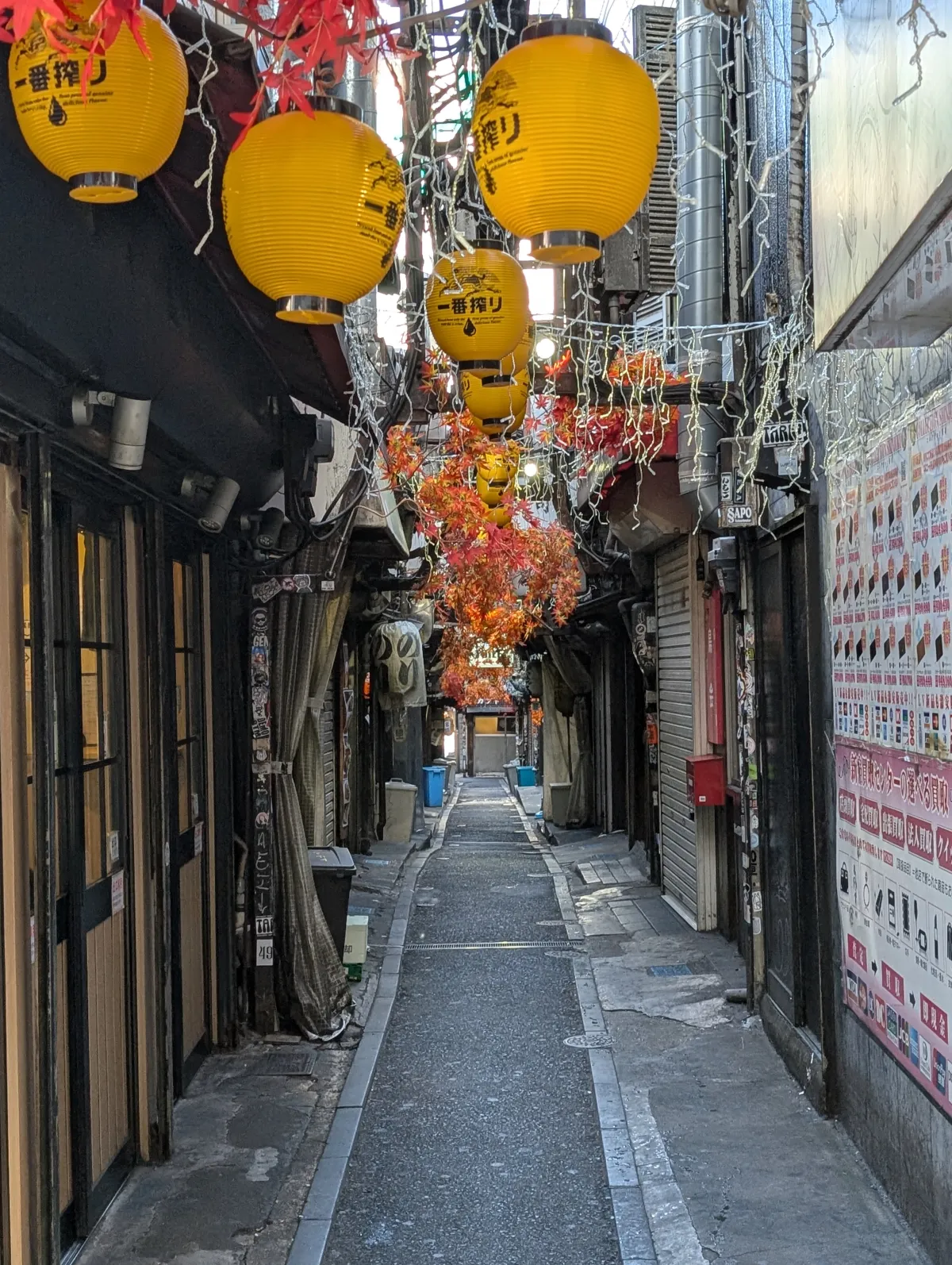
Tucked directly beside Shinjuku Station's west exit, Omoide Yokocho, also known by its less polite nickname "Piss Alley," is a narrow strip of yakitori stalls and tiny eateries that has survived since the post-war black market era of the 1940s. The atmosphere is the real draw here: smoke rising from charcoal grills, lanterns swaying overhead, the clatter of beer glasses, and the rumble of trains passing just meters above. At sunset, when the golden light filters through the steam and smoke, Omoide Yokocho is one of the most photogenic spots in all of Tokyo.
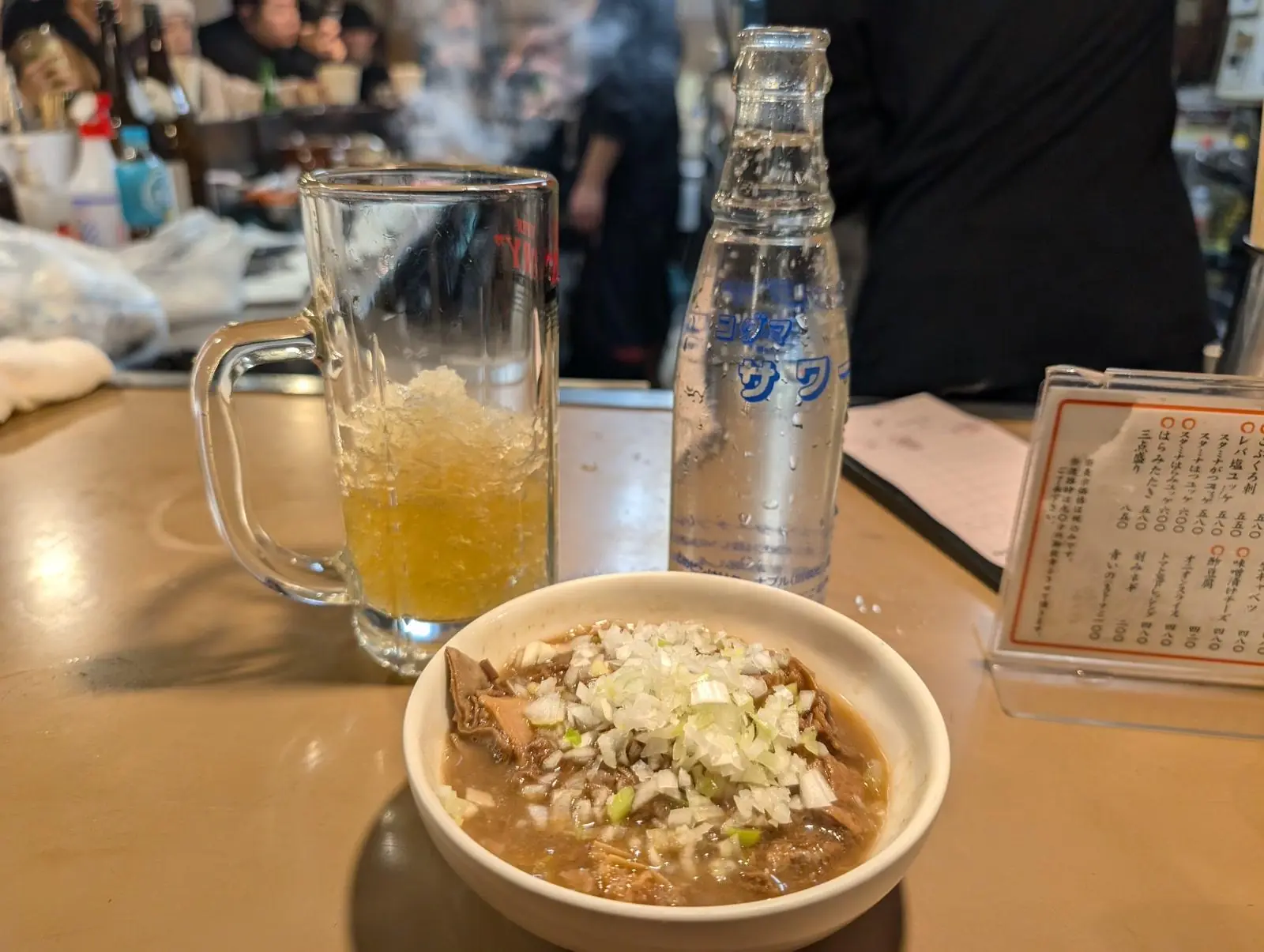
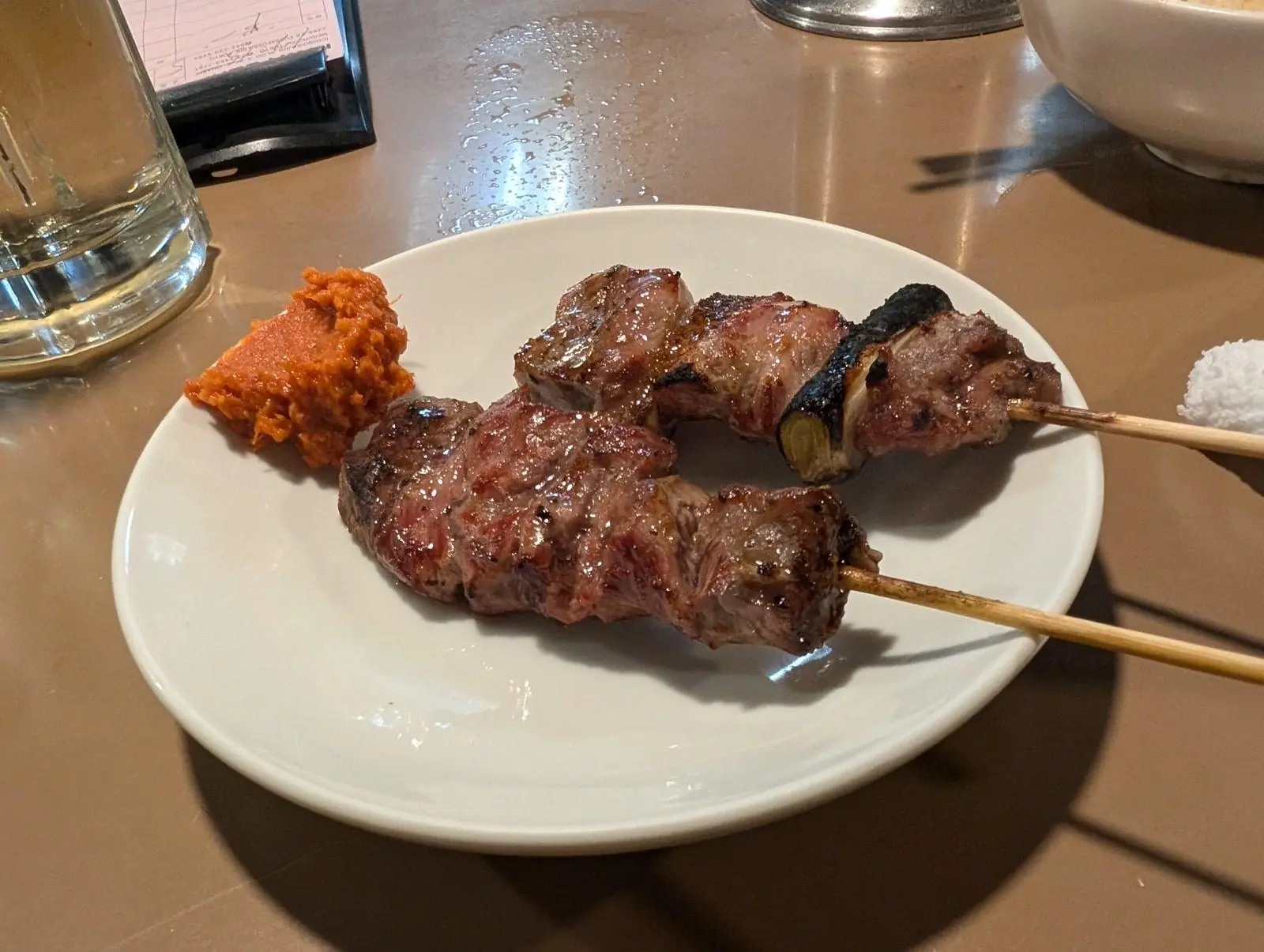
An honest assessment: The atmosphere is far better than the food. The yakitori is decent but not exceptional. You can find superior grilled chicken at dedicated yakitori restaurants elsewhere in Shinjuku for similar prices. What you're paying for here is the experience of eating elbow-to-elbow with salarymen on tiny stools, under bare light bulbs, in a setting that looks like a movie set from the 1950s. Is it worth it? Absolutely, just come with the right expectations. Order a beer, a few skewers of chicken skin and tsukune (chicken meatball), and soak in the ambiance. Budget around ¥1,500-2,500 per person for a few skewers and drinks.
Timing: Visit around 5-6 PM to grab a seat easily and catch the sunset light. By 7 PM, the most popular stalls are packed and you may have to wait. Late at night (after 10 PM), it thins out again and takes on a different, quieter charm.
Shinjuku Gyoen: An Unexpected Oasis
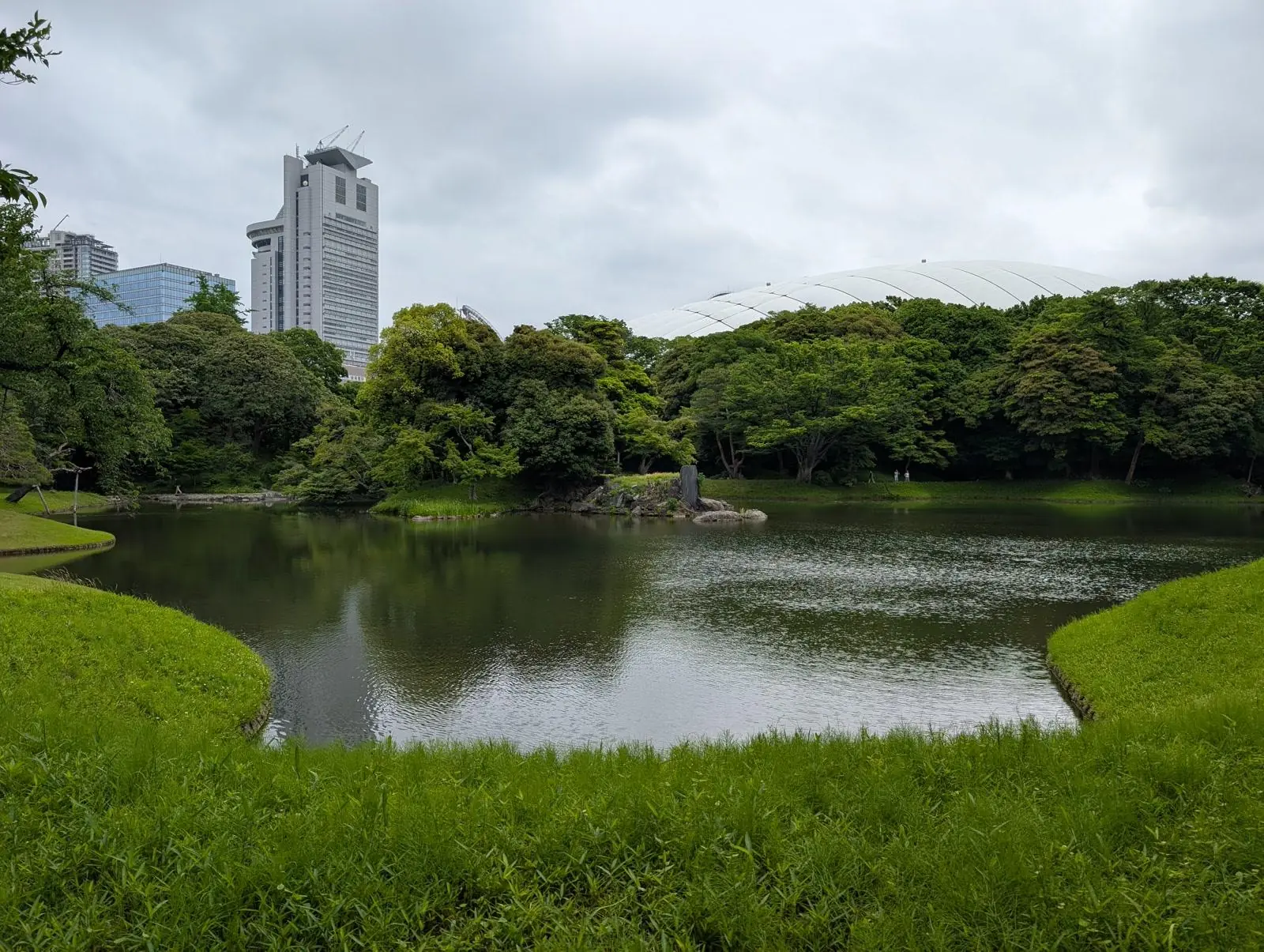
It seems impossible that one of Tokyo's most beautiful gardens sits just a ten-minute walk from the chaos of Kabukicho, but that contrast is part of what makes Shinjuku Gyoen special. Originally a feudal lord's residence during the Edo period, then an imperial garden, Shinjuku Gyoen opened to the public after World War II and now spans 144 acres of meticulously maintained landscapes. The park blends three distinct garden styles: formal French, English landscape, and traditional Japanese, each flowing into the next so naturally you barely notice the transitions.
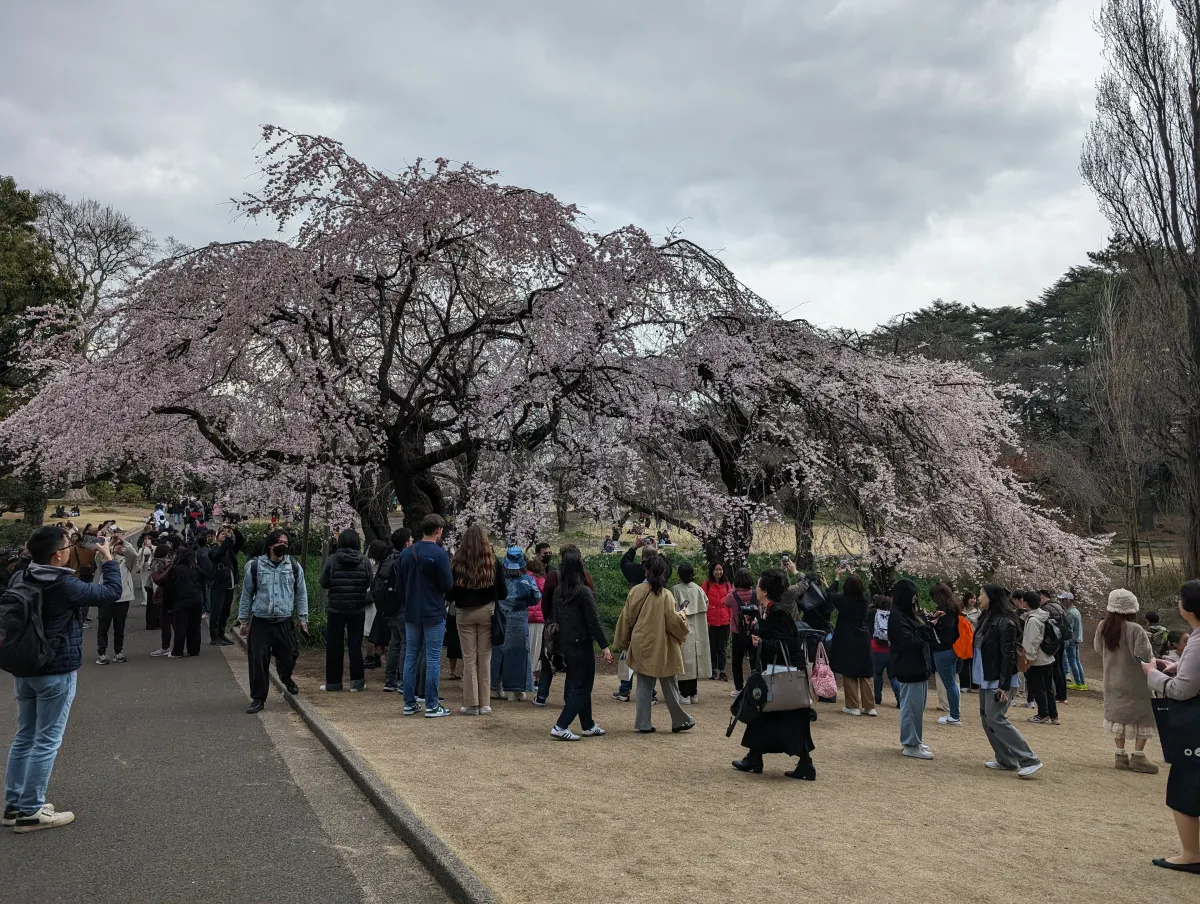
Cherry blossom season is when Shinjuku Gyoen truly shines. While Ueno Park draws massive crowds that can feel more like a music festival than a hanami (flower viewing) experience, Shinjuku Gyoen enforces a strict no-alcohol policy and limits entry when capacity is reached. The result is a far more peaceful blossom-viewing experience. The park also has over a dozen cherry tree varieties that bloom at different times from mid-March through late April, giving you a longer viewing window than most other spots in the city.
Entry is ¥500 for adults, and the park is closed on Mondays (or the following day if Monday is a holiday). Hours vary by season but generally run from 9 AM to 4:30 PM (last entry at 4 PM). Bring a bento from a nearby convenience store or depachika and have lunch on the great lawn. It's the perfect midday break from Shinjuku's intensity. The greenhouse near the main gate houses an impressive tropical plant collection if you want to extend your visit.
Kabukicho: Tokyo's Entertainment Capital
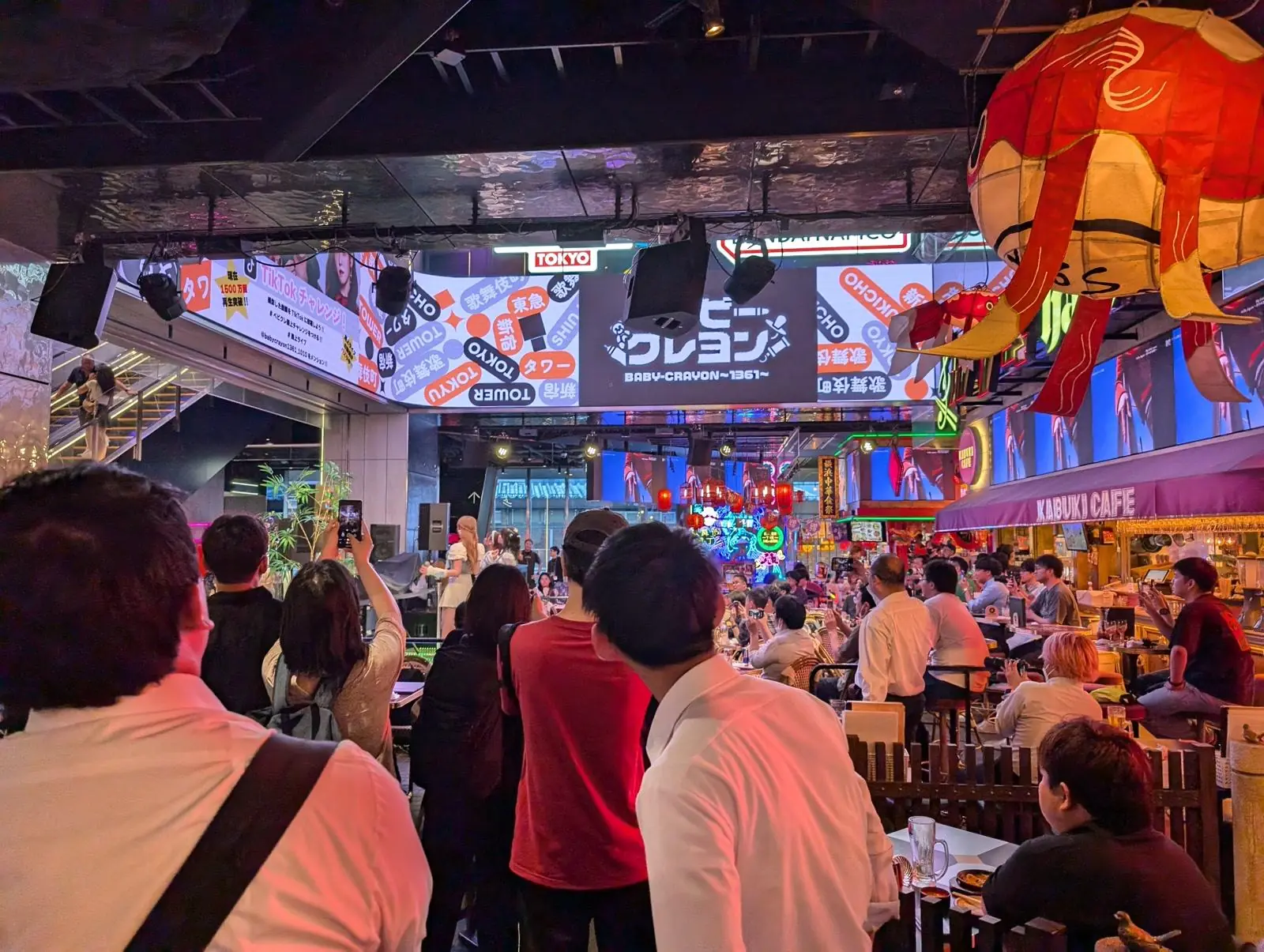
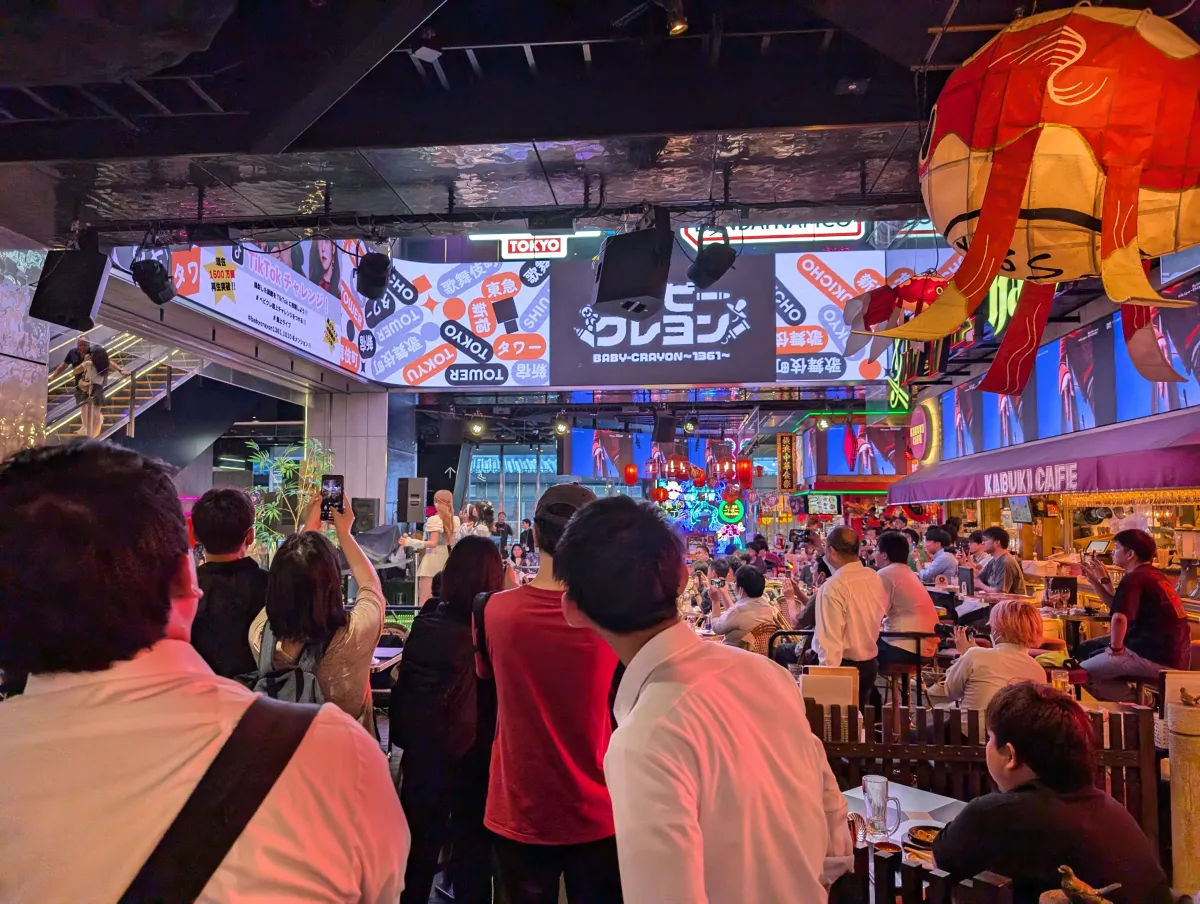
Kabukicho is Shinjuku's entertainment district, and it wears its reputation loudly. The giant neon gateway arch, the towering video screens, the competing sounds from pachinko parlors and karaoke chains. It's Tokyo at maximum volume. Despite its somewhat seedy reputation, Kabukicho is generally safe for tourists, even late at night. The area has been heavily cleaned up in recent years, with increased police presence and the development of family-friendly entertainment complexes.
Scams to watch for: The main risk in Kabukicho comes from touts, people on the street trying to lure you into bars or clubs. The rule is simple: if someone approaches you on the street, decline and keep walking. Legitimate establishments don't need to recruit customers from the sidewalk. Be especially cautious of anyone offering "free" drinks or suspiciously cheap deals. These almost always lead to inflated bills. Stick to places you've researched in advance or that have clearly posted prices, and you'll be fine.
For entertainment, the area has plenty of legitimate and fun options. The Godzilla head perched atop Hotel Gracery is a must-see landmark. The best view is from the street below or from the hotel's terrace cafe on the 8th floor, where you can get remarkably close to the beast. Karaoke is also a quintessential Kabukicho experience. Large chains like Big Echo and Karaoke Kan (the one from Lost in Translation) offer private rooms at reasonable rates, especially during daytime and early evening happy hours. If you've heard of the Robot Restaurant, note that it closed permanently in 2021. The space has been replaced by other entertainment venues, but nothing quite matches the original's controlled absurdity.
Where to Eat in Shinjuku
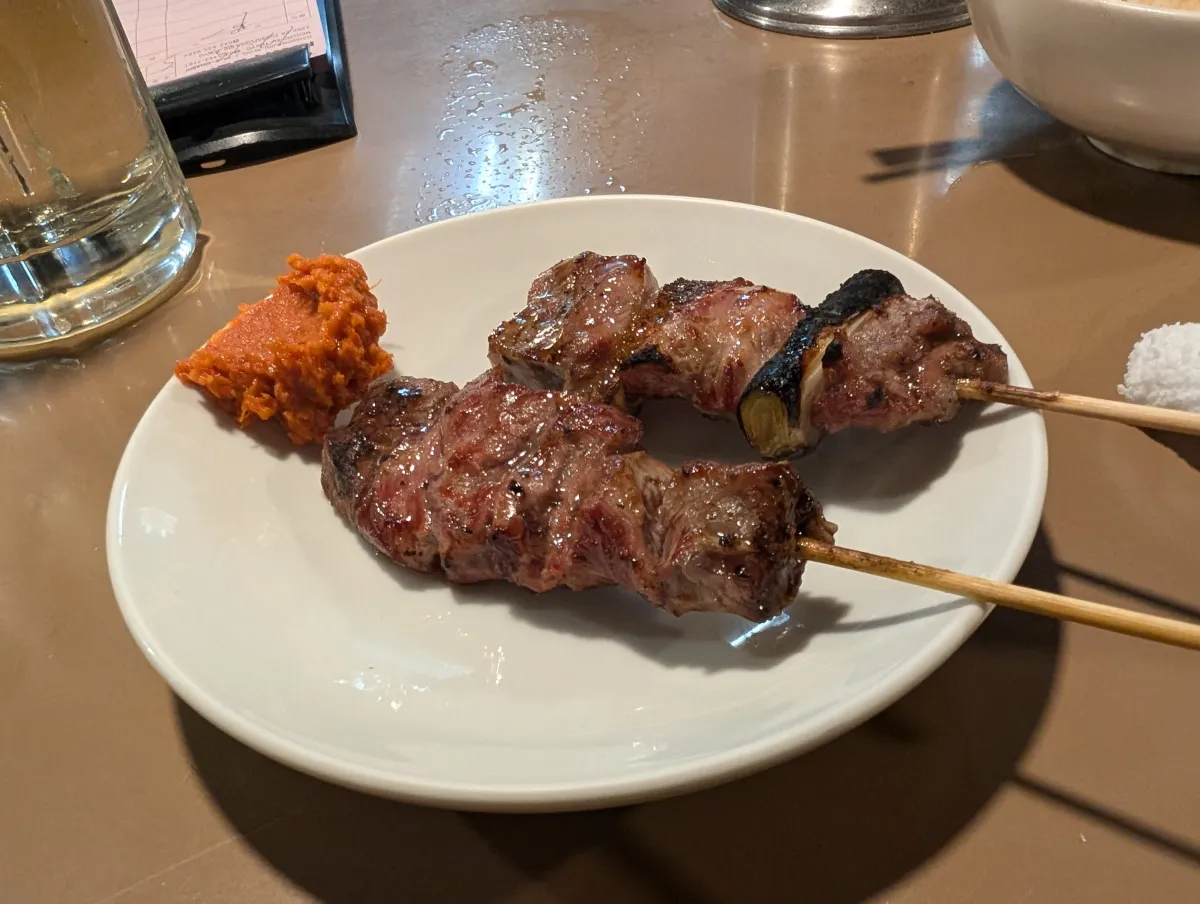
Shinjuku has thousands of restaurants, which makes choosing one both exciting and paralysing. Here are my top recommendations by category to help you narrow it down.
Department Store Basement Food Halls (Depachika)
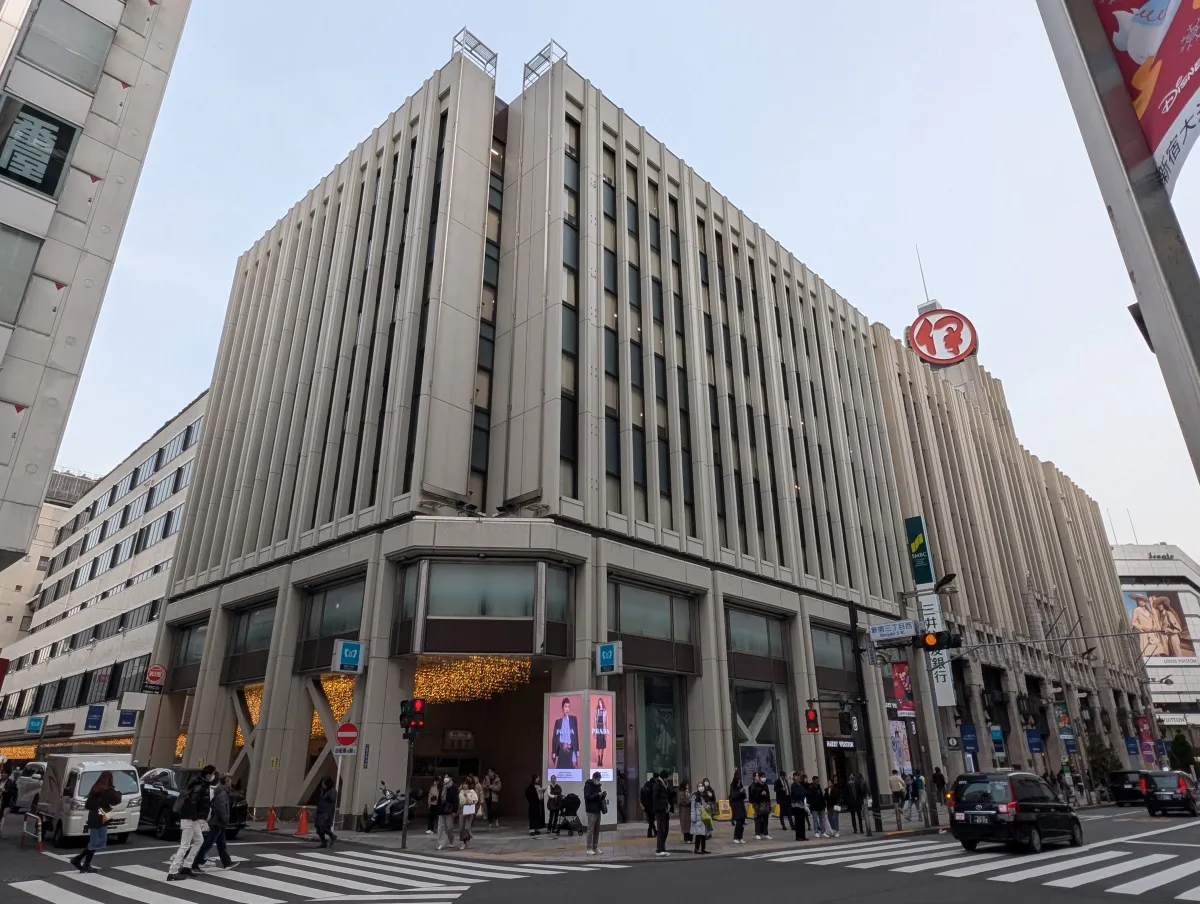
The basement floors of Isetan, Takashimaya, and Odakyu department stores are culinary wonderlands that most tourists walk right past. Japanese department store food halls, called depachika, stock an extraordinary range of prepared foods, bento boxes, wagashi (traditional sweets), fresh produce, and gourmet treats, all presented with the kind of care and artistry that makes you feel guilty eating them. Isetan's basement in particular is legendary among food lovers. Prices are reasonable for the quality. A beautifully composed bento box runs ¥800-1,500, and you can assemble an incredible picnic for Shinjuku Gyoen without spending much at all. Visit around 6-7 PM for discounted items as stalls mark down unsold food before closing.
Ramen and Noodles
Shinjuku is ramen territory. Rather than heading straight for the well-known "ramen streets" that can have hour-long waits and cater heavily to tourists, seek out standalone shops on the side streets east of the station. Fuunji, located near the south exit, is famous for its concentrated tsukemen (dipping noodles) and draws a constant line, but it moves fast and the bowl is worth the wait. For a more traditional Tokyo-style shoyu (soy sauce) ramen, the shops in the alleys behind the east exit offer the real deal at honest prices, usually ¥900-1,200 per bowl.
Late-Night Options
One of Shinjuku's greatest strengths is that it never truly closes. After midnight, when the trains stop running and the crowds thin slightly, Shinjuku's late-night dining scene comes alive for a different audience: bartenders finishing their shifts, night workers, and night owls who know that some of the best food appears after dark. Izakayas (Japanese pub-style restaurants) throughout east Shinjuku serve food until 2-3 AM or later. The 24-hour gyudon (beef bowl) chains like Matsuya and Yoshinoya are reliable, cheap, and surprisingly satisfying at 3 AM. For something more special, look for late-night sushi counters and ramen shops that cater to the post-drinking crowd, and the quality is often excellent because the clientele is discerning.
Budget Tips
- Ticket machines: Many ramen shops and casual restaurants use vending machine ordering. Buy your ticket at the machine by the door, hand it to the staff, and sit down. No Japanese required, most machines have photos.
- Lunch sets: Visit high-end restaurants at lunch instead of dinner. Many offer lunch courses at 30-50% of dinner prices with the same kitchen and quality.
- Convenience stores: Don't overlook 7-Eleven, Lawson, and FamilyMart for genuinely good onigiri (rice balls), sandwiches, and hot foods. Japanese convenience store food is in a league of its own.
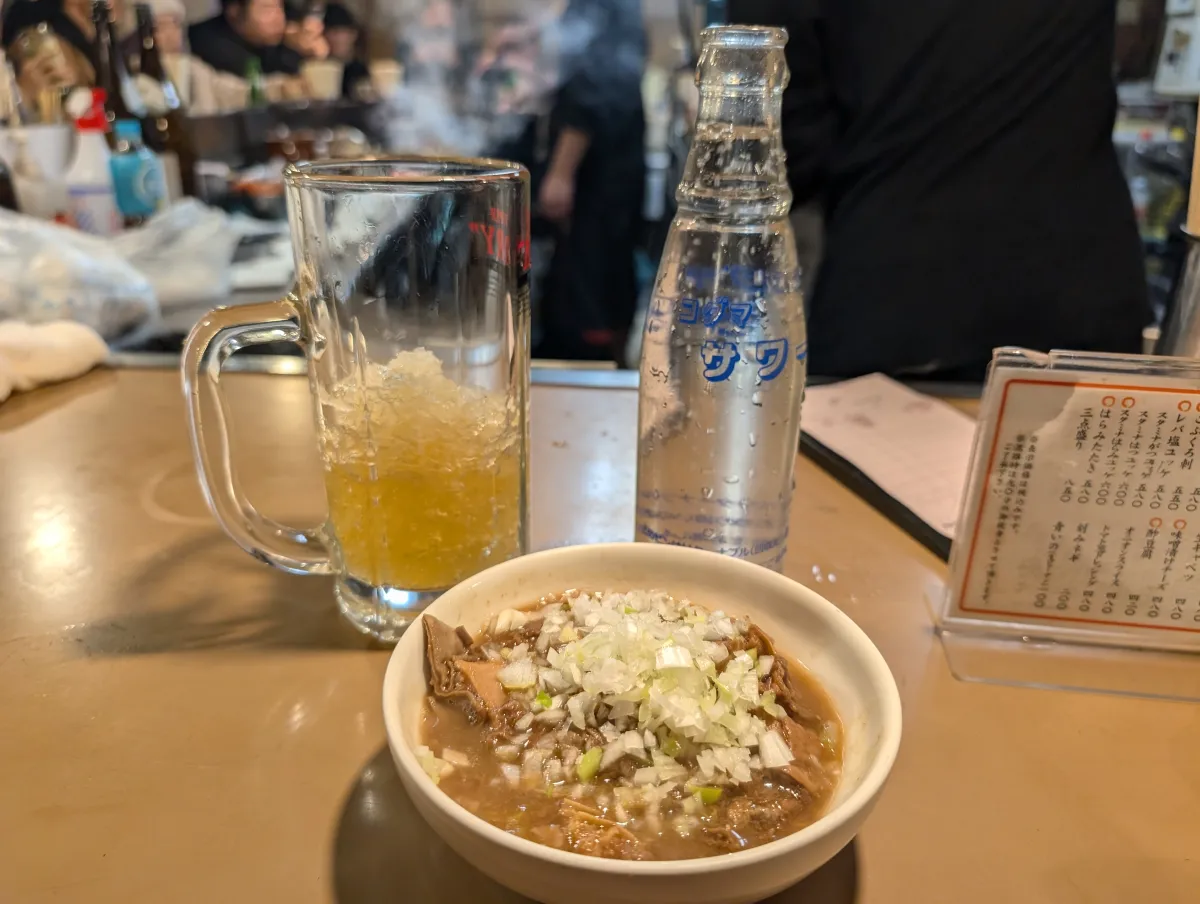
- Standing bars (tachinomi): These no-seat bars near the station offer drinks and small plates at rock-bottom prices, a beer and a snack for under ¥500.
Practical Tips for Visiting Shinjuku
- Station navigation: Use the east exit for Golden Gai, Kabukicho, and nightlife. Use the west exit for the government building and skyscrapers. Use the new south exit for Takashimaya Times Square and Shinjuku Gyoen.
- Last train: Trains stop around midnight. Check your last train time before heading out for the evening. If you miss it, you have three options: a taxi (expensive, ¥3,000-10,000 depending on distance), a manga cafe or capsule hotel (¥1,500-3,000 to rest until the 5 AM first train), or simply staying out all night. Shinjuku is one of the few places in Tokyo where this is entirely viable.
- Best time of day: Visit Shinjuku Gyoen in the morning, explore the department stores and food halls in the afternoon, hit Omoide Yokocho at sunset, and save Golden Gai and Kabukicho for after dark. This sequence follows the natural rhythm of the district.
- Free observation deck: The Tokyo Metropolitan Government Building observation decks are open until 11 PM (north tower) and 5:30 PM (south tower). No reservation needed, no entry fee. The night view from the north tower is genuinely stunning and rivals paid observation decks across the city.
Shinjuku by Time of Day: A Local's Schedule
One of the most common questions I get from tour guests is: "When should I visit Shinjuku?" The answer depends entirely on what you want to experience. Here's how I'd plan a full day if I were visiting for the first time.
Morning (7:00–9:00 AM): Shinjuku Gyoen Morning Walk
Start your day with the calm before the storm. Shinjuku Gyoen opens at 9 AM (but the surrounding area is quiet and pleasant for an early walk). Arrive right when the gates open to enjoy the gardens in near-solitude. The contrast with the chaos you'll experience later makes this especially rewarding. The morning light through the Japanese garden is perfect for photography, and you'll have the wide lawns almost to yourself.
Midday (12:00–2:00 PM): Depachika Lunch Strategy
Head to the basement floor of Isetan or Takashimaya department stores for the depachika experience. The trick is timing: arrive just before the lunch rush (around 11:30 AM) or slightly after (1:30 PM) for the best selection without crowds. Assemble a bento box and side dishes for a fraction of restaurant prices. If the weather is good, take your depachika haul back to Shinjuku Gyoen for a picnic. This is exactly what many Tokyo office workers do, and it's one of the most pleasant lunch experiences in the city.
Late Afternoon (5:00–7:00 PM): Omoide Yokocho at Golden Hour
This is the magic window for Omoide Yokocho. The yakitori stalls are firing up, the after-work crowd is just starting to trickle in, and the setting sun casts that perfect warm light through the smoke and steam. Grab a stool at one of the open-front stalls, order a beer and a few skewers, and watch the transition from day to night. The atmosphere at this hour is unmatched: bustling but not yet overwhelming, authentic and full of character.
Evening (7:00 PM onwards): Kabukicho and Golden Gai
As darkness falls, Shinjuku transforms. The neon signs come alive, and the energy shifts from daytime commerce to nighttime entertainment. Start with a walk through Kabukicho to take in the sensory spectacle: the giant Godzilla head, the towering screens, the buzzing crowds. Then head to Golden Gai around 8–9 PM when the bars are open but not yet packed. End the evening with late-night ramen at one of the side-street shops east of the station. The perfect Shinjuku day ends with a steaming bowl of noodles around 11 PM.
Shinjuku's Hidden Spots That Most Tourists Miss
After years of guiding tours through Shinjuku, I've collected a set of spots that never appear in the standard guidebooks but consistently surprise and delight my guests. Here are my favorites.
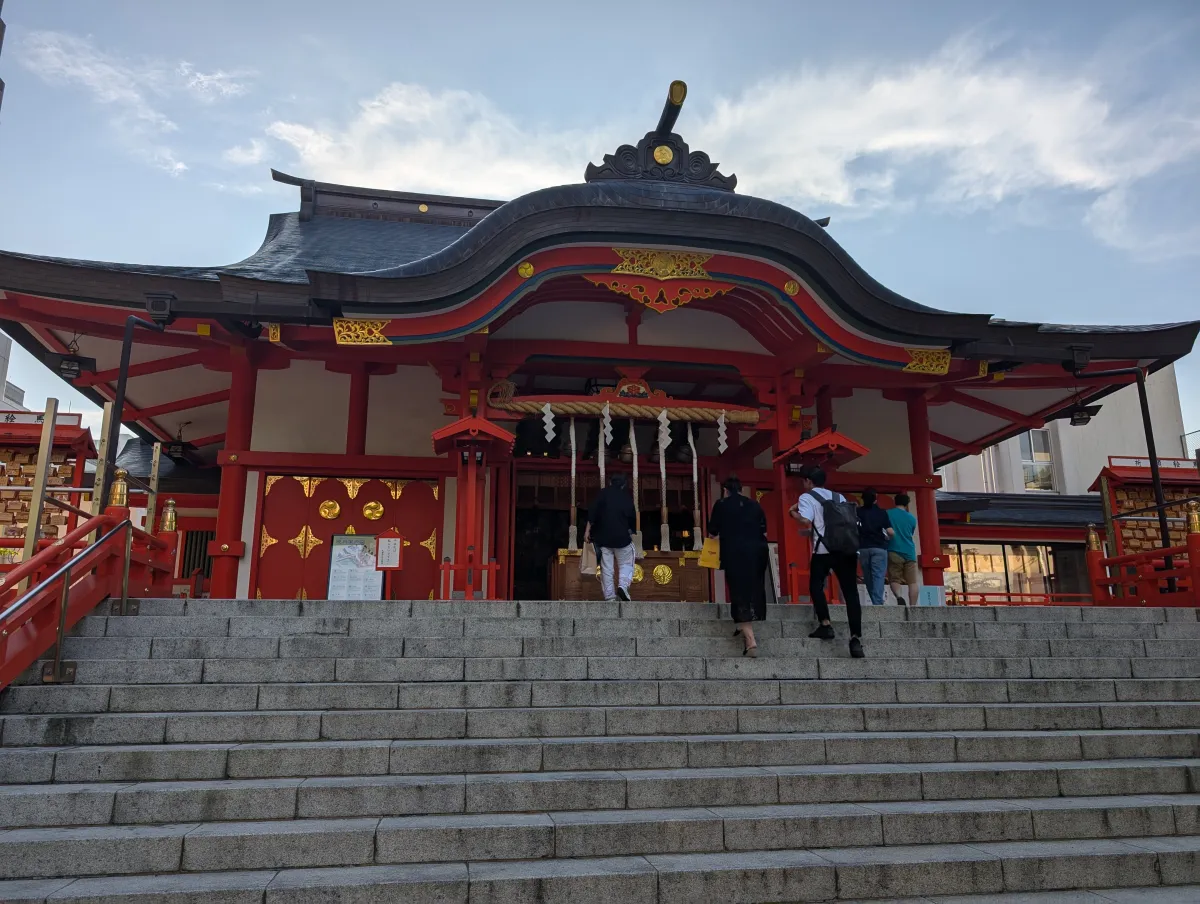
- Hanazono Shrine at night. Tucked right behind Kabukicho's neon chaos, Hanazono Shrine is a pocket of serenity that most tourists walk right past. The shrine is illuminated at night with soft red lanterns, creating a surreal contrast with the entertainment district just meters away. Visit after 8 PM for the full effect. You'll go from sensory overload to peaceful contemplation in about 30 seconds. The shrine is also the site of a popular flea market on Sundays.
- The Tokyo Metropolitan Government Building South Observatory at sunset. Most visitors know about the free observation decks, but few realize the south tower closes at 5:30 PM while the north tower stays open until 11 PM. The strategic play is to visit the south tower around 4:30 PM for the west-facing sunset views (Mt. Fuji on clear days), then walk over to the north tower after dark for the night cityscape. Two observation decks, two completely different experiences, zero cost.
- The underground passage from Shinjuku-sanchome Station. Rather than navigating the chaos of Shinjuku Station, savvy locals use the Marunouchi Line's Shinjuku-sanchome Station, which has a direct underground connection to Isetan department store and emerges in a much calmer part of east Shinjuku. This single tip can save you 15 minutes of confused wandering through the main station.
- The rooftop garden at Takashimaya Times Square. On the upper floors of Takashimaya, there's a small rooftop terrace that offers a completely different perspective of Shinjuku's skyline. Almost no tourists know about it. Take the elevator to the top floor, find the exit to the terrace, and enjoy a quiet moment above the chaos. Best visited in the late afternoon.
- Nishi-Shinjuku's camera district. The streets immediately west of Shinjuku Station (before you reach the skyscraper area) are home to several second-hand camera shops like Kitamura Camera, Map Camera, and others. Even if you're not buying, browsing these shops is a uniquely Japanese experience, with pristine vintage cameras and lenses displayed like jewelry. Photographers on my tours always thank me for this detour.
Shinjuku vs. Shibuya: Which Should You Visit?
This is one of the most frequent questions I hear from visitors planning their Tokyo itinerary. Both districts are iconic, but they offer very different experiences. Here's my honest comparison.
- For food and nightlife: Shinjuku wins. Golden Gai, Omoide Yokocho, and the sheer density of restaurants and bars make Shinjuku the superior evening destination. Shibuya has good dining options, but Shinjuku's variety and atmosphere are unmatched.
- For shopping: Shibuya edges ahead, especially for fashion. Shibuya 109, the Miyashita Park complex, and nearby Harajuku's Takeshita Street offer a younger, trend-forward shopping experience. Our Shibuya & Harajuku tour covers the best of this area. Shinjuku's department stores (Isetan, Takashimaya) are better for upscale and luxury shopping.
- For Instagram-worthy moments: Shibuya has the famous Scramble Crossing, which is worth seeing at least once. Shinjuku's neon-lit alleys (Golden Gai, Kabukicho entrance) offer equally dramatic photos but with a grittier, more atmospheric quality.
- For green space: Shinjuku wins easily with Shinjuku Gyoen. Shibuya has Yoyogi Park and Meiji Shrine's forest nearby, but Shinjuku Gyoen is the superior garden experience.
My recommendation if you're visiting both: Visit Shibuya and Harajuku during the day (they connect naturally), then head to Shinjuku in the late afternoon and spend the evening there. The two areas are only one stop apart on the JR Yamanote Line, making this combination easy and efficient.
Why Hire a Guide in Shinjuku: What I Actually Show Clients
When I bring private tour clients to Shinjuku, I don't just show them the neon signs and say "here's the famous crossing." I show them why Shinjuku looks the way it does, and how it connects to the rest of Tokyo's story.
Shinjuku is pure Yamanote, the "high city" side of Tokyo's ancient class divide. While the neighborhoods I cover in my Tokyo hidden gems guide represent old Shitamachi merchant culture, Shinjuku represents what happened when those merchant traditions met 20th-century capitalism. The department stores, the entertainment district, the sheer commercial intensity: this is the energy of Edo-period merchants channeled through modern Japanese ambition.
Understanding this context changes how you see Shinjuku. Golden Gai isn't just "a cool bar alley." It's the last surviving fragment of the black market economy that sprang up after WWII, when this area was bombed flat and rebuilt by entrepreneurs with nothing to lose. Omoide Yokocho isn't just "a food alley." It's a memory of post-war street vendors who fed a starving city and never left. When I explain this history to my clients, Shinjuku stops being overwhelming and starts being fascinating.
If you're building a 5-day Tokyo itinerary, I recommend saving Shinjuku for the evening of Day 3 or later, after you've already seen old Tokyo in Asakusa and Yanaka. The contrast makes Shinjuku's modern energy far more striking.
Trying to decide between Shinjuku, Shibuya, and Harajuku for a limited itinerary? I break down how to allocate time across all three in Harajuku vs Shibuya vs Shinjuku: Which Fits Your Trip.
Getting Around Shinjuku: The Station Survival Guide
Shinjuku Station is officially the world's busiest railway station, handling over 3.5 million passengers daily. It's served by JR East, Odakyu, Keio, Tokyo Metro, and Toei Subway, with over 200 exits connecting to an underground maze of shopping corridors. Even Tokyo locals sometimes get lost here. Here's how to navigate it like a pro.
The Four Key Exits
- East Exit (東口 / Higashi-guchi): Use this for Kabukicho, Golden Gai, Hanazono Shrine, and east Shinjuku's restaurant scene. This is the exit you'll use most for nightlife and dining.
- West Exit (西口 / Nishi-guchi): Use this for the Tokyo Metropolitan Government Building (free observation decks), the skyscraper district, Omoide Yokocho, and hotel clusters. The west side is calmer and more corporate.
- South Exit (南口 / Minami-guchi): Use this for Takashimaya Times Square, the Southern Terrace walkway, and access to Shinjuku Gyoen (about a 10-minute walk). The south exit area is a good meeting point because it has clear landmarks and open space.
- New South Exit (新南口 / Shin-minami-guchi): Use this for the Shinjuku Expressway Bus Terminal (Busta Shinjuku), which handles highway buses to destinations across Japan. Also useful for accessing the Shinjuku Gyoen area from a slightly different angle.
Survival Tips for the Station
- Follow the colored signs. Each railway company uses a different color (JR is green, Odakyu is blue, Keio is pink/red, Metro is various colors by line). Follow the color you need and ignore everything else.
- Use Google Maps indoor navigation. Google Maps has detailed indoor maps of Shinjuku Station. Enter your destination and it will guide you to the correct exit. This alone can save you 20 minutes of wandering.
- Avoid rush hour. Between 7:30–9:00 AM and 5:30–7:30 PM, the station becomes a tidal wave of commuters. If possible, time your transit to avoid these windows. The station is much calmer (and more navigable) outside peak hours.
- When lost, go up. If you're disoriented underground, find any staircase going up and exit to street level. Once above ground, you can reorient using the skyscrapers (west) or the neon signs (east) as landmarks, and re-enter the station through the correct entrance.
Want to explore Shinjuku with an expert guide who knows every hidden corner?
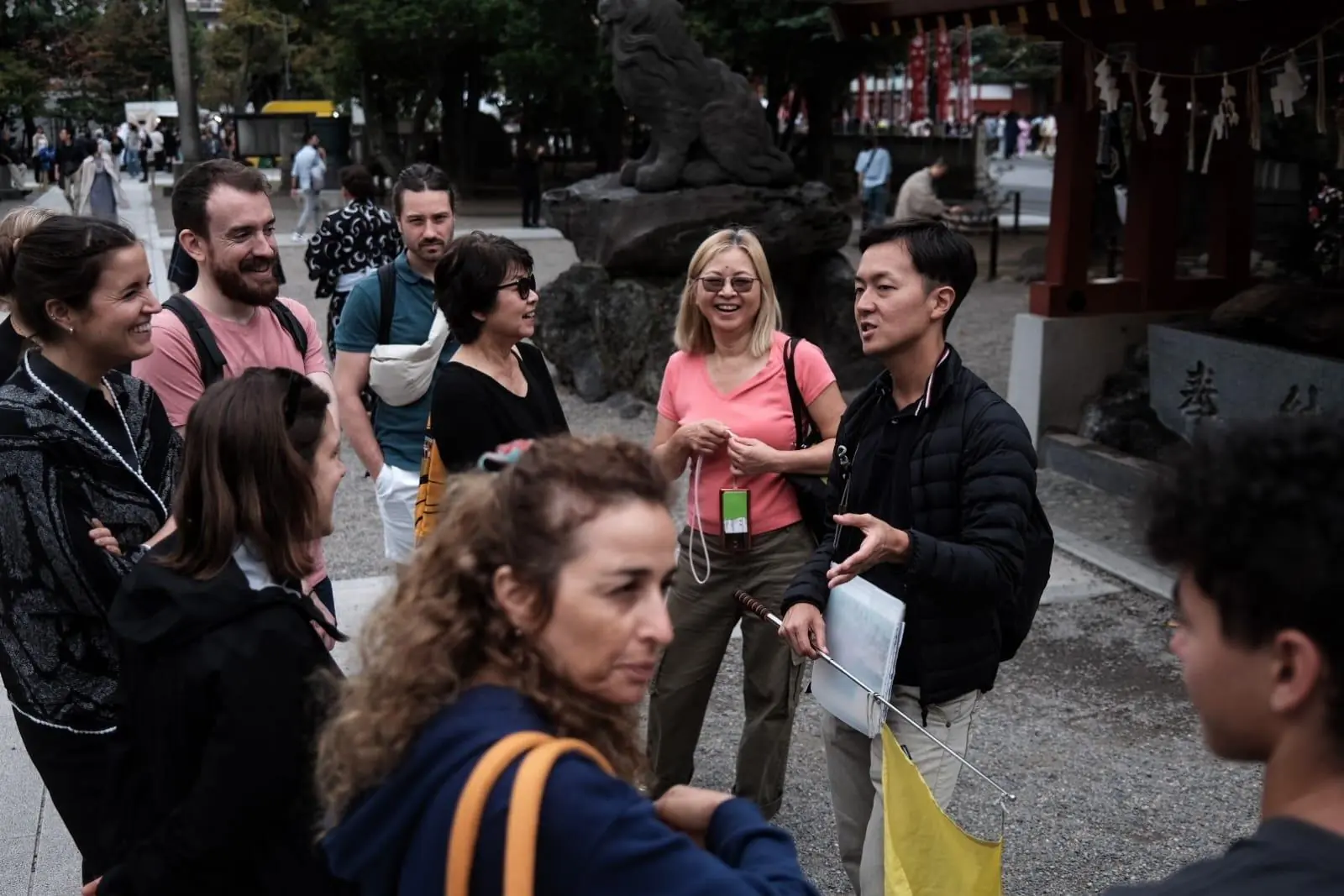
Shinjuku is best experienced with a local guide who can navigate the hidden alleys, introduce you to welcoming bar owners in Golden Gai, and steer you away from tourist traps. Whether you want a curated evening through the neon-lit backstreets or a full-day exploration of the district, we'll design something perfect for you.
Frequently Asked Questions
Is Shinjuku safe at night?
Yes, Shinjuku is generally very safe at night, including the Kabukicho entertainment district. Japan has one of the lowest crime rates in the world, and violent crime against tourists is extremely rare. The main things to watch for are touts trying to lure you into overpriced bars. Simply decline and keep walking. Stick to well-lit streets, don't accept drinks from strangers, and use common sense. I regularly guide evening tours through Shinjuku and have never had a safety incident.
How long should I spend in Shinjuku?
For a thorough visit, plan half a day to a full day. If you're short on time, an evening visit (5 PM onwards) captures Shinjuku at its most atmospheric: start with Omoide Yokocho at sunset, explore Kabukicho and Golden Gai after dark, and end with late-night ramen. If you can spend a full day, add morning time at Shinjuku Gyoen and an afternoon exploring the department stores and food halls.
What is Shinjuku best known for?
Shinjuku is best known for its vibrant nightlife (Golden Gai and Kabukicho), the world's busiest train station, stunning city views from the free Tokyo Metropolitan Government Building observation decks, Shinjuku Gyoen National Garden, and its incredible density of restaurants and bars. It's essentially Tokyo at maximum intensity: neon lights, towering buildings, and endless entertainment options packed into one district.
Is Kabukicho safe for tourists?
Kabukicho is safe for tourists and has been significantly cleaned up in recent years with increased police presence and family-friendly developments. The main risk is being approached by touts who try to lure you into bars or clubs with promises of cheap drinks. These often lead to inflated bills. The simple rule is: if someone approaches you on the street, decline politely and move on. Stick to establishments with clearly posted prices and good reviews, and you'll have a great time.