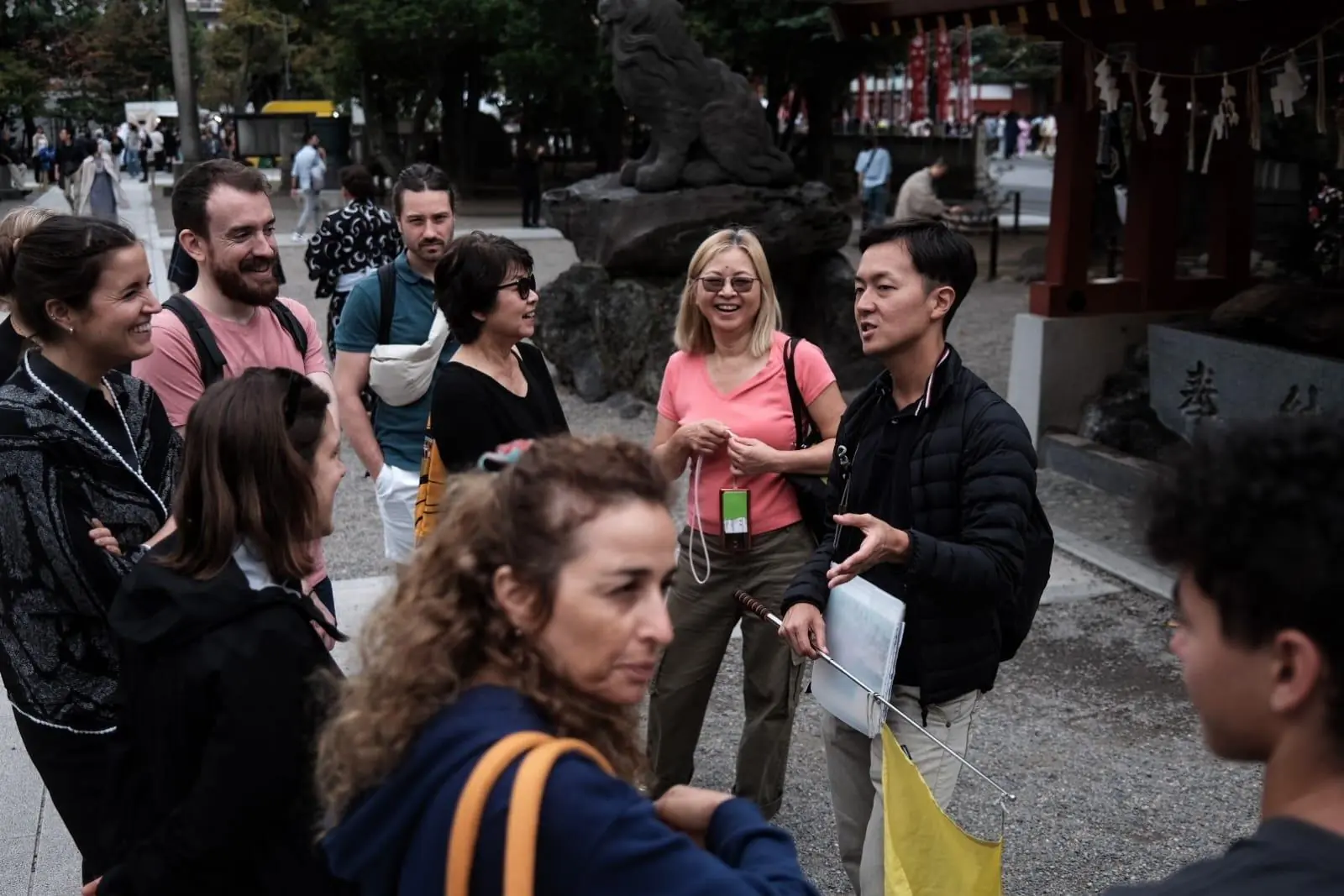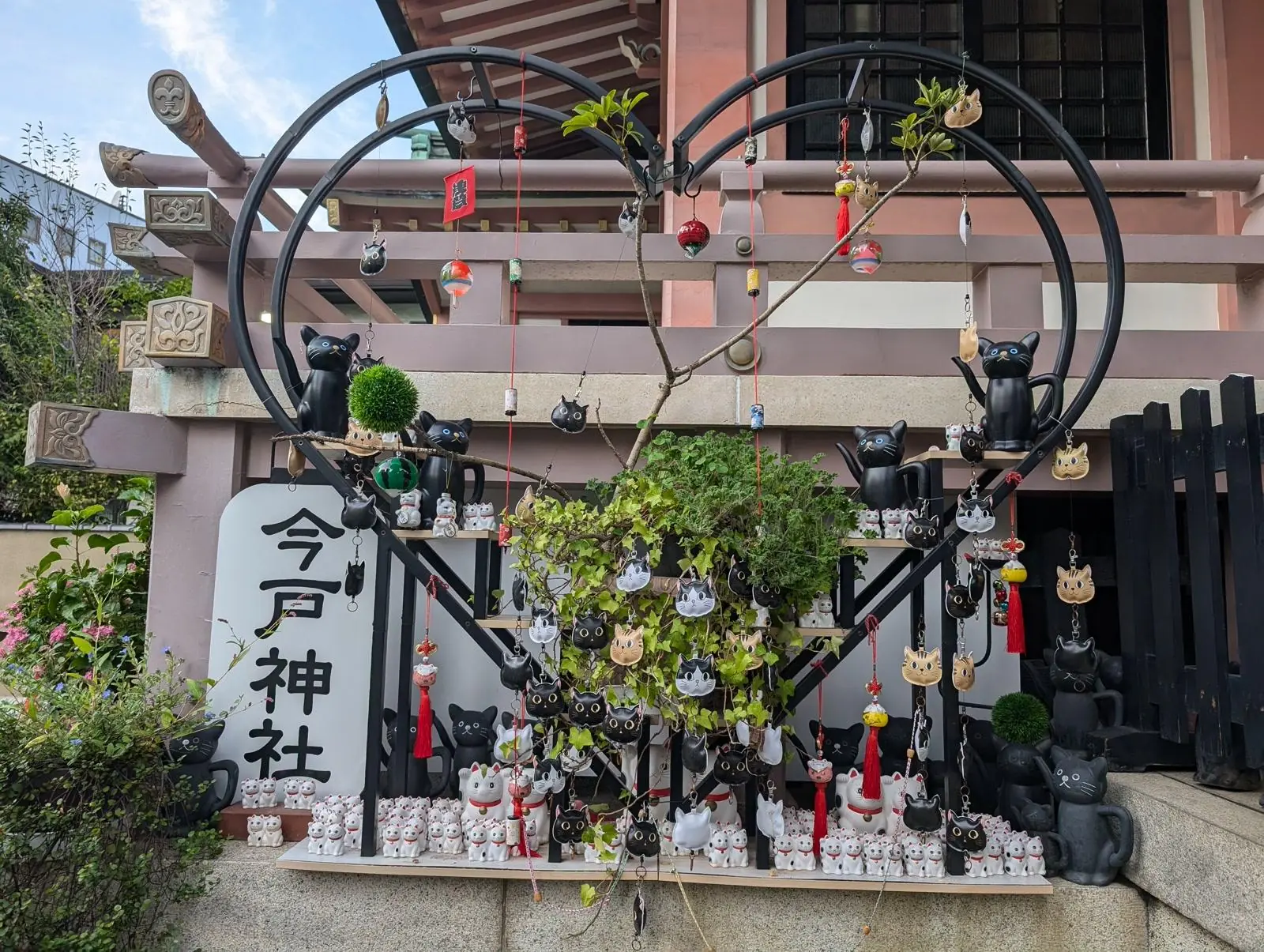
I'll be honest: I almost didn't write this article. The phrase "Tokyo hidden gems" makes me wince a little, because 90% of the lists you'll find online aren't hidden at all. They're just popular spots repackaged with clickbait headlines. Robot Restaurant? That's in every guidebook. TeamLab? There's a two-hour queue.
But after guiding 500+ groups through Tokyo, I've realized something. The places most tourists never find aren't hidden because they're secret. They're overlooked because visitors don't have the context to understand why they matter. A narrow lane in Yanaka is just a narrow lane unless someone explains that the wooden houses lining it survived both the 1923 earthquake and the 1945 firebombing, making them among the oldest residential structures in Tokyo.
That's what I want to give you in this guide: not just locations, but the context that transforms them from "a nice spot" into "a place I'll remember forever." These are the Tokyo hidden gems I bring my private tour clients to, not because they're instagrammable, but because they tell a story about this city that the famous landmarks can't.
Why "Hidden Gems" Lists Are Usually Wrong
Before I share my picks, let me explain why most Tokyo hidden gems lists fail. They confuse "lesser-known" with "lesser." They list second-tier attractions, places that are less crowded because they're genuinely less interesting. Or they list places that were hidden five years ago but are now packed because someone wrote a viral blog post about them.
The real hidden gems in any city aren't places that lack visitors. They're places that lack interpreters. They need someone to explain why they matter, and once that context clicks, they become unforgettable. Every place on this list is somewhere I return to tour after tour, because every time I explain its story to a new guest, I see their understanding of Tokyo shift.
I also want to push back on the idea that you need to find "secret" places to have an authentic experience. Senso-ji gets 30 million visitors a year, and it's one of the most culturally significant sites in Tokyo. The issue isn't that famous places are bad. It's that many visitors see them without understanding what they're looking at. Context is the real hidden gem.
Yanaka: The Neighborhood That Survived the War
Yanaka is the neighborhood I bring clients to when they ask me: "Where can I see what Tokyo used to look like?" The answer is complicated, because the Tokyo of the Edo period (1603–1868) was almost entirely destroyed, first by the Great Kanto Earthquake of 1923, then by the firebombing of 1945. Almost no pre-war structures survived in central Tokyo.
Yanaka is the exception. Tucked between Ueno and Nippori stations, this quiet neighborhood escaped the worst of both disasters through a combination of geography and luck. The result is a place where wooden merchant houses, small Buddhist temples, and narrow lanes look remarkably similar to how they would have looked 100 years ago.
What makes Yanaka one of Tokyo's genuine hidden gems isn't just the old buildings. It's the community. This is still a lived-in neighborhood. The old lady selling handmade cat figurines on Yanaka Ginza shopping street isn't performing for tourists; she's been there for decades, selling to neighbors. The cemetery where you can find the grave of Tokugawa Yoshinobu, Japan's last shogun, is where local families still come to tend their ancestors' graves.
I've written a detailed walking route for Yanaka if you want to explore it properly. But the short version: come in the morning, start at Nippori Station, walk slowly, and pay attention to the small details: the hand-painted shop signs, the ceramic cats on the walls, the sound of temple bells in the distance.
Kagurazaka: Tokyo's Old French Quarter with a Japanese Soul
Kagurazaka confuses people, and I love it for that. It's a hillside neighborhood near Iidabashi Station that was historically a geisha district, one of Tokyo's six official hanamachi (flower towns). Then, in the post-war period, a French community took root here, drawn by the Institut français de Tokyo and several French schools. The result is a neighborhood where you can eat a perfect croissant, walk thirty seconds, and find yourself in a cobblestoned alley lined with traditional ryotei restaurants that require an introduction to enter.
The hidden quality of Kagurazaka isn't about obscurity. It's about layers. Walk up the main street and you'll see boutiques and cafes. Turn into any of the narrow yokocho (side alleys), and the century drops away. These alleys, especially Hyogo Yokocho and Kakurenbo Yokocho, are where Kagurazaka reveals its true character: stone-paved paths barely wide enough for two people, wooden fences hiding private gardens, and the occasional sound of a shamisen (traditional stringed instrument) drifting from behind a closed door.
For my clients from France and Belgium, Kagurazaka is particularly fascinating because it shows how two very different cultures can coexist in a single neighborhood without either losing its identity. The French bakeries don't feel like imported replicas. They feel like they belong here, because they've been here for decades. And the old geisha establishments don't feel diminished by the French presence. They feel complemented by it.
Nezu Shrine: Fushimi Inari Without the Crowds
Everyone knows Fushimi Inari in Kyoto, the shrine with thousands of red torii gates creating a tunnel up the mountainside. It's iconic, it's beautiful, and on any given day, it's packed with thousands of visitors all trying to get the same photo. What most people don't know is that Tokyo has its own tunnel of torii gates, and you can walk through it in relative solitude.
Nezu Shrine (Nezu Jinja) sits at the edge of Yanaka, in the old Shitamachi district. It's one of the oldest shrines in Tokyo (tradition says it was founded around 1,900 years ago), and its main buildings date to 1706, making them some of the oldest surviving wooden structures in the city. The vermillion torii gate tunnel is smaller than Fushimi Inari's but equally photogenic, winding through a hillside garden that explodes with 3,000 azalea bushes every April.
What makes Nezu Shrine one of my favorite Tokyo hidden gems isn't just the aesthetics. It's the context. This shrine survived the firebombing of 1945 when most of Tokyo burned. Standing in front of its 300-year-old buildings, you're looking at genuine Edo-period architecture in a city where almost everything Edo-era has been destroyed and rebuilt. That's rare, and it's powerful.
I explain the torii gate tunnel to my clients this way: each gate was donated by a worshipper or business owner as an offering of gratitude. Walking through them is like walking through a physical record of three centuries of prayers answered, or at least, three centuries of hope. It's similar to lighting a candle in a cathedral, except the candle is permanent and made of wood and vermillion paint.
Shinbashi Under the Tracks: Where Tokyo Actually Unwinds
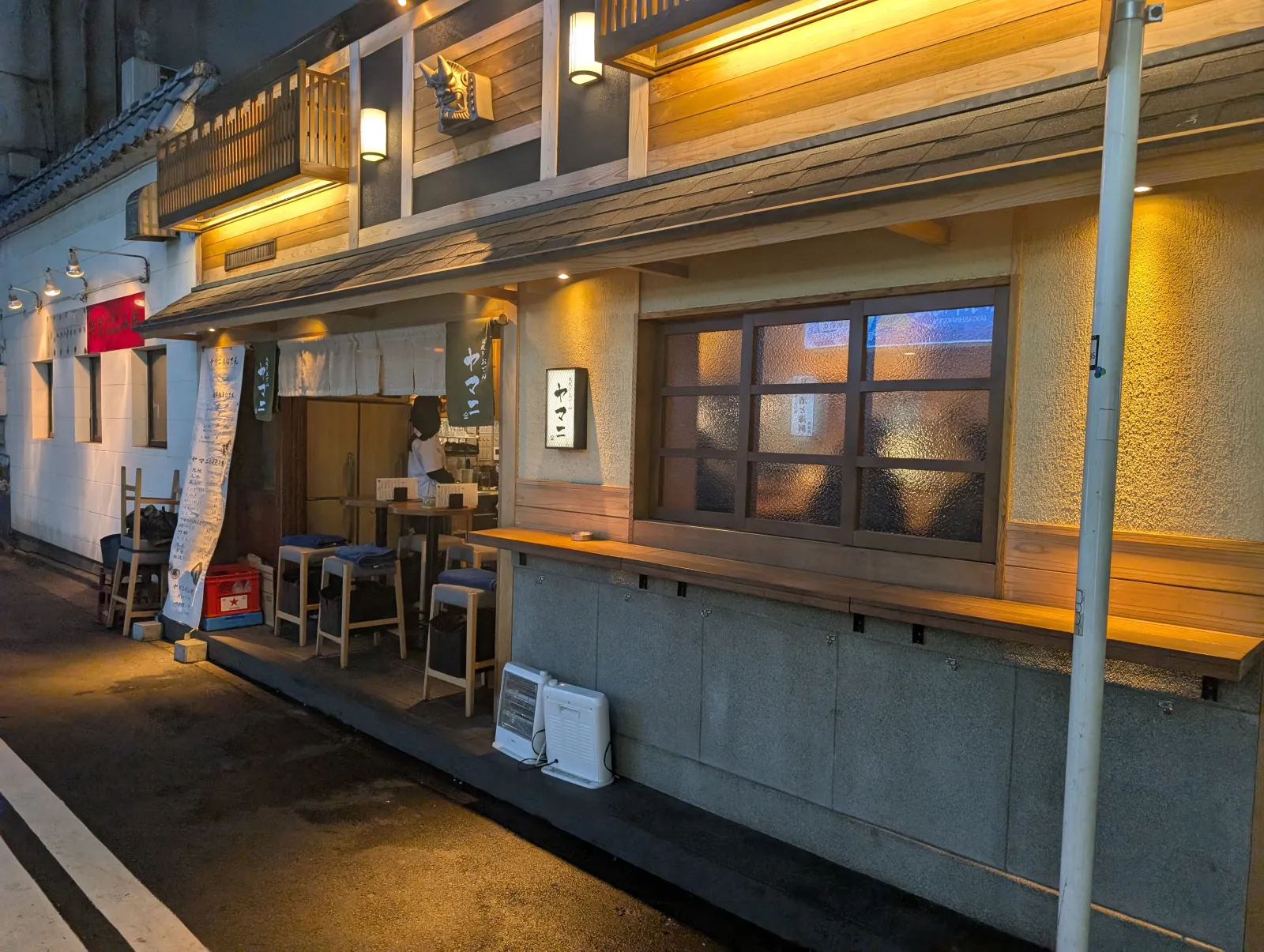
Yanaka shows you old Tokyo. Kagurazaka shows you layered Tokyo. Nezu Shrine shows you sacred Tokyo. Shinbashi shows you working Tokyo — and it's the side of the city most visitors never think to look for.
When the clock hits 6 PM on a weekday, thousands of office workers pour out of Shinbashi Station and into a maze of tiny izakaya and yakitori joints crammed under and around the elevated JR tracks. The smoke from charcoal grills mixes with the rumble of trains overhead. Groups crowd around standing counters barely wide enough for a beer and a plate of skewers. Ties get loosened, voices get louder, and the polite corporate formality of daytime Tokyo dissolves completely.
This is the ritual that gives Shinbashi its identity. It's been called the "salaryman capital of Tokyo" for decades, and that reputation isn't marketing — it's a genuine cultural phenomenon. The after-work drinking culture (nominication, a Japanese portmanteau of nomu meaning "to drink" and "communication") has shaped Japanese business relationships for generations.
Most tourists walk right past Shinbashi on their way between Tsukiji and Ginza. That's a mistake. For ¥2,000–3,000 per person, you can eat excellent yakitori, drink cold beer, and experience a side of Japanese daily life that no temple or garden can show you.
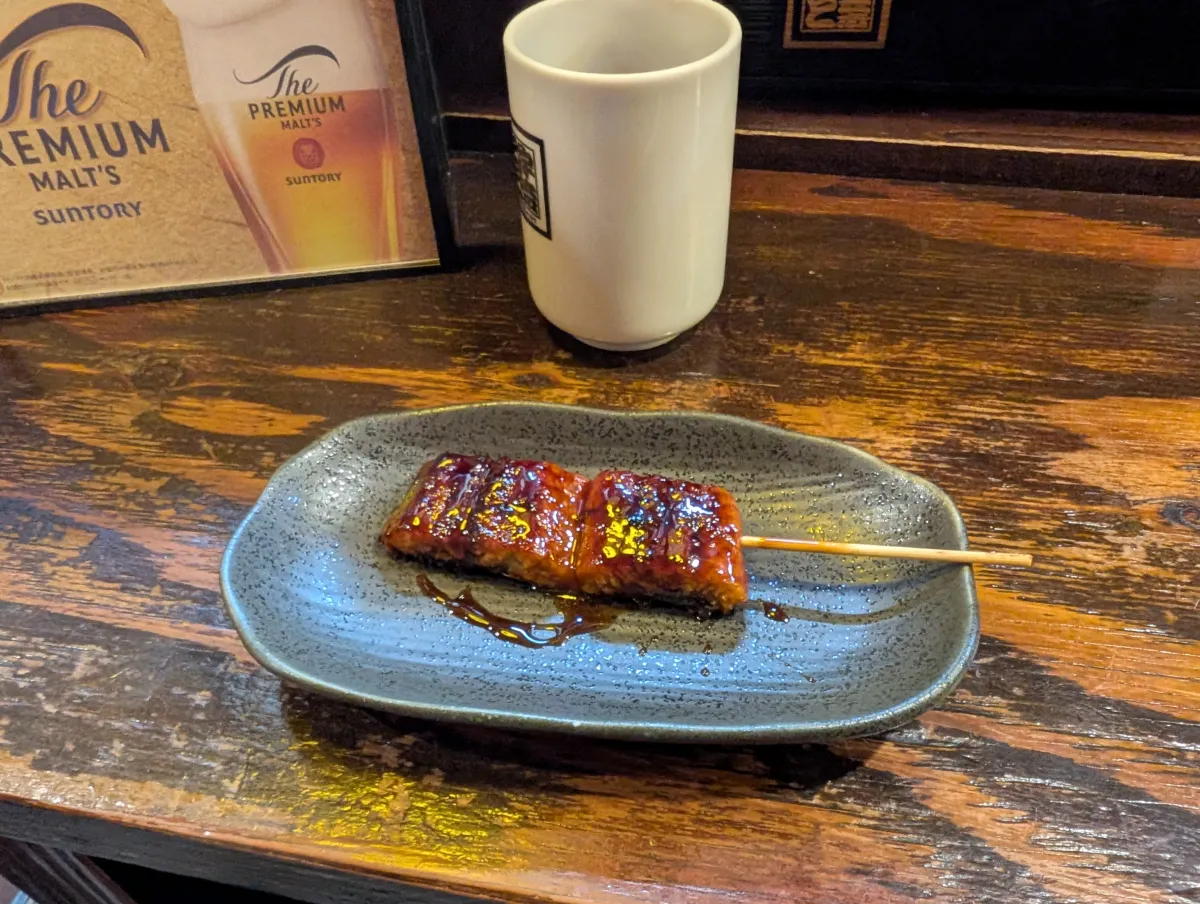
I cover this area as the final stop on my Tsukiji to Ginza food walk route.
The hidden layer: Shinbashi Station was the Tokyo terminus of Japan's first railway line, opened on October 14, 1872. The steam locomotive (C11-292) displayed in SL Plaza in front of the station still blows its whistle three times daily — at noon, 3 PM, and 6 PM. Behind the plaza, the Old Shimbashi Station Railway History Exhibition Hall (free admission, 10:00–17:00, closed Mondays) is a faithful reconstruction of the original 1872 station building, and one of the quietest museums in the city.
Why it matters as a hidden gem: In a city where most tourist experiences are visual — temples, gardens, skylines — Shinbashi gives you something experiential: a way to participate in, not just observe, the daily rhythms of Japanese life. That's rare, and it's the kind of thing that stays with you longer than any photo.
How to Find Your Own Hidden Gems (The Method I Use)
After 500+ tours, I've developed a method for discovering places that consistently reward exploration. Here's the system I use, and it works for any visitor willing to slow down and pay attention.
Follow the Rivers and Canals
Tokyo was built on water. The Sumida River and dozens of smaller canals shaped the city's geography, and the neighborhoods along them retain a character that inland areas have lost. Walk along any canal path in Tokyo and within fifteen minutes you'll find something unexpected: a tiny shrine squeezed between two buildings, a family-run shop that's been in the same spot for four generations, or a view of Tokyo that looks nothing like the neon postcards.
Visit Temples and Shrines on Weekday Mornings
Tokyo has over 4,500 temples and shrines. The famous ones (Senso-ji, Meiji Jingu) get all the visitors. But the neighborhood temples, the ones with no English signage and no gift shops, are where you'll see Japanese religious practice as it actually exists: quiet, personal, woven into daily life. Walk into any residential neighborhood before 8 AM and you'll hear the sound of Buddhist prayers from open temple doors. That's not a performance. It's a Tuesday morning.
Look for the Oldest Shop on Any Street
Japan has more businesses over 100 years old than any other country, over 33,000 of them. In any Tokyo shopping street, look for the shop with the most weathered signboard, the most traditional facade, or the simplest product range. That shop is probably telling a story about the neighborhood's history. The senbei (rice cracker) shop in Asakusa that's been roasting crackers over charcoal since the Meiji era isn't just selling snacks. It's maintaining a craft tradition that most countries have abandoned.
Ask a Local (But Ask the Right Question)
Don't ask "where should I go?" The answer will always be Shibuya Crossing and Senso-ji. Instead, ask: "Where do you eat lunch?" or "Where do you go on Sunday morning?" These questions get past the standard tourist answers and into the personal geography of someone's life. The answers are always more interesting than anything in a guidebook.
Want a guide who knows where to look?
On my private tours, I take clients to the places that don't appear on tourist maps, not because they're secret, but because they need context to come alive. If you want to see the Tokyo that most visitors miss, browse my tours.
Frequently Asked Questions
Are Tokyo's hidden gems safe to visit alone?
Yes. Tokyo is one of the safest cities in the world, and the neighborhoods mentioned in this article (Yanaka, Kagurazaka, Nezu) are all residential areas with low crime rates. You can walk through them alone at any hour without concern. The only "risk" is getting pleasantly lost in the backstreets, which is honestly the whole point.
How do I get to these places without speaking Japanese?
Google Maps works perfectly in Tokyo and will guide you to all of these locations. Station signs are in English, and IC cards (Suica/Pasmo) make train travel simple. You don't need Japanese to visit any of these Tokyo hidden gems, though having a guide to explain what you're seeing will make the experience significantly richer.
What's the best time to visit these spots?
Weekday mornings are ideal for all three locations. Yanaka and Nezu Shrine are best before 10 AM when the light is soft and the crowds haven't arrived. Kagurazaka is lovely in the late afternoon when the restaurants start preparing for the evening and the alleys fill with the smell of cooking. Nezu Shrine's azalea festival in mid-April is spectacular but draws larger crowds.
Can I combine these spots in one day?
Yanaka and Nezu Shrine are within walking distance of each other and combine naturally into a half-day walk. Kagurazaka is a short train ride away and can be added for an afternoon visit. A full day covering all three, with lunch in Yanaka and dinner in Kagurazaka, is one of my favorite itineraries for clients who want to see a different side of Tokyo.
Is Shinbashi safe at night?
Yes. Shinbashi is a major business district and one of the safest nightlife areas in Tokyo. The after-work izakaya crowd is overwhelmingly office workers unwinding, not a rowdy bar scene. It's well-lit, well-patrolled, and perfectly safe for solo travelers of any gender.
Can I eat at Shinbashi izakaya without speaking Japanese?
Some places have picture menus, but many don't. Pointing at what others are eating works, and basic phrases (sumimasen, kore kudasai) go a long way. If the language barrier concerns you, this is one of the spots where having a local guide genuinely transforms the experience.