Quick decision
For most travelers, a private Tokyo night tour runs roughly ¥40,000–¥80,000 for the whole group for 3–4 hours.
Bar-hopping group tours on Viator/GetYourGuide are ¥10,000–¥18,000 per person — fine for solo drinkers. Private licensed-guide tours at ¥40,000–¥80,000 per group make sense at 3+ people, and they're the only option if you want cultural context, non-drinking activities, or a route beyond the standard Golden Gai loop.
If you came to Tokyo for the neon, the food, and the late-night atmosphere — not just the alcohol — a private guide is the right call.
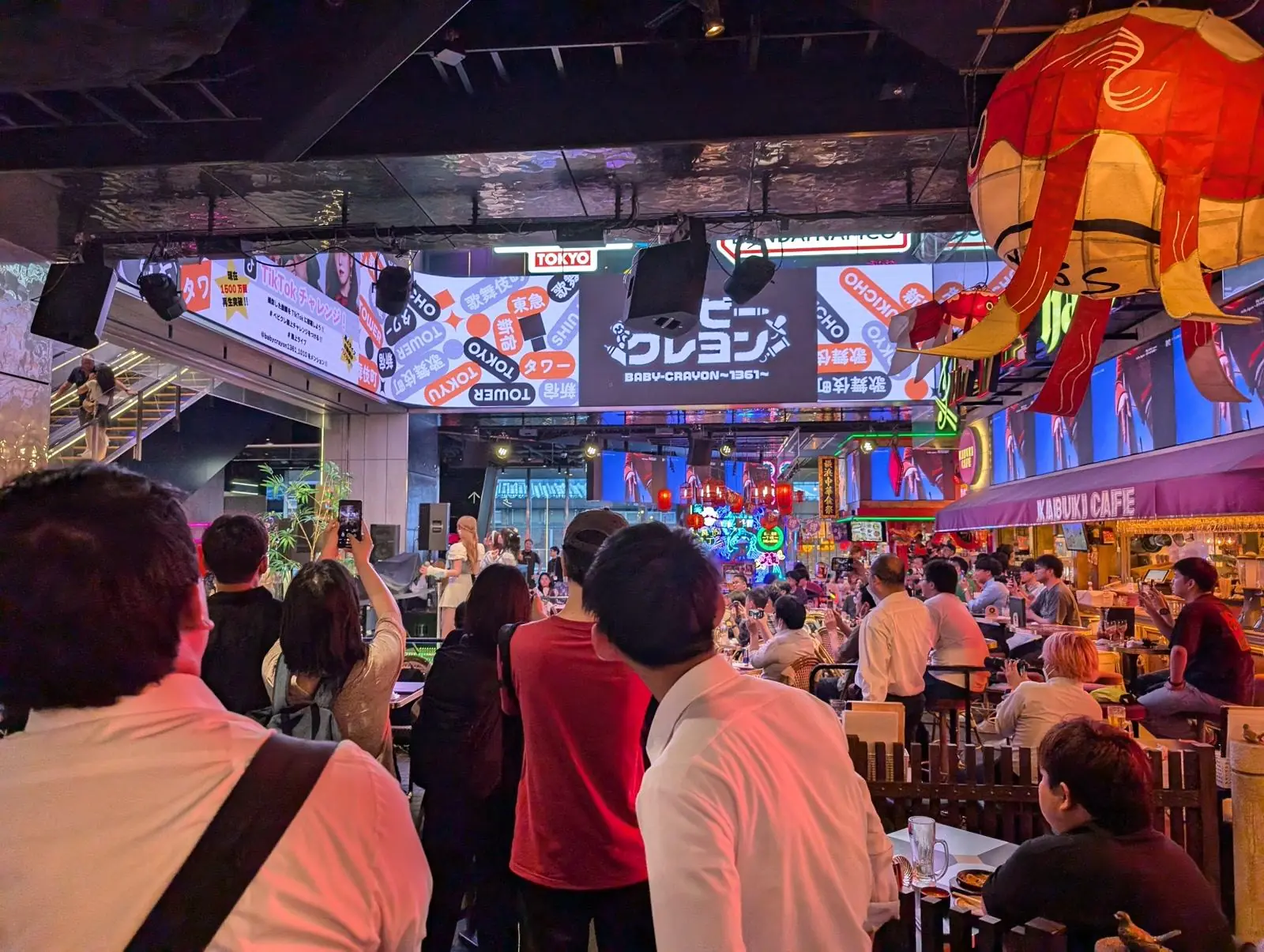
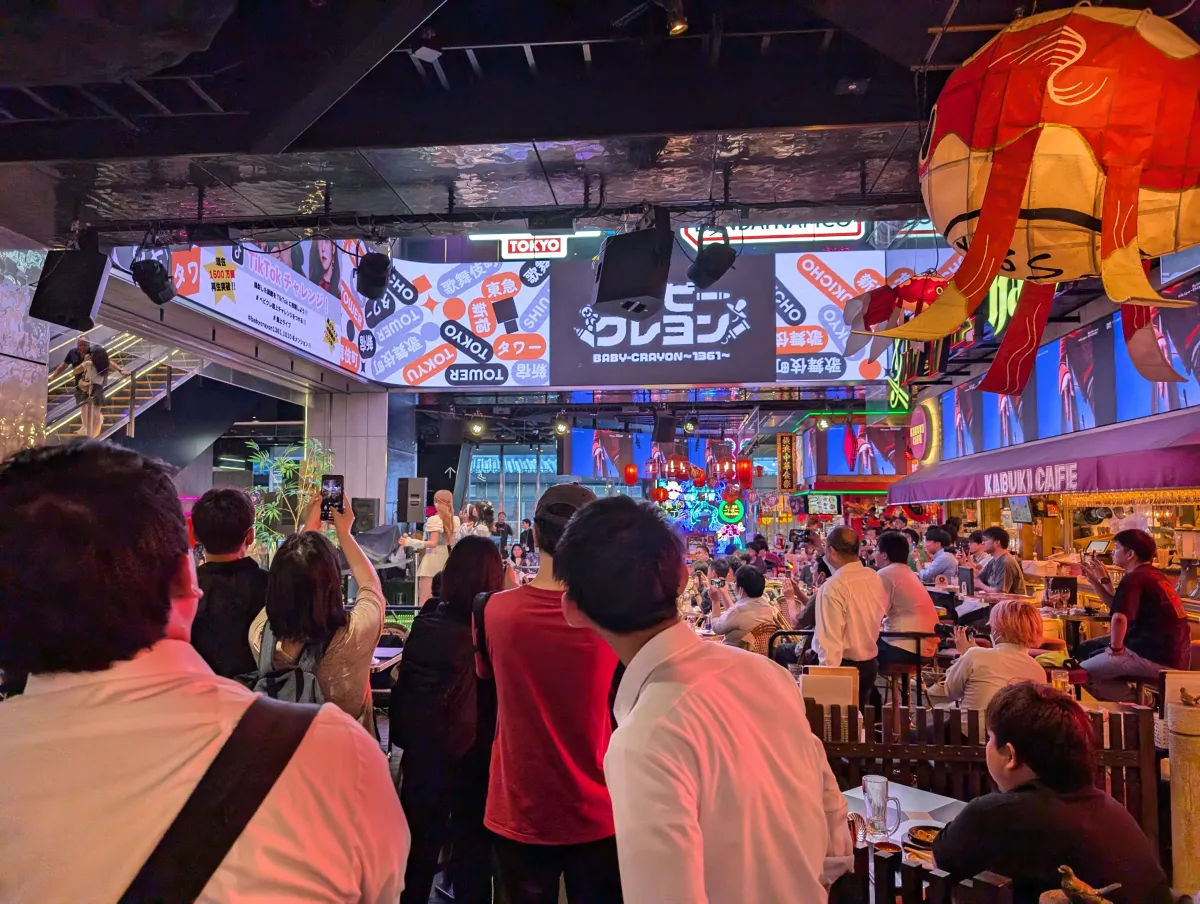
Tokyo after dark is its own city. Neon signs that look ordinary at noon become the foreground at 8 PM. Office workers spill into izakayas. Shinjuku's Kabukicho turns on. The question most visitors face is which version of "Tokyo at night" they actually want, and whether they need a guide to find it.
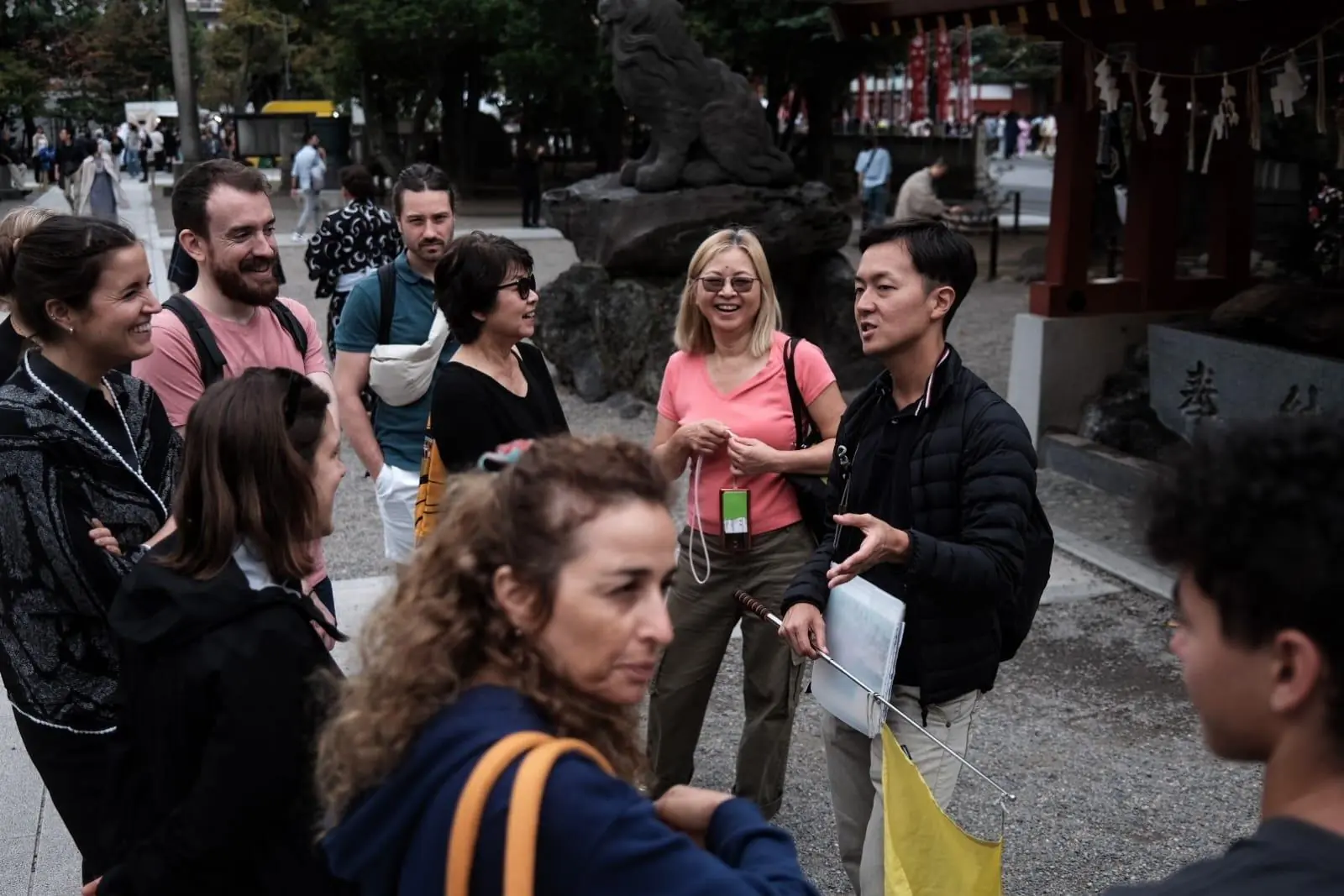
I've run private night tours in Tokyo for years. About half my clients are looking for the bar-hopping Golden Gai experience that every OTA sells. The other half are looking for something different — cultural depth, food not alcohol, a route their family can do together, or a side of Tokyo that doesn't show up in the standard tour. This article is for both groups.
Everything below reflects 2026 prices, the four districts I actually use for night tours, and the real comparison against the ¥10,000-per-seat OTA bus that 90% of first-time visitors default to.
Manabu's take
The standard Shinjuku night tour is fine. It's also one of four routes — and the wrong one for most groups I work with.
Every OTA lists the same loop: Kabukicho, Omoide Yokocho, Golden Gai. It works. But if you don't drink, if you're with kids, or if you've already done Shinjuku in daylight, that route stops being interesting fast. The Asakusa and Roppongi night routes get almost no coverage — and they're often the better fit.
Why book a private night tour (and when not to)
Tokyo at night is one of the few situations where wandering alone genuinely works — the city is safe, the streets are well-lit, and the major night districts (Shinjuku, Shibuya, Roppongi) have signage in English. You don't strictly need a guide to enjoy yourself.
A private guide solves a different problem. It's the difference between standing in front of a tiny Golden Gai bar wondering if it's open to foreigners, and walking in because the guide knows the owner and the owner waves you to the back. It's the difference between "we walked through Kabukicho" and "we understood what we were looking at."
Default for most
Wander on your own if…
- You're solo or a couple on a strict budget
- You speak some Japanese or are confident in unfamiliar bars
- You want the loose, found-it-yourself feeling
- You're staying in Shinjuku or Shibuya and just want to walk around
Worth it in these cases
Book a private night tour if…
- Your group includes non-drinkers, kids, or anyone uncomfortable in bars
- You want cultural context — why Kabukicho exists, what Golden Gai actually is
- You want a route beyond the standard Shinjuku loop
- You don't want to navigate cover charges and bar etiquette cold
- You've got one night for Tokyo's nightlife and don't want to waste it
Where private night tours fail
Two failure modes. First: the "bar hopping" tour sold without distinguishing how many drinks are actually included — clients show up expecting unlimited and find out it's two. Second: a 3-hour tour packed with five districts, where you spend more time walking than experiencing any of them. The right private night tour does fewer things at a deeper level.
Real 2026 cost breakdown: private vs group vs DIY
Night tours are typically 3–4 hours, starting around 18:00–19:00 and wrapping up by 22:00 (well before the last train at ~00:15). Below is what I see in the 2026 market.
| Option | 2 people | 4 people | Per person at 4 pax |
|---|---|---|---|
| DIY wander + Golden Gai barsCheapest | ¥6,000 | ¥12,000 | ¥3,000 |
| Viator/GetYourGuide group bar hop | ¥24,000 | ¥48,000 | ¥12,000 |
| Licensed-guide privateRecommended 3+ | ¥40,000 | ¥60,000 | ¥15,000 |
| Premium concierge (food included) | ¥80,000 | ¥120,000 | ¥30,000 |
At 4 people, the per-head cost of a licensed-guide private (¥15,000) is about 1.25× a group bus seat (¥12,000). For that small premium, you trade group of strangers + fixed bar list for your own pace, custom route, and a guide who knows when Golden Gai is too packed to bother.
The hidden costs in DIY night tours
Golden Gai isn't free to walk into. Most bars charge a ¥500–¥1,500 seating fee (otōshi, a small snack, usually included), plus drinks at ¥700–¥1,500 each. Two drinks at two bars for two people = ~¥10,000–¥14,000. Add Omoide Yokocho yakitori (¥3,000–¥5,000 per person), maybe a Kabukicho izakaya — DIY for two lands around ¥15,000–¥20,000 once you actually start spending.
Most travelers underestimate how fast Golden Gai costs add up. The bars are small. The cover charges are the business model.
The 4 districts worth a Tokyo night tour
Almost every OTA tour starts and ends in Shinjuku. It's an obvious choice, but it's not the only one. Here are the four districts I actually use, ranked by how well-known each is.
A — Shinjuku (the standard)
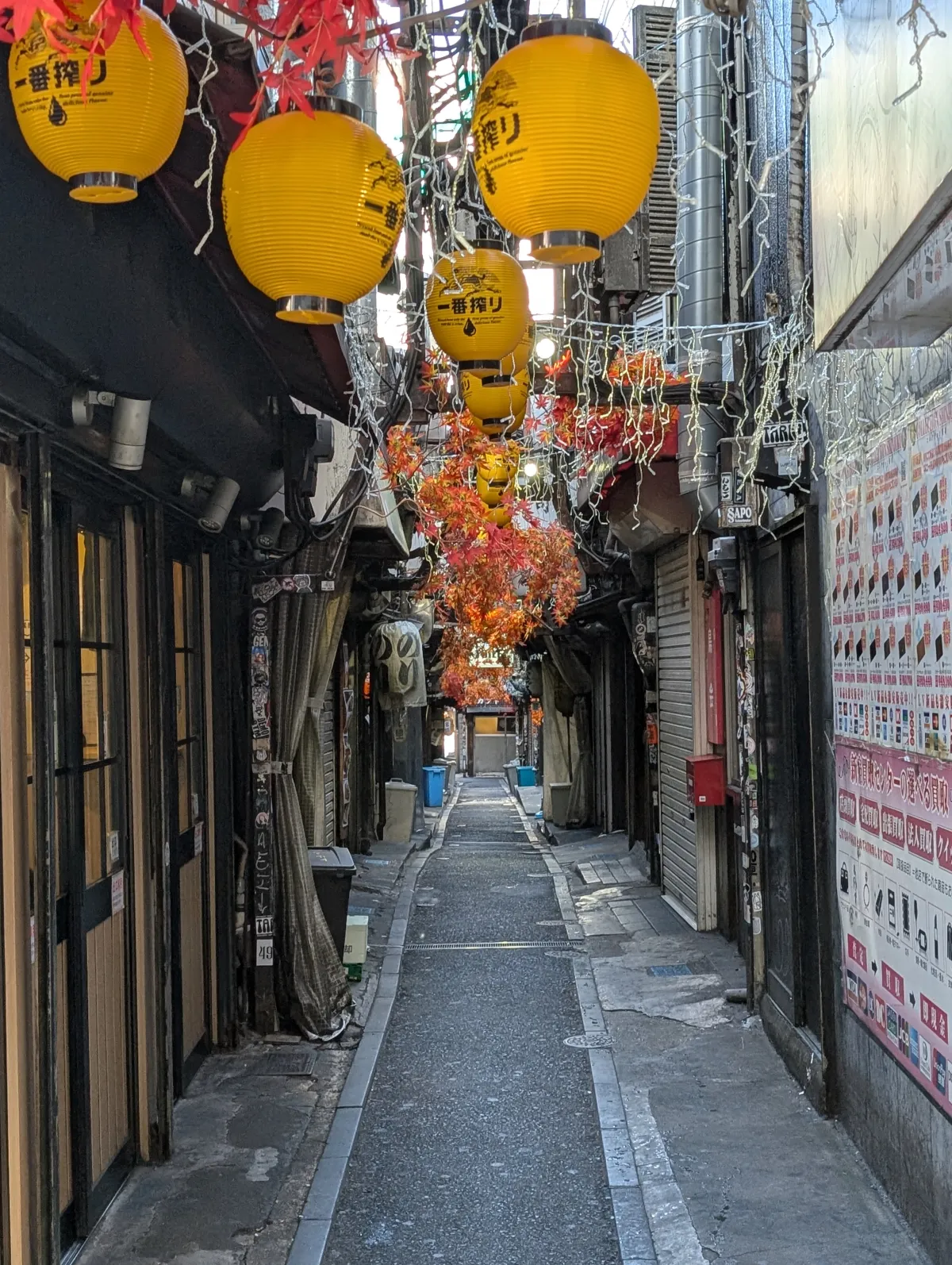
Stops: Kabukicho (Godzilla Head, host clubs from the outside), Omoide Yokocho (yakitori under the train tracks, ~80 tiny shops), Golden Gai (200+ micro-bars in narrow alleys), Shinjuku 3-chome for cleaner izakayas.
Why pick it: Maximum density of "things to see" per square meter. If you've watched any Tokyo at night YouTube video, you've seen Shinjuku. Most reliable for first-time visitors who want the iconic neon shots.
Trade-off: Increasingly touristy. Golden Gai bars are about 60% foreign customers now on weekends; some bars still ban foreigners, others only allow them with a Japanese intro. Kabukicho is being cleaned up by the city, with some of the rougher edges fading.
B — Shibuya + Ebisu (modern Tokyo at night)
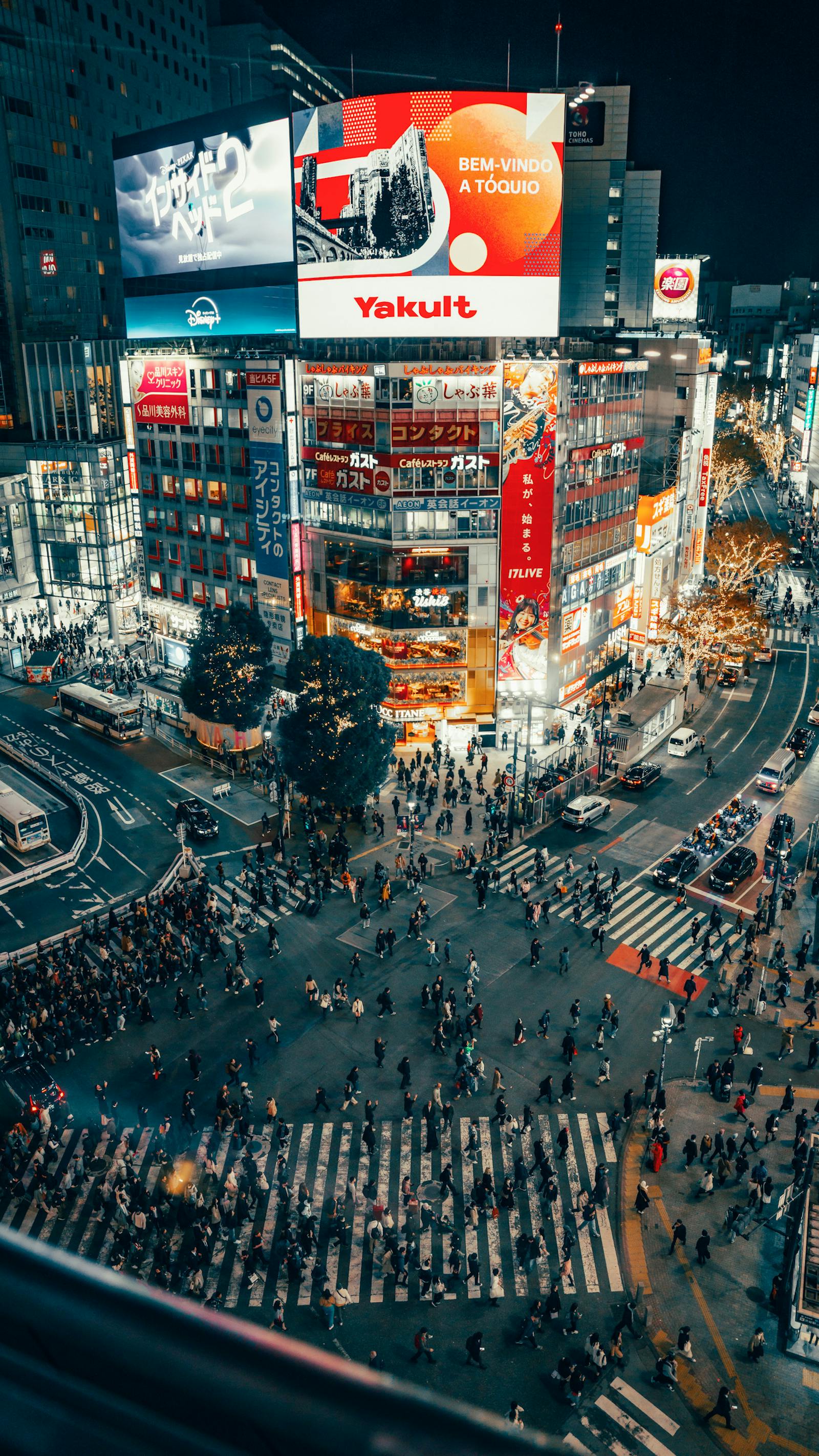
Stops: Shibuya Scramble Crossing at peak crowd, Shibuya Sky (open until 22:30, last admission 21:20), Nonbei Yokocho (Drunkard's Alley, smaller and quieter than Golden Gai), Ebisu Yokocho for late-night ramen and craft cocktails.
Why pick it: The "modern Tokyo" version. Sleeker, less rough than Kabukicho. Shibuya Sky gives you the city skyline at night, which Shinjuku doesn't really offer at the same height.
Trade-off: Shibuya Sky requires a reserved ticket (¥3,000), and the crowds can wait long. The night experience here is more "observation deck + nice cocktails" than "neon dive bars."
C — Asakusa + Ueno (old Tokyo lights)
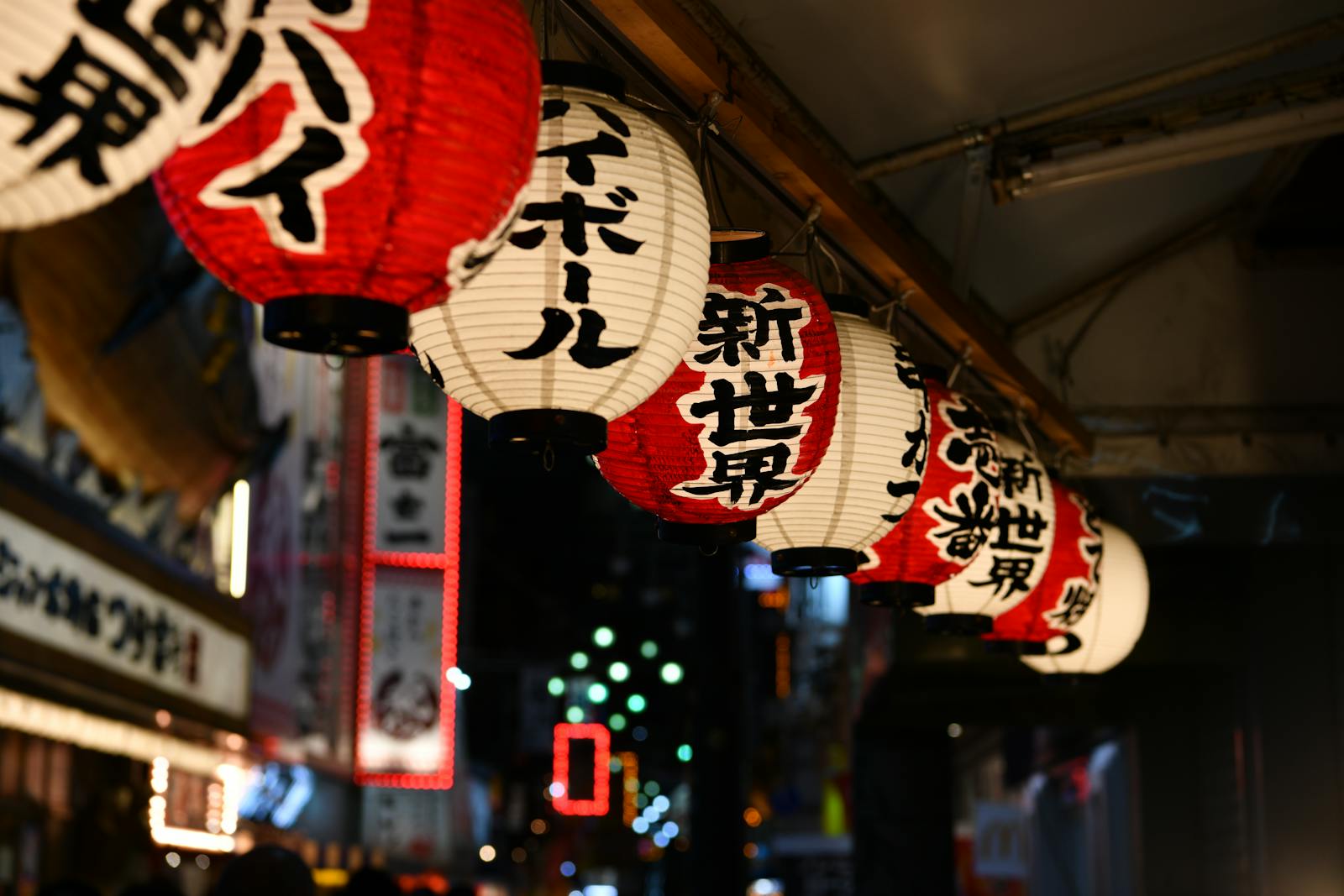
Stops: Senso-ji Temple lit up at night (free, far quieter than daytime), Nakamise Street with shops closed but lanterns glowing, Hoppy Street in Asakusa for old-school Showa-era izakayas, Ueno's Ameya-Yokocho if it's a weeknight.
Why pick it: Tokyo before neon. The Asakusa night route is what Tokyo looked like before WWII reshaped Shinjuku and Shibuya — paper lanterns, narrow alleys, old beer halls. Quieter, more family-friendly, no Kabukicho hosts shouting at passersby.
Trade-off: Lower density. The "wow" comes from atmosphere, not spectacle. If you came to Tokyo for neon, this isn't it.
D — Roppongi (international Tokyo)
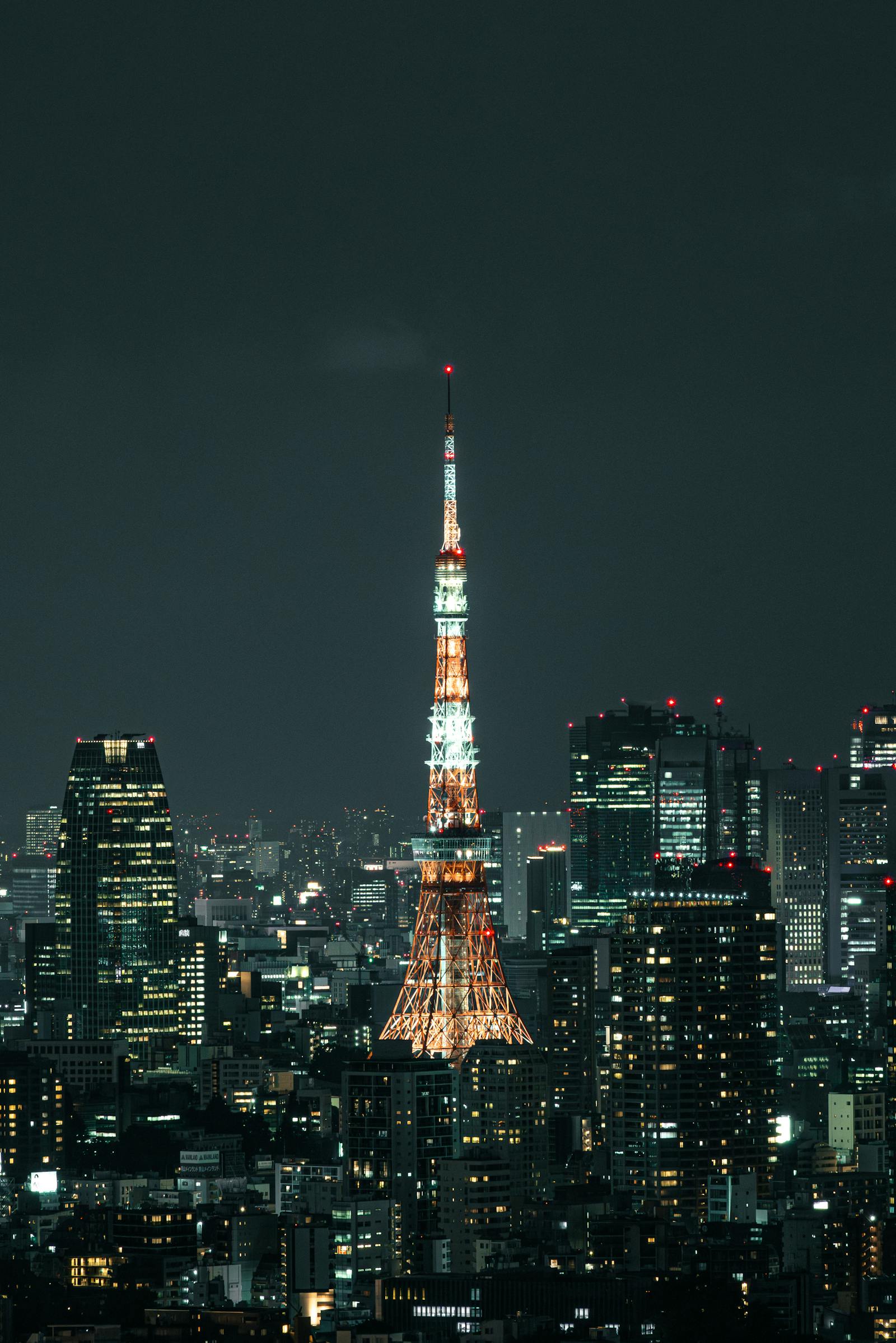
Stops: Tokyo Tower lit up (visible from several Roppongi points), Roppongi Hills Mori Tower observation deck (open until 23:00 typical), Mori Art Museum (open until 22:00), international restaurants and bars that serve in English by default.
Why pick it: The English-friendliest night district. Good for clients who want a cultural night experience (Mori Art Museum often runs until 22:00) without language friction.
Trade-off: Less "Japanese." Roppongi's nightlife is heavily expat and international. If your goal is "I want to drink with local Japanese people," Shinjuku or Shibuya delivers better.
| If your priority is… | A: Shinjuku | B: Shibuya | C: Asakusa | D: Roppongi |
|---|---|---|---|---|
| Iconic neon photos | ◎ Best | ○ | △ | △ |
| Bar hopping experience | ◎ Best | ○ | ○ | ○ |
| Kid-friendly / non-drinkers | △ | ○ | ◎ Best | ○ |
| Skyline view | ○ | ◎ Best | × | ○ |
| Old Tokyo atmosphere | △ | × | ◎ Best | × |
Bar hopping vs cultural night tour
Almost every OTA-listed Tokyo night tour assumes alcohol is the point. About half my clients agree. The other half don't drink, or don't drink much, or are traveling with someone who doesn't. A good private night tour can do either.
The bar-hopping version
Typical flow: meet at your hotel around 18:30, walk Kabukicho, stop at Omoide Yokocho for skewers and beer, two or three Golden Gai bars (covering ¥500-¥1,500 + drinks each), wrap up by 22:30. Roughly ¥6,000-¥10,000 per person in food and drinks on top of the guide fee. Most fun for groups who actually want to drink and chat with strangers.
The cultural / food version
Typical flow: meet around 19:00, walk Asakusa with the lit Senso-ji gate, stop at a Showa-era beer hall for Japanese small dishes (oden, tofu, yakitori), end with a stroll past the Sumida River with Tokyo Skytree lit up across the water. No drinking required, no late-night noise. Roughly ¥3,500-¥5,500 per person in food on top of the guide fee.
The hybrid (most common)
Most groups I work with do a hybrid: dinner at a real izakaya (not a tourist trap), one drink at a single Golden Gai bar so they can say they did it, and the rest of the time exploring on foot. This is usually the right call for travelers who want "a taste of nightlife" without committing to a full bar hop.
Licensed guide vs Viator and GetYourGuide
The comparison is similar to a daytime Tokyo private tour, but with two night-specific differences: group bar-hopping tours have a hard cap on how many bars they can fit a group of 20 into, and the guide's English-language depth matters even more when you're trying to follow a conversation in a noisy Kabukicho izakaya.
| Feature | OTA group bar hop | Licensed-guide private |
|---|---|---|
| Group size | 8–20 strangers | Just your party |
| Bars visited | 2–3 fixed bars | Whatever fits your pace |
| District flexibility | Shinjuku only | Any of 4 districts |
| Non-drinker friendly | No | Yes (food-only routes) |
| Cultural commentary | Surface | Full |
| Per-head cost (4 pax) | ¥12,000 | ¥15,000 |
When Viator-style night tours are fine
Solo travelers who specifically want to meet other travelers over drinks. The group tour format is genuinely useful here — you get a social night with people you didn't know in the morning. For couples or families, private is almost always the better fit.
When to book and last-train logistics
Best time of week
Friday and Saturday nights are the most atmospheric but also the most crowded. Golden Gai on a Saturday can mean waiting 20 minutes for a 6-seat bar to free up. Wednesday or Thursday nights are my honest pick for first-timers: enough nightlife energy to feel real, but you can actually get into the bars you want.
The last train problem
Tokyo trains stop running around 00:15. The Yamanote Line's last trains from Shinjuku and Shibuya depart around midnight; first trains resume at 04:26. There's no all-night metro. Either time your night to end by 23:30, or budget for taxis (¥3,000-¥6,000 from central Tokyo to most hotels).
Most of my night tours wrap up by 22:30 specifically to leave a 90-minute window before the last train. Clients who want to extend stay out on their own with a clear plan for getting home.
How far in advance to book
Friday-Saturday in cherry blossom or autumn leaf season: 4–6 weeks ahead. Weeknights in any other season: 1–2 weeks usually enough. Like daytime tours, the best operators with strong English book up first.
📝 Guide's Insider Note
Last week a family of four asked me for the "Tokyo at night" experience but said they didn't want a bar tour. We started in Asakusa at 19:00 with Senso-ji lit up (almost empty after 18:30), walked to Hoppy Street for a Showa-era beer hall dinner, took the train to Ginza for the after-shops window-shopping crowd, and ended on the pedestrian deck at Yurakucho watching the Shinkansen come into Tokyo Station. No bars, no Kabukicho, no Golden Gai — and they sent me a thank-you email saying it was the best night of their trip. That's the kind of itinerary that doesn't exist on Viator.
Updated based on Manabu's actual tours. Last visit: April 2026.
How I run my Tokyo night tour
Here's what mid-market licensed-guide private looks like in practice. I list it as a concrete reference point — there are several excellent licensed night-tour guides in Tokyo.
The shape of the evening
- 18:00–18:30: Meet you at your Tokyo hotel; we head out together by train.
- 19:00: First district arrival (Shinjuku/Shibuya/Asakusa/Roppongi depending on the plan).
- 19:30–21:00: Walking through the chosen district with commentary, food/drink stops as the route calls for.
- 21:00–22:00: Wind-down stop — quiet bar, observation deck, or late-night ramen depending on what fits.
- 22:30: Back in central Tokyo near your hotel, well before last train.
What's different from a group bar tour
- Pre-trip planning over email. I ask about drink preferences, dietary restrictions, kids in the group, and what you've already done in daylight Tokyo. The route is set before the evening starts.
- No fixed bar list. If Golden Gai is too crowded, I skip it. If a quiet jazz cellar I know is open, we drop in. Group tours can't pivot.
- Cultural context, not just venues. Why Kabukicho exists, why Omoide Yokocho almost disappeared in 1999, what Golden Gai actually is (a 1950s film-industry leftover) — context that turns a bar crawl into a story.
My Tokyo Night Tour page has the booking details. For a specific district or theme, the easiest path is a quick contact form with your dates and group size.
Frequently Asked Questions
How much does a private Tokyo night tour cost in 2026?
Licensed-guide private tours run roughly ¥40,000–¥80,000 per group for 3–4 hours, depending on size and route. Premium concierge (with food included) starts around ¥80,000. Group bus tours on Viator and GetYourGuide are ¥10,000–¥18,000 per person. DIY in Golden Gai lands around ¥6,000–¥10,000 per person once you account for cover charges and drinks.
Is a Tokyo night tour worth it for solo travelers?
For solo travelers specifically looking to meet other travelers, a group bar-hopping tour on Viator or GetYourGuide is the right call — the group format is the point. For solo travelers who want depth or cultural context, a private licensed guide is better but the per-head cost is steep at one person.
Can I do a Tokyo night tour without drinking?
Yes, and this is one of the main reasons to book private. OTA tours assume alcohol is the point. A private licensed-guide tour can be entirely food-and-atmosphere — Asakusa's lit temples, Showa-era beer halls (where soft drinks are fine), Sumida River walks, observation decks. Tell the guide upfront.
How much does Golden Gai actually cost?
Most Golden Gai bars charge a cover/seating fee of ¥500–¥1,500 per person (which includes a small snack called otōshi), plus drinks at ¥700–¥1,500 each. A typical visit of two drinks at one bar for two people is roughly ¥4,000–¥7,000. Some bars post "no cover" signs; some refuse foreigners; many have signs in English explaining their policy.
Is Kabukicho safe at night?
Yes, generally. Kabukicho has a "rough" reputation that's mostly historical now — Tokyo Metropolitan Government's cleanup has made it one of the most surveilled districts in Tokyo. Standard rules apply: don't follow strangers handing out flyers into upstairs bars, ignore touts offering "girls' bars," and don't go into places without posted prices. A licensed guide handles all of this for you.
When does Tokyo's last train run?
Most JR and metro lines stop running around 00:15. The Yamanote Line's last trains depart Shinjuku and Shibuya around midnight. First trains start at 04:26. There's no all-night metro. Either time your night to end by 23:30, or budget ¥3,000–¥6,000 for a taxi from central Tokyo to your hotel.
Which district is best for a Tokyo night tour?
For iconic neon and bar-hopping: Shinjuku. For modern Tokyo and skyline views: Shibuya. For old Tokyo atmosphere and family-friendly: Asakusa. For English-friendly international: Roppongi. Most first-timers default to Shinjuku, but a private guide can mix any two of these into one night if you want range.
Can I do Tokyo nightlife with kids?
Yes, but skip Kabukicho and Golden Gai. The Asakusa night route (Senso-ji lit up, Hoppy Street family-friendly izakayas, Sumida River with Tokyo Skytree across) works for kids. Shibuya Sky observation deck is a kid-favorite. Most OTA group "night tours" are bar-focused and not appropriate; a private licensed guide can shape the night around children's needs.