Quick Decision
Choose Hakone if you want hot springs, lake views, Mt Fuji on a clear day, art museums, and the easiest day-trip logistics from Tokyo.
Choose Nikko if you want UNESCO World Heritage temples and shrines, waterfalls and forest hikes, and the deepest historical experience near Tokyo — with a longer train ride and an earlier start.
For most first-time visitors with one free day, Hakone is the safer pick. Nikko rewards travelers who prioritize culture and history over convenience.
"Should I go to Hakone or Nikko?" This is one of the most common questions I get from visitors planning their first trip to Tokyo, and there's no universal answer. Both are exceptional day trips, but they offer fundamentally different experiences. Hakone is about nature, hot springs, and Mt Fuji views; Nikko is about temples, waterfalls, and Japanese history at its most ornate.
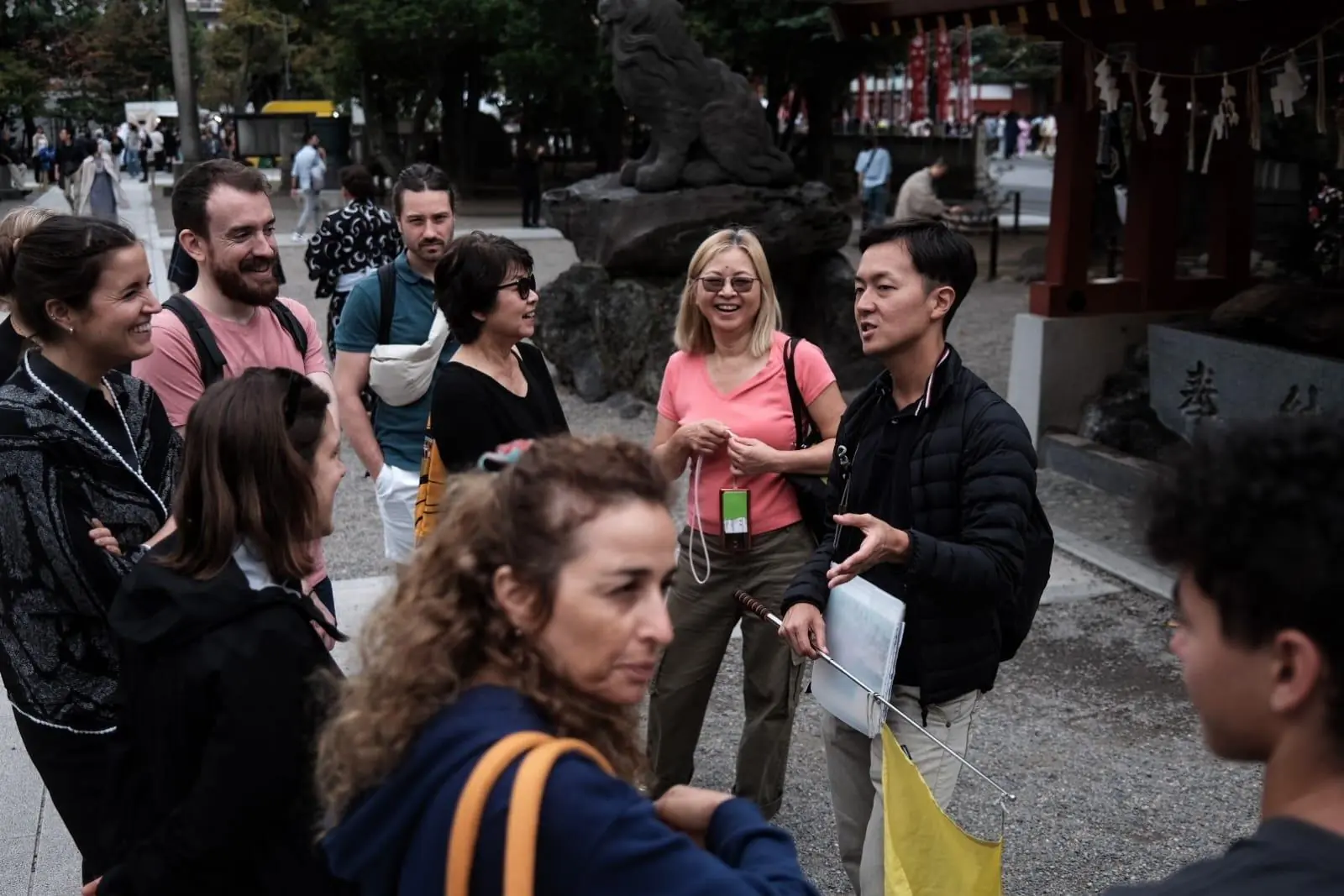
I'm Manabu, a nationally licensed tour guide based in Tokyo. I take clients to both destinations regularly, and the honest truth is that the right choice depends on your travel style, the season, and what you've already seen in Japan. This guide breaks down the trade-offs the way I'd explain them to my own guests — no fluff, just the comparison you actually need to make a decision.
If you're trying to decide between three options including Kamakura, see my three-way comparison of Kamakura, Hakone, and Nikko. If your decision is already narrowed to Hakone or Nikko, keep reading.
What Hakone Is
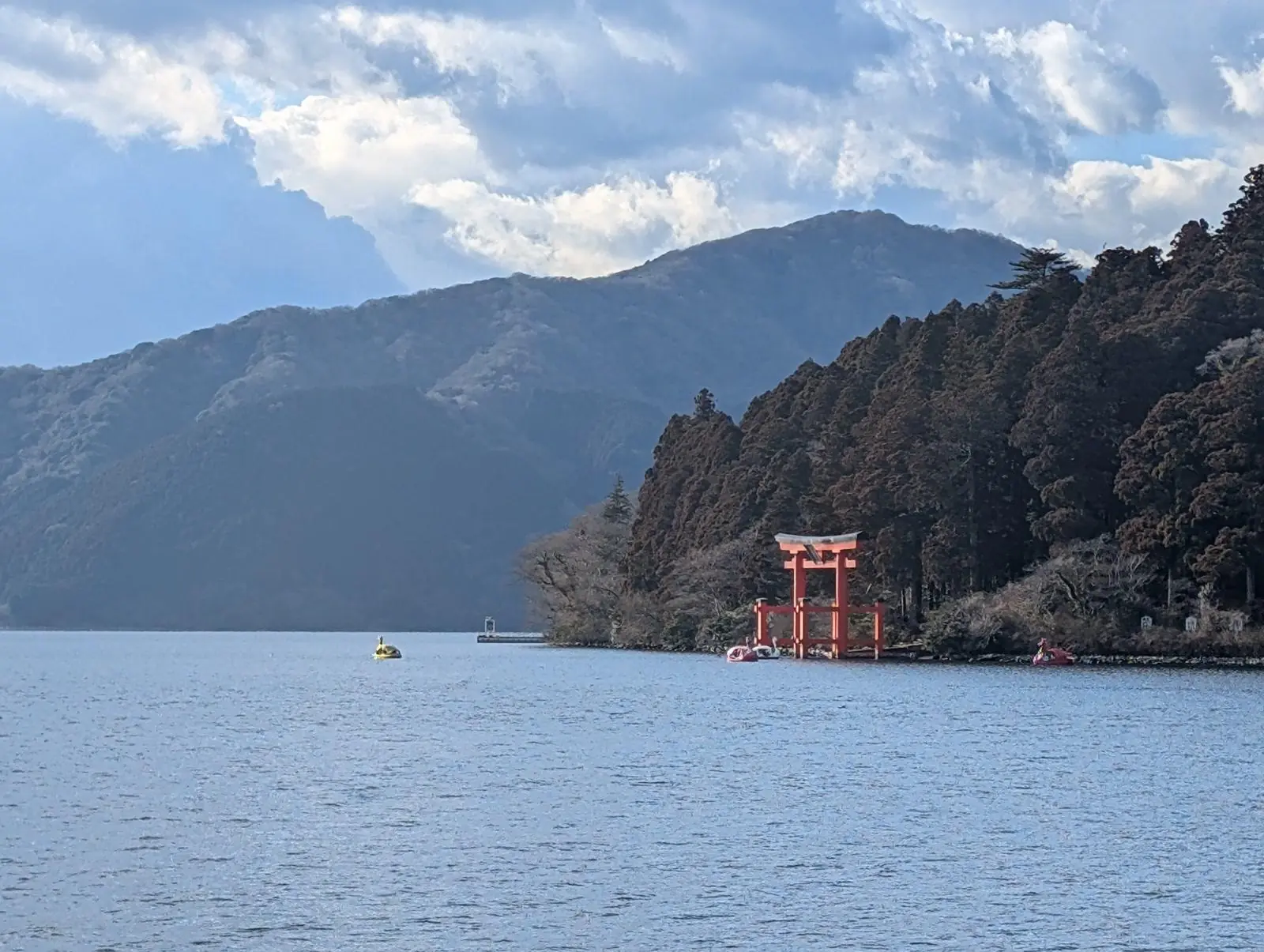
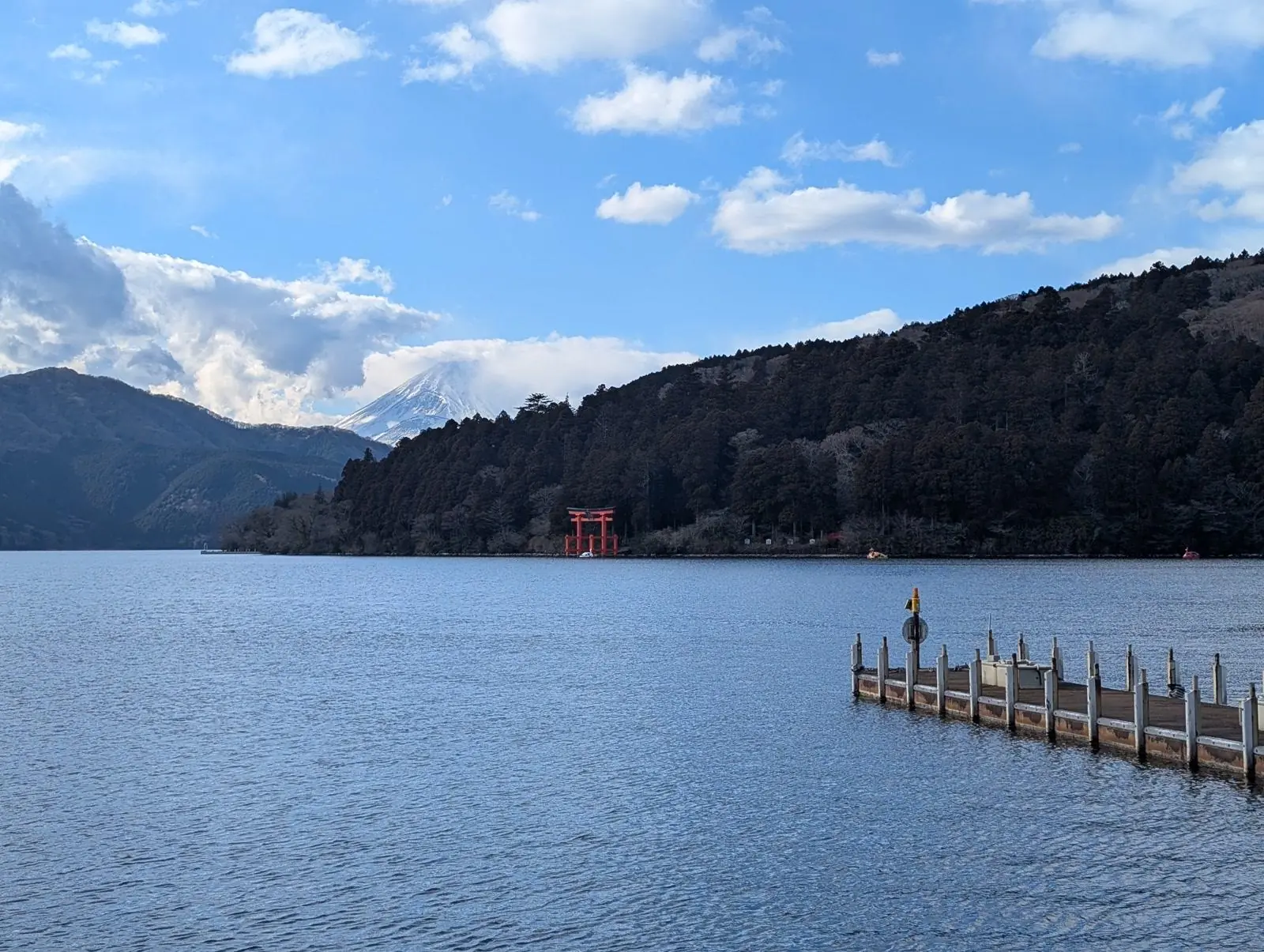
Hakone is a mountain resort town about 90 minutes southwest of Tokyo, sitting inside the caldera of an ancient volcano. It's been Japan's premier hot spring destination for centuries, with dozens of onsen ryokan (traditional hot spring inns) and public baths fed by natural geothermal water. On a clear day, the view of Mt Fuji from Lake Ashi or the Hakone Ropeway is one of the most photographed landscapes in Japan.
What makes Hakone work as a day trip is its compact "loop" — most visitors travel a circuit using the Hakone Tozan switchback railway, the Hakone Ropeway over the volcanic Owakudani valley, the Lake Ashi pirate-ship cruise, and the Hakone Tozan Bus, all on a single ticket called the Hakone Free Pass. You don't need a car, you don't need to plan logistics carefully, and the scenery shifts every 20 minutes.
Beyond the loop, Hakone has world-class art museums — the Hakone Open-Air Museum and the Pola Museum of Art are both internationally regarded — plus traditional ryokan baths if you want to extend the trip overnight. It's a gentle day, mostly observational, with views and onsen as the headline experiences.
What Nikko Is
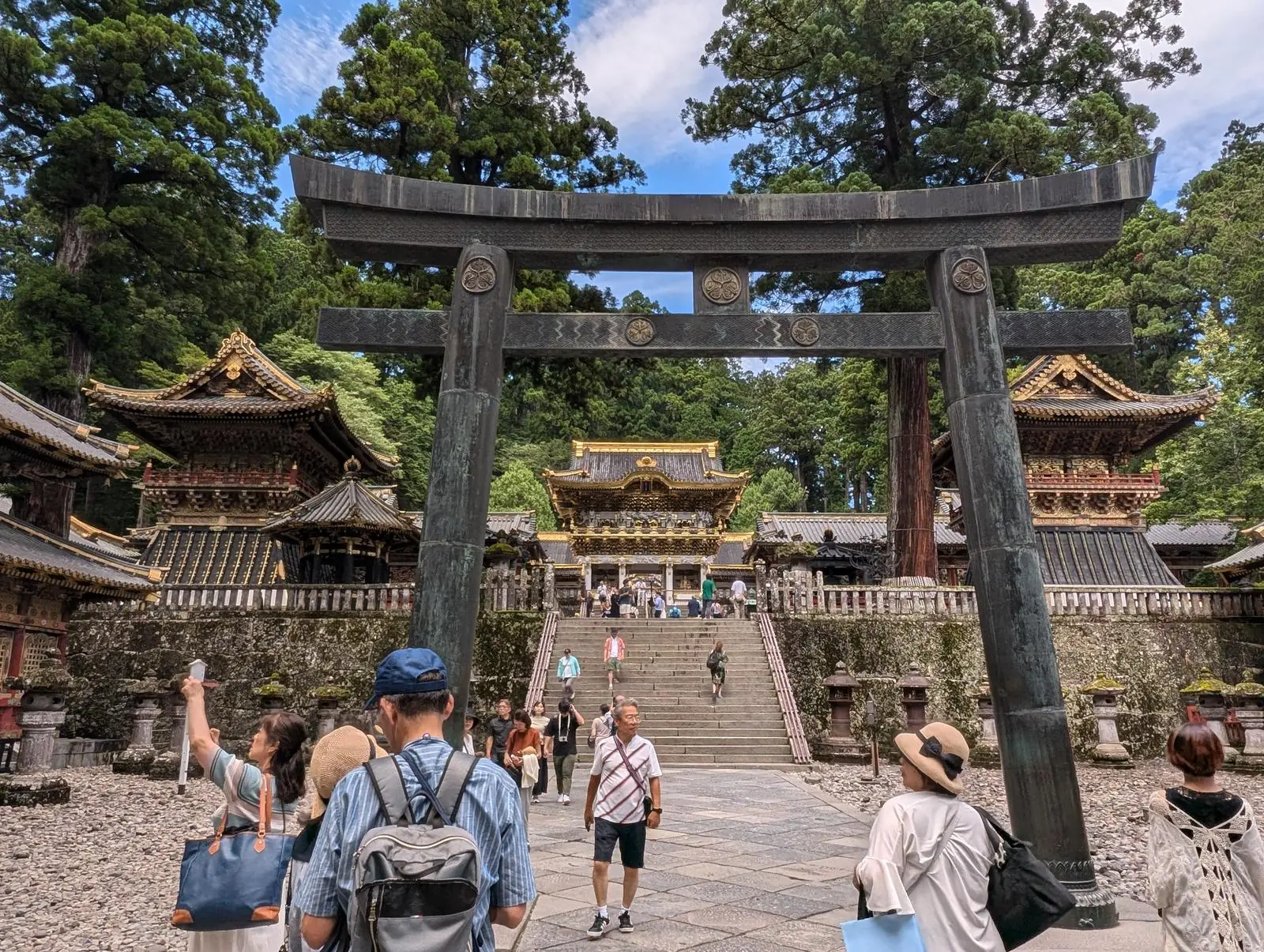
Nikko sits about two hours north of Tokyo in the mountains of Tochigi prefecture. It's most famous for the elaborately carved Toshogu Shrine, the mausoleum of Tokugawa Ieyasu — the shogun who unified Japan in 1603 — along with two adjacent temple complexes that together form a UNESCO World Heritage Site. The carvings, gold leaf, and lacquered architecture at Toshogu are unlike anything else in Japan; this is where the country's craftsmen showed off for the most powerful family in the land.
But Nikko is more than its shrines. The surrounding national park includes Kegon Falls (one of Japan's three great waterfalls, dropping 97 meters), Lake Chuzenji at the top of a winding mountain road, the volcanic Yumoto onsen area, and excellent autumn foliage that draws crowds from late October to early November. If you have time and energy to extend beyond the shrines, the natural side of Nikko is genuinely impressive.
The trade-off is that Nikko is further from Tokyo than Hakone, the day requires more walking, and the experience leans heavily on history and architecture. Visitors who don't enjoy reading temple plaques or learning about Edo-period politics sometimes find it less accessible than Hakone's view-driven experience. But for travelers who want the depth of Japanese culture concentrated in one accessible day trip, Nikko delivers what almost nowhere else can.
Side-by-Side Comparison
Here's the at-a-glance comparison I give clients who are deciding between the two. Prices are accurate for 2026.
| Feature | Hakone | Nikko |
|---|---|---|
| Distance from Tokyo | ~90 km southwest | ~140 km north |
| Travel time (one way) | ~85 min (Romance Car from Shinjuku) | ~110 min (Tobu Spacia X from Asakusa) |
| Best for | Hot springs, Mt Fuji views, art museums, easy logistics | UNESCO temples, waterfalls, history, autumn foliage |
| Vibe | Relaxed mountain resort | Sacred forest pilgrimage |
| Discount pass | Hakone Free Pass — ¥7,100 (2-day from Shinjuku) | Nikko Pass World Heritage Area — ¥3,000 (2-day from Asakusa) |
| Limited express add-on | Romance Car: +¥1,200 each way | Revaty: +~¥1,650 / Spacia X: +~¥1,940 each way |
| Main attraction admission | Most loop transport included in pass | Toshogu Shrine: ¥1,300 (¥2,100 with treasure museum) |
| Walking required | Light — mostly trains, ropeway, boat | Moderate — temple complex requires 2-3 hours of walking |
| Best season | Year-round; clearest Fuji views Nov-Feb | Late Oct-early Nov for foliage; Apr-May fresh greenery |
| Suitable for kids | Yes — pirate ship, ropeway are family-friendly | Older kids only — long walks, less activity-driven |
| Earliest reasonable return | ~7 PM at Tokyo | ~8 PM at Tokyo |
When to Choose Hakone
Hakone is the right pick when you want a relaxed, view-driven day with minimal logistical stress. Here are the situations where I always steer clients toward Hakone over Nikko:
You want a chance to see Mt Fuji
Mt Fuji visibility is famously unreliable — even on apparently clear days, the mountain often hides behind cloud or haze. From November to February, statistical visibility from the Hakone area runs around 40-60%, peaking in winter when cold dry air clears the sky. The classic shot is from Lake Ashi with the pirate ship in the foreground, but the Owakudani ropeway also offers spectacular views on a clear day. If Mt Fuji is on your bucket list, Hakone gives you a much better chance than Nikko, which has no Fuji views at all.
You want an onsen (hot spring) experience
Hakone has dozens of onsen options ranging from public day-use baths (¥1,000-2,500) to luxury ryokan with private outdoor baths. For day-trippers, the Tenzan public bathhouse and the Yunessun onsen theme park are popular. If you've never tried a Japanese hot spring, Hakone is one of the easiest places to experience it without committing to an overnight stay. Nikko has hot springs too — particularly in the Yumoto area — but they require an additional bus ride beyond the temple complex and are harder to fit into a single day.
You're traveling with kids or older parents
The Hakone loop is pleasantly passive: you ride a switchback train, a cable car, a ropeway, a pirate ship, and a bus, with each segment delivering its own view. There's almost no required walking beyond moving between transport stations. Nikko, by contrast, involves long walks through the temple complex, often on stone paths and stairs. Families with strollers or grandparents with mobility limitations will find Hakone significantly easier.
You appreciate art and design
The Hakone Open-Air Museum (with its Picasso pavilion and Henry Moore sculptures dotted across mountainside grounds) and the Pola Museum of Art (Monet, Cezanne, Van Gogh) are first-class collections. Both can be added to the Hakone loop without much hassle. If you're an art-curious traveler, Hakone offers a depth that Nikko's temples — beautiful as they are — don't replicate.
When to Choose Nikko
Nikko is the right pick when you want depth — historical, cultural, or natural — and you're willing to trade convenience for that depth. Here's when I push clients toward Nikko:
You're a history or architecture enthusiast
Toshogu Shrine is the most ornately decorated religious complex in Japan. The Yomeimon Gate alone has 508 individual carvings — dragons, phoenixes, sages, mythical animals — covered in gold leaf and lacquer. Tokugawa Ieyasu, the shogun enshrined here, ended Japan's century of civil war and established the Edo period that lasted 265 years (1603-1868). Standing in front of his mausoleum is the closest you can get to the political center of pre-modern Japan. If you've already visited the simpler shrines and temples in Tokyo and Kyoto and want something with more visual intensity, Nikko is the answer.
You want to see autumn foliage
Nikko's elevation (Lake Chuzenji sits at 1,269 meters) means autumn colors arrive earlier and last longer than in Tokyo. Late October through early November is the peak window, with the Iroha-zaka mountain road, Kegon Falls, and Lake Chuzenji turning crimson and gold. The crowds during peak foliage are intense — this is when you want to leave Tokyo by 6:30 AM at the latest — but the payoff is some of the best autumn scenery accessible by day trip from Tokyo. Hakone has fall colors too, but they're less concentrated and less dramatic.
You want a serious waterfall
Kegon Falls drops 97 meters in a single plunge from Lake Chuzenji into a forested gorge. It's officially one of Japan's three great waterfalls, and a paid elevator (¥570) takes you down to a viewing platform at the base where you feel the spray. There's nothing comparable in the Hakone area. If you want a powerful natural feature to anchor your day trip, Nikko's waterfalls deliver in a way Hakone's gentler scenery doesn't.
You've already done Hakone or seen Mt Fuji
Repeat visitors to Japan, or travelers who already saw Mt Fuji from a different angle (Lake Kawaguchi, the Shinkansen, the airplane window), often gravitate toward Nikko on a second trip. The temple complex offers something Hakone simply doesn't have, and the longer journey feels less burdensome when you're not also chasing the Fuji photo.
How to Get There
Both destinations are well-connected to Tokyo by their respective private railways. Here's the practical breakdown.
Tokyo to Hakone
The default route is the Odakyu Romance Car from Shinjuku Station to Hakone-Yumoto, taking about 85 minutes. The Romance Car is a comfortable limited-express train with reclining seats and large windows. The fare structure works in two layers: a base fare (covered by the Hakone Free Pass) plus a ¥1,200 limited-express surcharge each way. If you don't pay the surcharge, you can still reach Hakone-Yumoto on the regular Odakyu Line — it just takes about 2 hours with one transfer at Odawara.
The Hakone Free Pass from Shinjuku costs ¥7,100 for 2 days and includes the round-trip base fare plus unlimited use of the Hakone Tozan Railway, Hakone Tozan Bus, Hakone Ropeway, and the Lake Ashi pirate ship. It's the only sensible option for a Hakone day trip — buying individual tickets for each segment of the loop costs significantly more.
Tokyo to Nikko
The default route is the Tobu Limited Express (Spacia X or Revaty) from Asakusa Station to Tobu-Nikko, taking about 1 hour 50 minutes to 2 hours depending on train type. Spacia X is the newer premium train with cafe service. The total reserved-seat fare runs about ¥3,050 each way on Revaty/Kegon (¥1,400 base + ~¥1,650 limited-express surcharge) and about ¥3,340 each way on Spacia X (¥1,400 base + ~¥1,940 limited-express surcharge). The regular Tobu train takes around 2.5 hours with one transfer and costs only the ¥1,400 base fare.
The Nikko Pass World Heritage Area from Asakusa costs ¥3,000 for 2 days and includes the regular round-trip Tobu fare plus unlimited buses inside the World Heritage temple area. This pass does not include the limited-express surcharge — if you want to take Spacia X or Revaty, you pay the surcharge separately. For most day-trippers it's worth paying for the limited express on the outbound leg to save morning time.
If you plan to extend beyond the temple area into the national park (Kegon Falls, Lake Chuzenji, Yumoto Onsen), the larger Nikko Pass All Area covers the additional bus zones and is worth the upgrade.
Sample Day Trip Itinerary
Hakone Day Trip (Round-Trip from Shinjuku)
- 07:30 — Romance Car from Shinjuku to Hakone-Yumoto
- 09:00 — Arrive Hakone-Yumoto, switch to Hakone Tozan switchback train
- 09:45 — Arrive Gora, take Hakone Tozan Cable Car to Sounzan
- 10:15 — Hakone Ropeway over Owakudani volcanic valley (try a black egg if you're hungry)
- 11:30 — Arrive Togendai, board the Lake Ashi pirate ship
- 12:00 — Arrive Hakone-machi, lunch at one of the lakeside restaurants
- 13:30 — Optional Hakone Open-Air Museum or onsen day bath
- 16:30 — Hakone Tozan Bus back to Hakone-Yumoto
- 17:30 — Romance Car to Shinjuku, arrive ~19:00
Nikko Day Trip (Round-Trip from Asakusa)
- 06:30 — Spacia X from Asakusa to Tobu-Nikko
- 08:30 — Arrive Tobu-Nikko, World Heritage Bus to Shinkyo
- 09:00 — Cross the Shinkyo bridge and walk up to the temple complex
- 09:30 — Toshogu Shrine (allow 90 minutes minimum)
- 11:30 — Adjacent Futarasan Shrine and Rinno-ji Temple
- 12:30 — Lunch at a local Yuba (tofu skin) restaurant near the shrines
- 13:45 — Bus to Kegon Falls and Lake Chuzenji (45-min ride up Iroha-zaka)
- 15:00 — Kegon Falls observation, optional elevator to base
- 16:30 — Return bus to Tobu-Nikko
- 17:30 — Spacia X back to Asakusa, arrive ~19:30
The Nikko itinerary is tighter — you're working against a longer commute and an early sunset, especially in winter. If you only have time for the temple complex and not the national park, you can leave Tokyo at 7:30 AM instead and skip the Lake Chuzenji portion.
Want a guided Hakone or Nikko day trip — without the logistics?
As a licensed Tokyo guide I run private day trips to both destinations. I handle the train tickets, the timing, the lunch reservations, and the cultural commentary you'd never get on your own. You walk in unprepared and leave with a story.
Frequently Asked Questions
Is Hakone or Nikko better for a first-time visitor to Japan?
For most first-time visitors, Hakone is the easier choice. The Hakone Free Pass simplifies logistics, the loop is forgiving if you start late, and you have a real chance of seeing Mt Fuji. Nikko is more rewarding for visitors with a strong interest in Japanese history or architecture, but the longer travel time and heavier walking can be tough on a jet-lagged first day.
Can I visit both Hakone and Nikko in one trip?
Yes, but not on consecutive days unless you have at least 7-8 days in Tokyo. Both destinations are full days, and back-to-back early starts are exhausting. I usually recommend spacing them at least 2 days apart with a rest day or a Tokyo neighborhood day in between. If you only have 5-6 days in Tokyo, pick one and explore Tokyo more deeply on the freed-up day.
Which is better in autumn — Hakone or Nikko?
Nikko, by a clear margin. The Iroha-zaka mountain road and Lake Chuzenji area deliver some of the best autumn foliage accessible from Tokyo, peaking late October to early November. Hakone has fall colors but they're less concentrated and less dramatic. The trade-off in Nikko during peak foliage: heavy crowds and long bus queues. Leave Tokyo by 6:30 AM if you visit in November.
Which is better in winter?
Hakone in most cases. Winter visibility for Mt Fuji is at its annual peak from December to February (cold, dry air clears the haze), and the onsen experience is most appreciated in cold weather. Nikko gets serious snow and the Lake Chuzenji area can become inaccessible by bus; the temple complex itself stays open but the surrounding national park is harder to enjoy. If your winter day trip is about views and hot springs, choose Hakone.
How much should I budget for a Hakone or Nikko day trip?
For Hakone from Shinjuku: ¥7,100 (Hakone Free Pass) + ¥2,400 (Romance Car round-trip surcharge) + ¥1,500-3,000 lunch + optional ¥1,000-2,500 onsen = roughly ¥12,000-15,000 per person before souvenirs. For Nikko from Asakusa: ¥3,000 (Nikko Pass World Heritage) + ~¥3,300 (Revaty limited-express round-trip surcharge) + ¥1,300 (Toshogu admission) + ¥1,500-2,500 lunch = roughly ¥9,100-10,100 per person. Nikko is slightly cheaper in transport but requires more individual admission fees if you visit multiple temples.
Do I need to book trains in advance?
For weekday off-peak travel, no — both the Romance Car and Tobu Spacia X usually have seats available a few hours ahead. For weekends, holidays, and the autumn foliage season in Nikko, reserve at least a day in advance through the official Odakyu and Tobu apps. The Hakone Free Pass and Nikko Pass can be purchased on the day of travel at the relevant station ticket counters or online.
Are these day trips good for kids?
Hakone is excellent for kids — the variety of transport (train, cable car, ropeway, pirate ship, bus) keeps them engaged, and the loop format means there's always something new every 20 minutes. Nikko is better for kids age 8 and up who can appreciate the carvings; younger kids tend to find the temple complex tedious. If you're traveling with young kids, default to Hakone.
Last updated: May 2026