Quick Answer
Pick Harajuku for Gen-Z fashion and Takeshita Street — but treat it as a 60-90 minute stop, not a half-day. Pick Shibuya for the Crossing, Shibuya Sky at sunset, and the biggest urban-energy hit in Tokyo. Pick Shinjuku for nightlife (Golden Gai, Omoide Yokocho), free panoramic Fuji views from the Tokyo Metropolitan Government Building, and the deepest restaurant density in the city. All three sit on the same Yamanote Line within 7 minutes of each other — the real question isn't 'which' but 'how to sequence'.
Below: a comparison table, the exact Yamanote sequence I give my clients, and the one mistake I see first-timers make every single week when they try to cram all three into the same afternoon.
"Harajuku or Shibuya? Shinjuku or Shibuya? Can I do all three in one day?" These are some of the most frequent pre-trip questions I get from visitors planning Tokyo. The honest answer is that most guidebooks frame this as a list of sights when it's really a question of rhythm — how each neighborhood wants you to move through it, and how much time it actually repays.
I lead walking tours across these three neighborhoods weekly. Shibuya and Harajuku are 25 minutes apart on foot along Cat Street. Shinjuku is one stop north of Harajuku on the Yamanote Line. You can connect the whole thing in an afternoon — but only if you know which one deserves your evening and which one is a quick drop-in.
Here's how to pick, with 2026 prices, actual time estimates, and the sequencing I actually use with clients.
The 3-Way Quick Comparison
| Harajuku | Shibuya | Shinjuku | |
|---|---|---|---|
| Core vibe | Gen-Z fashion | Urban spectacle | Everything city |
| Time to spend | 1.5-3 hours | 3-5 hours | 4-8+ hours |
| Signature spot | Takeshita St. | Shibuya Crossing | Golden Gai |
| Free highlight | Meiji Shrine | Scramble crossing | Tocho view (202m) |
| Paid highlight | Meiji Inner Garden ¥500 | Shibuya Sky ¥3,000-3,700 | Shinjuku Gyoen ¥500 |
| Food type | Street snacks, crêpes | Everything, mid-range | Yakitori, ramen, izakaya |
| Nightlife | None (dead by 8 PM) | Clubs, bars (Dogenzaka) | Deepest in Tokyo (Kabukicho) |
| Best for | Teens, fashion fans | First-timers, photos | Food, nightlife, long days |
How They Connect: The Yamanote Line Advantage
One reason this comparison matters less than it seems: the three stations sit in a row on the west side of the Yamanote Line. You're never more than seven minutes of train time from any one to another.
- Shinjuku → Harajuku: 1 stop, ~4 minutes
- Harajuku → Shibuya: 1 stop, ~2 minutes
- Shinjuku → Shibuya: 3 stops, ~7 minutes, ¥160
- Harajuku → Shibuya on foot (via Cat Street): ~25 minutes, and the walk itself is a highlight
- Yamanote frequency: every 2 minutes at peak, every 4 minutes off-peak. You never wait.
The practical implication: you don't need to "pick" in the hotel-selection sense. You can base yourself anywhere on the west Yamanote and reach all three in a single day. The real decision is sequence and time allocation.
Harajuku: Fashion Subculture Compressed Into 400 Meters
Harajuku is a neighborhood of contrasts stacked on top of each other. It's the birthplace of Japanese youth fashion, home to Japan's most important Shinto shrine outside the imperial palace, and a 2-minute walk from one of Tokyo's most architecturally distinguished avenues. All inside a half-kilometer radius.
Takeshita Street (the famous one)
Takeshita Street is the 350-400 meter pedestrian lane running from JR Harajuku's Takeshita Exit to Meiji-dori. It's pedestrian-only from 11:00 AM to 6:00 PM, and peak crowds hit between 12:00 and 4:00 PM on weekends. Expect rainbow cotton candy, crêpe shops that have lines down the block, themed cafés, and teen fashion stores. It's loud, packed, and genuinely fun for 30-60 minutes. Beyond that, the novelty thins. Honest advice: see it, grab a crêpe, move on.
Cat Street & Omotesando (the grown-up side)
South of Takeshita, Cat Street runs diagonally from Harajuku toward Shibuya — a quieter pedestrian path lined with boutique streetwear, vintage stores, and the kind of small cafés that don't have English menus. It intersects with Omotesando, an avenue sometimes called "Tokyo's Champs-Élysées," where the buildings themselves are the attraction: Toyo Ito's Tod's, SANAA's Dior, Herzog & de Meuron's Prada. For anyone who cares about architecture, this stretch is a free open-air museum.
Meiji Shrine (free, green, essential)
A 10-minute walk from Harajuku Station, Meiji Shrine is Tokyo's most important Shinto shrine. The 170-acre forest was hand-planted starting in 1915, and walking the torii-lined approach feels genuinely removed from the city. Entry to the main grounds is free; the Inner Garden is ¥500 and worth it during iris season (June). Hours shift with daylight — roughly opening between 5:40 and 6:40 AM, closing between 4:20 PM and 6:30 PM depending on season. Check the official site the day before your visit.
How much time: 1.5-3 hours total covers Takeshita + a Cat Street walk + Meiji Shrine. Any longer and you're padding. Who it's for: travelers with teens, fashion enthusiasts, first-timers who want one iconic Tokyo street to tell friends about.
Shibuya: The Icon, the Tower, and the Nightlife Backbone
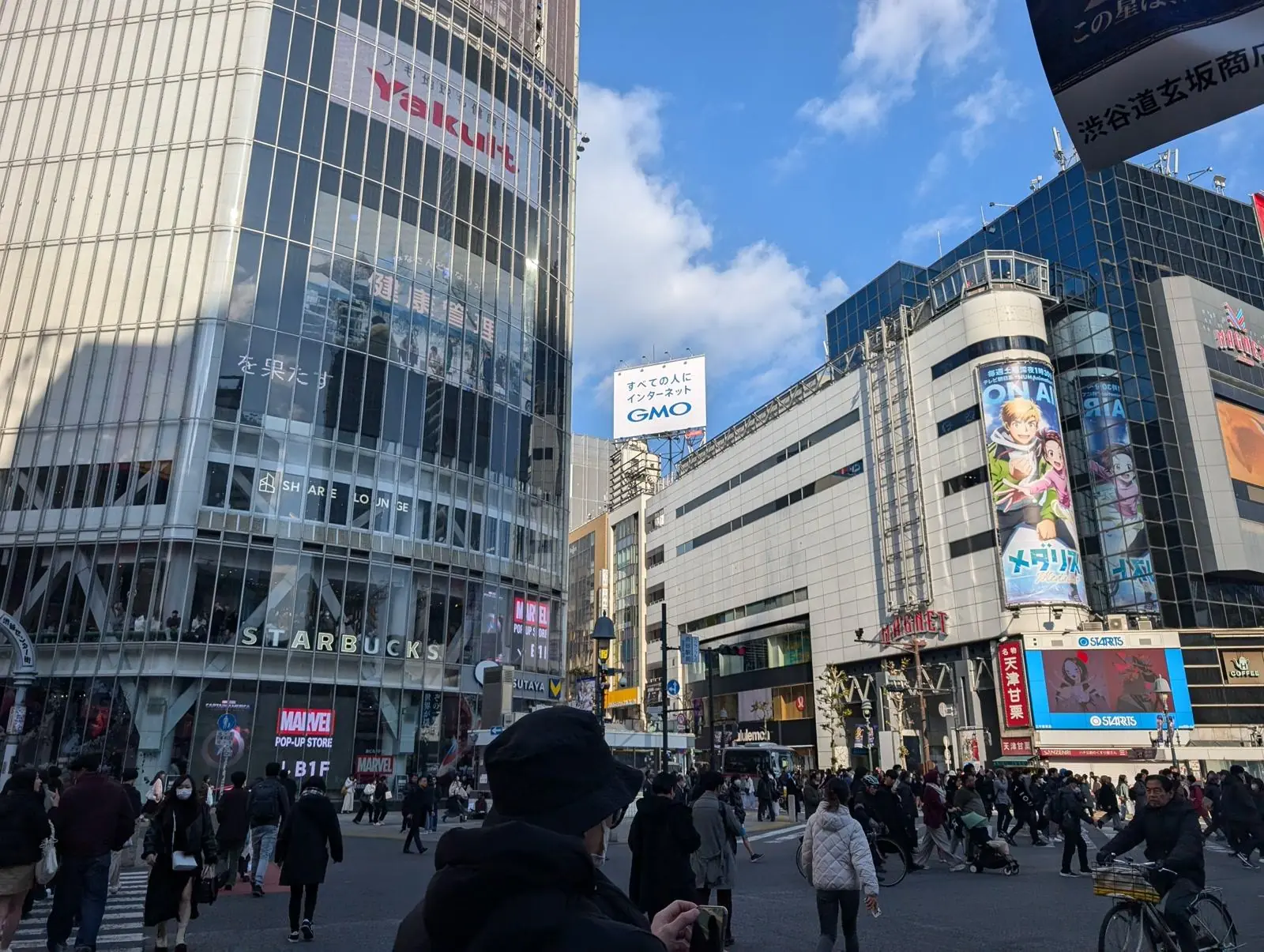
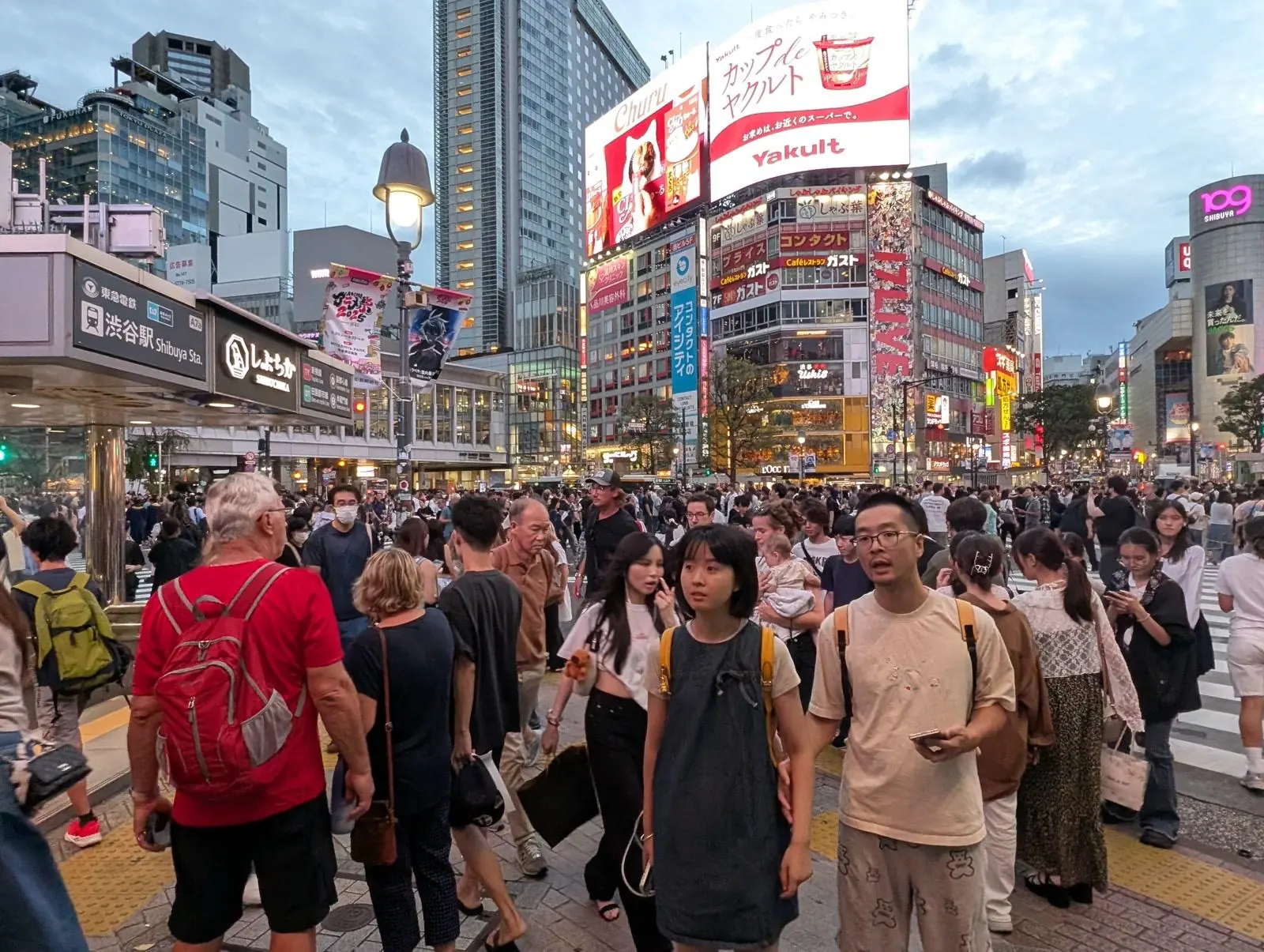
Shibuya is where most first-time visitors feel they've finally "seen" Tokyo. It's chaotic in the best way — a neighborhood built around a pedestrian intersection and a train station, now layered with a post-2020 wave of skyscrapers that added new viewing platforms and dining districts. It's the neighborhood I'd send a Tokyo first-timer to if they only had one afternoon.
Shibuya Crossing (the free spectacle)
Roughly 2,500-3,000 pedestrians cross during a single green light at peak hour, and up to 100,000 pass through in an hour on weekends. Guinness recognizes it as the world's busiest pedestrian crossing. Best photo angles: the Starbucks on the second floor of Tsutaya (pay-for-a-drink-and-stay), the outdoor terrace at Shibuya Scramble Square, or ground level from the Hachiko side. Peak drama is Friday and Saturday nights between 7:00 PM and 10:00 PM — rain makes the photos significantly better because umbrellas create color and texture.
Shibuya Sky (book ahead or lose)
On top of Shibuya Scramble Square, 229 meters up, this open-air 360° deck has quickly become the view in Tokyo. Adult admission: ¥3,000 before 3:00 PM, ¥3,700 from 3:00 PM onward. Sunset slots sell out within minutes of being released, often two weeks in advance. Book on the official site, not third-party platforms — counter tickets on the day of are nearly impossible to get at golden hour. On a clear day, Mt. Fuji is visible to the west.
Beyond the icon
Most visitors stop at the Crossing and Shibuya Sky, and miss everything else Shibuya does well. Dogenzaka (the hill west of the station) has the best concentration of bars and music venues. Udagawacho, just north, is where Tokyo's club culture lives. Shibuya Parco is worth an afternoon for design and food on the upper floors. Nonbei Yokocho — "Drinker's Alley" — is a tiny strip of 40+ post-war shanty bars squeezed under the elevated train tracks, the Shibuya equivalent of Shinjuku's Golden Gai but smaller and less English-friendly.
How much time: 3-5 hours, plus Shibuya Sky at sunset if you can book it. Who it's for: first-timers who want the urban-Tokyo hit, photography people, anyone doing a one-city visit.
Shinjuku: The Neighborhood That Contains Everything
Shinjuku is functionally three neighborhoods that happen to share a station. Each side of Shinjuku Station has a completely different personality, and understanding that split saves you from wasting time wandering the wrong direction.
West side: skyscrapers and the free view
The west exit is the business district — tall glass buildings, hotel lobbies, and one of the best free experiences in Tokyo: the Tokyo Metropolitan Government Building (Tocho). Its observation decks are 202 meters up and completely free. South Deck hours are 9:30 AM - 9:30 PM; North Deck is 9:30 AM - 5:00 PM. On clear days, Mt. Fuji is visible to the west. In 2026, there's also a projection mapping show on the building's exterior nightly from sunset until about 9:45 PM — underrated and free.
East side: shopping and Omoide Yokocho
East Shinjuku is department stores — Isetan, Lumine, Takashimaya — with some of Tokyo's best depachika (basement food halls). Tucked next to the station's west exit (confusingly) is Omoide Yokocho, "Memory Lane," a 60+ year old alley of tiny yakitori and ramen stalls that seat six or seven people at a time. Grills fire up around 5:00 PM and everything smells like smoke. It's touristy now but still authentic at the right hour.
Kabukicho: the nightlife engine
North-east of Shinjuku Station, Kabukicho is Tokyo's largest nightlife district — bars, clubs, karaoke, host clubs, and tourist-oriented oddities like the Godzilla Head on the 8th floor of Hotel Gracery (12 meters tall, roars hourly from noon to 8:00 PM). The real attraction is Golden Gai: six narrow alleys containing 200+ miniature bars, most seating 6-8 people. Peak hour is 10:00 PM to midnight. Many bars charge a ¥500-1,000 seating fee and are regulars-only; look for bars with English menus posted outside — those welcome first-timers.
Shinjuku Gyoen: the green break
When Shinjuku overwhelms, Shinjuku Gyoen is the exit. A former imperial garden turned national park, ¥500 entry, 9:00 AM - 4:30 PM (last entry 4:00 PM), closed Mondays. Cherry blossom season pulls crowds, but the rest of the year you'll find quiet lawns and a Japanese garden that rivals Kyoto's in miniature. Early morning cherry blossom openings in April extend hours — check the official site during peak season.
How much time: 4-8+ hours depending on which sides you explore. Easily a full day. Who it's for: food travelers, night owls, anyone staying in Tokyo 5+ days, repeat visitors.
The Decision Matrix: Pick Based on Your Time
After hundreds of tours, I've found these sequences work reliably:
- If you have 2 hours → Shibuya only. Crossing + Shibuya Sky at sunset. Skip the other two.
- If you have 4 hours → Harajuku 1 hour (Takeshita + a crêpe) → walk Cat Street to Shibuya (25 min) → Shibuya 2.5 hours. Skip Shinjuku.
- If you have a full day → Shinjuku morning (Tocho view at opening, Shinjuku Gyoen, depachika lunch) → Yamanote to Harajuku (Takeshita, Meiji Shrine) → Yamanote to Shibuya → Shibuya Sky at sunset → Kabukicho for dinner/Golden Gai after dark.
- If you want nightlife → Shinjuku, hands down. Kabukicho + Golden Gai + Omoide Yokocho is a three-act evening unmatched in Tokyo.
- If you're jet-lagged on arrival day → Shibuya. It's the most sensory-overload accessible, most English-friendly, and wakes you up.
- If you're a repeat visitor → Shinjuku + Harajuku's Cat Street + Omotesando architecture. Skip Shibuya Crossing; you've done it.
📝 Guide's Insider Note
The single most common mistake I see: treating Harajuku, Shibuya, and Shinjuku as equivalent half-day blocks. They're not. Takeshita Street is a 60-minute experience, not a three-hour one — visitors who plan "Harajuku afternoon" end up wandering the same 400 meters twice and then getting tired.
The fix is asymmetric allocation. My default sequence on full-day tours: Shinjuku 3-4 hours in the morning, Harajuku 90 minutes at lunch, Shibuya 3 hours including Shibuya Sky at sunset. Never the other way around — Shibuya Crossing at noon is half the experience it is at night, and Shinjuku at night is half the experience it is with daylight to actually navigate the side streets.
If jet lag is a factor, flip: Shibuya as the wake-up shock in the afternoon, Shinjuku dinner + Kabukicho, save Harajuku for a second day when you can walk in daylight.
Updated based on Manabu's actual tours. Last visit: April 2026.
Frequently Asked Questions
Which neighborhood should I stay in?
Shinjuku wins on pure convenience — the station is Japan's busiest, with direct connections to Narita, Haneda, and the Fuji Excursion to Kawaguchiko. Restaurants stay open latest. Shibuya is a close second, better if nightlife matters and you want direct access to Shibuya Sky. Harajuku is too quiet after 8 PM to base a trip from. For first-timers, my default recommendation is Shinjuku west exit (near the Tocho).
Can I walk between all three?
Partly. Harajuku → Shibuya via Cat Street is ~25 minutes and the walk itself is worth doing — you pass through the best independent shopping stretch in Tokyo. Shinjuku → Harajuku on foot is about 25 minutes through Yoyogi Park, pleasant but mostly a park walk rather than urban discovery. Total three-way walk: around 50 minutes, but most visitors take the train for the Shinjuku leg.
When's the best time for Shibuya Crossing photos?
Friday or Saturday night, 7:00-10:00 PM, for maximum crowd density and neon saturation. Rainy nights are underrated — umbrellas add color and texture that dry nights don't have. For safer daylight photos, weekday midday works well and the Starbucks on the second floor of Tsutaya (order a drink, stay as long as you want) is the classic angle.
Is Kabukicho safe at night?
Generally yes on the main streets (Central Road, Yasukuni-dori frontage, and Golden Gai). The standard advice: ignore touts offering to lead you to "cheap" bars — that's the primary scam. Don't follow anyone down side streets. Stick to places with visible English menus or published prices. Golden Gai itself is essentially safe; the sketchier blocks are southeast of Kabukicho in the "no-go" map that locals all know but rarely name out loud.
How much should I budget for each?
Harajuku for a crêpe + Takeshita browse + Meiji Shrine: ¥2,000-3,000. Shibuya with Shibuya Sky + one meal: ¥6,000-8,000. Shinjuku for a Tocho view (free) + Shinjuku Gyoen (¥500) + depachika lunch + one Golden Gai bar: ¥4,000-6,000. Add more for nightlife — Kabukicho can go as high as you let it.
Do you offer tours that cover all three?
Yes. My Shibuya & Harajuku walking tour covers the two southern neighborhoods including Cat Street and Meiji Shrine. For a three-neighborhood day including Shinjuku, a custom itinerary is the right fit — the timing and sequence matter too much for a fixed template. Message me with your dates and I'll map it out.
Want these three neighborhoods walked in the right order, with the shortcuts?
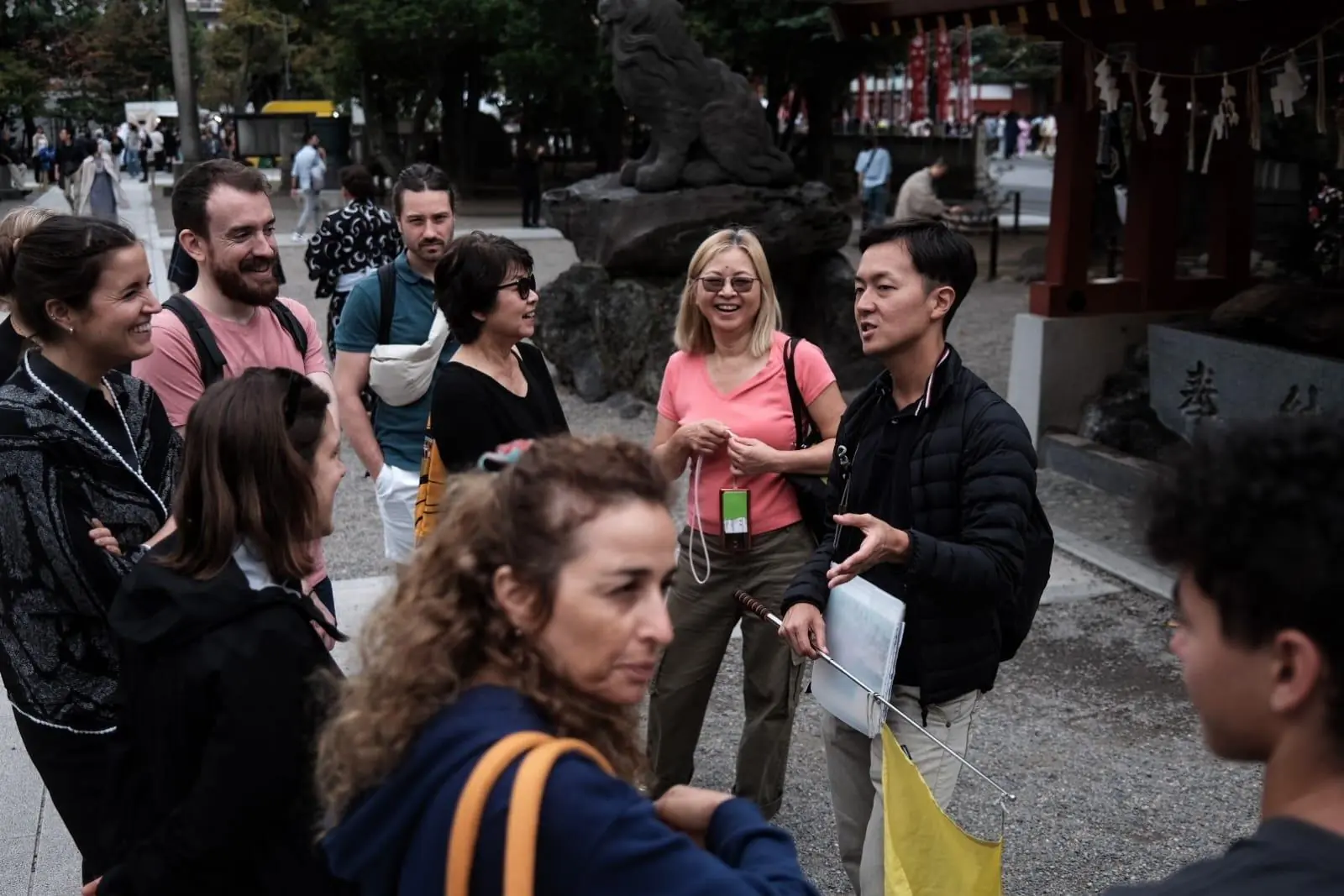
On my private tours, I sequence Shinjuku, Harajuku, and Shibuya based on your arrival energy, your photo priorities, and the day's weather. You skip the wandering most first-timers do, and you finish the day at Shibuya Sky at sunset with a reservation already in your inbox. No fixed scripts. Just a licensed local guide who has walked these neighborhoods thousands of times and knows which corner of Kabukicho is worth your evening.