Quick Answer
Senso-ji Temple receives approximately 30 million visitors per year, making it the most visited temple in Japan and one of the busiest religious sites on Earth. Founded in 645 AD, it is Tokyo's oldest temple.
But 90% of those visitors see only the main hall and leave. A guide who works here weekly shares 5 hidden spots inside the complex that most tourists walk right past.
If you have spent any time researching a trip to Tokyo, you have almost certainly come across this claim: "Senso-ji receives 30 million visitors per year, making it the most visited religious site in the world." It appears in guidebooks, travel blogs, and even official tourism materials. In my tours through Asakusa, guests ask me about it constantly. And the truth, as with most things in Japan, is more nuanced than the headline suggests.
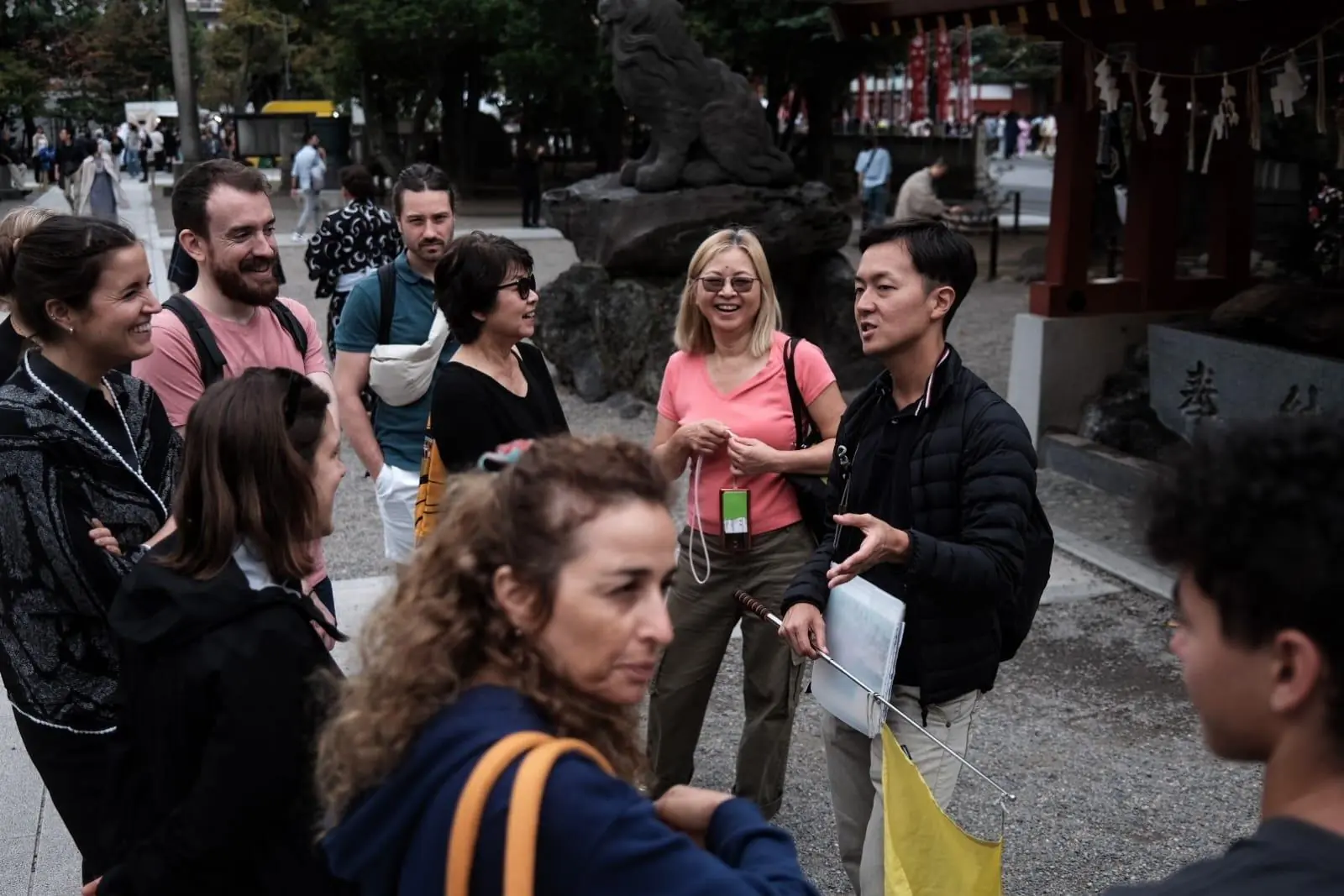
I have been guiding at Senso-ji for years, leading private walking tours through the temple grounds, down the backstreets of Asakusa, and into the quieter corners that most of those millions never discover. I have seen the temple at sunrise on a freezing January morning with almost nobody around, and I have navigated it on a Golden Week afternoon when the crowd felt like a living organism with its own current. The number of Senso-ji visitors is genuinely staggering, but understanding what the number actually means, where it comes from, and how it shapes the experience on the ground will help you plan a much better visit.
The 30 Million Number: Where Does It Come From?
The figure of 30 million annual Senso-ji visitors is widely cited, but few people stop to ask how it is calculated. Japanese temples and shrines do not have turnstiles or ticket gates. There is no admission fee at Senso-ji. You walk onto the grounds freely, 24 hours a day, 365 days a year. So how does anyone count?
The answer is estimation. The temple administration, local ward government, and tourism agencies use a combination of methods: manual foot-traffic surveys conducted at key entry points during sample periods, data from nearby train stations (particularly Asakusa Station on the Ginza, Asakusa, and Tobu Skytree lines), and extrapolation from event-specific counts during festivals like Hatsumode (the New Year's visit) and Sanja Matsuri. These numbers are then annualized to produce the headline figure.
Is it precise? No. Could the real number be 25 million, or 35 million? Absolutely. But the order of magnitude is credible, and the sheer scale of Senso-ji visitors is undeniable to anyone who has stood on Nakamise-dori at noon on a Saturday.
How does this compare internationally? The Vatican claims roughly 5 to 6 million visitors annually to St. Peter's Basilica, though Vatican City as a whole sees more. The Golden Temple in Amritsar draws an estimated 100,000 pilgrims daily, which would put it at around 35 million annually. Mecca receives approximately 15 to 20 million during the Hajj and Umrah seasons combined. The Meiji Shrine in Tokyo's Shibuya ward gets about 10 million. Whether Senso-ji holds the absolute global crown depends on how you define "visitor" and "religious site," but it is unquestionably in the top tier. What I always tell my clients is this: the exact ranking matters less than the reality you will encounter on the ground.
What 30 Million Visitors Actually Looks Like
Thirty million visitors spread across a year averages out to roughly 82,000 people per day. But averages are misleading because Senso-ji visitors do not arrive in a steady stream. The distribution is wildly uneven, and understanding the pattern is the single most useful thing you can learn before visiting.
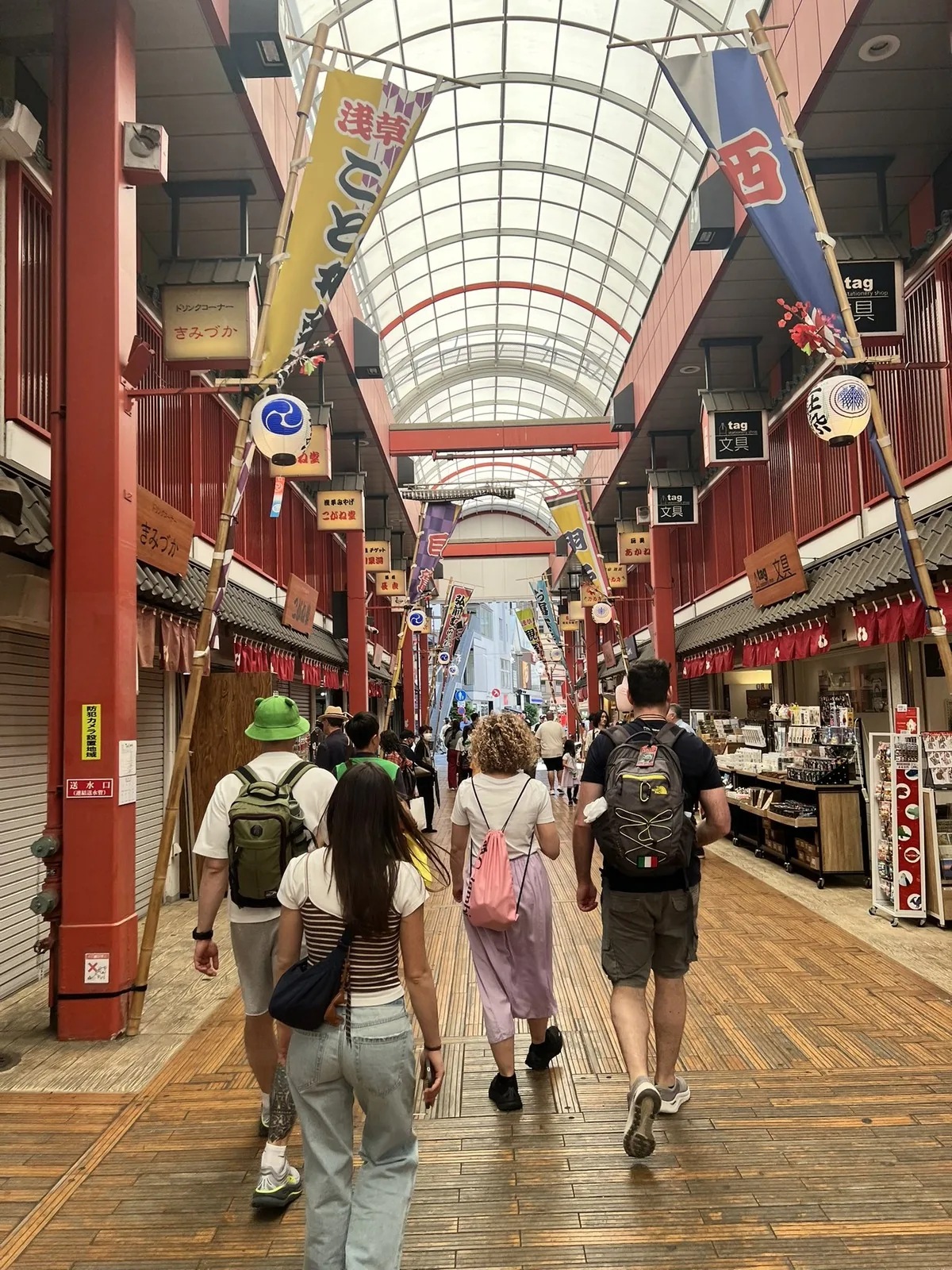
Peak hours (10 AM to 3 PM on weekends and holidays): This is when Senso-ji feels like a major train station at rush hour. Nakamise-dori, the 250-meter shopping street leading from Kaminarimon Gate to the main hall, becomes a slow-moving human river. You will be shoulder to shoulder with tour groups, families, couples taking selfies, and school excursion students in matching hats. The incense cauldron in front of the main hall is surrounded three-deep. Getting a clean photograph of Kaminarimon without dozens of people in it is essentially impossible. I have guided tours during these hours many times, and while it is manageable with experience, it requires patience and realistic expectations.
Early morning (before 8 AM): A completely different world. The Nakamise shops are shuttered, their metal gates creating an unusual corridor. The temple grounds are quiet, perhaps a few joggers, some elderly locals doing morning prayers, a photographer or two. The incense smoke drifts lazily. You can hear birds. The massive Hozomon gate and the main hall feel monumental in a way that is impossible to appreciate when they are swallowed by crowds. In my tours, I always offer an early morning option for guests who are willing to set an alarm, and every single person who has taken me up on it has said it was the highlight of their trip.
Seasonal variations: Spring (late March to mid-April) brings cherry blossom viewers who combine Senso-ji with hanami along the Sumida River. Golden Week (late April to early May) is the busiest period after New Year's. Summer sees slightly fewer visitors due to Tokyo's brutal humidity, though the Sumida River Fireworks Festival in late July creates a massive one-day spike. Autumn is popular with domestic tourists enjoying fall foliage. And January 1-3 brings the Hatsumode rush, with an estimated 2.8 million people visit Senso-ji in just those three days.
Why Senso-ji Draws So Many People
The sheer volume of Senso-ji visitors is not an accident. Several factors converge to make this particular temple a magnet in a country that has over 77,000 temples.
History that reaches back to the beginning: Senso-ji's founding in 645 AD makes it the oldest temple in Tokyo, predating the city itself by nearly a thousand years. According to tradition, two fishermen pulled a golden statue of the bodhisattva Kannon from the Sumida River, and a temple was built to enshrine it. That statue, whether it exists or not (the temple says it does but it has never been publicly displayed), has been the spiritual heart of this location for nearly 1,400 years. There is something genuinely powerful about standing in a place where people have come to pray, hope, and find solace for that long. I feel it every time I walk through the grounds, and in my tours I try to convey that sense of continuity.
Asakusa's entertainment history: Senso-ji did not become popular in isolation. The temple's growth is inseparable from the story of Asakusa itself, which was Tokyo's premier entertainment district for centuries. During the Edo period (1603-1868), the area around the temple became a licensed entertainment zone with kabuki theaters, street performers, restaurants, and pleasure quarters. This tradition of combining the sacred and the secular (worship in the morning, entertainment in the afternoon) gave Senso-ji a cultural gravity that purely religious sites rarely achieve. To learn more about this layered history, I recommend reading my complete Asakusa guide, which covers the neighborhood in depth.
Accessibility: Senso-ji is absurdly easy to reach. Asakusa Station is served by the Ginza Line, the Asakusa Line, and the Tobu Skytree Line. The temple is a five-minute walk from the station. There is no admission fee, no ticket required, no reservation needed. You can visit for five minutes or five hours. This frictionless access is a huge factor. Compare it to, say, the Fushimi Inari Shrine in Kyoto, which requires a train ride to a less central station and a significant uphill hike to see the full trail.
The festival calendar: Senso-ji hosts or anchors dozens of annual events. Sanja Matsuri in May draws nearly two million people over three days. The Hozuki-ichi (ground cherry market) in July is a tradition dating back centuries. The Hagoita-ichi (battledore fair) in December fills the grounds with colorful stalls. Setsubun in February brings bean-throwing ceremonies. Each festival adds another wave of visitors and keeps the temple relevant in the cultural life of the city year-round.
How to Visit Without the Crowds
After years of guiding at Senso-ji, I have developed reliable strategies for giving my clients a meaningful experience even during busy periods. Here is what works.
The before-8 AM strategy: This is my number one recommendation, and it works every time. The temple grounds are open around the clock, but the Nakamise shops do not open until around 9:30 or 10 AM. Between 6 and 8 AM, you get the architectural grandeur, the spiritual atmosphere, and the photographic opportunities without the crowds. The main hall opens at 6 AM (6:30 AM from October to March), so you can go inside for morning prayers. The light at this hour is extraordinary: soft, warm, and directional. If you are a photographer, this is non-negotiable. I always tell my clients: the temple you see at 7 AM and the temple you see at noon are essentially two different places.
Weekday vs. weekend: The difference is enormous. A Tuesday morning at Senso-ji has perhaps one-fifth the foot traffic of a Saturday afternoon. If your Tokyo itinerary has any flexibility at all, slot Asakusa into a weekday. Wednesday and Thursday tend to be the quietest. Monday can be slightly busier because some museums are closed that day, pushing more tourists toward outdoor attractions like temples.
Seasonal timing: If you are visiting Tokyo between mid-June and mid-July (the rainy season) or during the height of summer in August, Senso-ji will be noticeably less crowded than during the spring or autumn peak seasons. Rainy days are particularly good. The wet flagstones reflect the red lanterns, the incense smoke hangs low, and the atmosphere is genuinely beautiful. Bring an umbrella and enjoy what amounts to a private viewing.
Enter from the side: Most visitors approach through Kaminarimon and walk the full length of Nakamise-dori. Instead, enter from the west through the quieter residential streets and Nitenmon Gate, or from the east near Asakusa Shrine. You arrive at the main hall without fighting through the shopping street and can explore the less-visited corners first.
What Most of Those 30 Million Visitors Miss
Here is what fascinates me most about the Senso-ji visitors statistics: the vast majority of those 30 million people follow an almost identical route. They enter through Kaminarimon, walk straight down Nakamise-dori, take a photo at the main hall, perhaps draw a fortune slip, and leave. The entire visit takes 30 to 45 minutes. They miss an enormous amount, and these hidden layers are what I live for as a guide.
If you are weighing whether that kind of depth justifies bringing someone along, I have written an honest look at whether hiring a guide in Tokyo is worth it, including the trips where it plainly is not.
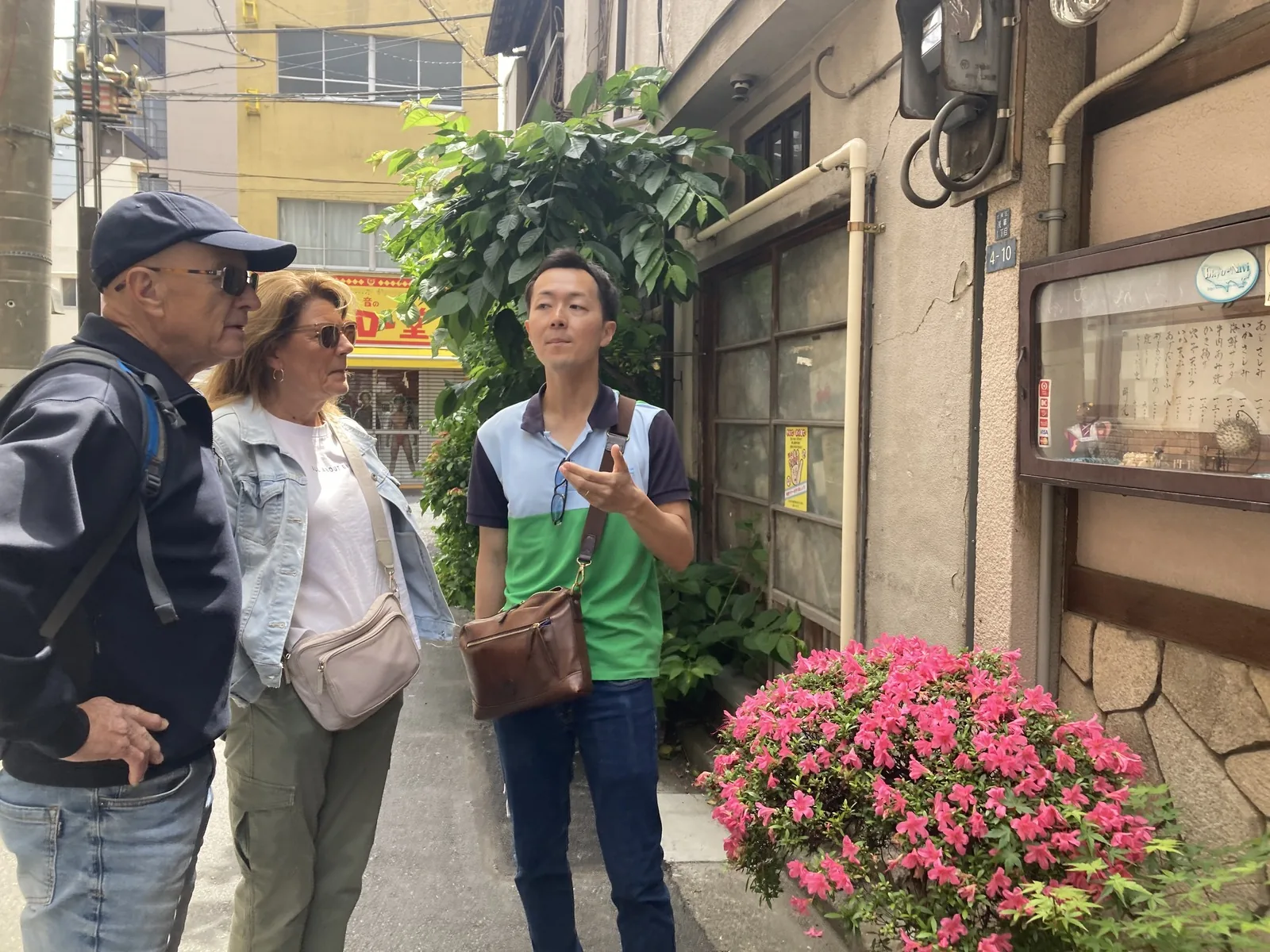
The backstreet shrines: Within a five-minute walk of Senso-ji's main hall, there are over a dozen smaller shrines and temples that receive almost zero tourist traffic. Asakusa Shrine, immediately adjacent to Senso-ji's eastern wall, is criminally overlooked despite being designated an Important Cultural Property with original 1649 architecture. Bentendo, a small octagonal temple on a tiny island in the old Benten Pond (now a park), is beautiful and usually deserted. Imado Shrine, a short walk north, is famous among Japanese visitors for its maneki-neko (lucky cats) and matchmaking prayers but virtually unknown to international tourists.
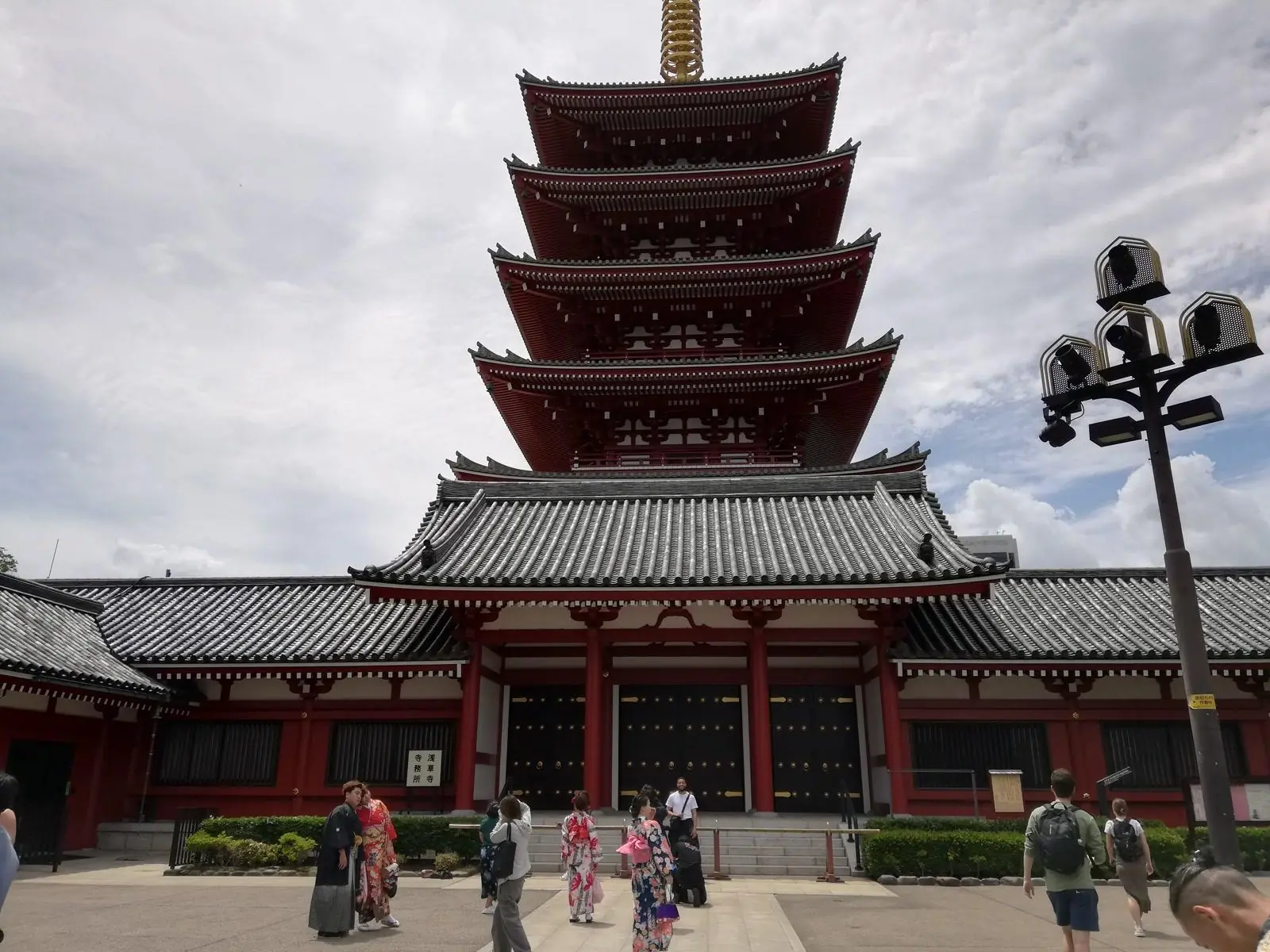
The Five-Story Pagoda interior: Most visitors photograph the pagoda from outside and move on. But on certain occasions, particularly during temple festivals and the spring opening period, visitors can access the ground floor, which contains sacred relics from Sri Lanka and Myanmar. Even when the interior is closed, most tourists do not realize that the current pagoda, rebuilt in 1973, stands in a different location from the original destroyed in the 1945 air raids. The original foundation stones are still visible near the northwest corner of the grounds if you know where to look.
The Denboin Garden: This is perhaps the most beautiful hidden space in all of Asakusa. The Denboin Garden is a 17th-century Edo-period garden attached to the abbot's quarters of Senso-ji. It features a serene pond, carefully sculpted pine trees, stone lanterns, a tea house, and a stunning view of the pagoda reflected in still water. The garden opens only seasonally, typically in spring, and requires a small admission fee. Most Senso-ji visitors have no idea it exists. When I bring clients here during the opening period, the reaction is always the same: disbelief that something this peaceful could be hiding meters from one of the world's busiest tourist attractions.
For a deeper look at the traditional neighborhoods surrounding Senso-ji and how they connect to the broader story of old Tokyo, my guide to Shitamachi covers the historical context that most travel articles miss.
Experience Senso-ji Beyond the Crowds
Most visitors miss 90% of what makes this temple special. Our Asakusa Walking Tour takes you through the hidden side entrances, explains the rituals, and reveals the stories behind every structure.
Book Your Asakusa TourFrequently Asked Questions
Is Senso-ji really the most visited temple in the world?
Senso-ji consistently ranks among the most visited religious sites globally, with an estimated 30 million visitors per year. Whether it holds the absolute top spot depends on how you define and count visitors. The Golden Temple in Amritsar and sites in Mecca draw comparable or larger numbers. What is certain is that Senso-ji is the most visited temple in Japan and one of the busiest religious sites on Earth.
What is the best time of day to visit Senso-ji?
Before 8 AM is the best time by a wide margin. The grounds are open 24 hours, and the main hall opens at 6 AM (6:30 AM from October to March). At this hour, you will have the temple nearly to yourself. Evening visits after 5 PM are also excellent. The gates and pagoda are beautifully illuminated after dark.
Does Senso-ji charge an entrance fee?
No. Senso-ji is completely free to enter, including the main hall. This is one reason it attracts so many visitors. The only costs are optional: fortune slips (100 yen), incense, and amulets. The Denboin Garden, which is a separate area, charges a small admission fee during its limited seasonal opening.
How long should I spend at Senso-ji?
Most visitors spend 30 to 45 minutes, but I recommend at least 90 minutes to two hours. This gives you time to explore the main hall, draw a fortune, visit the often-overlooked Asakusa Shrine next door, walk the backstreets, and perhaps find a quiet bench to simply sit and absorb the atmosphere. If Denboin Garden is open, add another 30 minutes.
📝 Guide's Insider Note
Crowds have been noticeably heavier this week due to cherry blossom season overlapping with school holidays. If you want the "empty temple" experience I always recommend, come before 7 AM — the grounds are open and you'll share the space with maybe 10 other people and the temple's resident pigeons.
The five-story pagoda (Gojunoto) is currently beautifully lit in the evenings as part of the spring illumination. It's worth coming back after dinner if your hotel is nearby — the nighttime atmosphere is completely different from the daytime chaos.
Updated based on Manabu's actual tours. Last visit: March 26, 2026.