Quick Answer
The average tip in Japan is ¥0. Tipping is not customary and can cause confusion — most Japanese workers will try to return the money. This applies to restaurants, taxis, hotels, and shops.
But there are 3 specific situations where showing gratitude IS expected — and getting it wrong can be awkward. A local guide explains the full etiquette below.
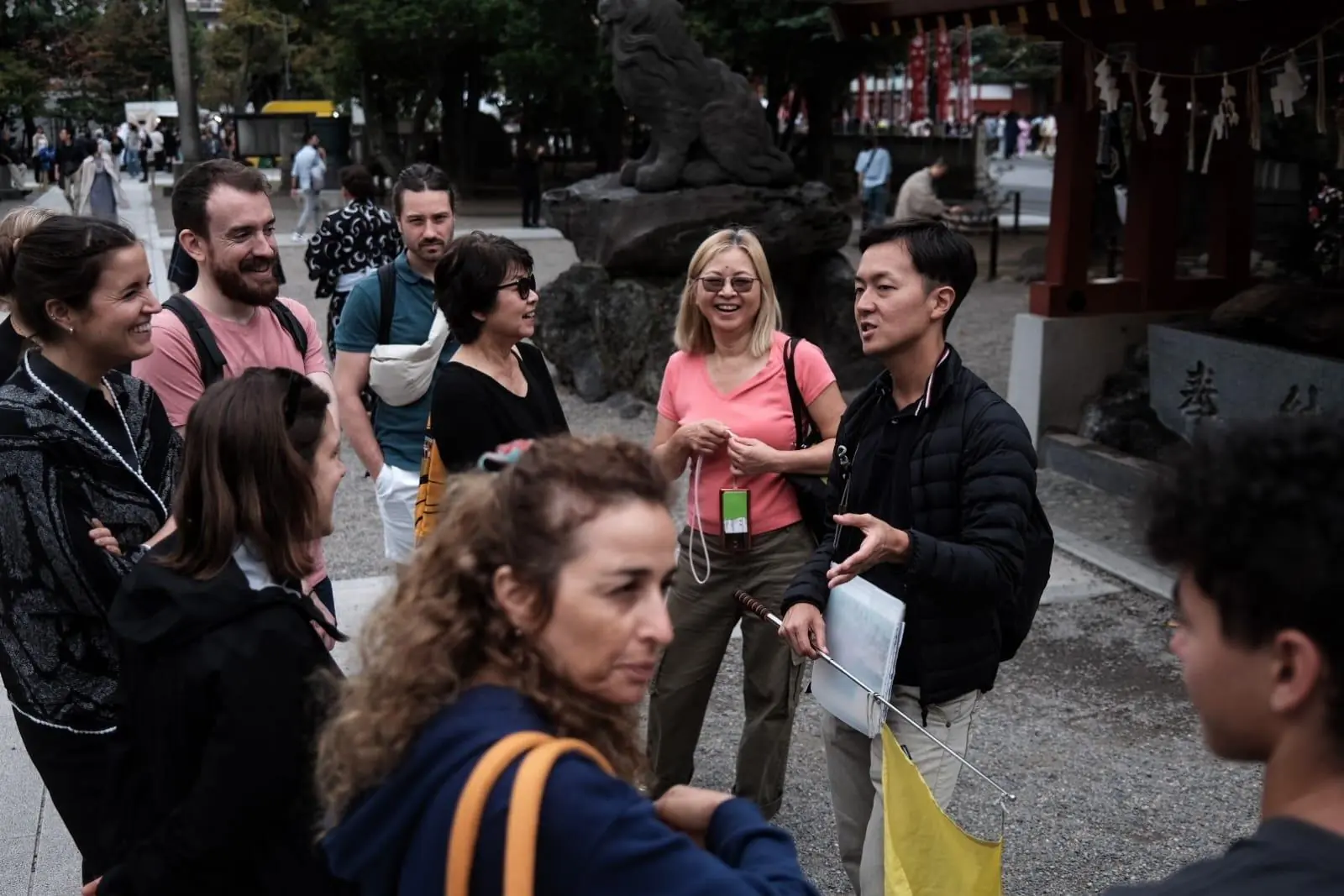
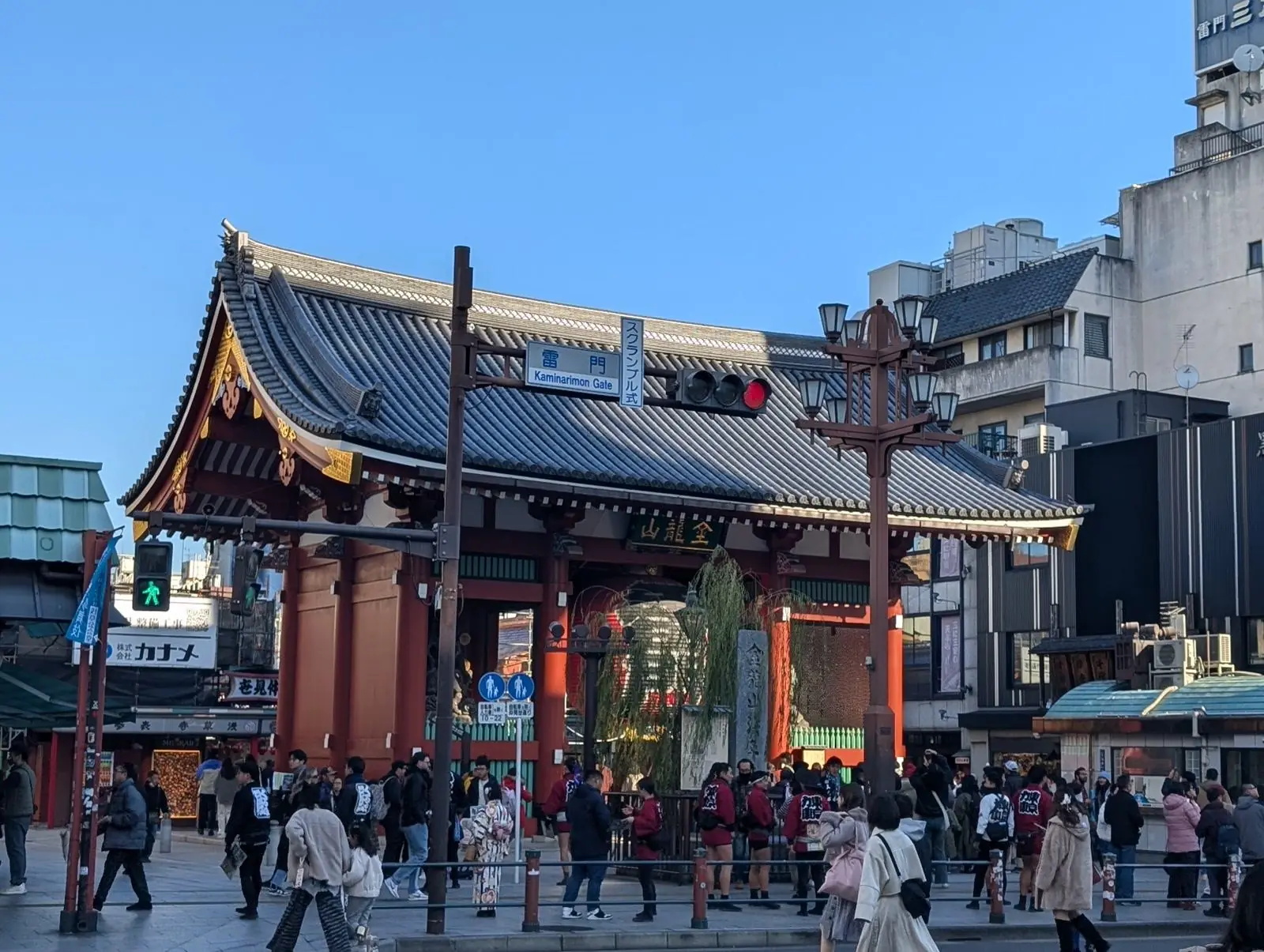
It was a warm October afternoon in Asakusa. I had just finished a four-hour tour with a couple from Chicago. We'd walked through Senso-ji, explored the backstreets, eaten fresh senbei from a 200-year-old shop, and I'd explained the Edo-period merchant class system while standing on the exact spot where the old fish market used to be. They were beaming. As we said goodbye near Kaminarimon Gate, the husband reached into his wallet and pulled out a ¥5,000 note.
"For you," he said, pressing it toward me. "You deserve it."
I smiled and gently declined. He looked confused, almost hurt. His wife looked at him, then at me: "Did we do something wrong?"
They hadn't done anything wrong. But they had just bumped into one of the most counterintuitive cultural differences between Japan and the West: tipping simply isn't part of Japanese culture. Most Japanese people aren't used to receiving tips, so when it happens, they often feel bewildered, not offended, just genuinely unsure how to respond. Let me explain why.
The Moment a Guest Tried to Tip Me (And What I Did)
This scene plays out on my tours more often than you'd think, maybe once every ten tours. An American or European guest, accustomed to a culture where tipping is expected and even constitutes a large part of service workers' income, reaches for their wallet at the end of a great experience.
What I usually do is explain briefly that tipping in Japan isn't part of the culture, and suggest that the best "tip" they can give me is an honest review. No one has ever been offended by this. Most are curious. And that curiosity usually leads to a fascinating conversation about Japanese service culture, one I'm going to have with you right now.
The key thing to understand is that the unfamiliarity with tipping in Japan runs deeper than individual choice. It's structural. It's philosophical. And once you understand it, a lot of other things about Japan start making sense too.
Why Tipping Bewilders Most Japanese People
In the United States, tipping signals satisfaction. In much of Europe, it rounds up a bill. But in Japan, tipping is simply unfamiliar. Most people in service roles have never experienced it. When someone tries to tip, the typical reaction isn't anger or offense, but genuine confusion. They don't know what to do with the extra money or why it's being offered.
Japanese service culture is built on a concept called omotenashi, a word that's often translated as "hospitality" but really means something closer to "wholehearted care without expectation of reward." The idea is that excellent service isn't something you do for tips. It's something you do because it's your professional duty, your craft, and your personal standard. The sushi chef who spends twenty years mastering rice isn't doing it for an extra ¥500 on the table. He's doing it because that's what mastery looks like. So when a customer leaves extra money, the reaction is usually bewilderment: "Did they forget their change? Did I charge the wrong amount?"
Think of it this way: imagine you finish a project at work, and a colleague hands you a $20 bill and says "nice work." You'd probably find it awkward, not because you're angry, but because it's just not how things work in your environment. That's roughly how tipping feels to many Japanese service workers. It's unexpected and confusing, not something they know how to respond to.
There's also a practical dimension. Japanese workers are paid a fair wage for their service. Unlike the American system, where tips can constitute 50–70% of a server's income, Japanese service workers receive their full compensation through their employer. Since tipping has never been part of the system, receiving one can feel like an unexpected situation that nobody trained them to handle.
Does the "No Tipping" Rule Apply Everywhere? (Hotels, Ryokan, Taxis)
The short answer: yes, with very few exceptions. But let me break it down by context, because I get asked about specific situations all the time on my tours.
Restaurants
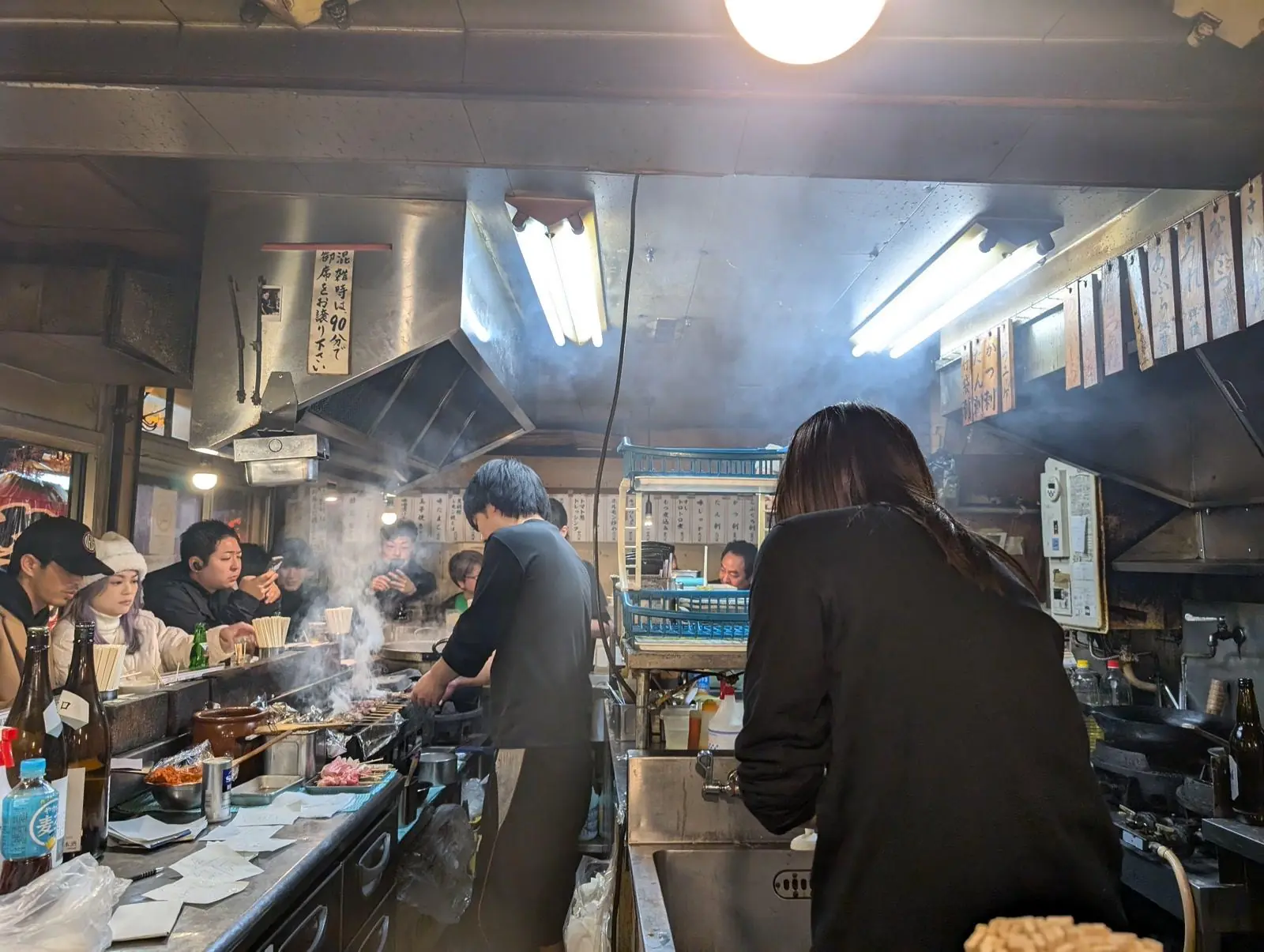
Tipping at restaurants in Japan isn't expected, not at high-end sushi counters, not at izakaya (Japan's answer to a Spanish tapas bar), not at ramen shops. If you leave money on the table, the server will likely chase you down the street to return it, assuming you forgot it. I've seen this happen with my clients at least a dozen times, and the resulting sidewalk exchange (the flustered tourist, the earnest server running with a ¥1,000 note) is a perfect example of the confusion that tipping creates here.
Hotels
Tipping isn't customary at hotels either, including international chains. Some high-end international hotels have started quietly accepting tips from foreign guests who insist, but this is a concession to Western habits, not a Japanese norm. Most hotel staff simply aren't accustomed to receiving tips and may feel unsure how to respond. A sincere verbal thank-you and a bow will always be appreciated more.
Ryokan (Traditional Inns)
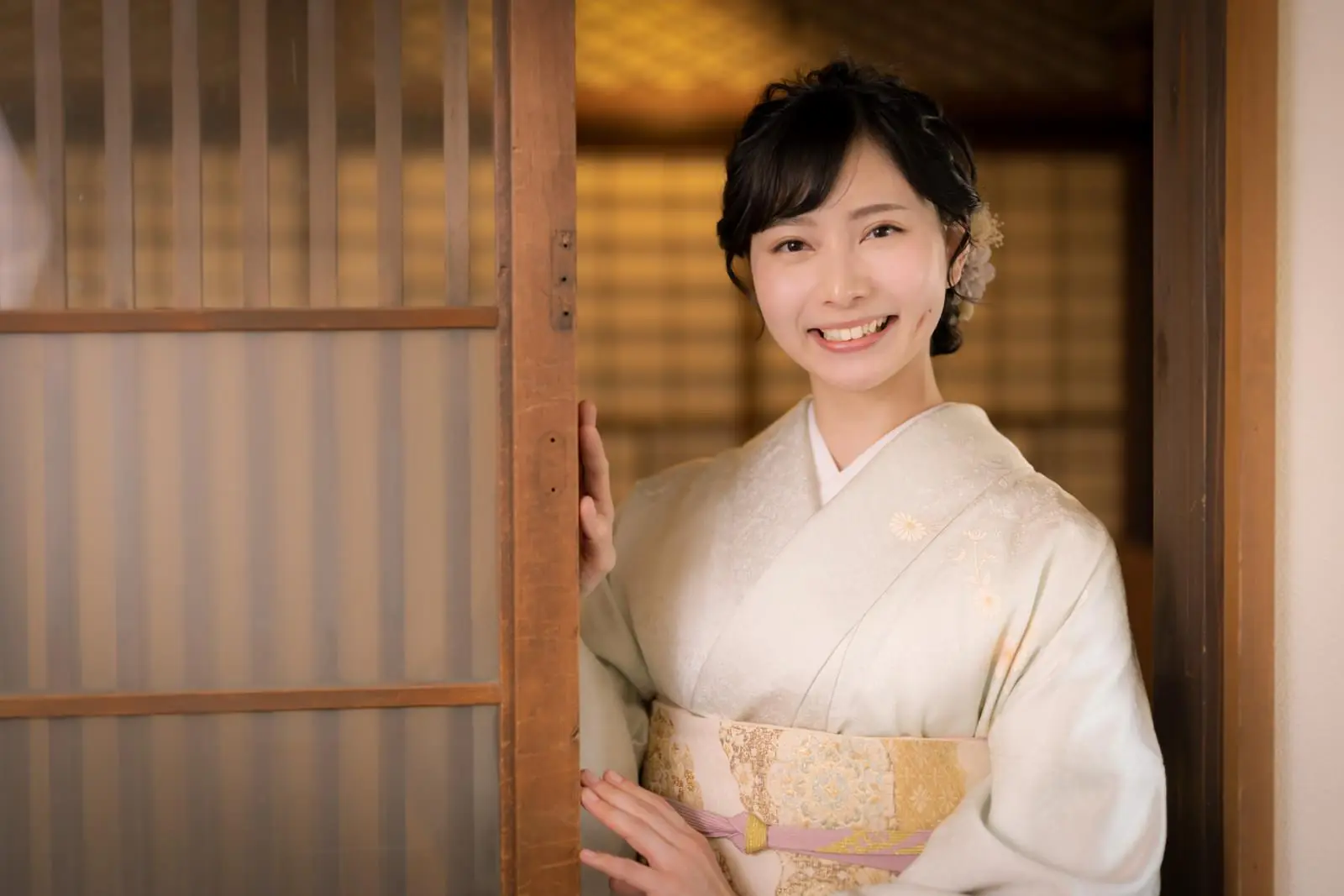
This is the one partial exception. At some traditional ryokan, there is a custom called kokorozuke, a small gift of money placed in a decorative envelope and given to the nakai-san (the attendant who serves your meals and prepares your room). This is not a tip in the Western sense. It's closer to a gift between equals, and the envelope is critical. Handing over bare cash would cause confusion. If you stay at a high-end ryokan, your concierge or hotel can advise you on whether kokorozuke is appropriate and how much to give (typically ¥1,000–¥3,000).
Taxis
Tipping taxi drivers isn't expected either. The meter fare is the fare. If you try to round up, the driver will give you exact change and may look at you with genuine puzzlement. Japanese taxi drivers take pride in their precision (the white gloves, the automatic doors, the immaculate vehicles), and since tipping isn't part of their experience, they simply won't know what to do with the extra money.
How to Show Appreciation the Japanese Way
So if you can't tip, how do you express gratitude to someone who's given you exceptional service? Japan has its own vocabulary for this, and learning it will make your interactions warmer and more genuine.
- Say "arigatou gozaimasu" with a slight bow. This is the gold standard. A sincere thank-you with a slight head bow communicates genuine appreciation in Japan. The depth of the bow isn't critical; even a small nod of the head shows respect. What matters is that you mean it.
- Bring a small gift from your home country. This is the most "Japanese" way to show appreciation. In my tours, the guests who leave the biggest impression are the ones who bring a small box of chocolates, a packet of local coffee, or a souvenir from their hometown. It doesn't need to be expensive; ¥1,000–¥2,000 is plenty. What matters is the thought behind it. In Japanese culture, gift-giving is about the relationship, not the value.
- Write a review. For service providers like tour guides, restaurant owners, and ryokan hosts, an online review is genuinely more valuable than a cash tip. It brings future business and validates their professional reputation.
- A handwritten note. This is surprisingly powerful in Japan. I've received handwritten thank-you cards from guests that I still keep years later. In a culture that values sincerity and effort, a handwritten note in English (or attempted Japanese) communicates something that money never can.

What About Tour Guides? (The Honest Answer)
I should address this directly since I'm a guide myself. Unlike restaurants or taxis, tour guides work in a cross-cultural space where tipping customs often come up naturally. The honest answer? Tips are absolutely welcome and gratefully received. If you had a great experience on your tour and want to show your appreciation with a tip, please don't hesitate. I'm happy to accept it, and so are most guides who work with international visitors.
That said, tips are never expected or required. My tour prices are set to reflect the full value of the experience. They're not artificially low with an expectation that tips will make up the difference. So please never feel pressured. Whether you tip or not won't change the quality of your tour one bit.
Since we are on the subject of money, I have also written up what a private tour guide in Tokyo actually costs — the real numbers, what drives them up or down, and how to tell whether a quote is fair.
And if you're looking for other ways to show appreciation? Leave a detailed review. Mention a specific moment from the tour that stuck with you. Recommend me to a friend who's planning a Japan trip. Or bring me a small souvenir from your hometown. I have a growing collection of hot sauces, chocolates, and local snacks from guests around the world, and every one of them reminds me of a specific tour and a specific conversation.
If you want to learn more about Japanese etiquette at temples and shrines, I've written a separate guide on that. It covers the other cultural customs that trip up visitors most often.
Want a guide who'll explain these cultural nuances in person?
On my private tours, I help guests navigate not just Tokyo's streets but its cultural landscape, from tipping to temple etiquette to ordering at a ramen counter. Browse my tours and find one that fits your trip.
Frequently Asked Questions
What happens if I accidentally tip someone in Japan?
Nothing bad at all. If you leave money on a restaurant table, the server will almost certainly run after you to return it, thinking you forgot your change. If you hand someone cash directly, they may look puzzled but won't be upset. Japanese people understand that tipping is a foreign custom, and most will gently decline simply because they're not used to it. It's not a social catastrophe, just a moment of mutual confusion that's easy to avoid.
Is tipping in Japan changing because of tourism?
Slowly, in very specific contexts. Some international hotels and tour operators have started accepting tips from foreign guests. But the broader culture hasn't shifted. At restaurants, taxis, shops, and ryokan, the no-tipping norm remains firmly in place. I don't expect this to change meaningfully in our lifetimes. Omotenashi is too deeply woven into Japanese identity.
Are there any situations where tipping in Japan is acceptable?
The closest equivalent is kokorozuke at traditional ryokan, a small gift of money in a decorative envelope given to your personal attendant. This is specific to high-end traditional inns and follows strict etiquette (the envelope matters as much as the amount). Outside of this, tipping in Japan is not expected or encouraged in any service context.
How much should I budget for service charges in Japan?
Some upscale restaurants add a 10% service charge (サービス料) to the bill. This is clearly marked and replaces any tip. Budget hotels and restaurants include service in the price with no additional charge expected. For most travelers, budgeting zero for tips is accurate. This makes Japan's pricing refreshingly transparent compared to countries where you need to mentally add 15–20% to every listed price.