A private tour guide in Tokyo costs between ¥40,000 and ¥50,000 per group for a half-day walking tour, and ¥60,000 to ¥80,000 for a full-day experience. Those are per-group prices, not per person, so a family of four pays the same as a couple.
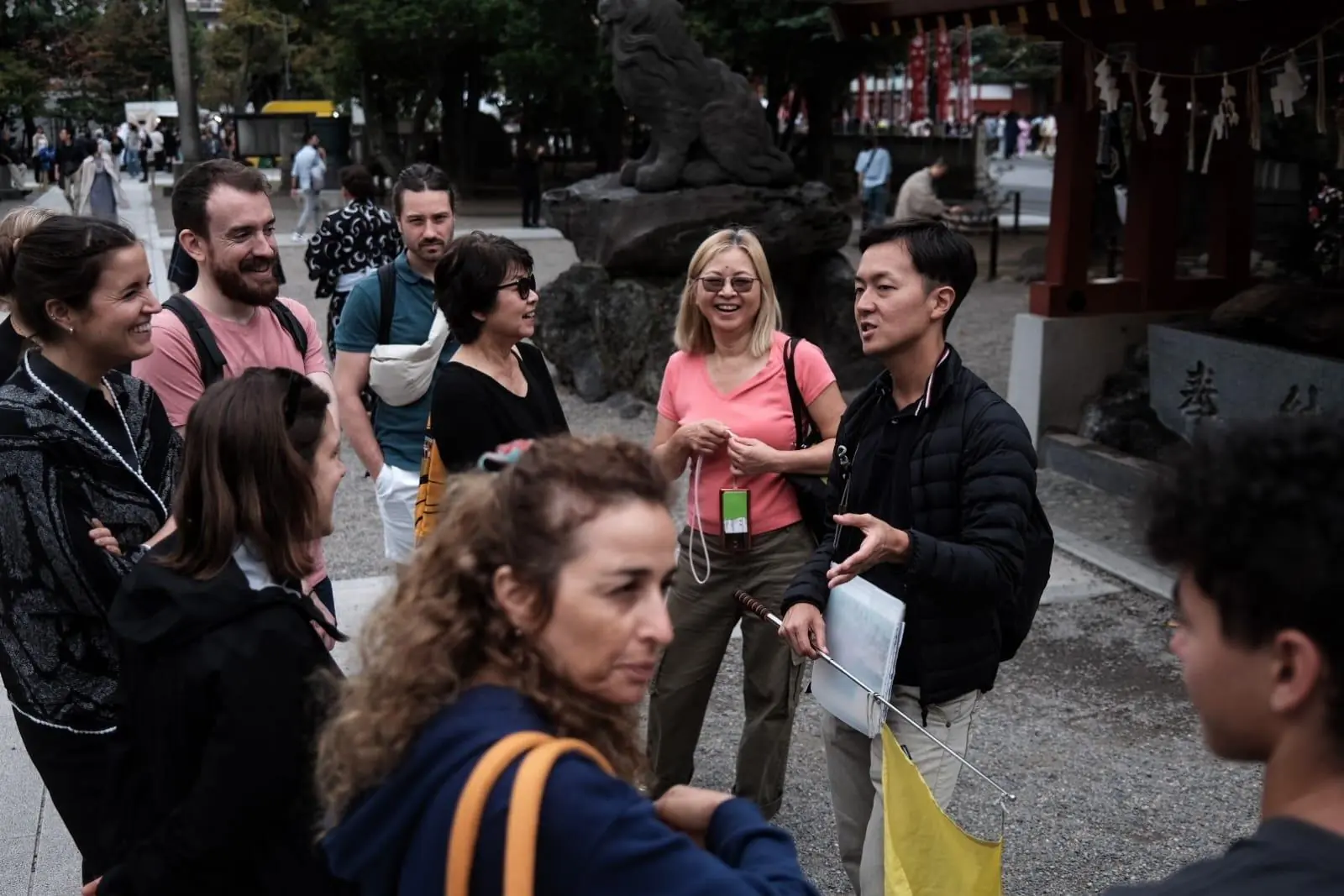
I'm Manabu, a licensed guide who runs private tours in Tokyo every week. I'm going to break down exactly what determines the price, what you get at each level, and when hiring a guide is genuinely worth the money. I'll also tell you when it isn't.
If you're wondering whether a guide is the right call for your trip in general, I wrote a separate article on whether it's worth hiring a guide in Tokyo. This article focuses specifically on the money side.
What You'll Actually Pay: A Breakdown
Here's what the market looks like in 2026. I've organized this from cheapest to most expensive so you can see exactly where each option falls.
A few things to note: platform-based tours (Viator, GetYourGuide, GoWithGuide) add a commission of roughly 20-30% on top of the guide's fee, which means either the guide earns less or you pay more. Independent guides like me set our own prices and keep what we charge, which often means better value for both sides.
What Actually Affects the Price
Group Size (It's Usually a Flat Rate)
Most private guides in Tokyo charge per group, not per person. This is one of the biggest differences from group tours. A couple pays the same as a family of five. For a family of four booking a ¥45,000 walking tour, that's ¥11,250 per person. For a solo traveler, it's the full ¥45,000. The math favors groups.
Some guides add a surcharge for groups larger than 6-8 people, since managing a bigger group requires more effort and changes the logistics.
Duration
Half-day tours (3-4 hours) in central Tokyo typically cost ¥40,000-50,000 per group. Full-day tours (6-8 hours) run ¥60,000-80,000. Day trips to places like Hakone, Kamakura, or Nikko cost more (¥70,000-80,000) because they involve longer hours, complex transport logistics, and travel time.
Licensed vs. Unlicensed Guides
Japan has a national guide certification called the National Government Licensed Guide Interpreter (全国通訳案内士). The exam covers Japanese history, geography, culture, and foreign language proficiency. The pass rate hovers around 10-20% depending on the year.
Licensed guides generally charge more because they've invested years in preparation and have verified deep knowledge. Unlicensed guides can still be good, but quality varies enormously. The license is the only nationally recognized standard. Until 2018, only licensed guides could legally offer paid tours in Japan. The law changed, but the license remains the quality benchmark.
Language
Most licensed guides in Tokyo work in English, Chinese, or Korean. Spanish-speaking licensed guides are rare. If you need a guide who speaks a less common language, expect fewer options and sometimes a small premium. This isn't marketing spin. It's basic supply and demand. For English speakers, you'll have the widest selection and most competitive pricing.
Season
Cherry blossom season (late March to mid-April) and autumn foliage (mid-November to early December) are peak periods. Guides book up weeks in advance, and some charge 10-20% more during these windows. If you're visiting during peak season, book early. If your dates are flexible, shoulder seasons (May, June, September, October) offer the same quality experience with more availability.
Specialization
A general sightseeing tour costs less than a specialized food tour with tastings, a photography-focused tour to specific locations, or a deep-dive into Japanese architecture. Specialization requires additional expertise and often involves coordinating with restaurants, shops, or venues.
What's Included and What's Not
Typically Included
- Guide's time and expertise for the full duration of the tour
- Customized itinerary planned around your interests, pace, and group
- Cultural interpretation at every stop, not just names and dates but the stories behind them
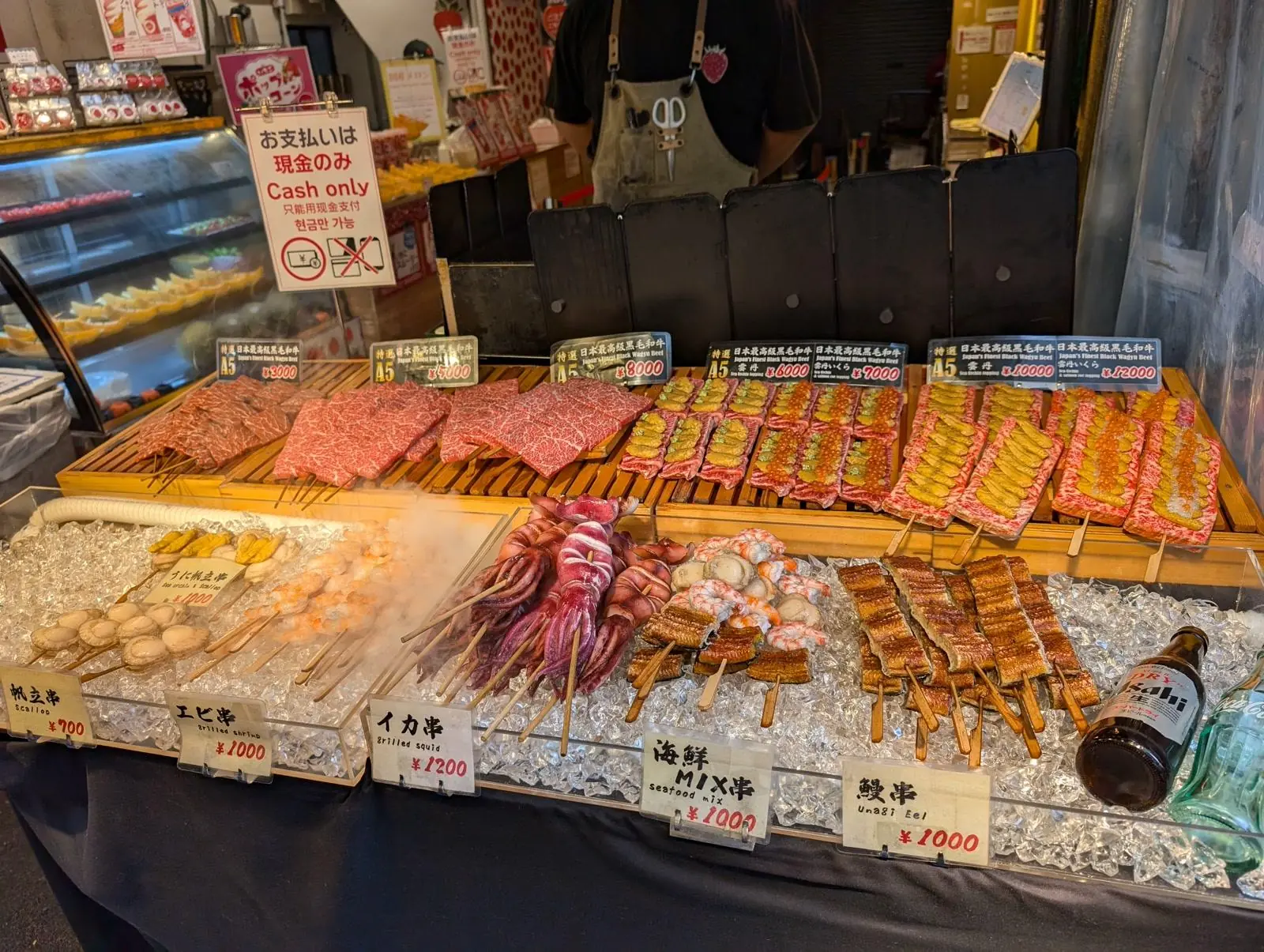
- Restaurant and food recommendations tailored to your dietary needs and preferences
- Navigation through Tokyo's train system, backstreets, and neighborhoods
- Pre-trip communication to plan the day and answer questions about your wider trip
Not Included (Almost Always)
- Transportation costs for both you and the guide (train tickets, buses)
- Food and drinks (your meals and the guide's)
- Admission fees for temples, museums, and attractions
On a typical Tokyo walking tour day, expect to spend an additional ¥2,000-5,000 per person on transport, food, and admissions. For day trips, transport alone can add ¥5,000-8,000 per person depending on the destination.
A Note About Transportation Arrangements
In Japan, arranging transportation for clients requires a travel agency license. I can't book trains or buses for you, but I'll show you exactly how to navigate the system and recommend the best options. Most guides work the same way. If a guide or company offers to arrange all your transportation, they either hold a travel agency license or work with a licensed partner. Always clarify this upfront.
Is It Worth the Money? (Honest Answer)
Not always. I say that as someone who makes a living doing this.
When It's Worth Every Yen
- Families with kids: Managing strollers on crowded trains, finding kid-friendly restaurants, keeping everyone's energy up while actually seeing things. A guide handles the logistics so parents can enjoy the trip too. Kids are included at no extra cost on my tours since it's a flat per-group rate.
- First-time visitors with 3-5 days: When your time is limited, every hour counts. A guide eliminates the time spent figuring out train routes, walking in wrong directions, and waiting at tourist traps. I typically save guests 2-3 hours of wasted time per day.
- Groups of 3+: At ¥45,000 per group, a family of four pays ¥11,250 each. That's comparable to a group tour but with a fully personalized experience and no sharing with strangers.
- Food-focused travelers: The best food in Tokyo is in places without English menus, hidden in basement floors and narrow alleys. A food tour opens doors that are genuinely hard to find on your own.
- Day trips: Destinations like Hakone involve trains, cable cars, ropeways, boats, and buses. Getting the timing right and knowing where to go if weather changes is where a guide's value is highest.
When You're Fine Without One
- Repeat visitors who already know the train system and have their favorite spots
- Independent travelers who enjoy getting lost and discovering things by accident
- Budget travelers where ¥45,000 represents a significant chunk of the daily budget
- Long-stay visitors with plenty of time to figure things out at their own pace
Last month, a couple from Portland emailed me asking about a full week of guided tours. I told them they didn't need that. I suggested they book me for Day 1 to get oriented and a day trip to Kamakura, then explore the remaining days on their own with the confidence that comes from understanding how the city works. They saved money and had a better trip because of it.
A good guide should tell you when you don't need one.
How to Choose the Right Guide
Check for the National License
Ask whether the guide holds the National Government Licensed Guide Interpreter certification. It's the only nationally recognized quality standard in Japan. A licensed guide will have no problem telling you their registration number and issuing prefecture.
Read Reviews on Multiple Platforms
Don't just check one site. Look at Google Reviews, TripAdvisor, and the guide's own booking platform. Pay attention to reviews from travelers similar to you. A solo backpacker and a family with toddlers have very different needs.
Ask About Their Specialty
Some guides specialize in food, others in history, architecture, or photography. If you have a specific interest, find someone who matches it. A generalist is fine for standard sightseeing, but depth comes from specialization.
Confirm What's Included
Before booking, get clear answers on: How long is the tour? What's included in the price? What additional costs should you expect? Is there a cancellation policy? What happens if it rains? Any professional guide will answer these questions directly.
What I Charge (For Transparency)
Since this article is about prices, here are mine. All prices are per group, not per person. Kids come at no extra cost.
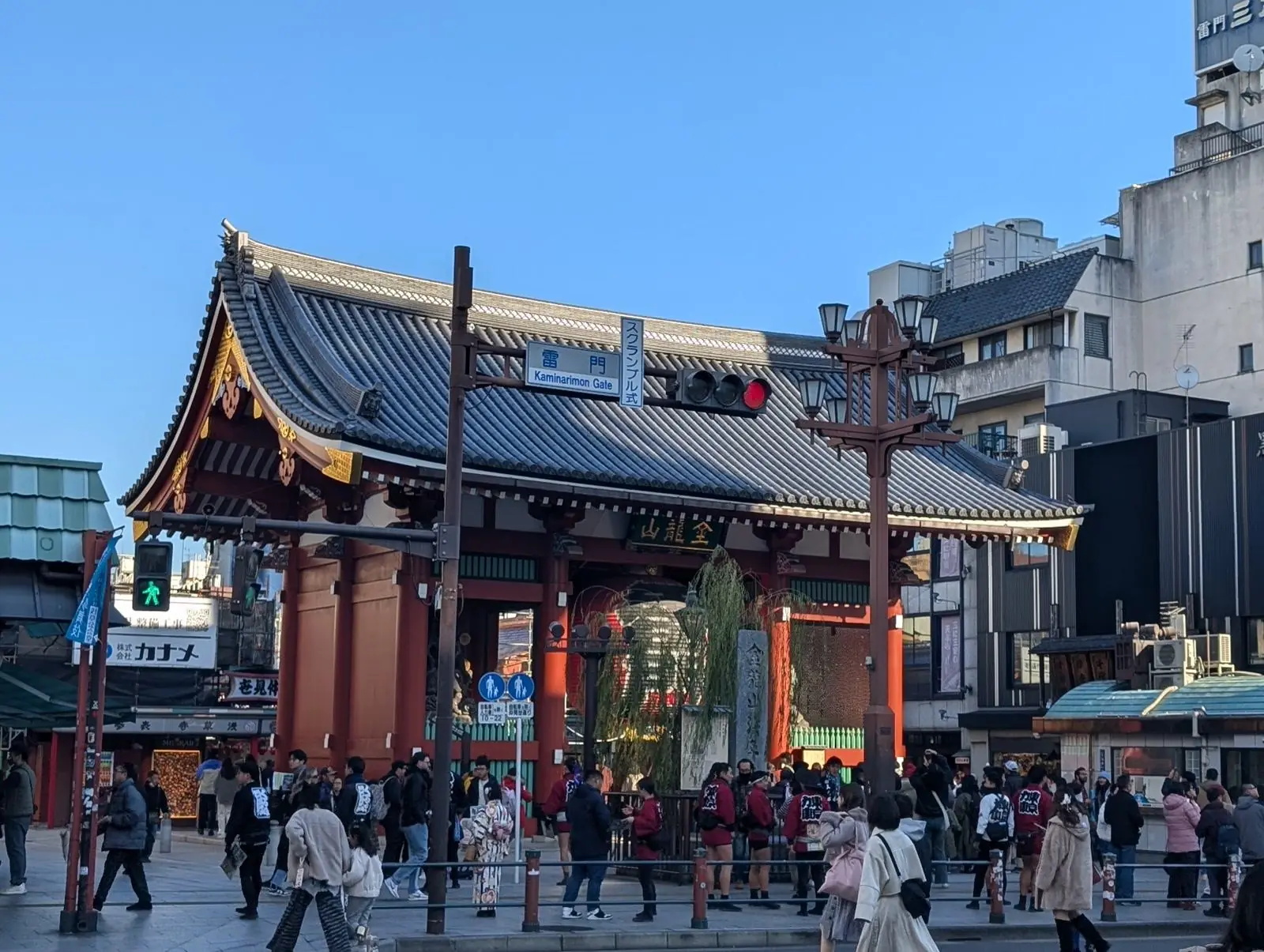
- Walking tours in central Tokyo: ¥40,000-¥50,000 per group (2.5-4 hours). This covers areas like Asakusa, Tsukiji and Ginza, Shibuya and Harajuku, and more.
- Day trips: ¥70,000-¥80,000 per group (7-10 hours) to Kamakura, Hakone, or Nikko.
- Custom tours: From ¥10,000~ per hour. You design the day, I handle the execution.
You can see the full breakdown on my tour pages. No hidden fees. The price you see is the price you pay.
Not Sure If a Guide Fits Your Trip?
If you're planning a Tokyo trip and wondering whether a guide makes sense for your itinerary, feel free to reach out. I'll give you an honest answer. Sometimes the answer is "you'll be fine on your own." No sales pitch, just practical advice from someone who knows the city.
Ask Me Anything About Your TripFrequently Asked Questions
How much does a private tour guide cost in Tokyo per day?
A private tour guide in Tokyo typically costs ¥40,000-¥50,000 per group for half-day walking tours (3-4 hours), and ¥60,000-¥80,000 for full-day tours (6-8 hours). Day trips to Hakone, Kamakura, or Nikko range from ¥70,000-¥80,000 per group. These are flat rates per group, not per person, so larger groups get more value.
Is it per person or per group?
Most private tour guides in Tokyo charge per group. This means a family of four pays the same total price as a couple. It's one of the key advantages of private tours over group tours, where you pay per head.
What's the difference between a licensed and unlicensed guide?
Licensed guides hold the National Government Licensed Guide Interpreter (全国通訳案内士) certification, which requires passing rigorous exams on Japanese history, geography, culture, and foreign language proficiency. This is the only nationally recognized quality standard for tour guides in Japan.
Are tips expected for tour guides in Tokyo?
Tipping is not customary in Japan and can sometimes make people uncomfortable. Most professional guides do not expect tips. If you want to show appreciation, a kind review or recommendation means more than cash.
Can a tour guide arrange my transportation in Tokyo?
In Japan, arranging transportation for clients requires a travel agency license. Most independent guides cannot book trains or buses for you, but will show you how to navigate the system and recommend the best options for your itinerary.
Do private tour guides in Tokyo offer set packages?
Some do, but most independent licensed guides like myself offer flexible private tours rather than fixed packages. You tell me your interests, duration, and budget, and I design a custom itinerary. The "Tokyo tour packages" you see advertised online are usually multi-stop combinations like Asakusa + Tsukiji (¥45,000), a Kamakura day trip (¥70,000), or a full-day Tokyo highlights tour (¥60,000-80,000). With an independent guide, you can mix and match these freely.
Is a half day or full day Tokyo private tour better value?
The hourly rate drops on full-day tours. A half day (3-4 hours) at ¥40,000-50,000 works out to roughly ¥10,000-13,000/hour. A full day (7-8 hours) at ¥60,000-80,000 is closer to ¥7,500-10,000/hour. For first-time visitors I usually recommend a full day — you cover more ground, and the city makes more sense once you've seen multiple neighborhoods in context. Half-day tours work best when you have a specific goal (one area, one experience) or limited time.
What's the difference between a standard private tour and a luxury Tokyo tour?
Standard licensed-guide private tours (¥40,000-80,000 per group) cover everything most travelers actually need: a knowledgeable English-speaking guide, personalized routes, cultural context, and pre-trip planning. Luxury concierge services (¥80,000+ per group, often ¥150,000+) typically add a chauffeured car, restaurant reservations at exclusive venues, and private museum access. For most visitors the standard tier delivers 90% of the experience at half the price. The luxury tier mainly makes sense if you want zero logistics or have very specific high-end requests.
Does an English-speaking tour guide in Tokyo cost more than a Japanese-only guide?
No. The standard pricing (¥40,000-80,000 per group) is the rate for English-speaking licensed guides — this is the default. All National Government Licensed Guide Interpreters (全国通訳案内士) must pass a foreign language exam, and English is by far the most common working language. Spanish, French, Chinese, and other less-common languages sometimes carry a 10-20% premium because fewer guides are available.
Is a private tour guide worth the cost for first-time visitors to Tokyo?
For first-time visitors I think the value is highest on day 1 or 2 of the trip. A 4-6 hour tour (¥45,000-60,000) saves hours of planning, helps you understand how the city is laid out, and gives you cultural context that makes the rest of your trip more meaningful. Many of my clients tell me it "unlocks" Tokyo for them. If your trip is only 2-3 days total, the math gets even better — you're protecting the rest of your scarce time from getting lost or visiting the wrong things.