Quick plan
Cut your itinerary in half. Stay near elevators. Eat lunch at flat, table-seating places.
Tokyo is genuinely accessible — Japan's bullet train system is wheelchair-friendly, most major stations have elevators, and the largest temples have ramps. The challenge isn't accessibility, it's the volume and pace that work for younger travelers.
The single biggest adjustment: do half-day mornings only. Afternoons should be flexible. Two highlights a day, not five.
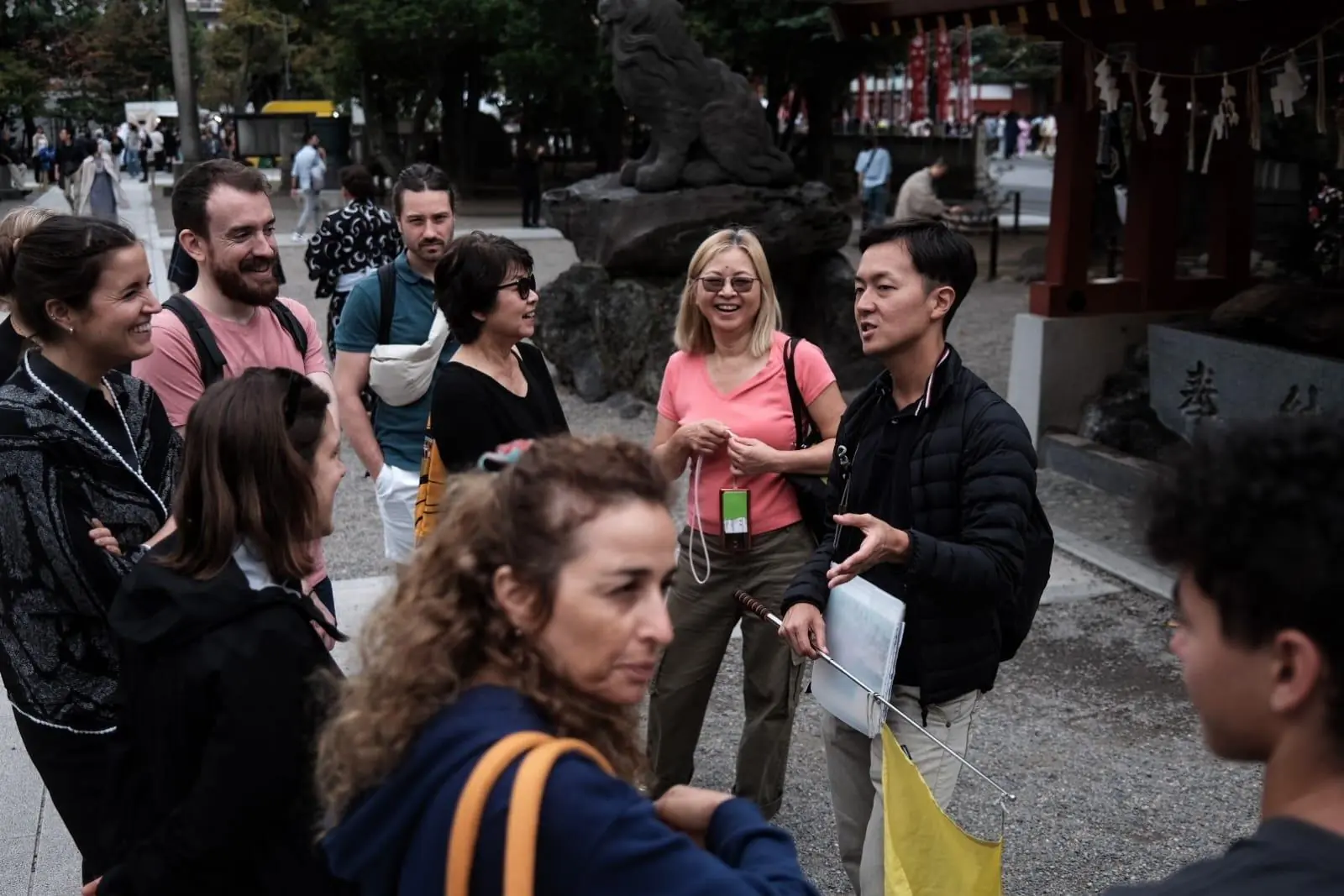
I've guided three-generation families in Tokyo many times, with parents ranging from active 70-somethings to wheelchair-bound 80-somethings. The trip planning that works for younger travelers fails completely with elderly parents in the group — but the trip that works for elderly parents can still be wonderful for everyone if you plan it correctly.
This guide is for the adult kids organizing the trip. Most Tokyo travel content assumes a baseline of mobility that doesn't apply to 75+ travelers, so here's what actually works.
Pacing Comes First: The Half-Day Rule
The single most important thing to understand: cut the number of activities per day in half compared to what you'd plan for yourself. Two highlights per day is a real day for travelers in their late 70s. Three is ambitious. Five is the kind of itinerary that ends in tears.
My usual structure with three-generation families: a morning activity (9 AM–12 PM), a sit-down lunch (12–1:30 PM), a calm afternoon (museum or garden, optional), and back at the hotel by 4 PM for rest before dinner. Anyone who wants to do more can split off in the afternoon. The elderly parents have done a complete Tokyo day by 4 PM.
Best Areas for Accessible Tokyo
Ueno. Flat, large park area, multiple major museums with elevators (Tokyo National Museum, Museum of Western Art), easy benches. The neighborhood is genuinely walkable and not crowded.
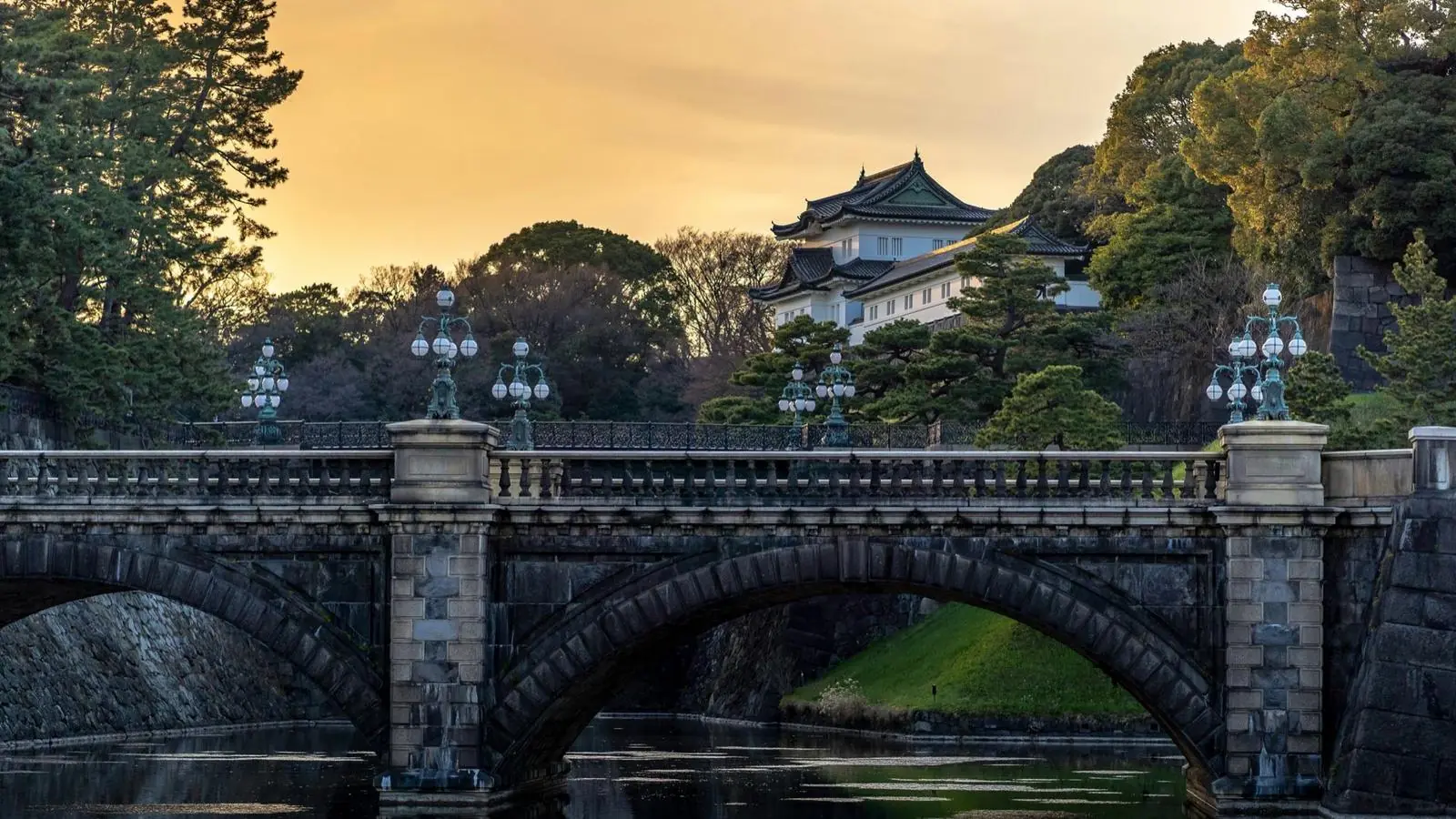
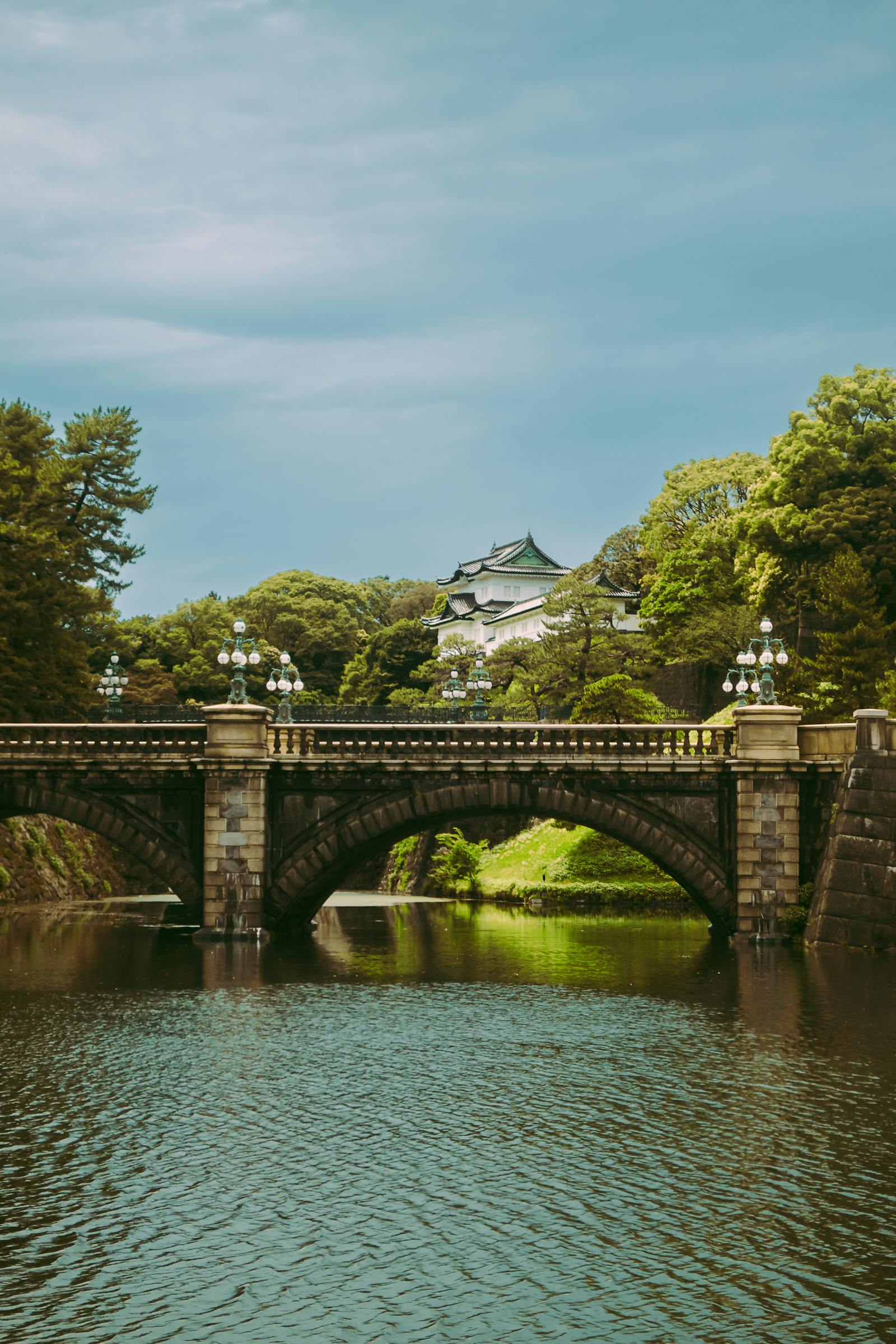
Imperial Palace East Gardens. Wide flat paths, plenty of benches, garden setting. Perfect for a 1-2 hour morning. Access via Tokyo Station (large elevators, good signage in English).
Marunouchi area around Tokyo Station. Modern, wide sidewalks, accessible everywhere, beautiful tree-lined streets, good for slow walks.
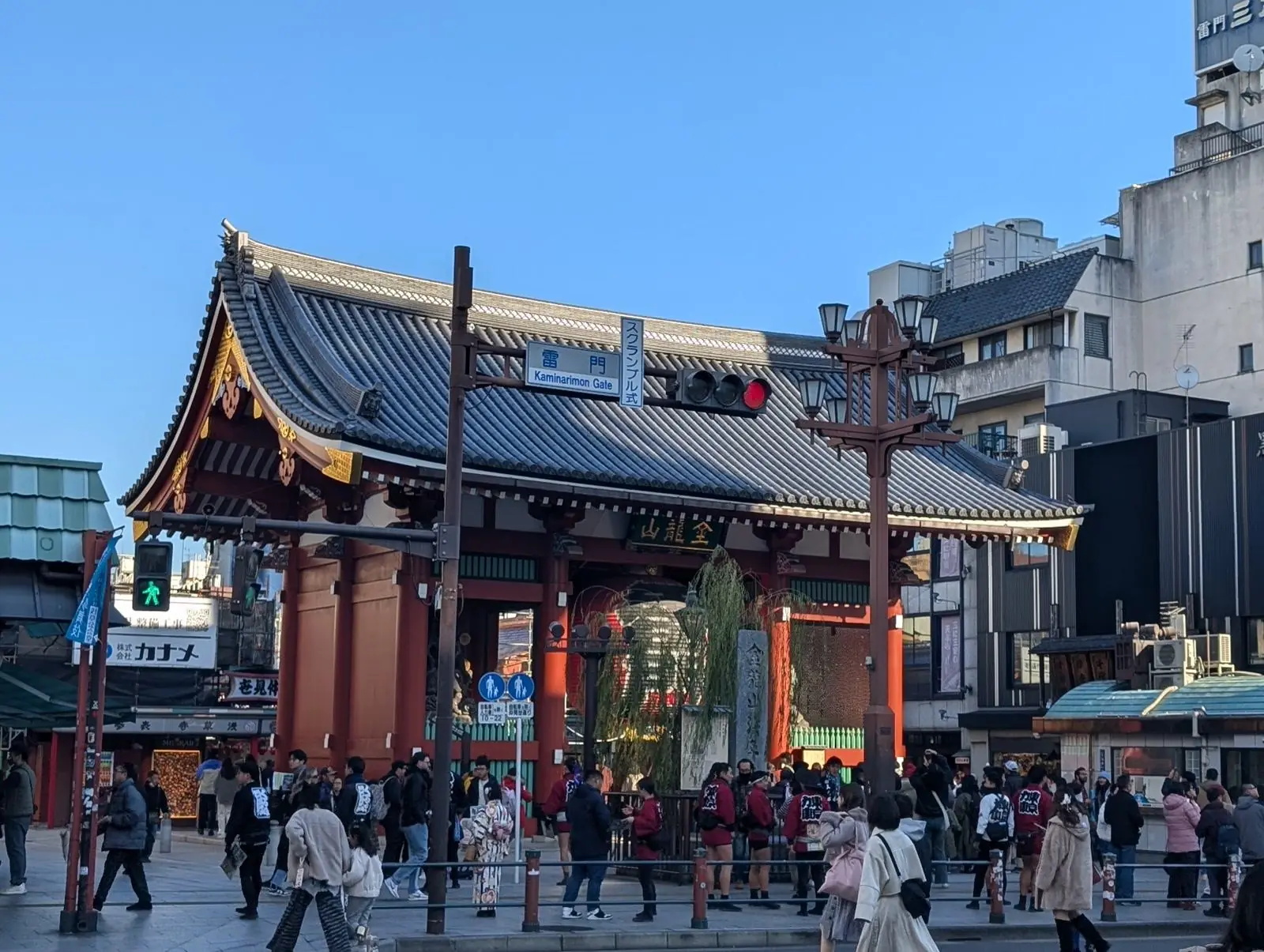
Asakusa Senso-ji main approach. Flat, the temple itself has ramps. Avoid Hozomon Gate steps by using the side ramp. The main Nakamise shopping street is wide and easy.
Shinjuku Gyoen national garden. Wide flat paths, well-maintained, plenty of seating, multiple entrances.
Stations to Avoid (or Plan Carefully)
Tokyo's train stations vary enormously in accessibility. Most are now equipped with elevators, but the layout can mean walking 5-10 minutes between elevators to change lines.
Difficult: Shinjuku (massive, complex transfers between lines), Shibuya (deep platforms, many escalators), Akasaka-mitsuke (multiple levels), Tokyo Station Yaesu side (long passages).
Easier: Ueno (compact), Tokyo Station Marunouchi side (well-signed, elevators), Asakusa Tobu line (small station), Roppongi (newer accessibility).
Strategy: Plan day trips that minimize line transfers. A Yamanote-line-only day from Tokyo Station → Ueno → Asakusa (taxi from Ueno) is easier than a multi-transfer route.
Accessible Restaurants
Many traditional Japanese restaurants require sitting on the floor (zashiki) or at low tables. For elderly parents, look for:
- Department store restaurant floors (depachika) — always table seating, often English menus
- Hotel restaurants for a relaxed lunch — accessible, English service, predictable quality
- Counter sushi — easier than floor seating; pick a place with regular bar stools, not low counters
- Yoshoku restaurants (Japanese-Western fusion) — always tables, familiar food options for picky eaters
Avoid: tatami-only restaurants, izakaya with floor seating, ramen counters where seating turnover is fast.
Three Half-Day Itineraries That Work
Day A: Imperial Palace + Marunouchi Lunch
9:30 AM Imperial Palace East Gardens (1.5 hours, flat paths, benches). 11:00 AM walk to Marunouchi (10 minutes on flat sidewalks). 11:30 AM lunch at a Marunouchi building restaurant. 1:00 PM back to hotel for rest.
Day B: Senso-ji + Asakusa Lunch
10:00 AM arrive Asakusa (use Tobu Sky Tree Line). 10:15 AM walk Nakamise shopping street (slow pace, plenty of benches). 11:00 AM Senso-ji main hall (ramp access). 12:00 PM lunch at one of the older tempura restaurants. 1:30 PM optional Sumida River walk or back to hotel.
Day C: Ueno Museum + Park
10:00 AM Tokyo National Museum (elevators, benches, manageable pace). 12:00 PM lunch at a Ueno Park restaurant. 1:30 PM Ueno Park walk (flat, easy). 2:30 PM back to hotel.
Onsen Considerations
Many elderly parents are interested in onsen, but standard onsen require sitting on small wooden stools to wash beforehand, and the baths themselves are deep. If your parents have mobility issues:
- Choose ryokan with in-room baths (kashikiri) — many newer Hakone/Atami ryokan have these
- Look for onsen with chair lifts or barrier-free designs (some Hakone ryokan)
- Consider onsen day-trip facilities (super-sento) that have railings and wider stairs
- Tattoo policies still apply — check ahead if relevant
Frequently Asked Questions
Is Tokyo wheelchair accessible?
Yes, more than most travelers expect. All major JR stations have elevators, most subway lines are accessible, and major attractions (Senso-ji, Imperial Palace, museums) have ramps. The challenge is route planning rather than absolute access.
Are taxis a good option for elderly parents?
Yes, and don't hesitate to use them. Tokyo taxis are clean, automatic-door, and reasonably priced for short hops (¥500-1,500 most rides). They save energy that trains drain.
Should we rent a wheelchair in Tokyo?
Most major train stations and large attractions have wheelchairs you can borrow free for the day. Hotel concierges can also arrange rentals. Don't bring one from home unless you need a specific type.
Is a private guide worth it for an elderly parent trip?
Yes, more than for any other trip type. The pacing, restaurant selection, and station navigation are exactly what licensed guides do well. See my honest "is it worth it" breakdown.