One of the most common concerns I hear from guests before they book a food tour with me is about dietary restrictions. "I'm vegetarian, is that going to be a problem in Tokyo?" or "My partner is vegan and we're worried there won't be anything for them to eat." I completely understand the anxiety. Japan has a reputation as a meat-and-fish-heavy food culture, and when you look at the typical tourist food recommendations, everything seems to revolve around sushi, ramen with pork broth, and grilled yakitori skewers. But after leading hundreds of food-focused tours across Tokyo over the years, I can tell you with absolute confidence that vegetarian and vegan travelers can eat extraordinarily well here. You just need to know where to look, what to ask for, and how to communicate your needs clearly.
This guide is everything I have learned from years of customizing tours for guests with dietary restrictions. Whether you are fully vegan, lacto-ovo vegetarian, pescatarian, gluten-free, or dealing with specific allergies, Tokyo has more to offer than you might expect. The key is preparation, and that is exactly what this article is designed to give you.
Can You Do a Food Tour in Tokyo as a Vegetarian?
The short answer is yes, absolutely. The longer answer is that it requires a bit more planning than a standard food tour, but the result can be just as rich and satisfying, sometimes even more so, because it forces you to explore corners of Japanese cuisine that most tourists never discover. When I lead a vegetarian food tour, I am not simply removing the meat and fish from a standard itinerary and hoping for the best. I am building an entirely different experience around the incredible depth of plant-based cooking that has existed in Japan for centuries.
Japan has a long tradition of Buddhist vegetarian cuisine called shojin ryori. This is the food that monks in Zen temples have been eating for over 700 years, and it is one of the most refined and intentional forms of plant-based cooking anywhere in the world. Shojin ryori treats vegetables, tofu, and seasonal ingredients with the same reverence that a sushi master gives to a piece of tuna. Every dish is designed to highlight the natural flavor, texture, and color of its ingredients, with no garlic, no onion, and no excess seasoning to mask the pure taste of the food. When I take vegetarian guests to a proper shojin ryori restaurant, they are often stunned by the complexity and beauty of what arrives at the table. A single meal might include eight or ten small dishes: sesame tofu with a ginger glaze, grilled maitake mushrooms with a miso dengaku sauce, pickled mountain vegetables, deep-fried yuba (tofu skin) that shatters like the lightest tempura, and a bowl of fragrant rice cooked with chestnuts or sweet potato depending on the season.
Beyond shojin ryori, Japan's everyday food culture is full of naturally vegetarian dishes that many visitors overlook. Inari sushi, those sweet tofu-skin pouches stuffed with vinegared rice, are completely plant-based. Vegetable tempura, when fried in a vegetable-oil batter and served with a salt dip instead of the standard dashi-based tentsuyu sauce, is vegan. Onigiri rice balls come in fillings like pickled plum (umeboshi), kelp (kombu), and seasoned rice, all of which are meat-free. Even at a typical convenience store, which might seem like an unlikely source of good vegetarian food, I can walk guests through the options and help them identify which onigiri, sandwiches, and snacks are safe to eat. The challenge is not a lack of options. The challenge is that ingredients like dashi, a stock made from bonito fish flakes, hide in places you would not expect. That is where having a guide who speaks the language and knows the cuisine inside out makes all the difference.
Best Areas for Vegetarian-Friendly Food (Asakusa, Tsukiji, Shinjuku)
When I design a vegetarian food tour, I typically build the route around three neighborhoods that each offer something different. Asakusa, Tsukiji, and Shinjuku are my go-to areas, and each one brings a distinct flavor to the experience. The beauty of a private tour is that I can adjust the route on the day based on what my guests are craving, how much they want to walk, and which specific restrictions they are working with.
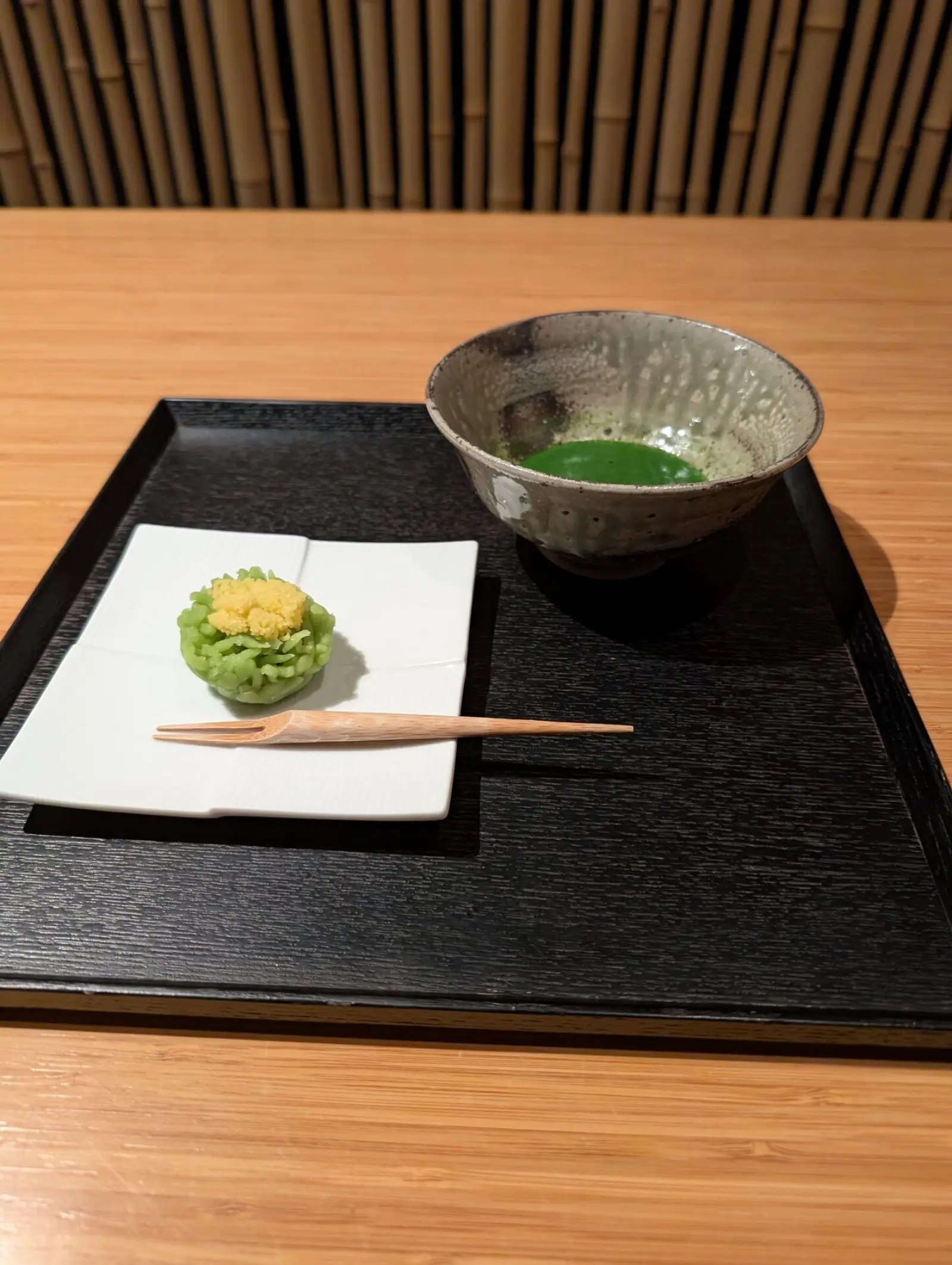
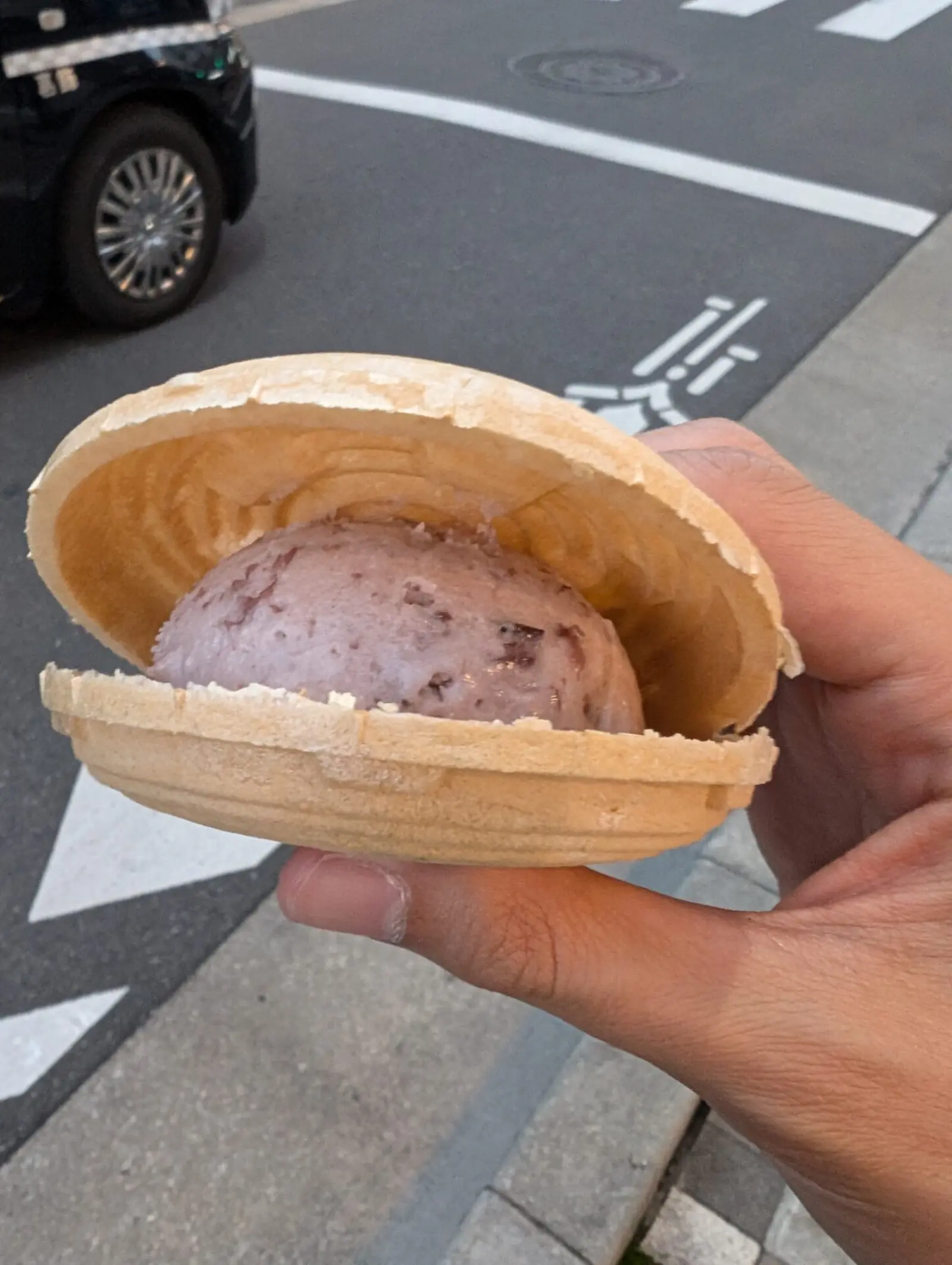
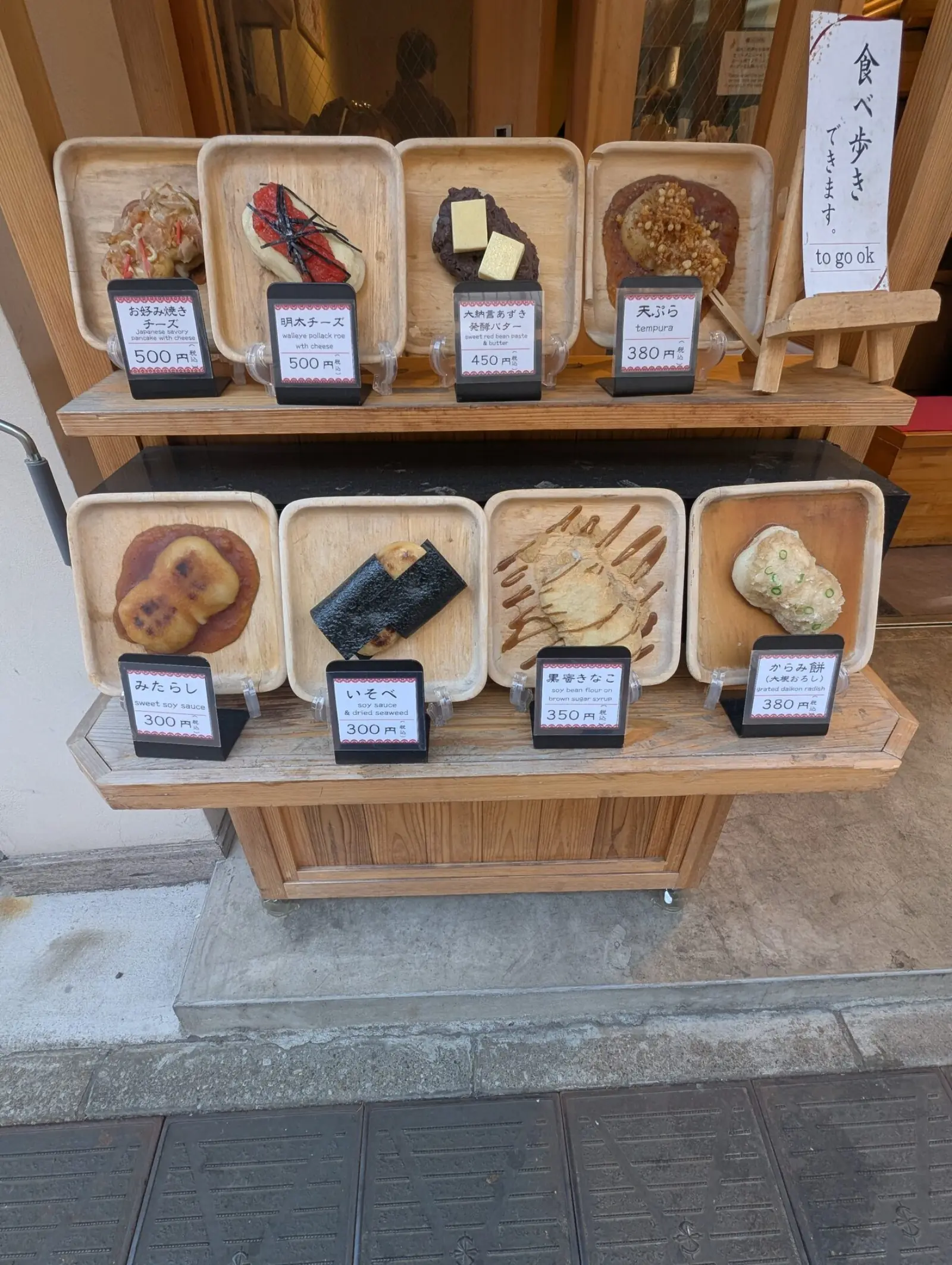
Asakusa is where I often start, especially for guests who want to combine food with cultural immersion. The streets around Senso-ji Temple are full of traditional snack shops, and many of them are naturally vegetarian. Freshly grilled senbei rice crackers brushed with soy sauce, ningyo-yaki cakes filled with sweet red bean paste, and kibi-dango millet dumplings coated in soybean powder are all plant-based and have been sold here for generations. I like to walk guests through the backstreets behind the temple where the tourist crowds thin out and the neighborhood teahouses come into view. There is a particular matcha cafe tucked into a quiet side street where they serve thick, whisked matcha alongside seasonal wagashi sweets. The wagashi are handmade, entirely plant-based, and almost too beautiful to eat. Almost. For guests who want a more substantial meal in Asakusa, there are excellent soba noodle shops that will prepare dishes with a kombu-based broth instead of the standard katsuobushi dashi if you ask properly, and I always make sure to communicate the request clearly so there are no misunderstandings.
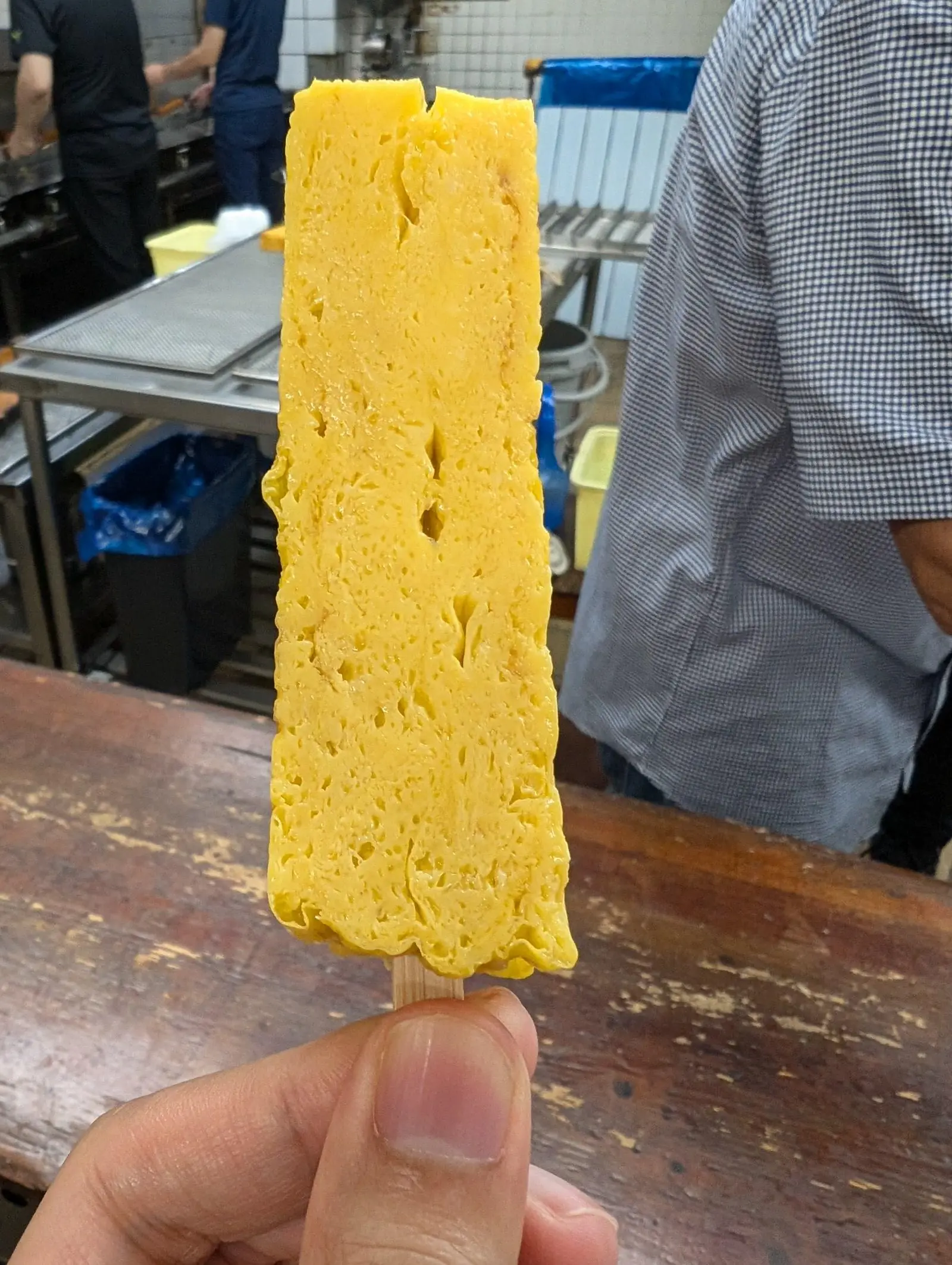
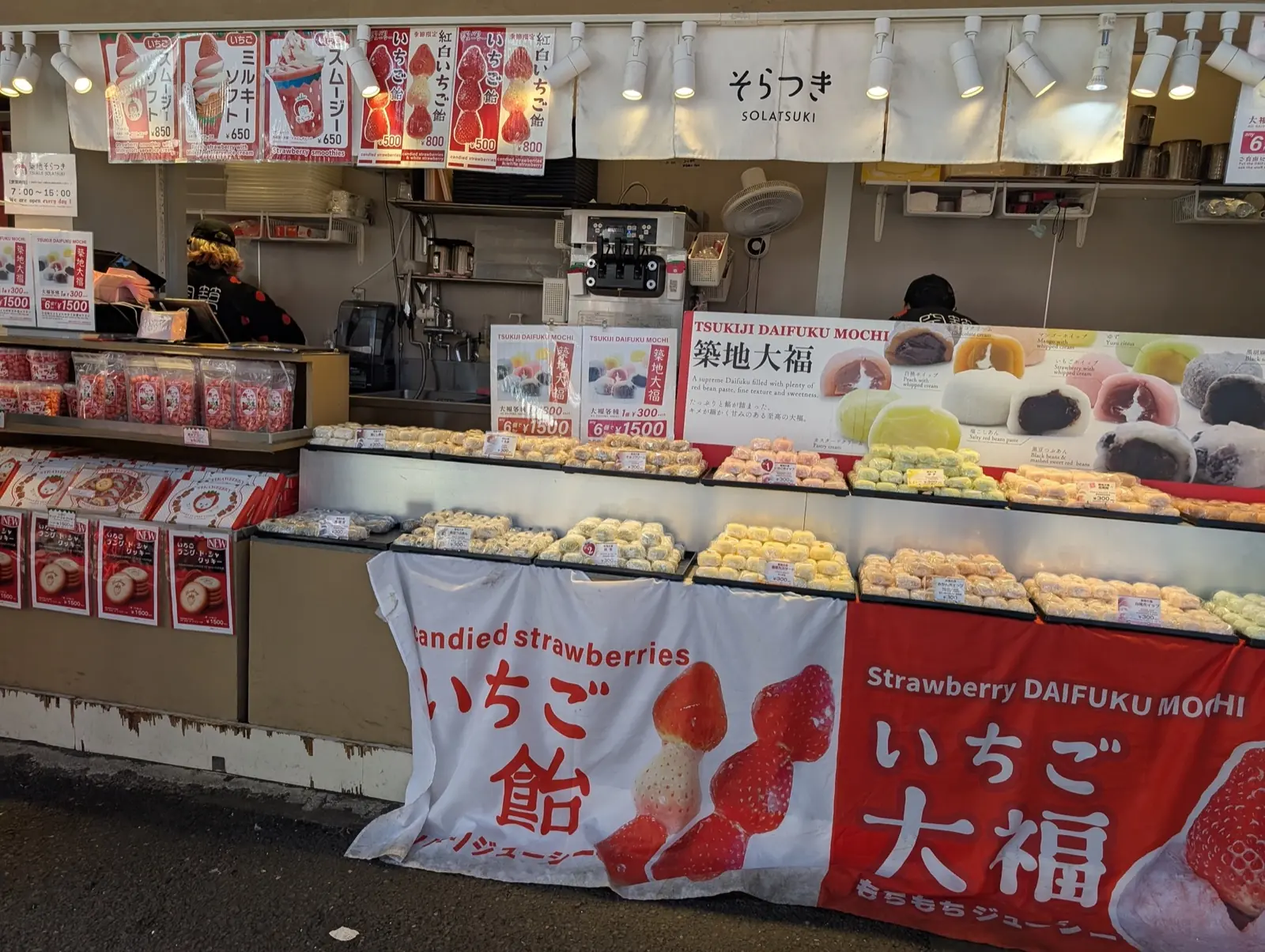
Tsukiji Outer Market surprises vegetarian guests every time I bring them. Yes, Tsukiji is famous for seafood, but the market is much more diverse than its reputation suggests. There are stalls selling tamagoyaki (the sweet Japanese egg omelet, suitable for lacto-ovo vegetarians), shops specializing in pickled vegetables and tsukemono that go back decades, vendors with fresh fruit on sticks, and stands serving piping-hot age-dashi tofu. One of my favorite stops is a small family-run shop that makes fresh soy milk and yuba right on the premises. You can watch them lift the delicate tofu skin from the surface of the simmering soy milk, and then eat it moments later with just a touch of soy sauce and wasabi. It is one of those simple, perfect bites that stays with people long after the tour is over. For vegan guests, I know which tamagoyaki shops to skip and which pickle vendors use no fish-based seasonings in their recipes, details that are nearly impossible to figure out on your own without speaking Japanese.
Shinjuku offers a completely different energy, and I tend to save it for the later part of the tour when guests are ready for a sit-down meal. The area around Shinjuku Station has an enormous concentration of restaurants, and within that sprawl are some genuinely excellent vegetarian and vegan-dedicated establishments. There are izakaya-style restaurants that serve entirely plant-based menus with creative dishes like miso-glazed eggplant, avocado tempura rolls, and mushroom hot pots that would satisfy even the most committed carnivore. Shinjuku is also home to several Indian and Nepali restaurants that serve reliably vegetarian curries and naan, which can be a welcome change of pace for guests who have been eating Japanese food for several days and want something familiar. I have also found a remarkable little teishoku-ya, a set-meal restaurant, near the west exit that does a rotating vegetable-focused lunch set with six or seven small plates of seasonal dishes, a bowl of rice, and miso soup made from a kelp-and-mushroom stock. It is the kind of place you would walk right past without a second glance if you did not know it was there.
What to Expect on a Private Vegetarian Food Tour
Every vegetarian food tour I lead is different because every guest is different. Before the tour, I always ask detailed questions about your specific dietary restrictions. Are you lacto-ovo vegetarian, or strictly vegan? Do you avoid dashi made from bonito flakes? Are there allergies I need to know about, such as soy, wheat, or nuts? Do you have any restrictions related to gluten? This conversation is essential because "vegetarian" means different things to different people, and in Japan the distinctions matter enormously. A dish that seems vegetarian on the surface might contain dashi, mirin with trace amounts of fish-derived ingredients, or a sauce that was thickened with animal-based gelatin. I need to know exactly where your boundaries are so I can navigate the food landscape on your behalf with complete confidence.
On the day of the tour, I handle all communication with restaurant staff and food vendors. This is where the value of a private guide becomes most obvious. I speak directly with the chef or the shop owner in Japanese, explaining your dietary needs in precise terms that leave no room for ambiguity. I do not simply say "no meat" because in Japan that phrase alone does not exclude fish, fish stock, or animal-derived seasonings. Instead, I specify exactly which ingredients to avoid: no meat, no fish, no shellfish, no bonito dashi, no animal-derived gelatin, and whatever else applies to your specific situation. The reaction from restaurant staff when they hear the request explained clearly in their own language is always positive. Japanese hospitality, omotenashi, means that once a chef understands your needs, they will go out of their way to accommodate you. I have watched chefs prepare entirely custom dishes for my vegetarian guests, creating off-menu items simply because they wanted to offer the best possible experience. That kind of personalized care does not happen when you are pointing at a translation card and hoping for the best.
A typical tour lasts around four to five hours and includes five to seven food stops, depending on portion sizes and your appetite. We move at a comfortable pace, and I weave in cultural context throughout: why tofu holds such an important place in Japanese cuisine, how seasonal awareness (shun) dictates what appears on menus, why Buddhist dietary principles shaped an entire culinary tradition, and what makes Japanese pickles some of the most complex fermented foods in the world. I also cover practical survival skills so you can eat confidently on your own after the tour ends. By the time we say goodbye, you will know how to read key kanji on menus, which convenience store items are safe, and which chain restaurants have reliable vegetarian options. Guests who are gluten-free get additional guidance, because soy sauce contains wheat, and I show them where to find tamari (wheat-free soy sauce) and which dishes to approach with caution.
How to Communicate Dietary Restrictions in Japan
Even if you are not joining a guided tour, knowing how to communicate your dietary restrictions in Japanese will dramatically improve your experience in Tokyo. English-language allergy cards and translation apps have gotten better over the years, but nothing replaces speaking a few key phrases yourself. The effort shows respect, and Japanese restaurant staff respond to it with genuine warmth and extra care.
The most important phrase for vegetarians is "Watashi wa bejitarian desu" (私はベジタリアンです), which simply means "I am a vegetarian." However, this phrase alone is not always enough because the concept of vegetarianism is still not universally understood in Japan the same way it is in Western countries. Many Japanese people hear "vegetarian" and think it means you avoid meat but still eat fish, because fish is often categorized separately from "meat" (niku) in Japanese culinary thinking. To be more precise, follow up with "Niku to sakana wa taberaremasen" (肉と魚は食べられません), meaning "I cannot eat meat or fish." For vegan guests, I recommend saying "Niku, sakana, tamago, nyuseihin wa taberaremasen" (肉、魚、卵、乳製品は食べられません), which covers meat, fish, eggs, and dairy products. If dashi is a concern, and it should be for strict vegetarians, say "Katsuo dashi mo dame desu" (かつおだしもだめです), meaning "Bonito fish stock is also not okay." For guests with gluten concerns, "Komugi arerugi ga arimasu" (小麦アレルギーがあります) tells the staff you have a wheat allergy, which Japanese restaurants take very seriously because allergy communication is well-established in the food service industry here.
I also recommend writing these phrases down on a card or saving them on your phone to show restaurant staff. A written note in Japanese is often more effective than a spoken phrase, especially in a noisy restaurant or when dealing with staff who may be nervous about understanding foreign-accented Japanese. On my tours, I prepare a custom dietary restriction card for each guest that I write out in natural, polite Japanese. This card explains your specific needs in clear terms and includes a note that says "Thank you very much for your help" (ご協力ありがとうございます), which always gets a smile. Several of my past guests have told me that this card alone was worth the price of the tour because they used it every single day for the rest of their trip. The reality is that Japan is an incredibly accommodating country once people understand what you need. The barrier is almost never unwillingness, it is communication. Bridge that gap and you will eat beautifully.
Book a Custom Vegetarian Food Tour
I wrote this guide to show you that vegetarian and vegan travelers can absolutely thrive in Tokyo, but reading about it and tasting it are two very different things. On a private food tour with me, every stop is handpicked for your specific dietary needs, every conversation with restaurant staff is handled in fluent Japanese, and every dish comes with the cultural story behind it. Whether you are strictly vegan, gluten-free, or somewhere in between, I will build a tour that lets you experience Tokyo's food culture without a single moment of worry. Come hungry and leave amazed.