Quick picker
Most first-time visitors should stay in Shinjuku or Shibuya. Most repeat visitors should stay in Asakusa or Ginza.
Shinjuku has the best train connectivity to the rest of Japan, Asakusa has the most old-Tokyo character, Ginza is closest to many fine restaurants, and Shibuya is the closest to "Tokyo as you've seen in movies."
Below: which area fits which trip type, and the three areas most guides won't recommend that are actually worth considering.
Tokyo is so large that "where to stay" matters as much as which hotel. A 4-star hotel in the wrong neighborhood will eat your trip with commute time. A modest 3-star hotel in the right area can give you 90 minutes back every day. This is a guide to picking the area — once you've narrowed that down, hotel comparison becomes straightforward.
I've guided travelers staying in every major Tokyo neighborhood. The recommendations below are based on what actually works in practice — not what looks nicest on a hotel website.
Quick Picker by Trip Type
| Your trip is about… | Best area | Why |
|---|---|---|
| First-time Tokyo highlights | Shinjuku | Best train hub for day trips + nightlife |
| Old Japan / culture | Asakusa / Ueno | Walking-distance to Senso-ji and shitamachi |
| Shopping / fine dining | Ginza | Department stores + Michelin density |
| Modern Tokyo + young energy | Shibuya | Scramble, Harajuku, nightlife in walking distance |
| Family with young kids | Ueno or Asakusa | Quiet at night, easy access to museums + parks |
| Business + Shinkansen | Tokyo Station / Marunouchi | Direct bullet train access |
| Anime / gaming culture | Akihabara / Ikebukuro | Walking-distance to the cultural core |
Shinjuku — The Best Default
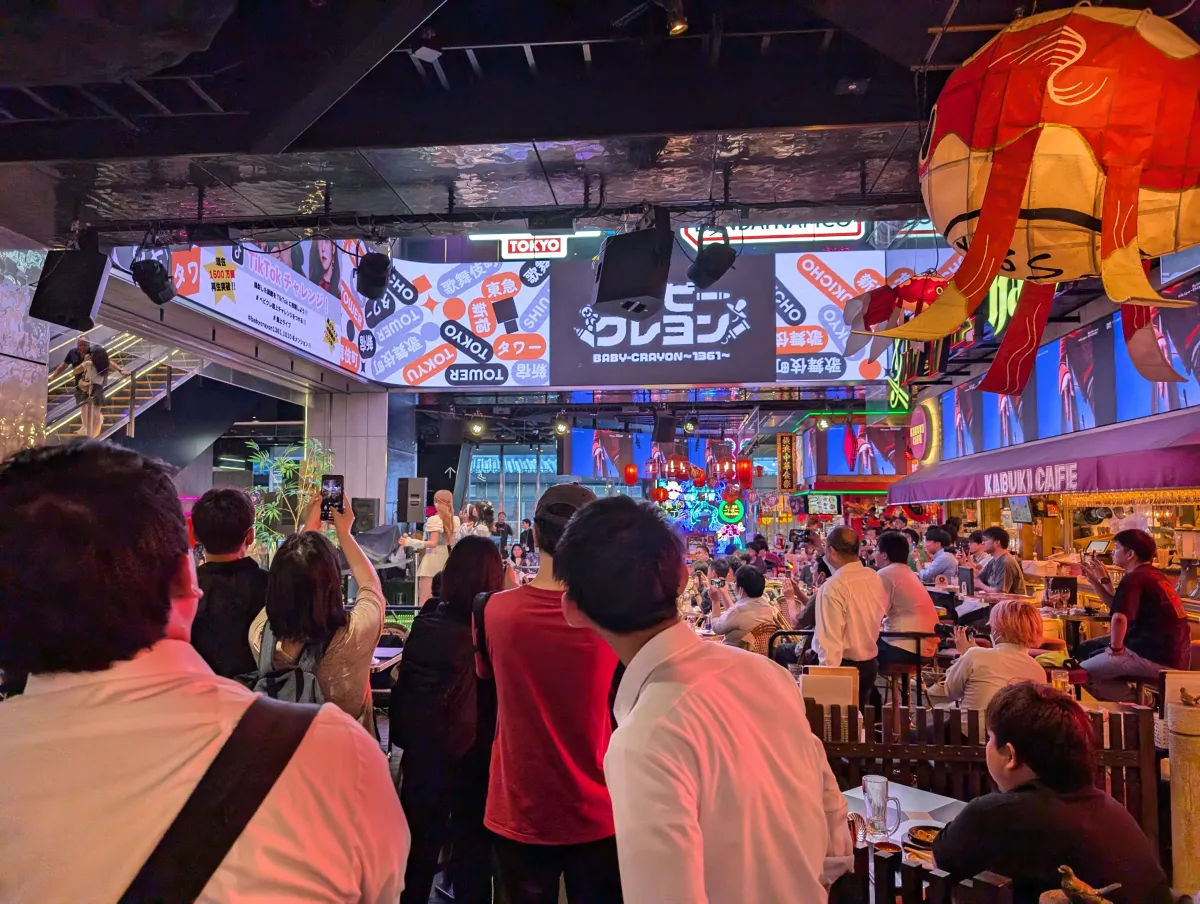
Shinjuku Station is the busiest train station in the world, and that's exactly why you should stay near it. From Shinjuku you can reach Hakone (Romancecar), Kawaguchiko (highway bus), Nikko (via Asakusa transfer), and most Tokyo neighborhoods in under 30 minutes. The Shinkansen access requires one transfer to Tokyo Station, but that's a 14-minute ride.
Stay in Shinjuku if: First Tokyo trip; multiple day trips planned; you want both nightlife (Kabukicho, Golden Gai) and business-district convenience (West Shinjuku).
Avoid Shinjuku if: You're traveling with very young children (Kabukicho area can be loud and adult-oriented); you want quiet evenings; you prefer compact walking neighborhoods.
Best blocks: West of Shinjuku Station (Nishi-Shinjuku) for high-rise hotels and quiet. South Shinjuku (Yoyogi side) for more residential feel. See my Shinjuku guide for what's around.
Asakusa — Old Tokyo, Walking Distance
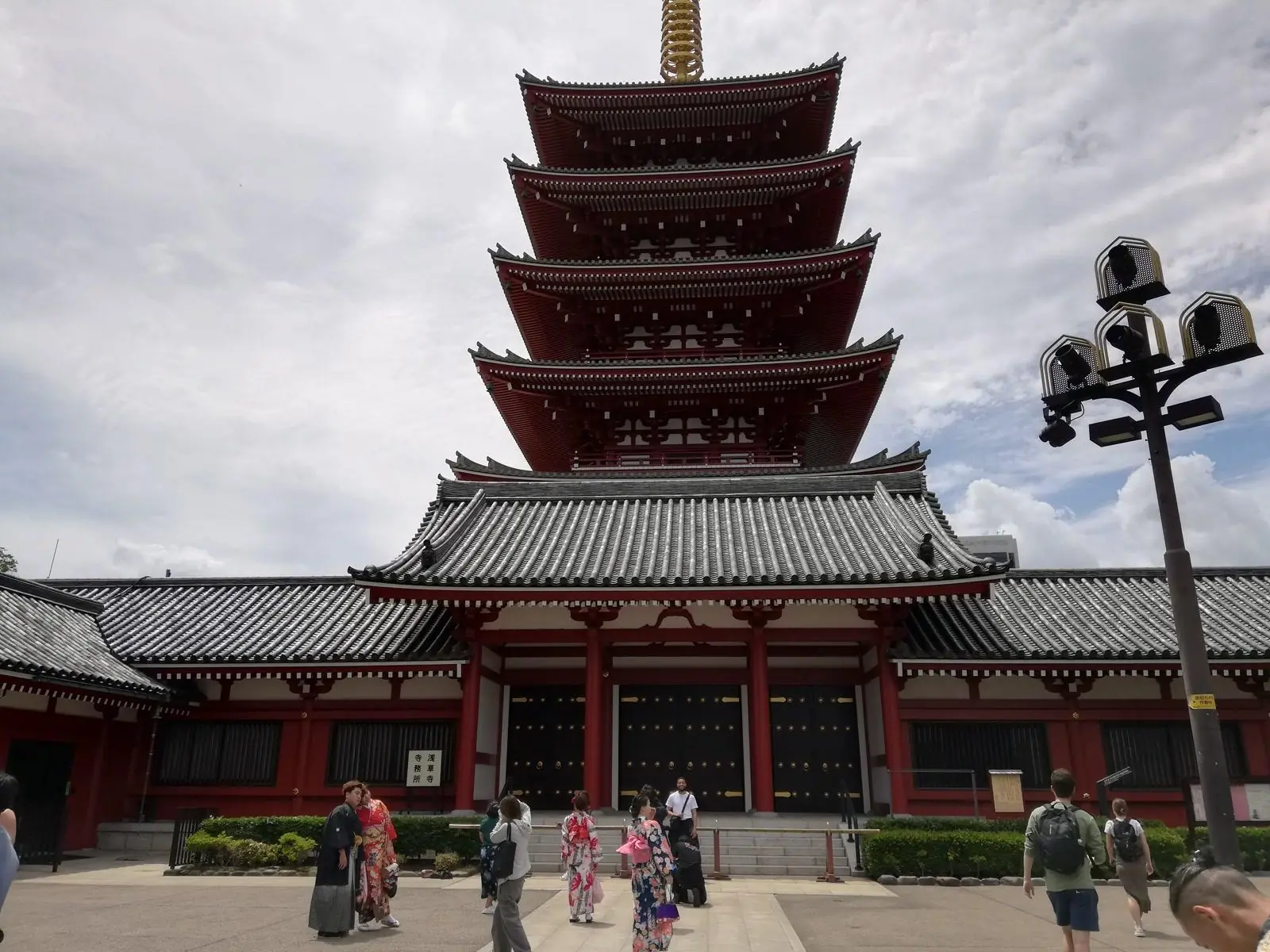
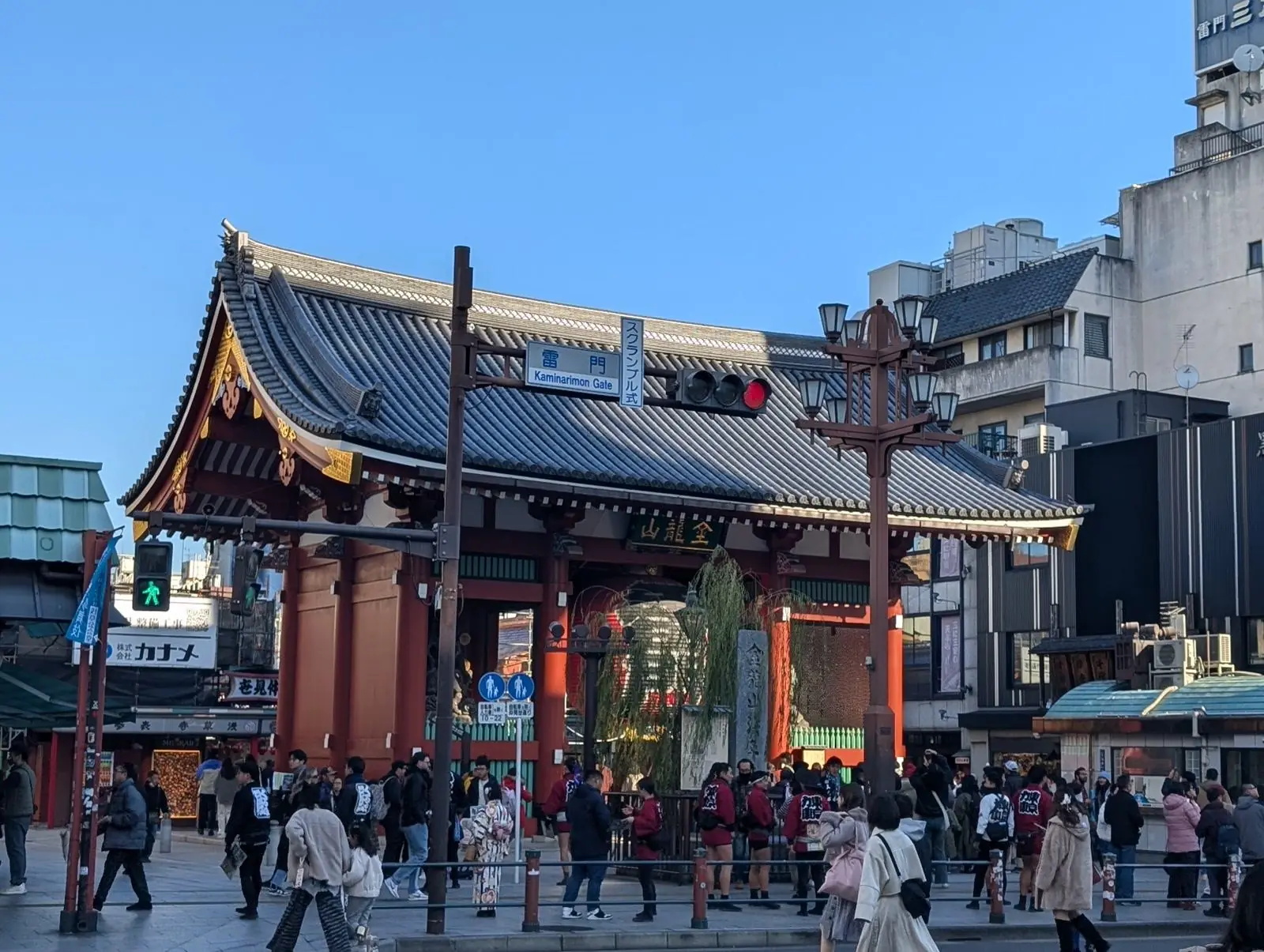
Asakusa is built around Senso-ji, Tokyo's oldest temple. The neighborhood preserves a downmarket, working-class Tokyo character that's vanishing elsewhere. You can walk to Senso-ji, eat dollar street food, ride a rickshaw, and have a completely different Tokyo experience than what Shibuya or Shinjuku offer.
Stay in Asakusa if: You want a culturally immersive experience; you've been to Tokyo before and saw the modern side; you're on a tighter budget (hotels here are 20-30% cheaper); you have kids and want quiet evenings.
Avoid Asakusa if: You need fast access to multiple parts of Tokyo (Asakusa is on the east edge and requires transfers to reach Shinjuku/Shibuya); you want nightlife beyond a few izakaya.
See my Shitamachi guide for the broader cultural context, or the Asakusa area guide.
Ginza — Restaurants, Shopping, Walking Tokyo
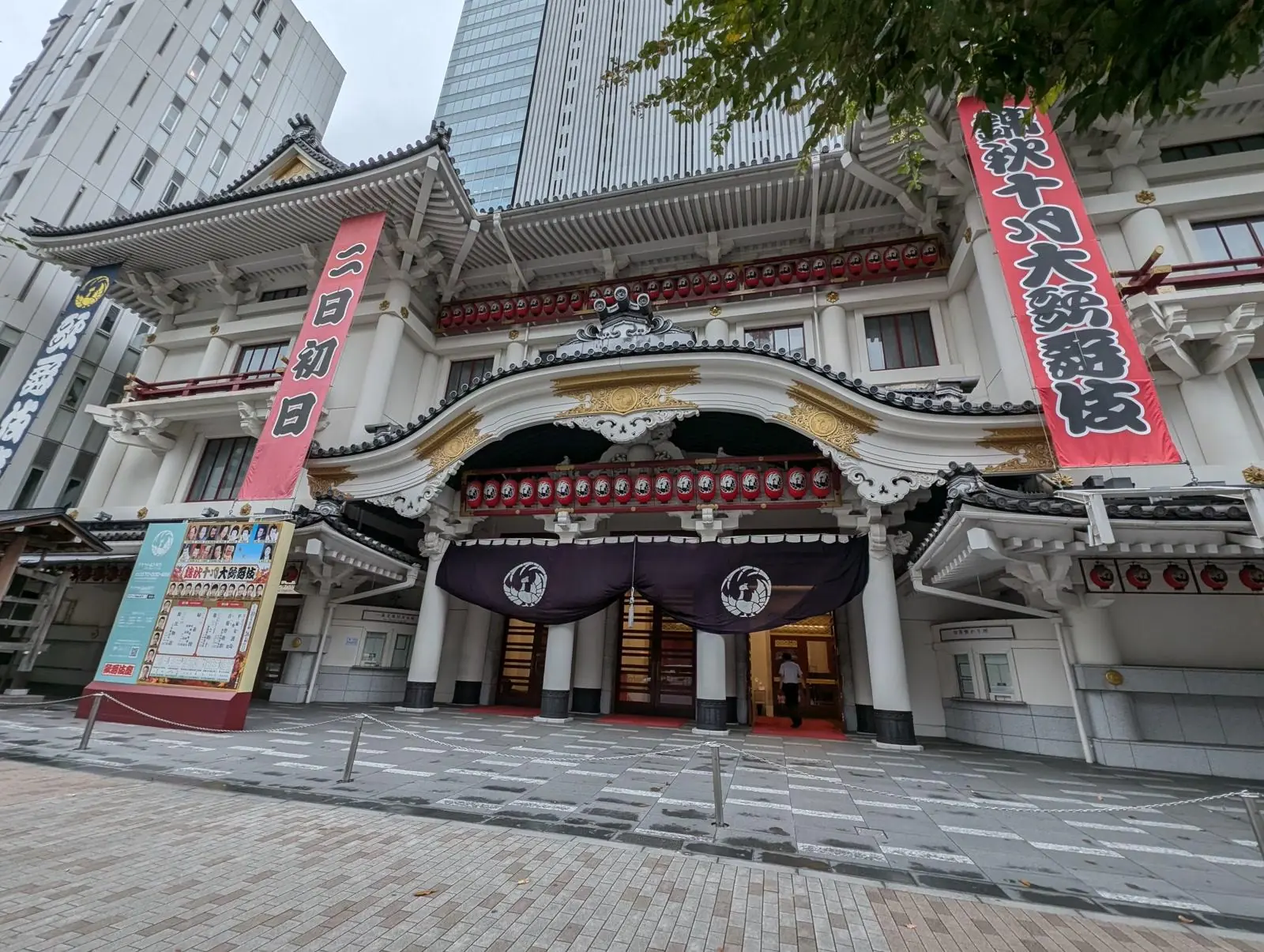
Ginza is dense with department stores, Michelin-star restaurants, and high-end boutiques. It's also a 10-15 minute walk to Tsukiji (food market), Tokyo Station (Shinkansen), and the Imperial Palace. The area is genuinely walkable.
Stay in Ginza if: Fine dining is a priority; you're doing a lot of shopping; you want a relatively quiet, adult-oriented stay; you're connecting to other parts of Japan via Shinkansen.
Avoid Ginza if: You're on a tight budget (hotels here trend higher); you specifically want a "young Tokyo" experience.
Shibuya — Modern Tokyo, Walking to Harajuku
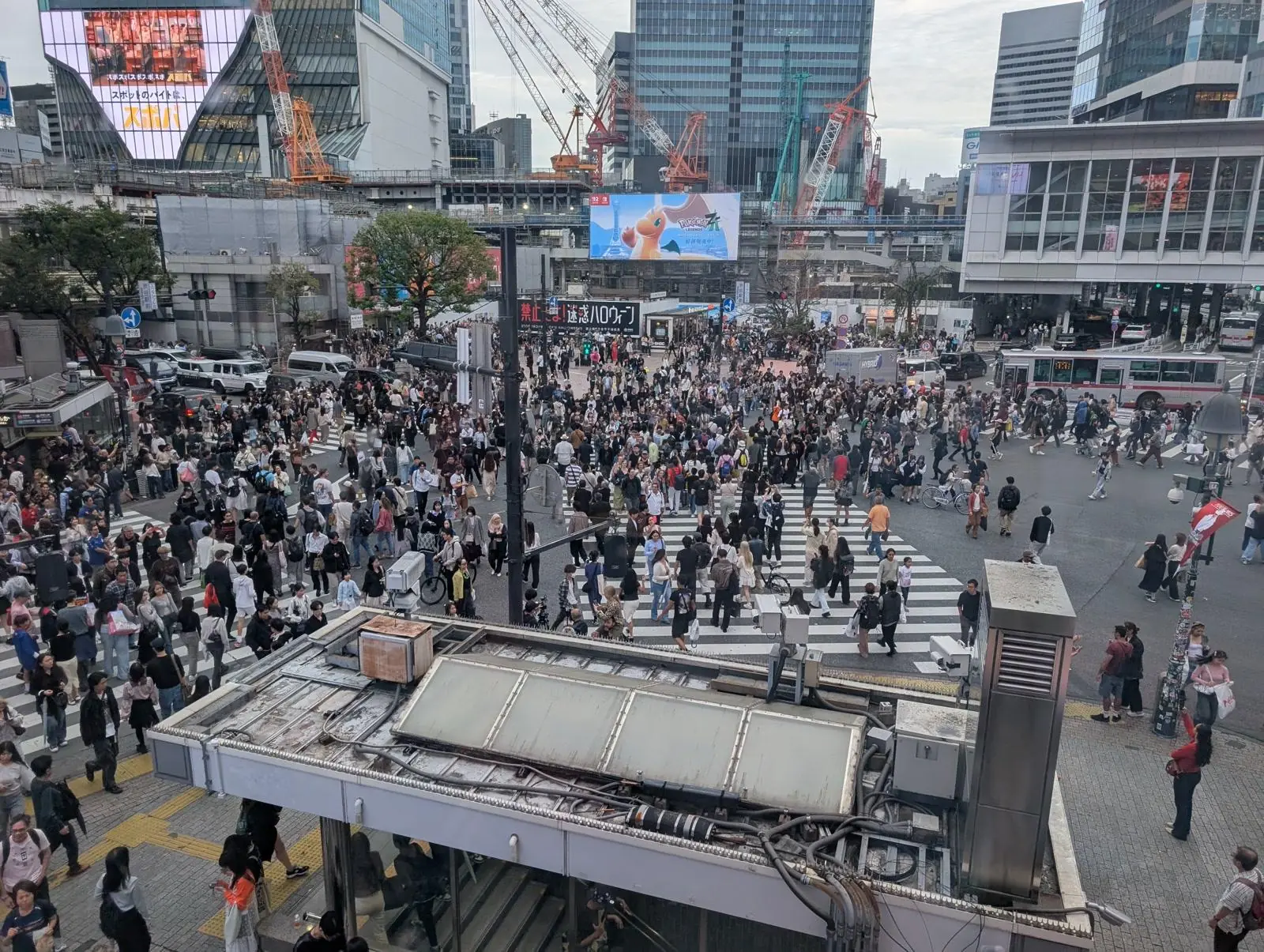
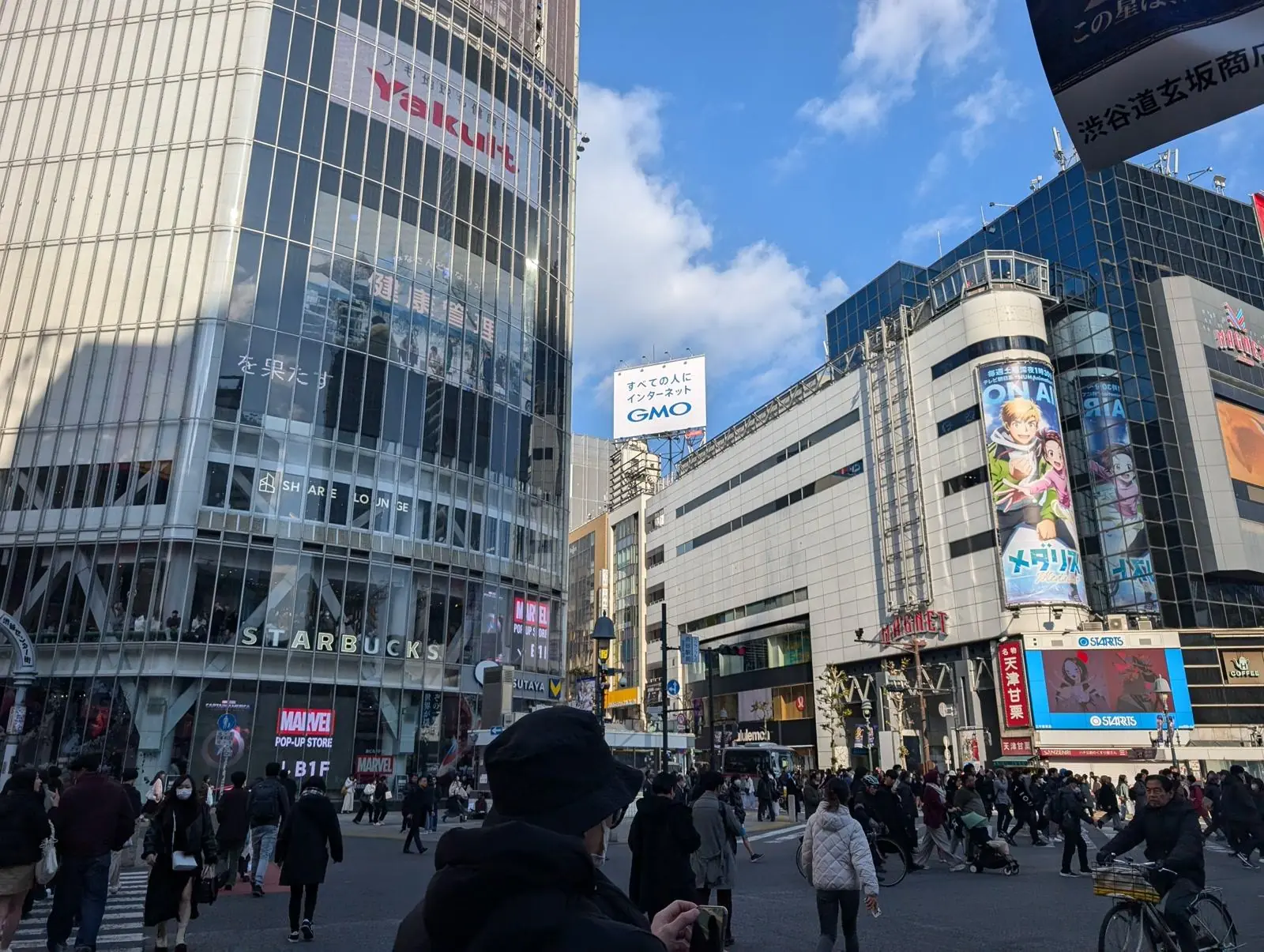
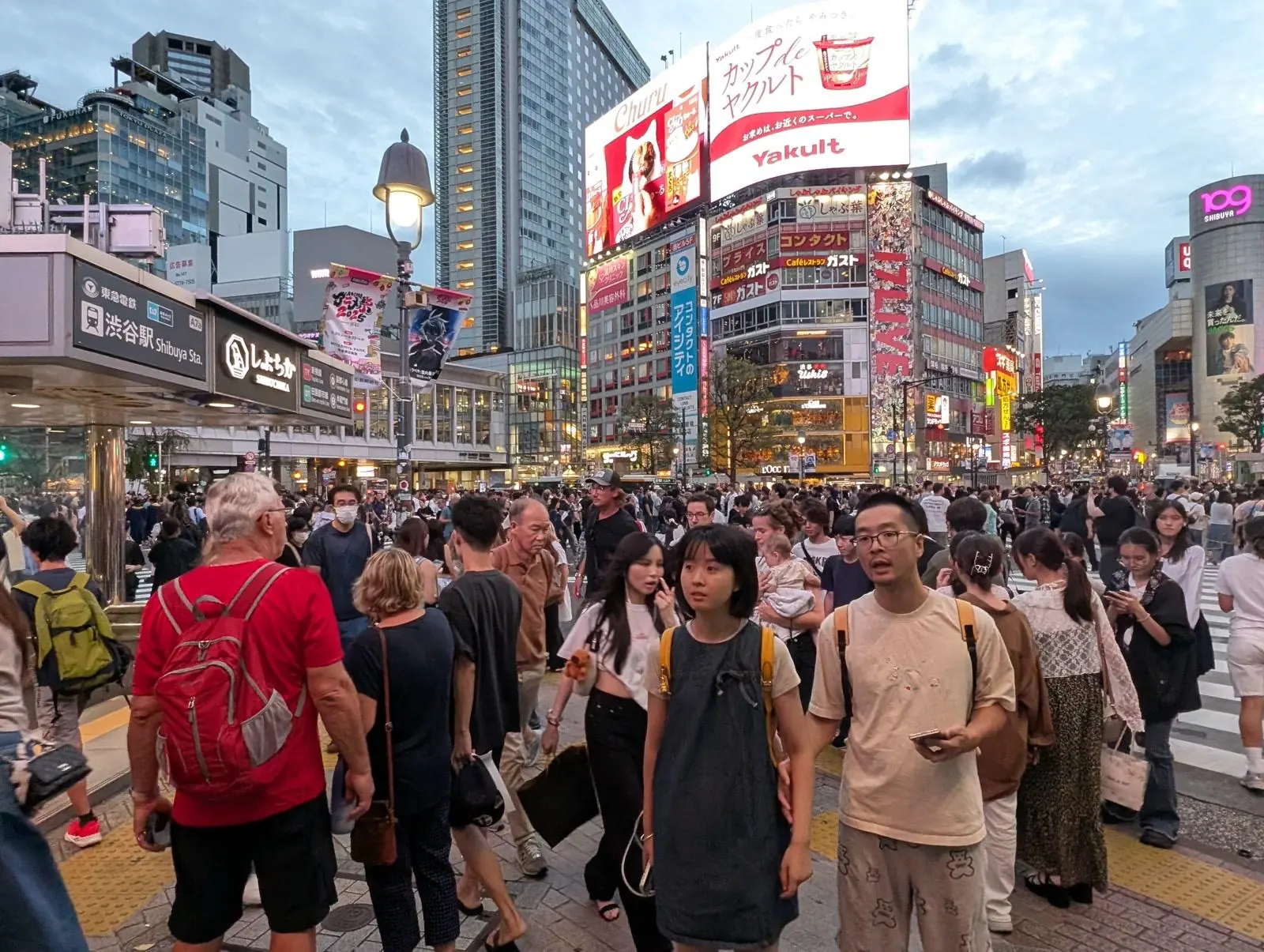
Shibuya is the area most travelers picture when they think of Tokyo: scramble crossing, neon, youth culture. From Shibuya you can walk to Harajuku, Omotesando, and Yoyogi Park. Train access is excellent (Yamanote line, multiple subway lines).
Stay in Shibuya if: First Tokyo trip and you want to walk to multiple neighborhoods; modern energy is a priority; you're traveling with younger adults.
Avoid Shibuya if: You want quiet evenings (Shibuya is genuinely loud); you have very young children.
See my Shibuya & Harajuku guide.
Other Strong Options Most Guides Skip
Tokyo Station / Marunouchi
If you're doing a Tokyo-Kyoto trip with multiple Shinkansen rides, Marunouchi cuts your commute every time. The downside is the area is quiet at night — almost no street food or izakaya. Best for business travelers.
Ueno
Ueno has the best museum density in Tokyo (Tokyo National Museum, Nature & Science, Western Art), a large park, and is a major train hub for trips north (Nikko, Tohoku Shinkansen). Hotels are 20-30% cheaper than Shibuya/Shinjuku.
Akihabara
Stay here only if anime, manga, or electronics shopping is a major part of your trip. Otherwise, it's an inconvenient base.
Which Area Actually Suits You: Three Common Profiles
Profile A
First-time visitor, 5-7 days, mostly Tokyo
Stay 3 nights in Shinjuku + 2-3 nights in Asakusa. You see both modern and old Tokyo with a clean break.
Profile B
Tokyo + Kyoto trip, 10 days
Stay near Tokyo Station/Marunouchi or Ginza for easy Shinkansen access. Spend 4-5 nights in Tokyo, then transit clean.
Frequently Asked Questions
Is staying near Tokyo Station worth the higher price?
For Shinkansen-heavy itineraries, yes. For Tokyo-only trips, you're paying for proximity you won't use. Shinjuku or Asakusa give you better neighborhood character at a lower price.
Should I split between two neighborhoods?
If you have 5+ nights, yes. The travel days lose time, but the contrast (e.g. Shinjuku + Asakusa) gives a richer trip. For 3 nights or less, pick one base.
Which area is best for families with strollers?
Ueno is the strongest pick: flat, park access, museums, and reasonable hotel prices. Asakusa is a close second. Avoid Shibuya — too crowded.
Should I avoid Roppongi as a base?
Not necessarily. Roppongi is a perfectly fine base if you want nightlife and art museums (Mori, National Art Center) — but train access to Tokyo's spread is weaker than Shinjuku.