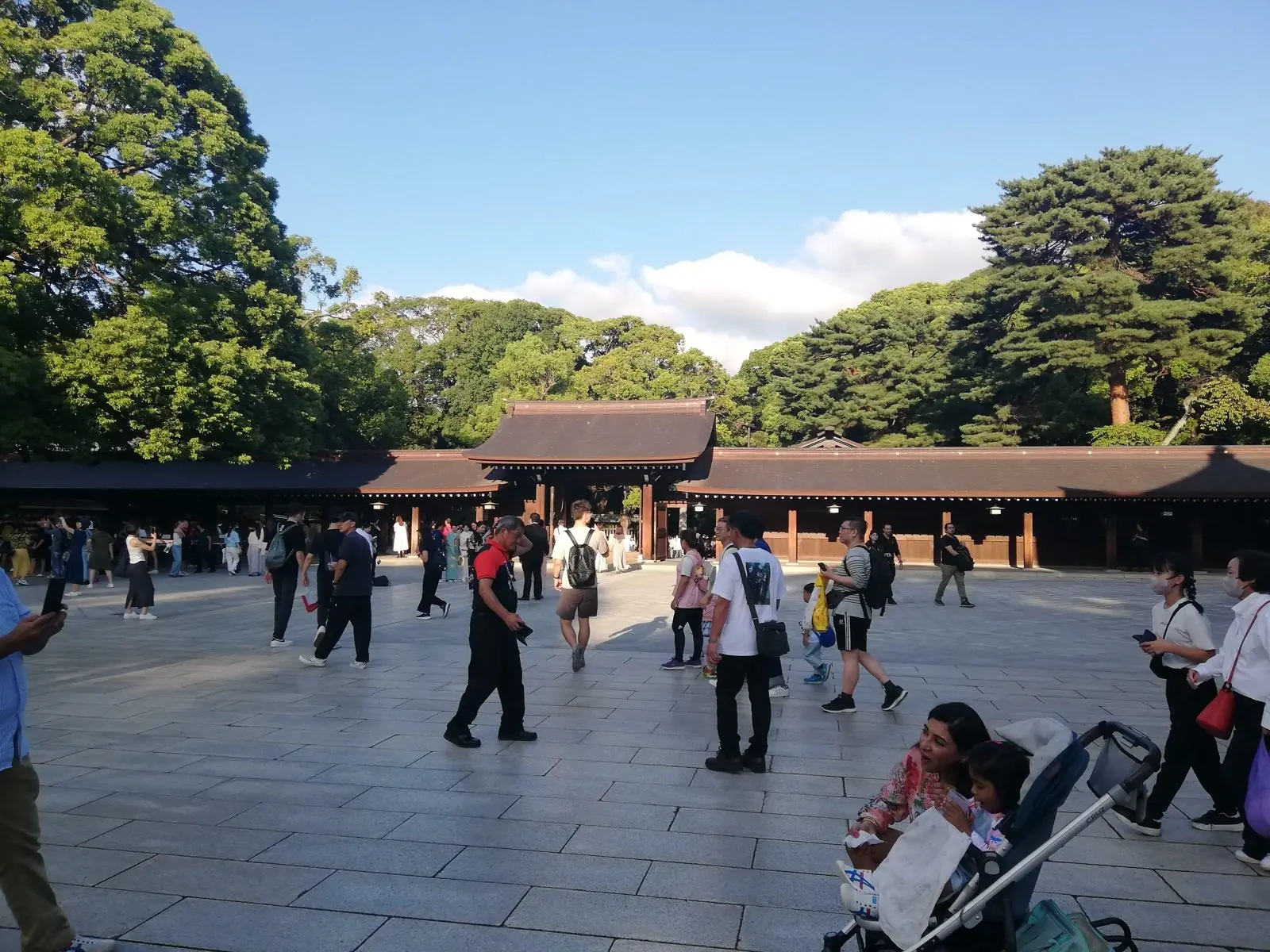
Most visitors to Tokyo never hear the name Yanaka. It does not appear on the standard sightseeing lists, the hop-on hop-off bus routes do not stop here, and the big travel agencies have never figured out how to package it into a half-day itinerary. That is precisely what makes it one of the most rewarding neighborhoods in the entire city. Yanaka is old Tokyo, the real thing, not a reconstruction or a theme park version but an actual living neighborhood where wooden houses lean against one another on narrow lanes, where temple bells mark the hours, and where a shopping street that has been feeding the community for generations still does exactly that every single day.
After leading private tours through Yanaka for years, I can tell you that this neighborhood consistently produces the strongest reactions from my guests. People who have already spent days exploring Shibuya, Shinjuku, and Asakusa arrive in Yanaka and suddenly feel like they have discovered a completely different country. The pace slows down. The noise drops. The crowds vanish. And Tokyo reveals a side of itself that most travelers never get to see. This guide is my attempt to put everything I know about walking Yanaka into one place, so that whether you visit on your own or with a guide, you will experience the neighborhood at its absolute best.
Why Yanaka Feels Different from the Rest of Tokyo
To understand why Yanaka feels so different, you need to understand what happened to the rest of Tokyo. The city has been devastated twice in the last century. The Great Kanto Earthquake of 1923 and the fires that followed it destroyed vast swaths of the eastern lowlands. Then in March 1945, American firebombing raids reduced sixteen square miles of the Shitamachi flatlands to ash in a single night, killing over 100,000 people in what remains the most destructive air raid in human history. After the war, rapid modernization and aggressive urban development erased most of whatever the fires had spared. The Tokyo you see today, all glass towers and concrete apartment blocks and elevated highways, is essentially a city that has been rebuilt from scratch two or three times over.
Yanaka survived all of it. The neighborhood sits on slightly elevated ground west of the traditional Shitamachi lowlands, and its position near the open expanse of Ueno Park created a natural firebreak that shielded it from the spreading flames of both 1923 and 1945. But geographic luck alone does not explain why Yanaka still looks the way it does. What truly preserved this neighborhood was its people. When postwar developers arrived with plans for apartment towers and wide boulevards, Yanaka's residents, many of them temple priests, small-business owners, and families who had lived here for generations, refused to sell. The community associations pushed back against rezoning. The temples would not budge. And so, while the rest of Tokyo transformed itself into a gleaming modern metropolis, Yanaka simply stayed the same.
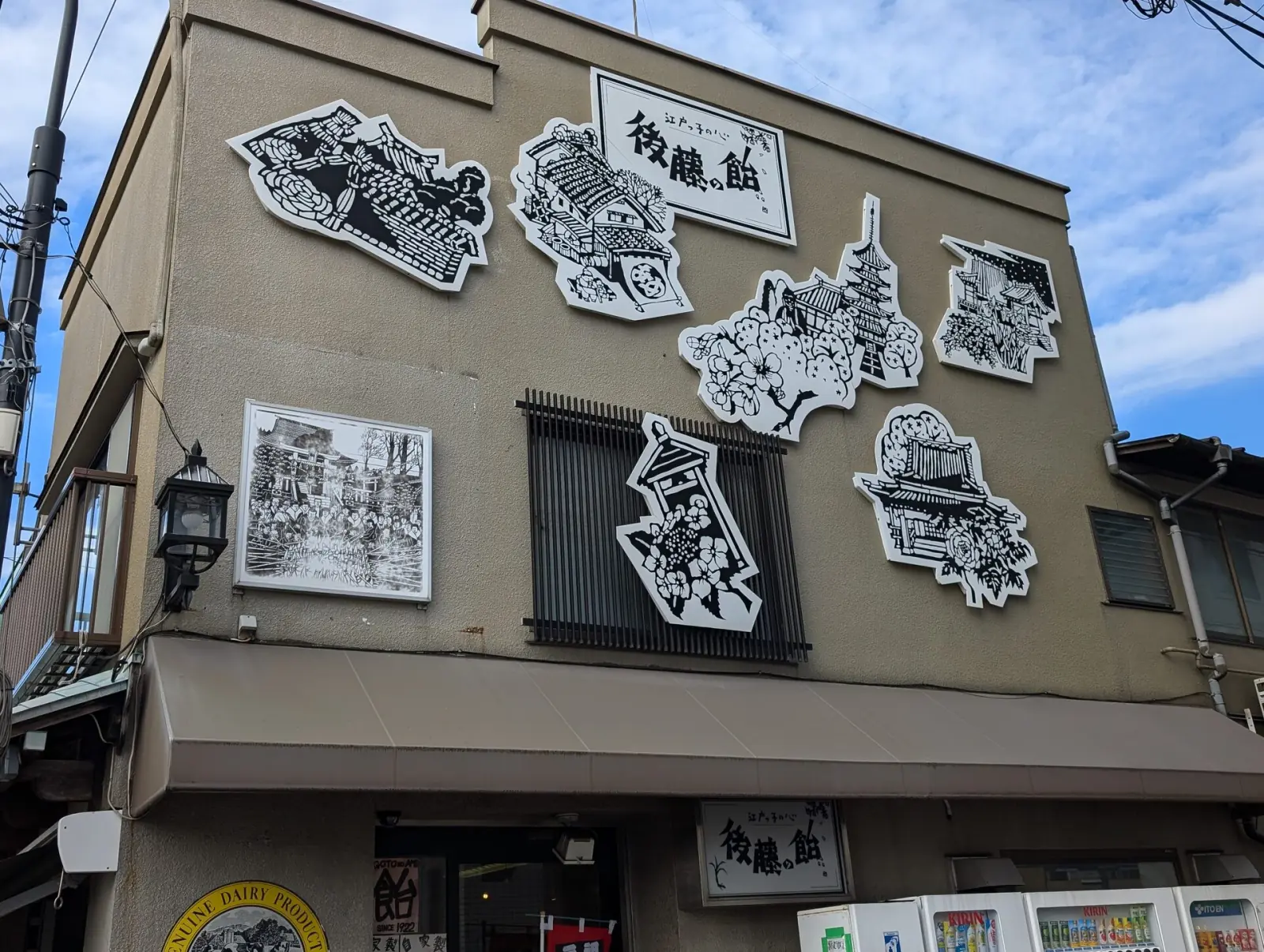
What this means for you as a visitor is extraordinary. Walking through Yanaka today is the closest you can come to experiencing what Tokyo felt like before the earthquakes, the bombs, and the construction cranes changed everything. The streets are narrow and winding. The buildings are low, made of dark-stained wood and clay tile. More than seventy Buddhist temples are clustered within a few blocks, their moss-covered stone gardens and incense-scented halls open to anyone who wanders in. Cats sleep on warm stone walls. An elderly shopkeeper arranges pickles in wooden barrels the same way her grandmother did. This is the Shitamachi spirit, the culture of Tokyo's old downtown, preserved in amber. I point all of this out on my tours because once you understand the history, every weathered wooden facade and hand-painted shop sign becomes a small miracle of survival.
Yanaka Walking Tour Route (2 to 3 Hours)
The route I use on my private tours has been refined over hundreds of walks through this neighborhood. It follows a roughly north-to-south line from Nippori Station to Nezu Station, covering about three kilometers at a gentle pace that leaves plenty of time for stopping, exploring, eating, and photographing. You never backtrack, and the terrain is almost entirely flat despite Yanaka's hillside position. I typically allow two and a half to three hours, though guests who love photography or want to linger at the temples sometimes stretch it to four.
The walk begins at the west exit of Nippori Station on the JR Yamanote Line. The moment you step outside, the atmosphere changes. There are no department stores, no electronic billboards, no rush-hour crowds even at rush hour. You are in a residential neighborhood that happens to be ten minutes from the center of one of the world's largest cities. A two-minute walk south brings you to the entrance of Yanaka Cemetery, a vast, tree-lined space that functions more like a public park than a graveyard. Locals walk their dogs here, families spread blankets under the cherry trees in spring, and the wide central avenue, flanked by towering old trees, is one of the most beautiful walks in Tokyo during sakura season.
From the cemetery, you move south through what I call the temple district, a dense cluster of streets where more than seventy Buddhist temples sit within a few blocks. Each one is small and quiet, typically maintained by a single priest and their family, and most are open for you to walk through without any fee or reservation. The route then descends toward the Yuyake Dandan, a flight of stone steps famous for its sunset views over the neighborhood rooftops. At the bottom of the stairs begins Yanaka Ginza, the shopping street that serves as the neighborhood's beating heart. After grazing your way through the food stalls and shops, the final stretch threads through residential backstreets toward Nezu, passing wooden houses with potted-plant gardens, artisan workshops, and community notice boards advertising local festivals. The walk ends at Nezu Station on the Chiyoda Line, though I always make a detour to Nezu Shrine, one of Tokyo's oldest and most beautiful Shinto shrines, with its tunnel of vermillion torii gates and an azalea garden that explodes with color every April.
Top Spots Not to Miss in Yanaka
Yanaka Cemetery is far more than a graveyard. It is a sprawling green space that holds over 7,000 graves, including that of Tokugawa Yoshinobu, the fifteenth and last shogun of Japan. I always pause at his resting place to tell the story of how this one man voluntarily surrendered power in 1868, ending 260 years of military rule by the Tokugawa clan and launching Japan into the modern era. He retired to a quiet life of photography and painting, eventually being buried here in a neighborhood that, fittingly, still feels like the era he left behind. The cemetery's main path is also one of Tokyo's finest cherry blossom spots, far less crowded than the famous viewing areas at Ueno Park or along the Meguro River. If you visit in late March or early April, make this your first stop.
Among the temples, a few stand out. Tenno-ji is home to a large seated bronze Buddha that predates many of the surrounding buildings and sits in a quiet garden where time seems to stop. Kyoo-ji has a stunning painted ceiling featuring a dragon that appears to follow you with its eyes as you move beneath it. Joko-ji is tiny and easy to miss entirely, but its miniature garden is one of the most peaceful spaces I have found in all of Tokyo. I never try to visit every temple on a tour. Instead, I choose three or four based on what each guest finds most interesting, whether that is Buddhist art, architecture, garden design, or simply finding the quietest possible spot in a city of fourteen million people.
The Yuyake Dandan staircase deserves special mention. The name translates roughly to "sunset steps," and they earn it. On clear evenings, the view from the top of the stairs looks out over the low rooftops of Yanaka toward the western sky, and the sunset fills the lane with golden light. Even if you do not time your visit for sunset, the stairs are the gateway between the quiet temple district above and the lively energy of Yanaka Ginza below, and descending them always feels like crossing a threshold into a different world. At the route's southern end, Nezu Shrine is the perfect closing act. Its grounds are ancient, its architecture is exquisitely maintained, and the corridor of red torii gates winding up the hillside behind the main hall offers one of the most photogenic scenes in the city.
Best Food and Drinks in Yanaka Ginza Shopping Street
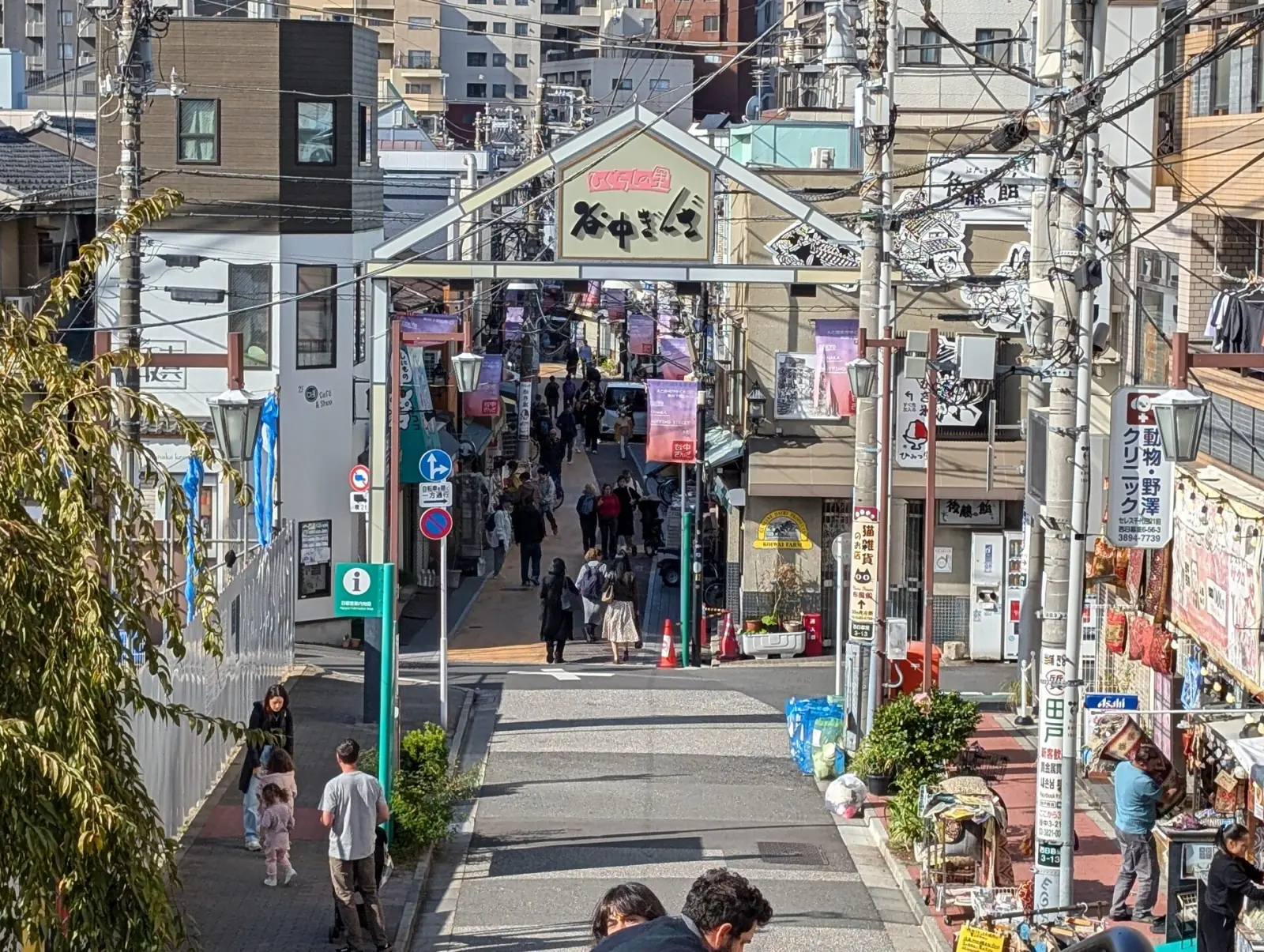
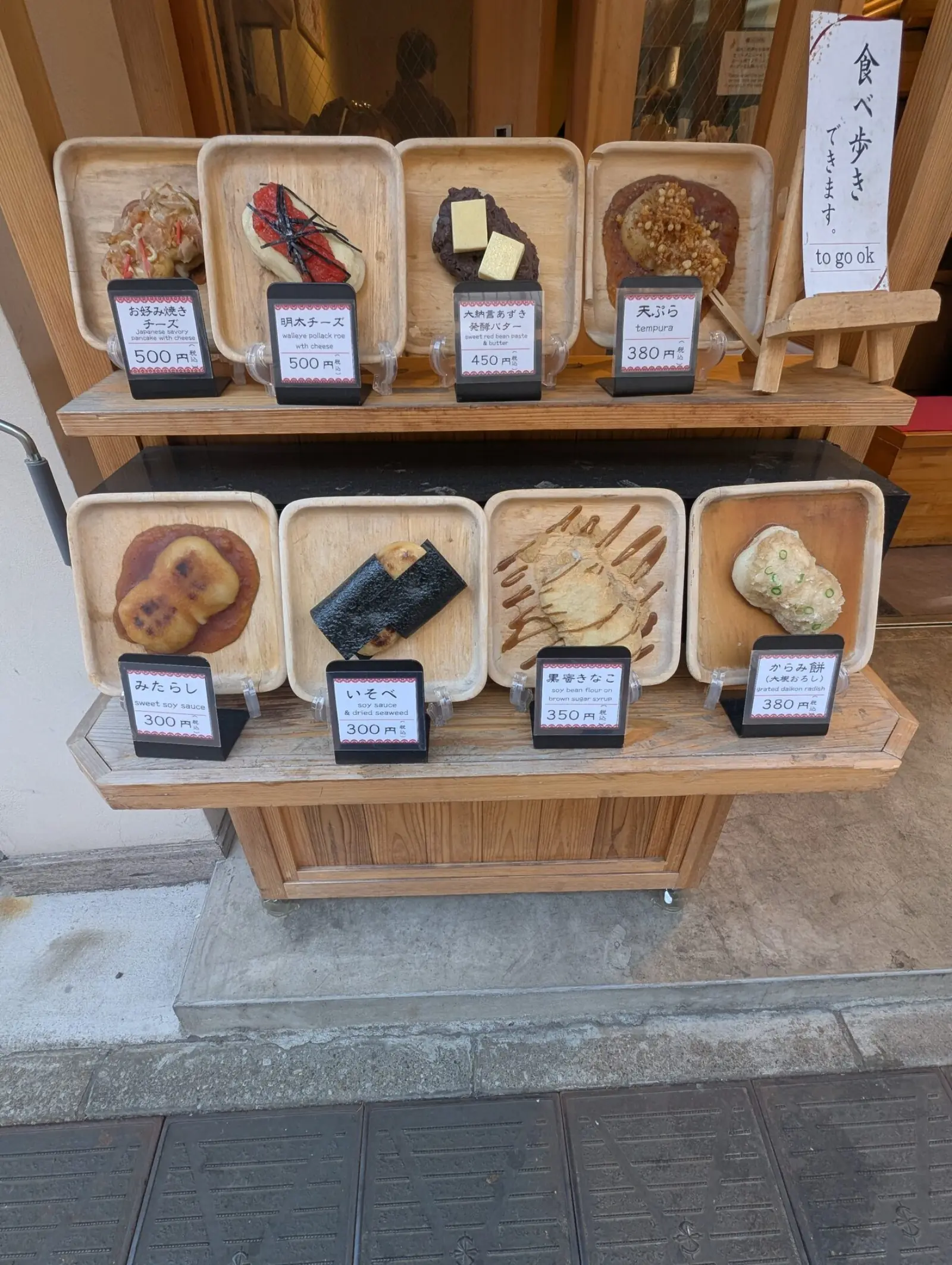
Yanaka Ginza is a 170-meter shopping street that runs from the base of the Yuyake Dandan stairs south through the heart of the neighborhood. Unlike the tourist-oriented shopping streets you find in Asakusa or Harajuku, Yanaka Ginza is a genuine local shotengai, a traditional neighborhood commercial strip where residents come to buy their daily groceries, pick up household supplies, and chat with shopkeepers they have known for decades. The result is a street where the food is made for people who eat here every day, not for people who will never come back. Quality is high, prices are low, and everything is designed to be eaten while walking.
The croquettes are the street's most famous snack, and for good reason. Several butchers along Yanaka Ginza sell hand-formed menchi katsu, deep-fried ground meat croquettes with a shattering crispy shell and a juicy, savory interior. They cost about 200 yen each and are fried to order, handed to you wrapped in a small sheet of paper while still almost too hot to hold. I usually grab one from the shop right at the base of the Yuyake Dandan steps, where the line moves quickly and the product is consistently excellent. Nearby, you will find yakitori stalls sending clouds of charcoal smoke into the air, grilling chicken skewers that make for perfect walking food. There are also traditional sweet shops selling dorayaki, the red-bean-paste-filled pancakes that are a Japanese comfort food staple, and taiyaki, the fish-shaped cakes with fillings of sweet bean paste, custard cream, or seasonal flavors.
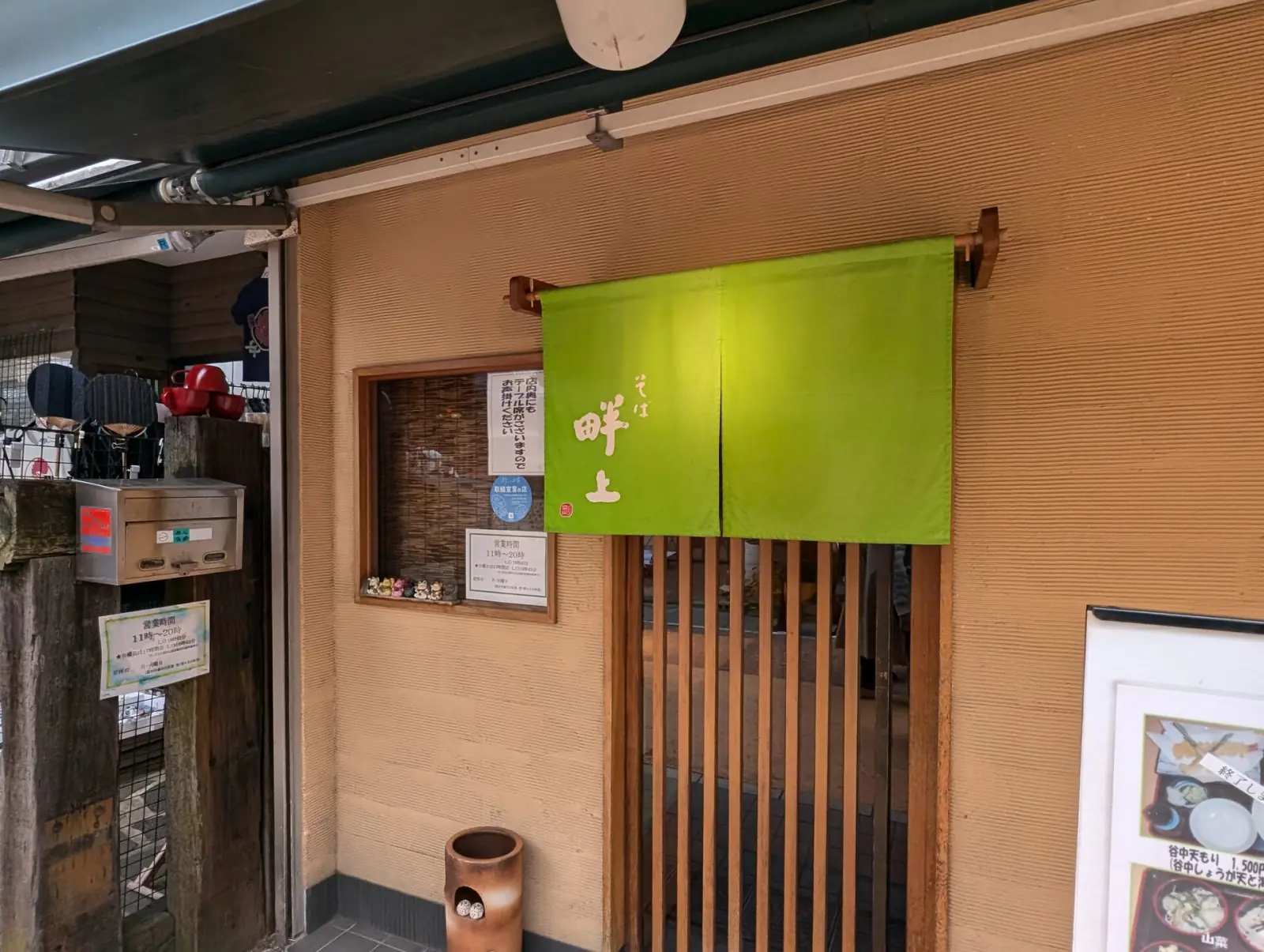
For something more substantial, step off the main strip and into the backstreets, where you will find small kissaten, old-fashioned Japanese coffee shops with dark wood interiors, classical music playing softly, and hand-dripped coffee served in porcelain cups. These places feel like stepping into the 1960s and they are exactly the kind of hidden gem that rewards walking slowly and looking carefully. Yanaka Beer Hall, located just off the main Ginza street in a beautifully renovated old building, serves local craft beer and makes an excellent stop on a warm afternoon. For a proper sit-down meal, the neighborhood has several small soba restaurants tucked into quiet side streets, serving handmade buckwheat noodles in simple, elegant settings. On my tours, I always build in at least forty-five minutes for eating on Yanaka Ginza, because the food here is not just fuel for the walk. It is part of the experience.
Getting to Yanaka from Central Tokyo
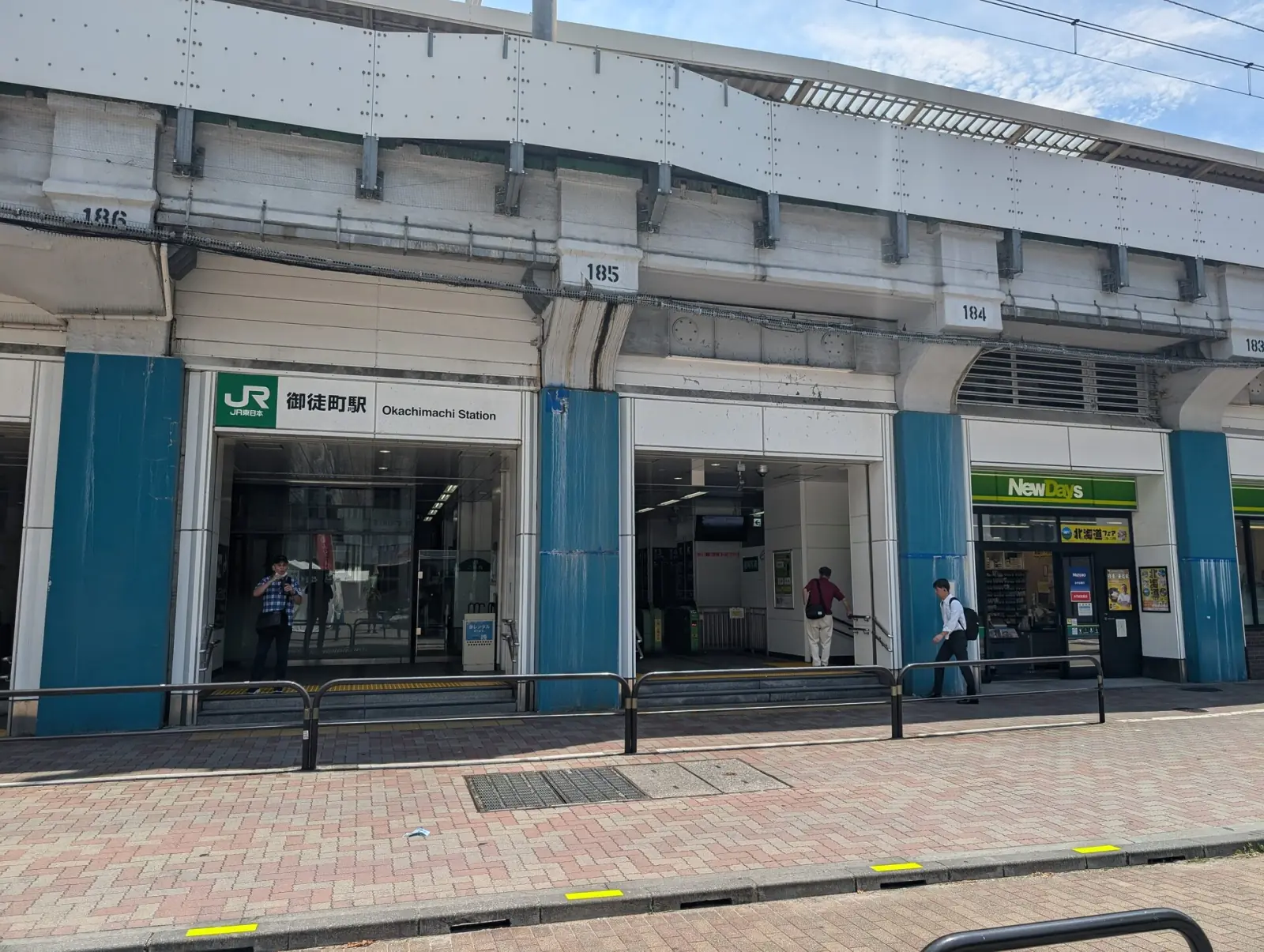
Reaching Yanaka is remarkably easy, which makes its off-the-beaten-path character all the more surprising. The starting point of the walking route is Nippori Station on the JR Yamanote Line, Tokyo's main loop line that connects virtually every major neighborhood in the city. From Tokyo Station, the ride is about twelve minutes. From Shinjuku, it is roughly twenty minutes. From Shibuya, allow about twenty-five minutes. If you are staying anywhere along the Yamanote Line, which covers most of central Tokyo, you can reach Nippori with a single train and no transfers. The station is also served by the Keisei Skyliner from Narita Airport, so if you are arriving from overseas and want to start your Tokyo experience with something genuinely local rather than the overwhelming sensory assault of Shinjuku or Shibuya, Yanaka is an outstanding first stop.
At Nippori Station, use the west exit. This puts you on the quiet, residential side of the station, facing directly toward Yanaka Cemetery and the start of the walking route. The east exit leads to a different neighborhood entirely, so make sure you head west. If you are ending the walk at Nezu Station, as I recommend, you will exit via the Tokyo Metro Chiyoda Line, which connects you directly to Omotesando, Meiji-jingumae (for Harajuku), and other points in central and western Tokyo. This makes it easy to continue your day after the walk. A morning spent in Yanaka pairs beautifully with an afternoon at the Ueno museums, which are just one stop south on the Yamanote Line, or with a trip across to Asakusa, which is a short ride away via the Tsukuba Express from Shin-Okachimachi. Many of my guests combine Yanaka with our Asakusa Walking Tour for a full day of traditional Tokyo.
Explore Yanaka with a Private Guide
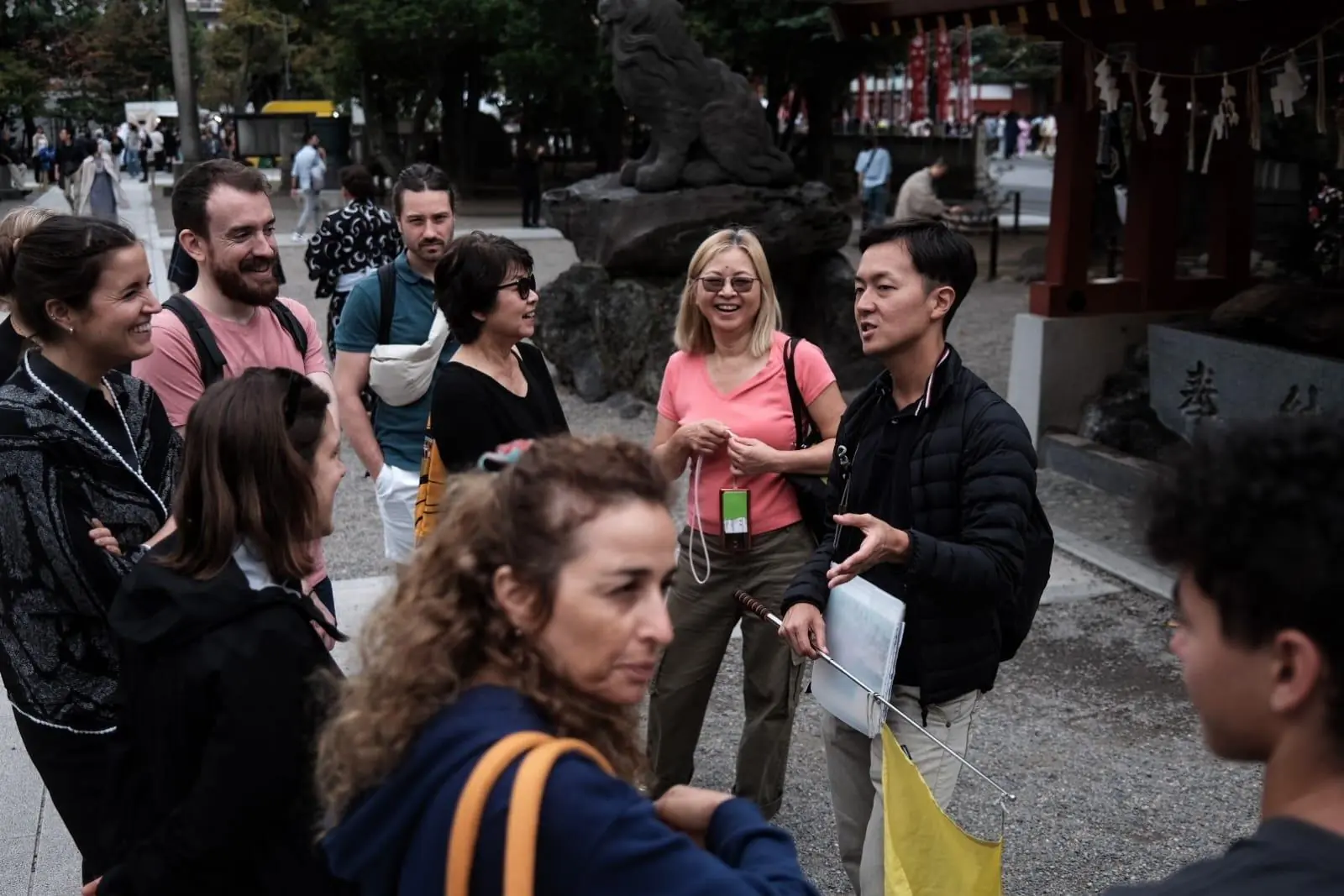
Reading about Yanaka is one thing. Walking it with someone who knows every backstreet, every hidden temple garden, and every shopkeeper by name is something else entirely. My private Yanaka walking tour covers this entire route and goes deeper into the history, the architecture, and the local stories that you simply cannot get from a guidebook or a blog post. I adjust the pace and focus based on what interests you most, handle all the navigation and logistics, and make sure you taste the best food the neighborhood has to offer. If you are looking for a private tour in Yanaka that goes beyond the surface, this is it.