The short answer
Usually no for Tokyo-only trips or a simple Tokyo-Kyoto return. Worth it for multi-city routes with three or more Shinkansen legs.
The pass can still save money, but only on specific itineraries. The fare math below shows where it works and where individual tickets are cheaper.
Important 2026 update
Overseas agency purchases are scheduled to rise from October 1, 2026. The 7-day Ordinary pass changes from ¥50,000 to ¥53,000 via overseas sales channels. Always verify the latest official price before buying.
Quick verdict by itinerary
"Should I get the Japan Rail Pass?" is the second most common question I get from clients, right after "when should I visit?" And unlike the timing question, this one has a definitive mathematical answer, if you're willing to sit down with the actual numbers.
The JR Pass underwent a significant price increase in October 2023, roughly 70% higher than the old price. A 7-day Ordinary pass costs ¥50,000 before the October 2026 agency-price change. This higher baseline flipped the calculation for a lot of travelers. Routes and itineraries that used to make the pass an obvious bargain now require more careful math.
I'm going to do that math for you, using real 2026 prices and the itineraries my clients actually travel. Just honest numbers from someone who helps travelers plan these trips every week.
Why the JR Pass Question Is More Complicated Now
Before the 2023 price increase, the Japan Rail Pass was worth it for almost any trip that included a round-trip Tokyo–Kyoto journey. The old 7-day pass cost ¥29,650, and a single round-trip Hikari ticket between Tokyo and Kyoto cost about ¥27,700. The math was simple: if you're going to Kyoto and back, get the pass.
At the new price of ¥50,000, that calculus changed. A round-trip Hikari Shinkansen between Tokyo and Kyoto costs about ¥27,940 (¥13,970 each way). The Nozomi is slightly more expensive at ¥14,170 each way, but the JR Pass doesn't cover it — only the Hikari (which is just 5 minutes slower). So the pass saves you nothing on a simple Tokyo–Kyoto round trip. You need additional travel to justify the cost.
The Japan Rail Pass is still worth it for some itineraries. But "some" is doing more work than it used to. Let me show you exactly when it pays off and when it doesn't.
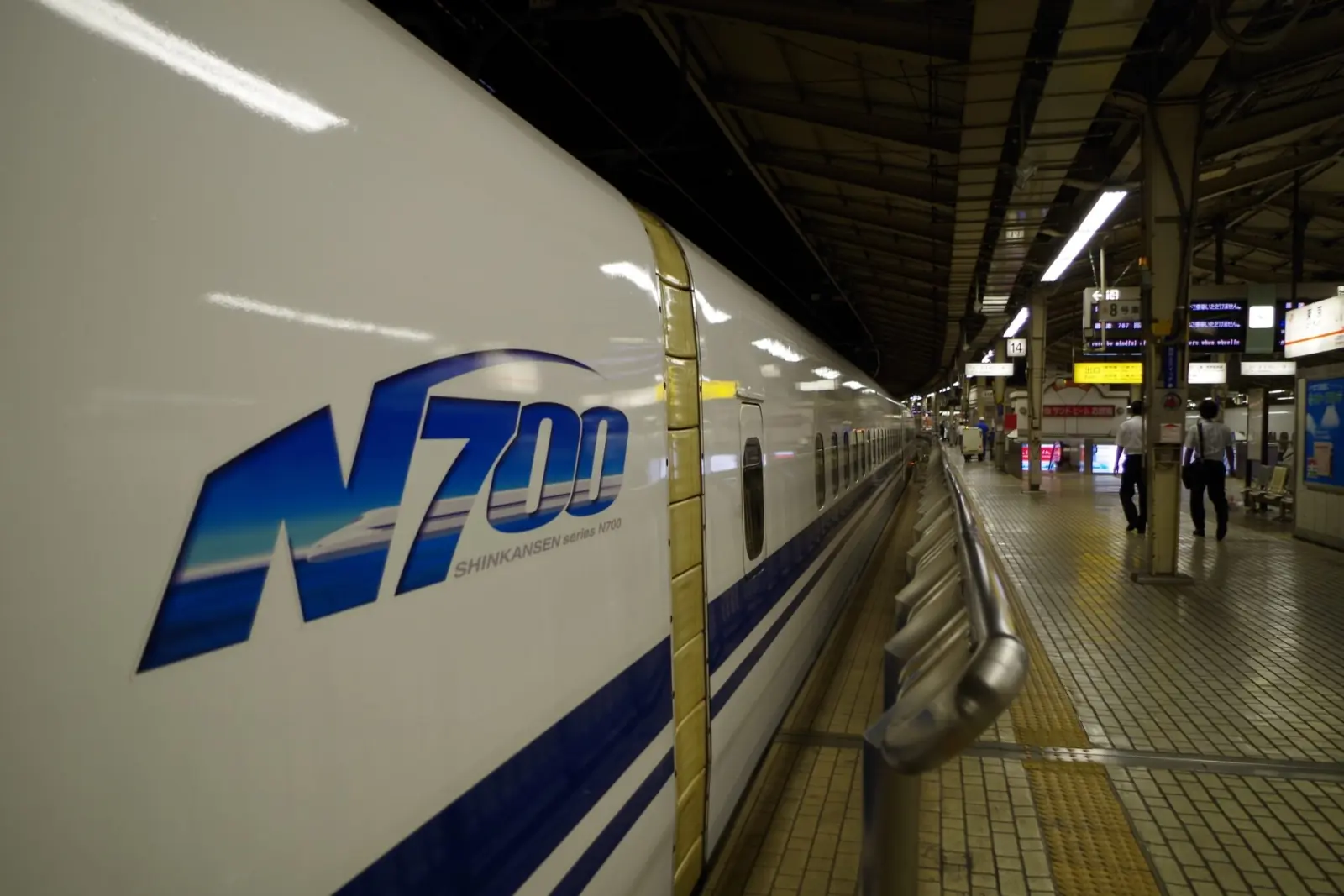
JR Pass Price Changes in 2026
The last JR Pass price increase took effect in October 2023 — a nearly 70% jump that fundamentally changed the math for travelers. As of May 2026, the official website still shows those prices, but overseas agency purchases are scheduled to increase from October 1, 2026. Here is a complete side-by-side comparison so you can see exactly how much the 2023 increase affected each pass type.
| Pass Type | Before Oct 2023 | 2026 Price Before Oct. 1 | % Change |
|---|---|---|---|
| 7-day Ordinary | ¥29,650 | ¥50,000 | +69% |
| 14-day Ordinary | ¥47,250 | ¥80,000 | +69% |
| 21-day Ordinary | ¥60,450 | ¥100,000 | +65% |
| 7-day Green Car | ¥39,600 | ¥70,000 | +77% |
| 14-day Green Car | ¥64,120 | ¥110,000 | +72% |
| 21-day Green Car | ¥83,390 | ¥140,000 | +68% |
💡 Click any current price to jump to "When the JR Pass IS Worth It" with example itineraries.
What this means in practice: at the old price, a single Tokyo–Kyoto round trip (¥27,700) almost paid for the 7-day pass. At ¥50,000, that same round trip covers only 55% of the pass cost. You now need two or more Shinkansen legs — plus local JR rides — to break even.
The pass still offers real value for multi-city itineraries. For Tokyo–Kyoto–Osaka–Hiroshima in 7 days, the numbers still work in its favor. But "when in doubt, buy it" is no longer sound advice. The sections below show you exactly which itineraries tip the scale — and budget-friendly alternatives when yours does not.
How to Calculate If It's Worth It for Your Trip
The formula is straightforward: add up the cost of every JR train ride you'd take during your 7-day (or 14-day/21-day) pass window. If the total exceeds the pass price, buy it. If not, buy individual tickets.
Key prices to know (2026, one-way, reserved seat):
- Tokyo → Kyoto (Hikari): ¥13,970
- Tokyo → Osaka (Hikari): ¥14,400
- Tokyo → Hiroshima (Hikari + Sakura): ¥18,910
- Kyoto → Hiroshima (Sakura): ¥11,300
- Tokyo → Kanazawa (Hakutaka): ¥14,180
- Tokyo → Nikko (JR + Tobu): ~¥2,800 (JR portion only)
- Tokyo → Kamakura (JR): ¥1,040
Remember: the JR Pass covers the Hikari and Kodama Shinkansen. For the Nozomi or Mizuho (the fastest trains), you'll need to purchase a supplementary ticket (about ¥4,960 for Tokyo–Kyoto). In practice, the Hikari gets you to Kyoto in about 2 hours 20 minutes vs. the Nozomi's 2 hours 15 minutes — barely any difference, so most travelers simply take the Hikari.
When the JR Pass IS Worth It (With Example Itineraries)
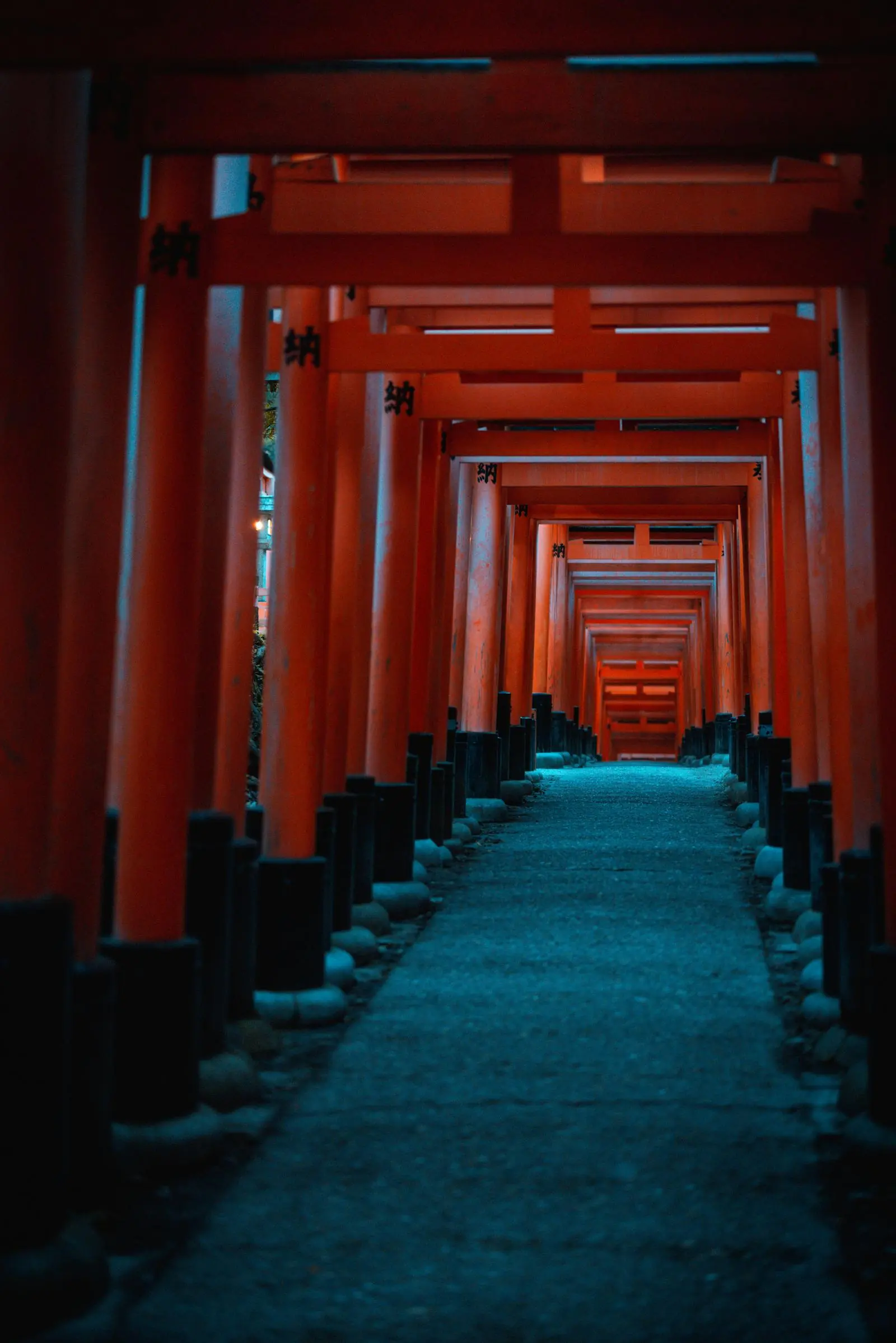
Classic Route: Tokyo → Kyoto → Osaka → Hiroshima → Tokyo
Individual ticket costs: Tokyo→Kyoto (¥13,970) + Kyoto→Hiroshima (¥11,300) + Hiroshima→Tokyo (¥18,910) = ¥44,180. Add local JR rides in each city and the total easily exceeds the ¥50,000 pass price. Verdict: worth it.
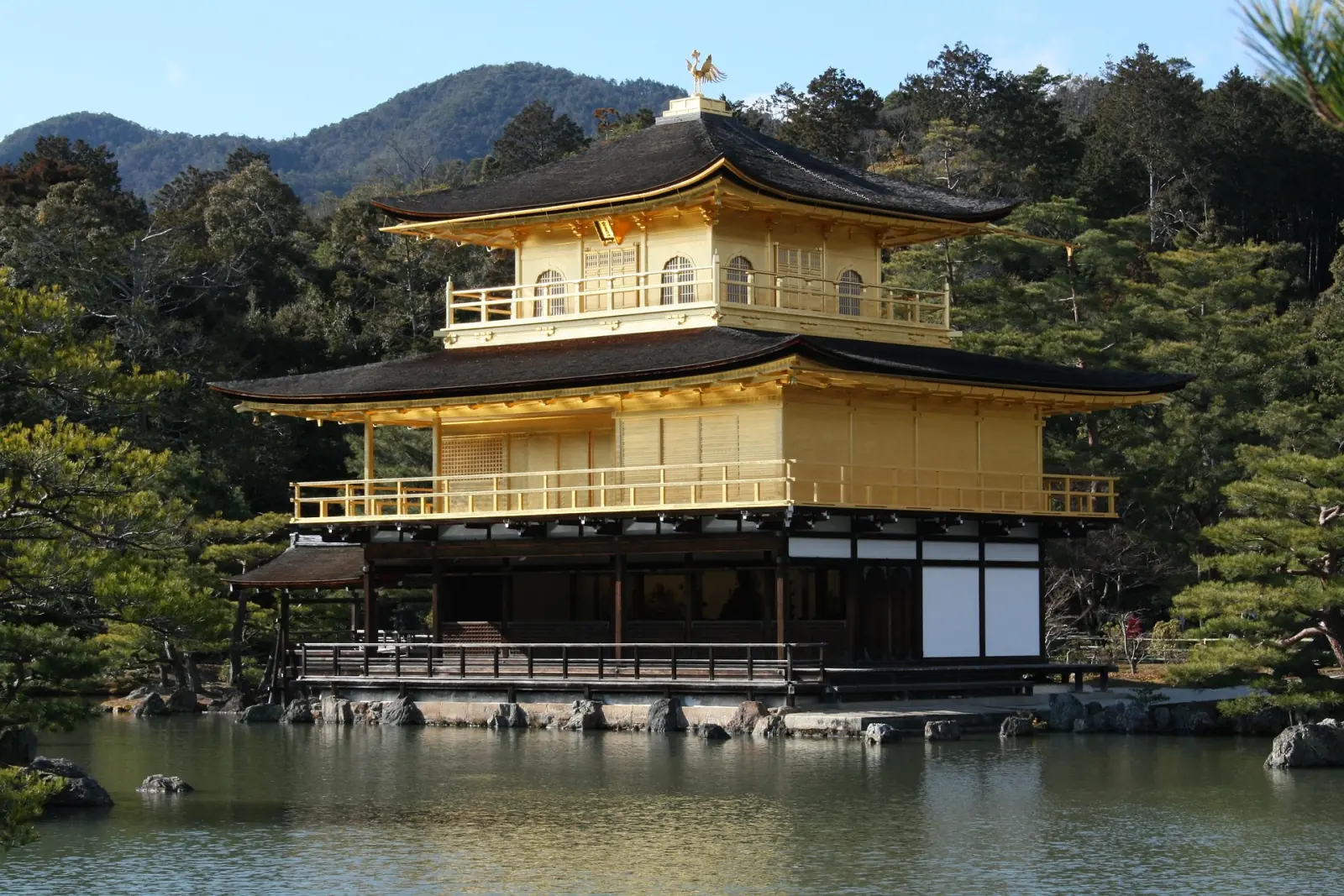
Multi-City: Tokyo → Kanazawa → Kyoto → Tokyo
Tokyo→Kanazawa (¥14,180) + Kanazawa→Kyoto (¥7,720) + Kyoto→Tokyo (¥13,970) = ¥35,870 in Shinkansen alone. Add Tokyo-area JR rides (Kamakura day trip: ¥2,080 round-trip, airport Narita Express: ¥3,070–3,250) and you're at ¥40,700+. Getting close to ¥50,000 but may not exceed it. Verdict: borderline. Calculate your specific JR rides carefully.
Extended: Tokyo → Kyoto → Osaka → Kanazawa → Tokyo (+ day trips)
Any itinerary with three or more Shinkansen legs plus local JR rides will almost certainly exceed ¥50,000. If you're doing the "Golden Route" with side trips, the 7-day pass pays for itself. Verdict: definitely worth it.
When the JR Pass Is NOT Worth It
- Tokyo-only trips: If you're staying in Tokyo for your entire visit, the JR Pass makes no sense. Tokyo's subway and metro systems (which the JR Pass doesn't cover) do most of the heavy lifting. Your daily JR usage in Tokyo might be ¥500–1,000. Instead, invest your budget in experiences like a private food tour to discover local culinary gems beyond the guidebooks.
- Simple Tokyo → Kyoto → Tokyo round trip: Total Shinkansen cost: ¥27,700. The pass costs ¥50,000. You'd need ¥22,300 in additional JR rides to break even, which is unlikely unless you're doing multiple day trips.
- Short stays (3–4 days): Even with a 7-day pass, if you're only traveling for half the window, you won't use enough rides to justify the cost. Individual tickets are almost always cheaper for short trips.
- Itineraries using non-JR trains: Many popular routes use non-JR operators: the Odakyu Line to Hakone, the Tobu Line to Nikko, the Kintetsu Line in the Kansai region. The JR Pass doesn't cover these. If your itinerary relies heavily on private railways, the pass loses value. For day trips like Nikko, where transport logistics can be complex, a guided day trip handles all the transfers and lets you focus on the experience.
Alternatives to the JR Pass
If the nationwide JR Pass doesn't make sense for your trip, consider these alternatives:
- Regional JR Passes: JR East, JR West, and JR Central offer regional passes that are cheaper and cover specific areas. The JR East passes (Nagano/Niigata, Tohoku), the JR West passes (Kansai Area, Kansai-Hiroshima), and JR Central passes are all significantly less than the nationwide pass and perfect for focused regional travel.
- IC Cards (Suica/Pasmo): For travel within Tokyo and short trips to places like Kamakura or Yokohama, an IC card is all you need. Tap on, tap off, pay only for what you ride. No commitment, no calculation needed. I tell all my clients to get one regardless of whether they also buy a JR Pass.
- Individual Shinkansen tickets: If you're making one or two long-distance trips, buying individual tickets is often cheaper than the pass. SmartEX (an app for booking Shinkansen tickets) sometimes offers early-bird discounts.
- Highway buses: For budget travelers, overnight highway buses between Tokyo and Kyoto/Osaka cost ¥3,000–6,000, a fraction of the Shinkansen price. They're comfortable, safe, and save you a night of hotel costs. Not glamorous, but extremely practical.
Budget traveler strategy: the most cost-effective setup for most Tokyo-focused trips is a loaded Suica card for local transit, one or two individually purchased Shinkansen tickets booked through SmartEX for any long-distance hops, and overnight highway buses if you are flexible on timing. This combination will almost always beat the ¥50,000 pass cost unless you are traveling a classic multi-city Golden Route. A private guided tour is another smart way to get expert local access without the overhead of pass logistics — all transportation is handled for you.
For planning your Tokyo itinerary specifically, check my 5-day Tokyo itinerary and best time to visit Tokyo guides, which cover transportation logistics in detail.
Explore Tokyo With a Local Guide
While the JR Pass gets you across Japan, the best Tokyo experiences happen on foot. Our private walking tours reveal the stories, flavors, and hidden corners that make Tokyo unforgettable.
- Tokyo Food Tour — Tsukiji, Ginza & beyond
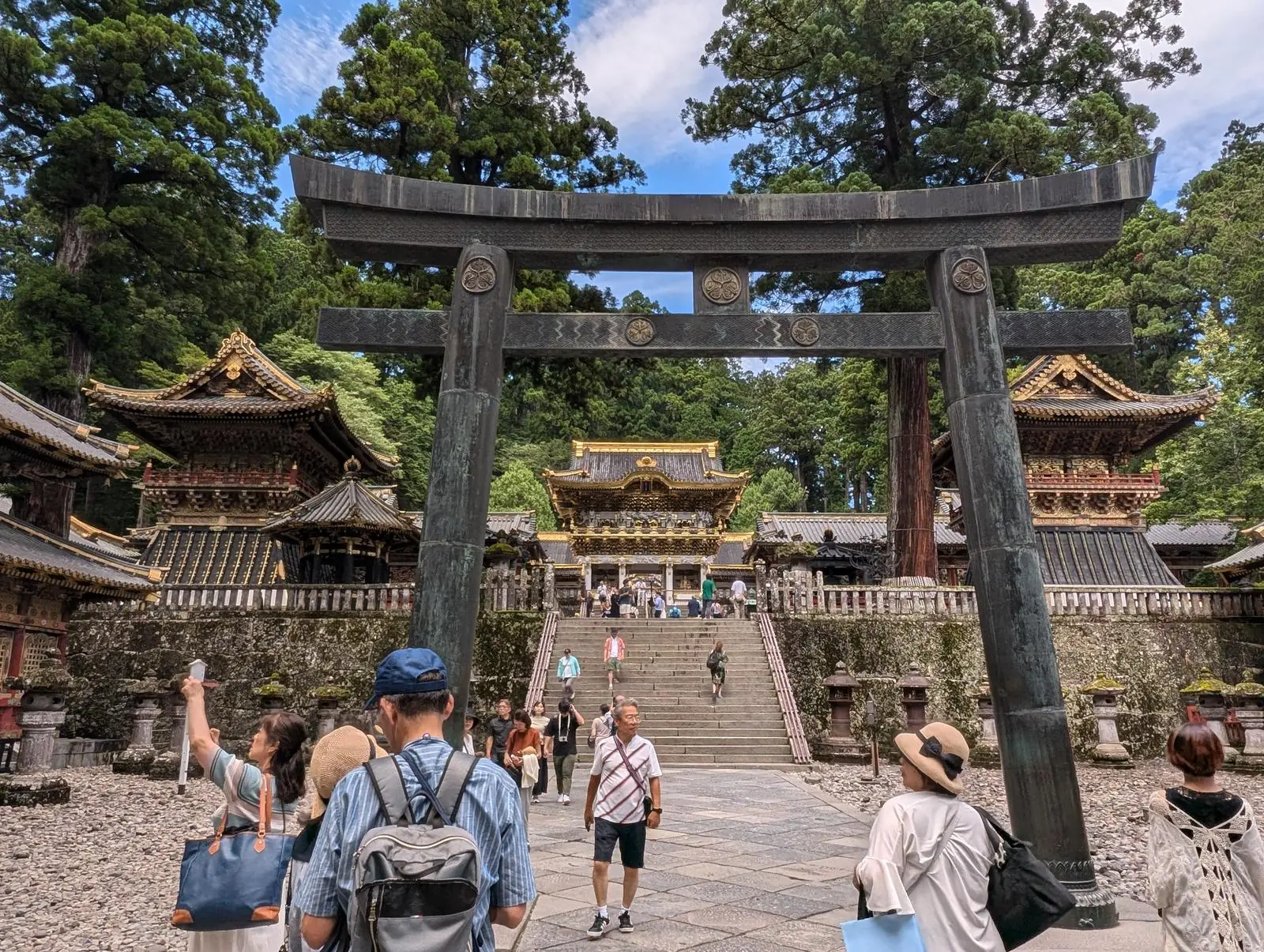
- Nikko Day Trip — Shrines, nature & Edo history
- Tsukiji & Ginza Walk — Markets, culture & cuisine
Need help planning your Japan logistics?
On my private tours, I handle all the transportation planning so you don't have to worry about train passes, transfers, or schedules. Browse my tours or get in touch for custom planning advice.
Frequently Asked Questions
Where do I buy the Japan Rail Pass?
Since October 2023, the nationwide JR Pass can only be purchased online through the official JR Pass website or authorized agents. After purchasing online, you pick it up at a designated JR ticket office counter by showing your passport and choosing your start date. Note that regional JR passes (JR East Pass, JR West Pass, etc.) can still be purchased at station counters.
What's the difference between an IC card and the JR Pass?
An IC card (Suica or Pasmo) is a rechargeable transit card that works on virtually all trains, buses, and subways in Japan. You pay per ride. The JR Pass is an unlimited travel pass that covers only JR-operated trains. Most Tokyo travelers need an IC card regardless of whether they also have a JR Pass, because the JR Pass doesn't cover Tokyo Metro or private railway lines.
Does the JR Pass cover the Nozomi Shinkansen?
Not by default. However, since October 2023, JR Pass holders can purchase a supplementary "Nozomi/Mizuho Ticket" to ride these fastest trains. The supplement costs approximately ¥4,960 for Tokyo–Kyoto. Without the supplement, use the Hikari, which is only about 5 minutes slower on the same route.
Did the JR Pass price increase again in 2026?
Yes, a smaller increase is scheduled for some purchase channels from October 1, 2026. The 7-day Ordinary pass remains ¥50,000 before that date, while overseas agency purchases are scheduled to rise to ¥53,000. Prices through the official JR Pass website are expected to remain unchanged for a limited period, but the details can change, so always verify the latest prices on the official JR Pass website before purchasing.
Is the JR Pass still worth buying after the 2023 price increase?
Yes — but only for the right itinerary. For multi-city routes covering Tokyo, Kyoto, Osaka, and Hiroshima in 7 days, the math still works in the pass's favor. For Tokyo-focused trips or itineraries with just one or two Shinkansen legs, individual tickets or regional passes are usually cheaper. Use the calculation approach in this article rather than buying the pass "just in case."
What are the cheapest ways to travel Japan without the JR Pass?
For budget travelers, the best alternatives are: (1) a Suica IC card for all local and metro travel, (2) individual Shinkansen tickets booked via SmartEX for long-distance trips — early bookings can include discounts, (3) overnight highway buses between Tokyo and Osaka/Kyoto for ¥3,000–6,000, and (4) regional JR passes (like the JR Kansai Area Pass from ¥2,800) if your trip is concentrated in one region. A private guided tour removes the logistics entirely — transportation planning is handled as part of the experience.