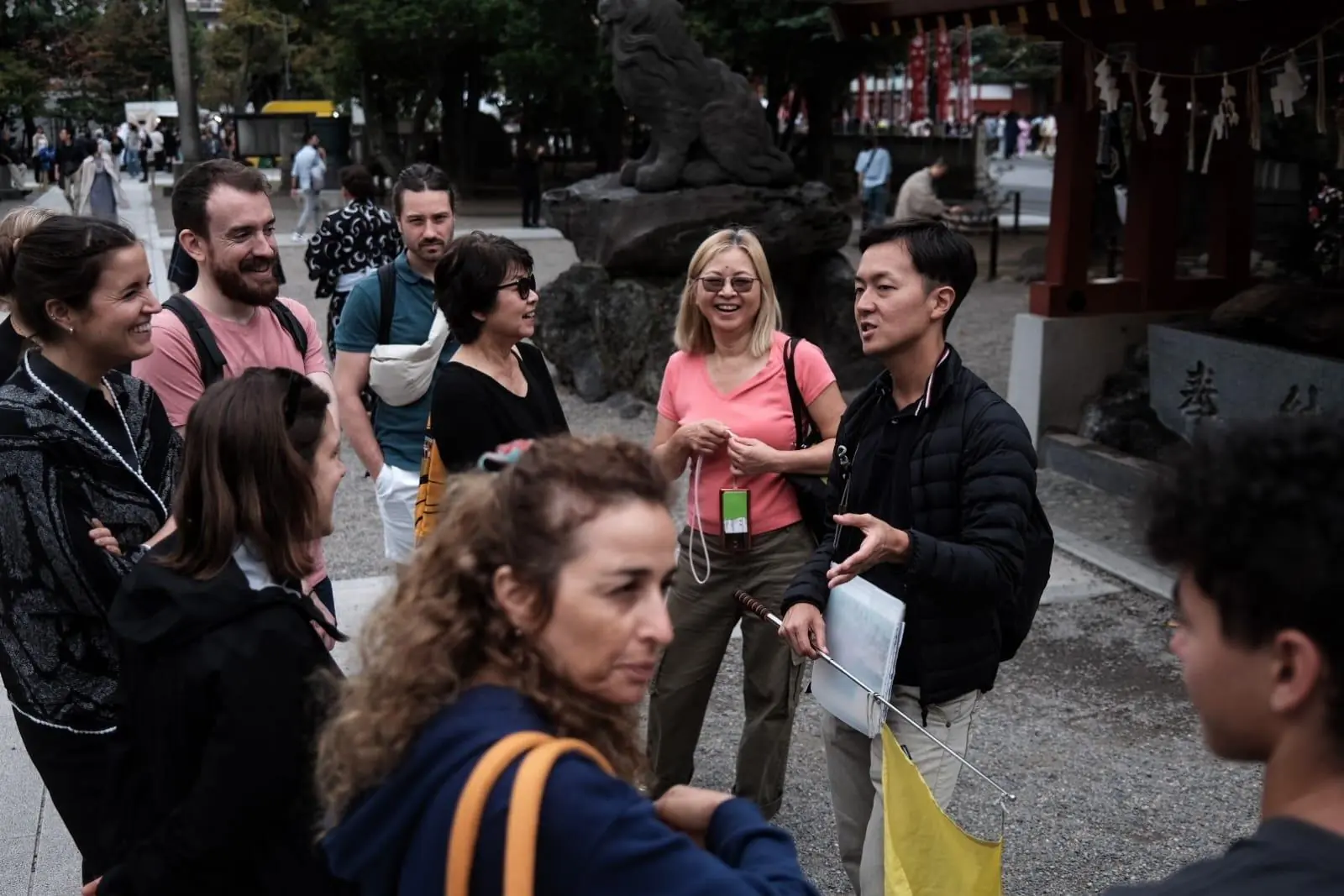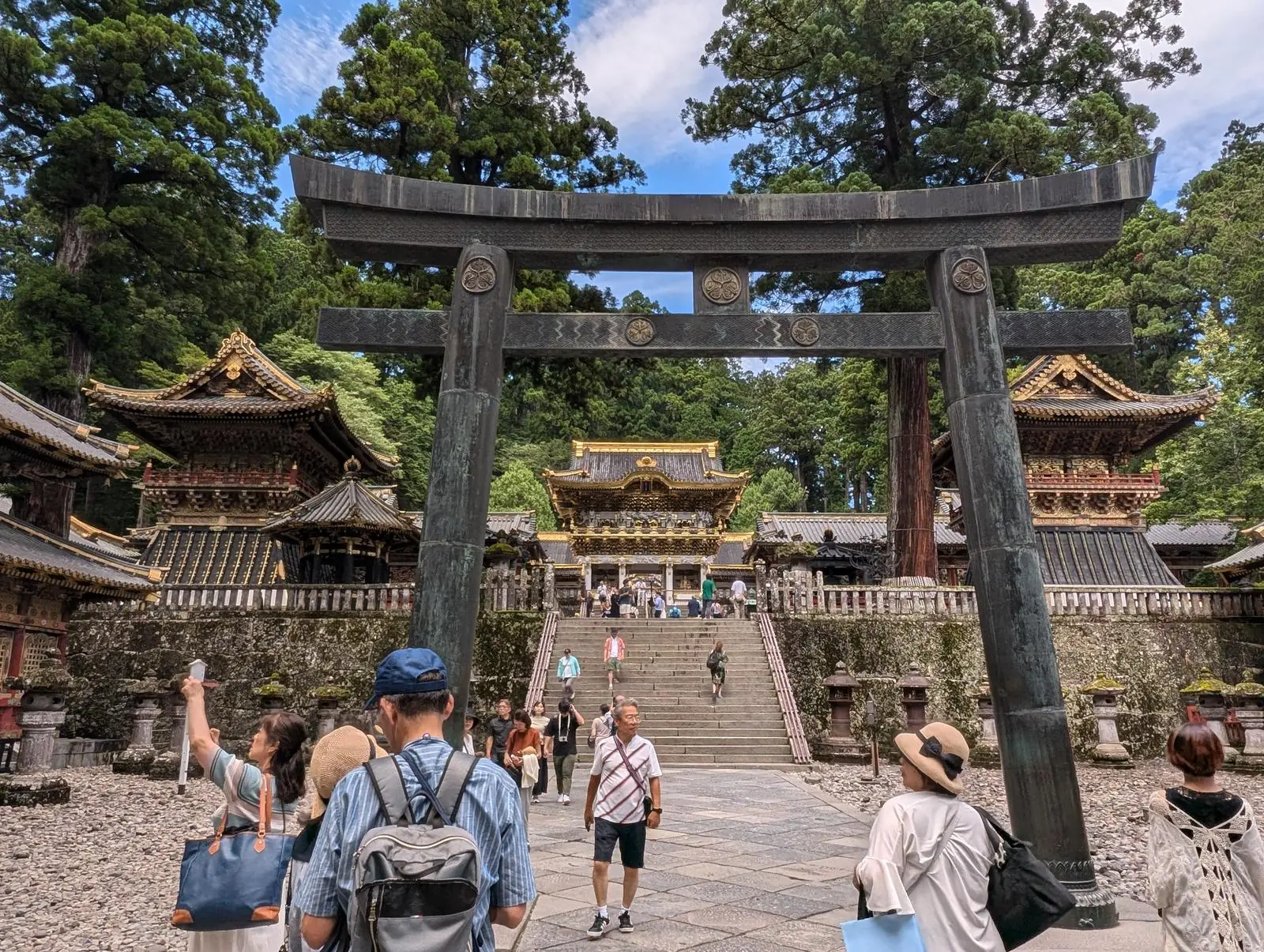
Nikko is one of those places that takes visitors by surprise. People come expecting a temple and a waterfall, and they leave speechless. Two hours north of Tokyo, hidden in the mountains of Tochigi Prefecture, sits one of the most extravagantly decorated shrine complexes on earth, a place where every surface is covered in gold leaf and thousands of hand-carved figures tell stories that are four centuries old. I have been leading guided tours to Nikko for years now, and it remains the day trip my clients talk about most when they write to me after returning home. There is something about the combination of extreme human artistry and raw mountain nature that stays with you in a way that other destinations simply do not.
But a Nikko day trip from Tokyo requires more thought than most excursions. The travel time is longer, the layout is spread across a mountainous area, and the historical layers run far deeper than what any signboard can convey. After leading well over a hundred trips to Nikko, I have learned exactly what makes the difference between a rushed, confusing visit and a deeply rewarding one. This guide is everything I know, distilled into the advice I give every client before we board the train.
How to Get to Nikko from Tokyo (Train Options & Cost)
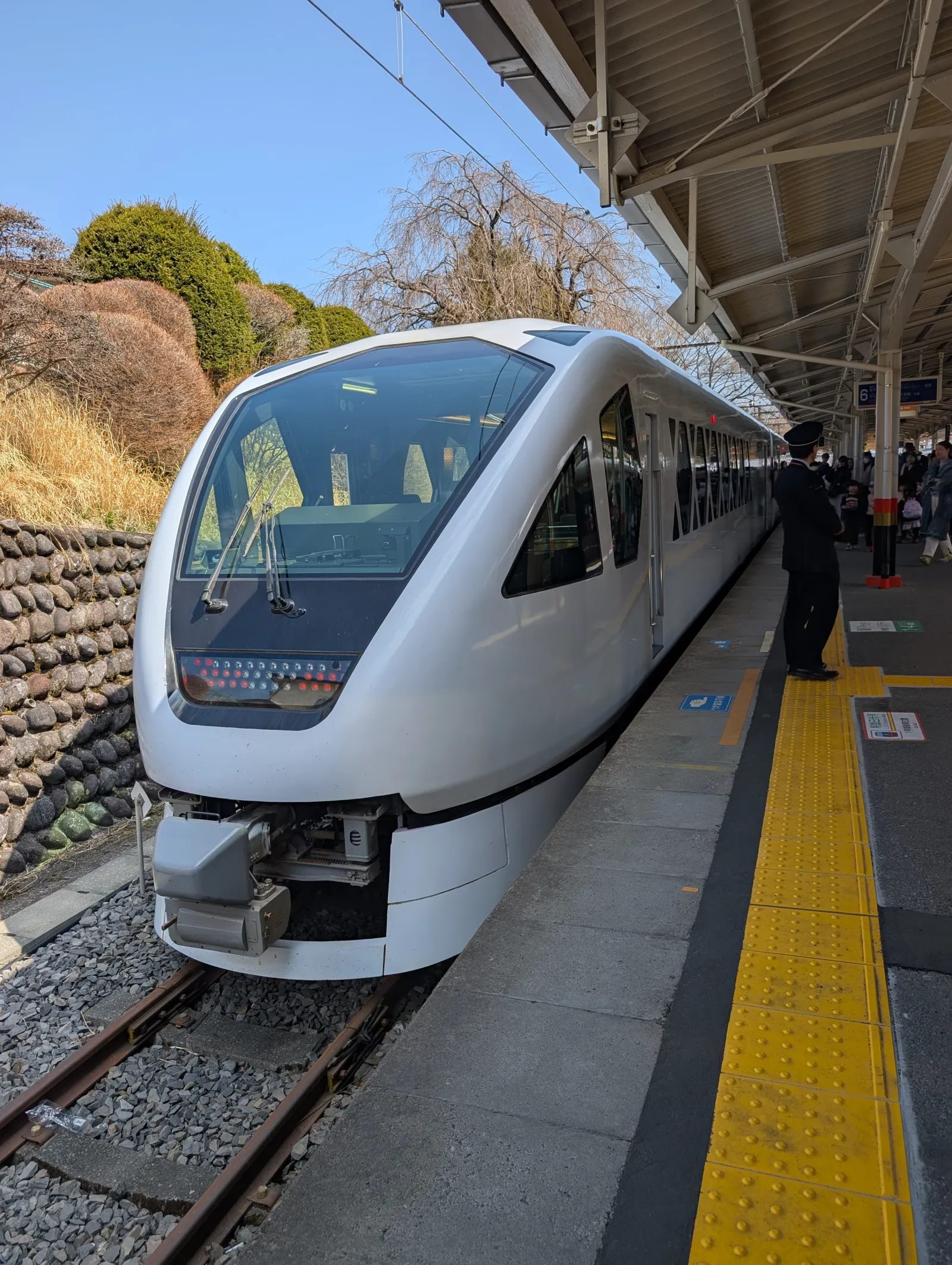
Getting to Nikko is straightforward once you know which train to take, but there are two completely different routes and choosing the wrong one can cost you both money and time. The route I recommend to almost everyone is the Tobu Nikko Line, which departs from Tobu Asakusa Station in central Tokyo. The limited express trains on this line, branded as "Spacia X" or the older "Spacia Kinu," run direct to Tobu-Nikko Station without requiring any transfers. The ride takes approximately one hour and fifty minutes, and a one-way ticket costs around 2,800 yen for a reserved seat on the limited express. If you are willing to ride the regular rapid train instead of the limited express, you can get there for about 1,400 yen, though the journey takes closer to two hours and twenty minutes with a transfer at Shimo-Imaichi.
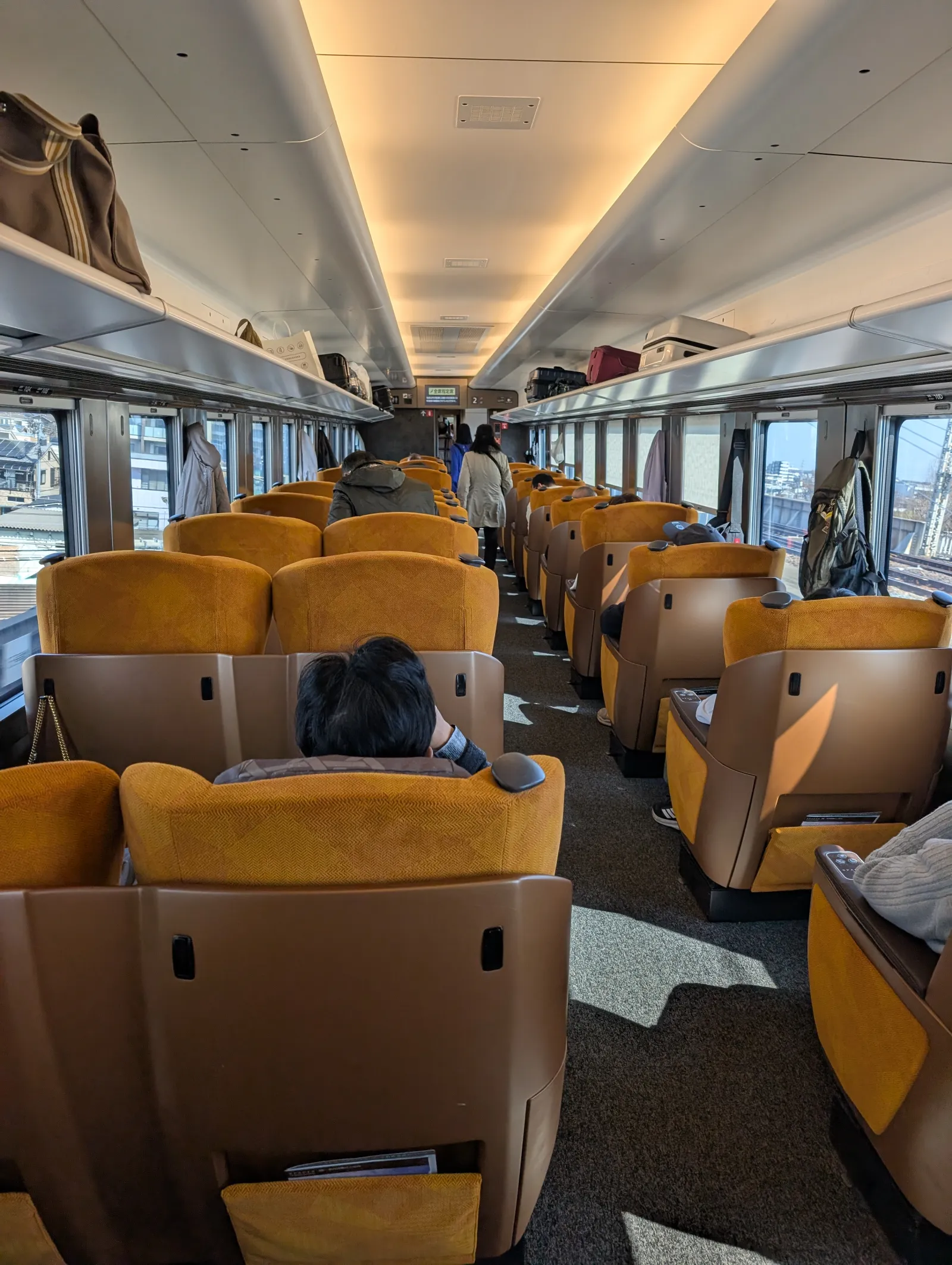
If you want to make the journey itself part of the experience, the Spacia X offers a premium car with wide, golden-brown reclining seats, generous legroom, and panoramic windows. The extra cost is modest — roughly 1,000 yen more than a standard reserved seat — and on a morning departure, you get to watch the Tokyo cityscape gradually give way to rice paddies, then forested hills, then the mountains of Tochigi. It is a surprisingly relaxing way to start a day trip, and my clients often say the premium car set the tone for the whole experience. The standard car is perfectly comfortable too, but if the premium seats are available when you book, I recommend treating yourself.
The second route uses the JR network. You take the Tohoku Shinkansen from Tokyo Station or Ueno Station to Utsunomiya, which takes roughly fifty minutes, and then transfer to the JR Nikko Line for another forty-five minutes. The total travel time is similar to the Tobu limited express, but the cost is significantly higher at around 5,500 yen one way. The only reason to choose this route is if you already hold a Japan Rail Pass, which covers the entire fare. If you do not have a JR Pass, the Tobu line from Asakusa is the obvious choice. It is cheaper, it is more direct, and the Asakusa departure point puts you right in one of Tokyo's most interesting neighborhoods if you want to grab breakfast before you go.
Whichever route you choose, I always tell my clients to aim for the earliest reasonable departure, ideally arriving in Nikko by 9:00 or 9:30 in the morning. Tosho-gu opens at 9:00 AM from April through October and at 9:00 AM the rest of the year as well, and the first hour before the large group tours arrive is when you can actually stand in front of the Yomeimon Gate and absorb its detail without being pushed along by a crowd. From Tobu-Nikko Station, it is about a twenty-five minute walk to the shrine area, or a short bus ride. I personally prefer walking because the approach takes you across the beautiful Shinkyo Bridge and through the towering cedar forest, which is the perfect way to decompress after the train and mentally arrive in Nikko before the sightseeing begins.
Top Sights in Nikko (Tosho-gu, Kegon Falls, Shinkyo Bridge)
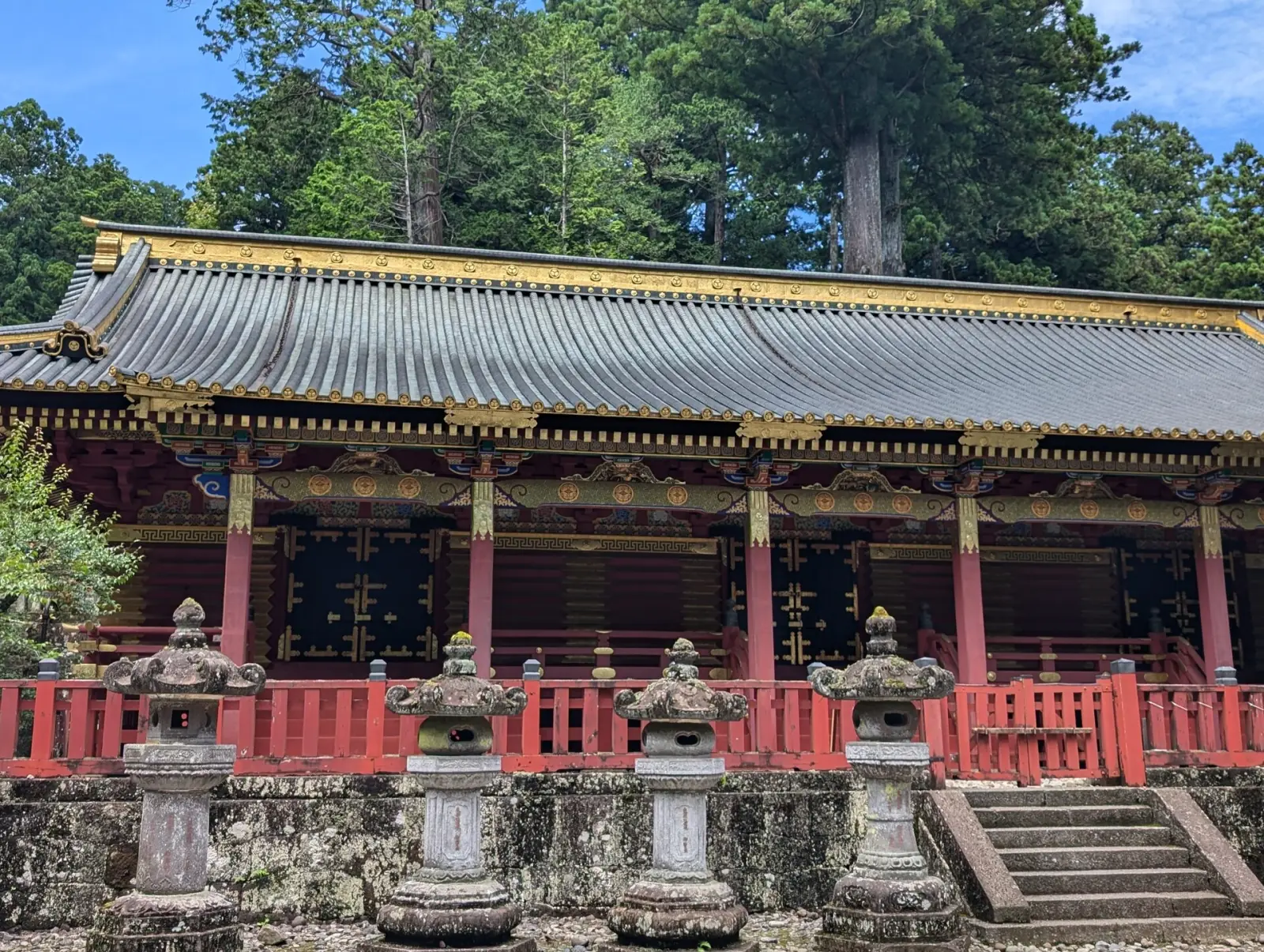
Tosho-gu Shrine is the reason Nikko exists as a destination, and it deserves the longest portion of your visit. This is the mausoleum of Tokugawa Ieyasu, the shogun who unified Japan after more than a century of civil war, and his grandson poured the resources of an entire nation into making it the most impressive religious site in the country. There are over 5,000 individual carvings spread across the buildings, many of them painted in vivid reds, greens, blues, and golds that have been meticulously restored over the centuries. The famous "see no evil, speak no evil, hear no evil" monkeys are here, carved above the sacred horse stable, and each panel in the sequence tells a chapter in the story of human life from birth to parenthood. The Yomeimon Gate alone contains more than 500 carvings and is considered one of the finest examples of architectural decoration in all of Japan. I have stood in front of it hundreds of times and I still notice details I missed before. Without a guide to point them out and explain the stories behind them, most visitors glance at the gate for thirty seconds and move on. With context, you could spend twenty minutes on the Yomeimon alone and it would not feel like enough.
Do not skip the climb to Ieyasu's actual tomb. A stone stairway behind the main hall leads up through ancient cedar forest to a surprisingly simple bronze pagoda that holds his remains. After all the gold and overwhelming decoration below, the quiet simplicity of his grave is deeply striking. It was intentional. Even in death, the Tokugawa understood contrast as a design tool, and the effect on visitors four hundred years later is exactly what they planned. I always tell my clients that the tomb is where Nikko shifts from spectacle to something genuinely moving. The forest up there is cool, silent, and thick with moss, and standing beside the grave of the man who shaped modern Japan while surrounded by trees that were already old when he was alive is an experience that no photograph can capture.
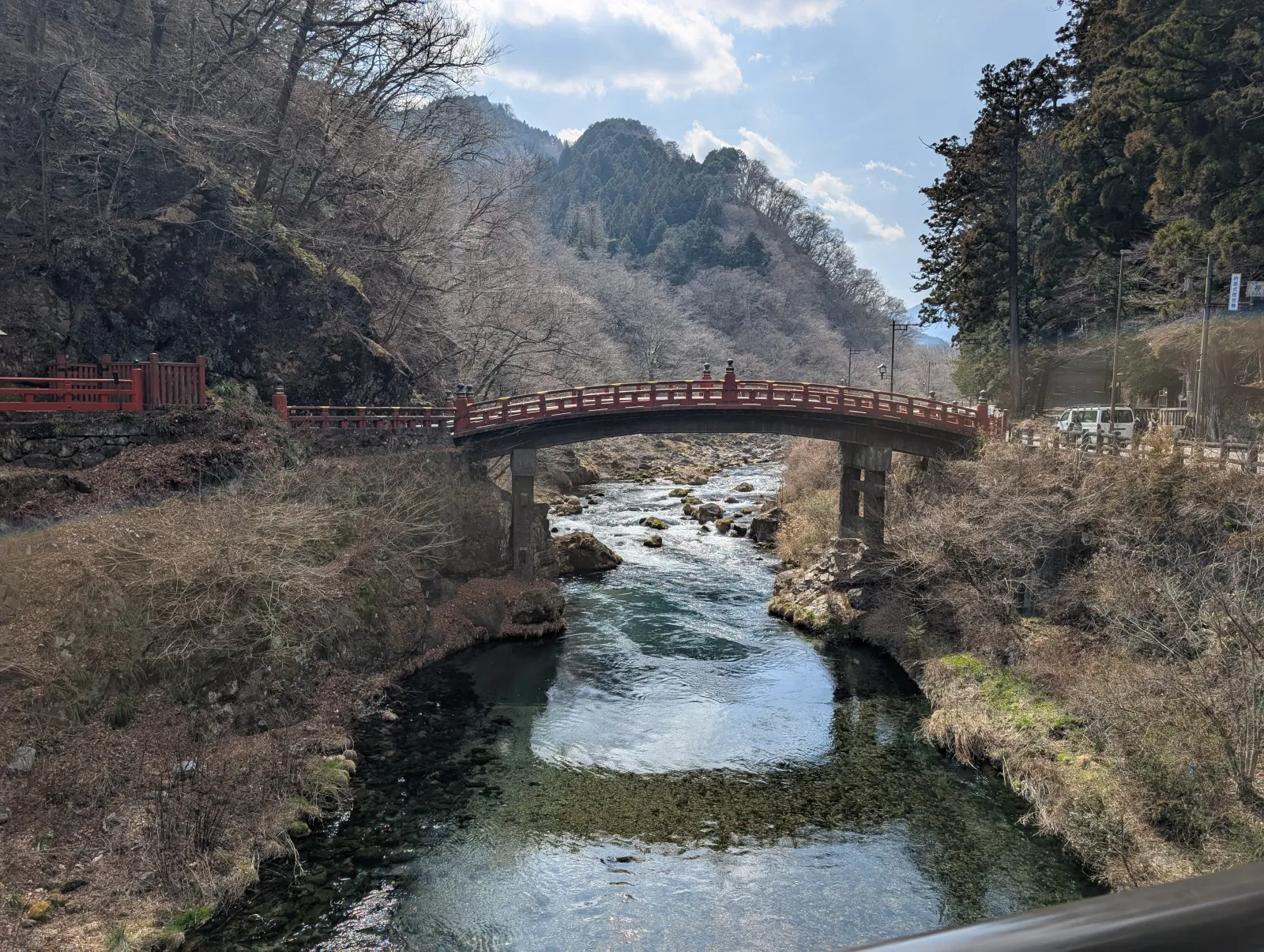
Shinkyo Bridge is the first major landmark you encounter when approaching the shrine area on foot, and it is worth more than a passing glance. This sacred vermilion bridge spans the Daiya River gorge and has been here in some form since the eighth century, though the current structure dates to 1636. According to legend, the Buddhist monk Shodo Shonin was blocked by the river on his journey to reach the sacred mountains, and two serpents appeared to form a bridge for him to cross. The bridge is photogenic in any season, but in autumn when the maple trees along the riverbank turn crimson and the water runs clear over green rocks beneath the red lacquer, it is genuinely one of the most beautiful single views in all of Japan. You can walk across the bridge for a 300-yen fee, which is worth doing for the view upstream toward the mountains, but the best photographs are actually taken from the road bridge next to it, which is free.
Kanmangafuchi Abyss and the Narabi Jizo
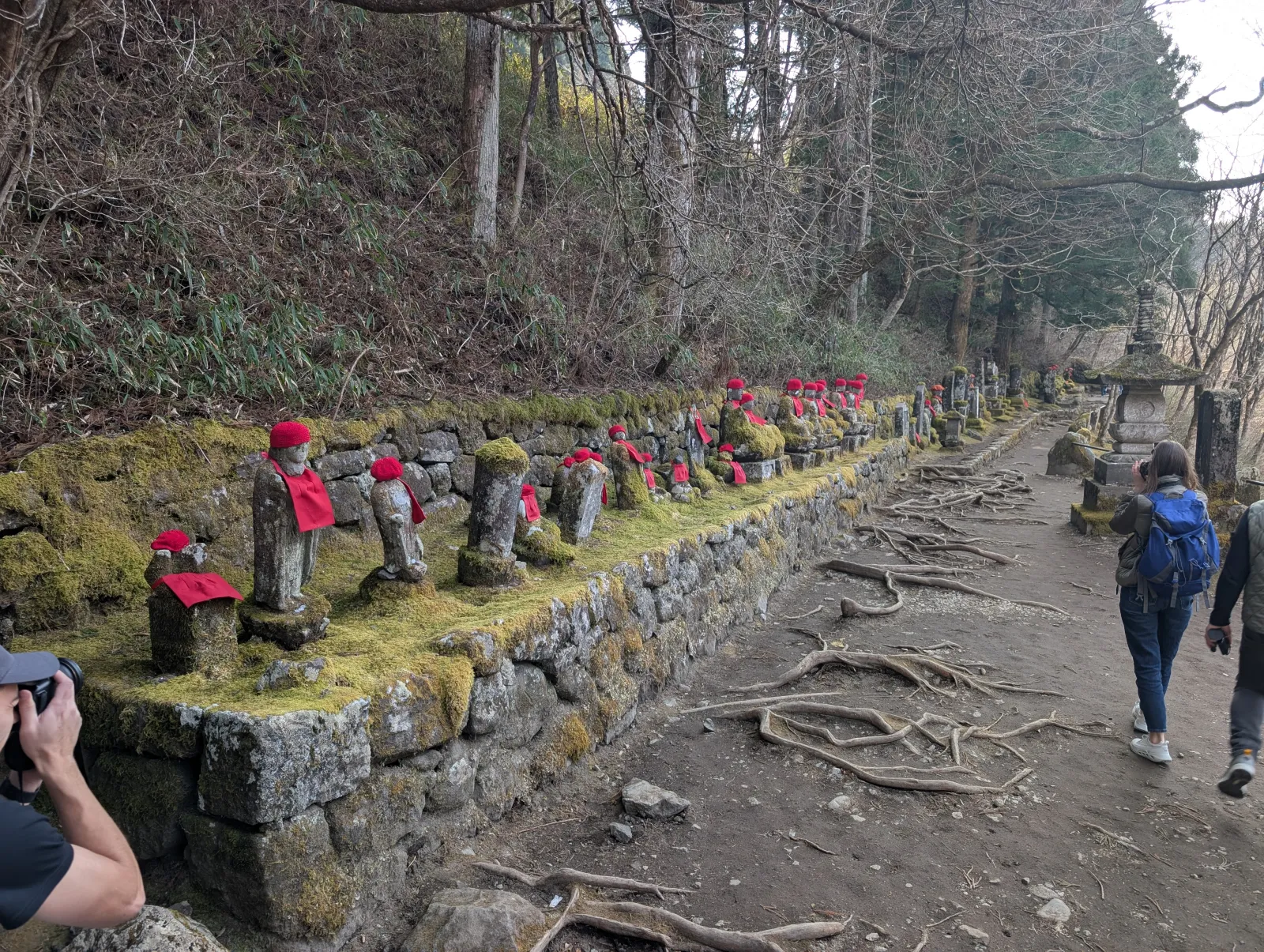
Most visitors to Nikko never leave the Tosho-gu area, which means they miss one of the most atmospheric walks in the entire region. About twenty minutes on foot from the shrine complex, a riverside path leads to Kanmangafuchi Abyss, a volcanic gorge carved by the Daiya River. Along the path stand the Narabi Jizo, a row of roughly seventy stone Jizo statues draped in red bibs and caps, their faces worn smooth by centuries of weather. Legend says that every time someone tries to count them, they get a different number — earning them the nickname "Bake Jizo" (ghost Jizo). The path is shaded by old-growth trees, the river rushes below, and you are likely to have the place almost entirely to yourself. It is the kind of spot that reminds you why having a guide matters: I bring every client here, and it consistently becomes one of their favorite memories of the trip. The walk takes about thirty minutes round trip from the main shrine area and requires no entrance fee.
Kegon Falls sits about thirty minutes by bus from central Nikko, up a dramatic series of switchback roads that climb to the shores of Lake Chuzenji at 1,269 meters above sea level. The waterfall drops ninety-seven meters in a single breathtaking plunge from the lake's outlet, and it is ranked among the three most famous waterfalls in Japan. There is an elevator carved into the rock (570 yen) that takes you down to an observation platform at the base, and I consider it essential. From the top viewing area you see a postcard; from the base you feel the spray on your face and hear the thunderous volume of water crashing into the pool below. In autumn, the cliffs surrounding the falls turn brilliant shades of orange and gold. In winter, the peripheral streams freeze into spectacular ice columns while the main cascade keeps flowing. In any season, Kegon Falls is one of those sights that photographs do not do justice. You need to stand there, feel the mist, and hear it.
How Much Time Do You Need in Nikko?
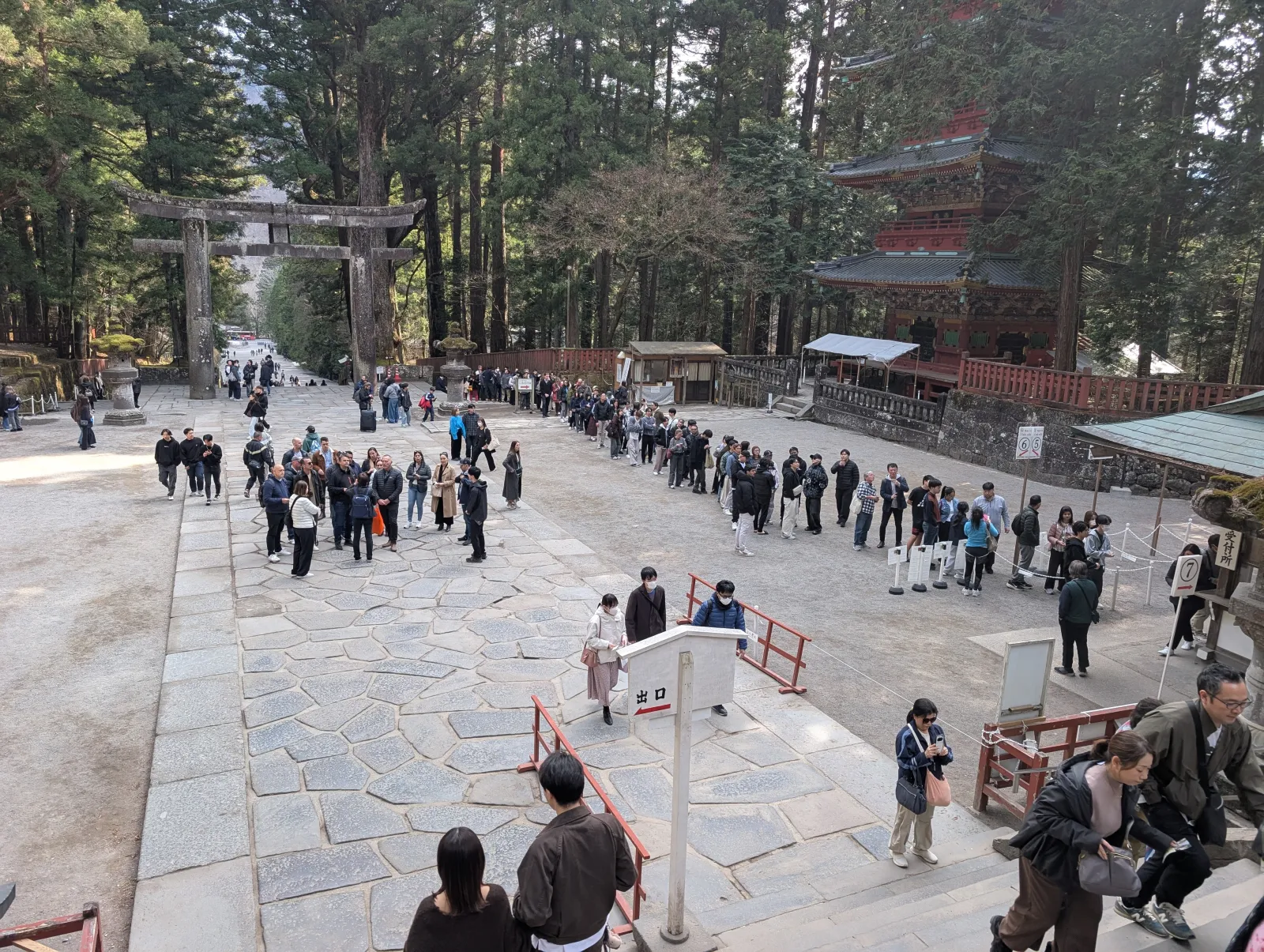
This is the question I hear most from clients planning a Nikko day trip from Tokyo, and my answer depends entirely on what you want to see. If you are focused solely on Tosho-gu and the surrounding shrine area, including nearby Futarasan Shrine and Taiyuin Mausoleum, you can comfortably explore them in about three hours. Add the walk from the station through the cedar avenue and across Shinkyo Bridge, and you are looking at roughly four hours from arrival to departure. That means you could leave Tokyo at 8:00 AM and be back in the city by 3:00 PM. It is a compressed visit, but if time is genuinely tight, you will still see Nikko's most important attraction.
However, I almost always recommend a full day. The version of a Nikko day trip from Tokyo that I lead most often follows this rhythm: arrive by 9:30, spend the morning at Tosho-gu and the surrounding shrines with a detailed walking tour, break for a yuba (tofu skin) lunch at one of the traditional restaurants in town, then take the bus up the Irohazaka switchback road to Lake Chuzenji and Kegon Falls in the afternoon. The bus ride itself is part of the experience, climbing through forty-eight hairpin turns carved into the mountainside, each one named after a character from the Japanese syllabary. You spend an hour or so at the waterfall and lakeside, then ride the bus back down and catch an evening train to Tokyo. You are back in the city by 7:00 PM, tired in the best possible way, having seen mountain nature, a world-class waterfall, and the most elaborately decorated shrine in Japan all in a single day.
For those with more flexible schedules, spending a night in Nikko opens up possibilities that a day trip simply cannot offer. Kinugawa Onsen, about thirty minutes from central Nikko by train, has excellent traditional Japanese inns with outdoor hot spring baths overlooking the river gorge. Soaking in a rotenburo (outdoor bath) after a full day of walking through shrines and waterfalls is one of the most restorative experiences Japan has to offer. An overnight stay also lets you visit Tosho-gu in the late afternoon when the light hits the gold leaf at a low angle and the crowds have thinned, which is when the shrine looks most alive. If your itinerary allows even one extra night, Nikko rewards that generosity many times over.
What to Eat in Nikko
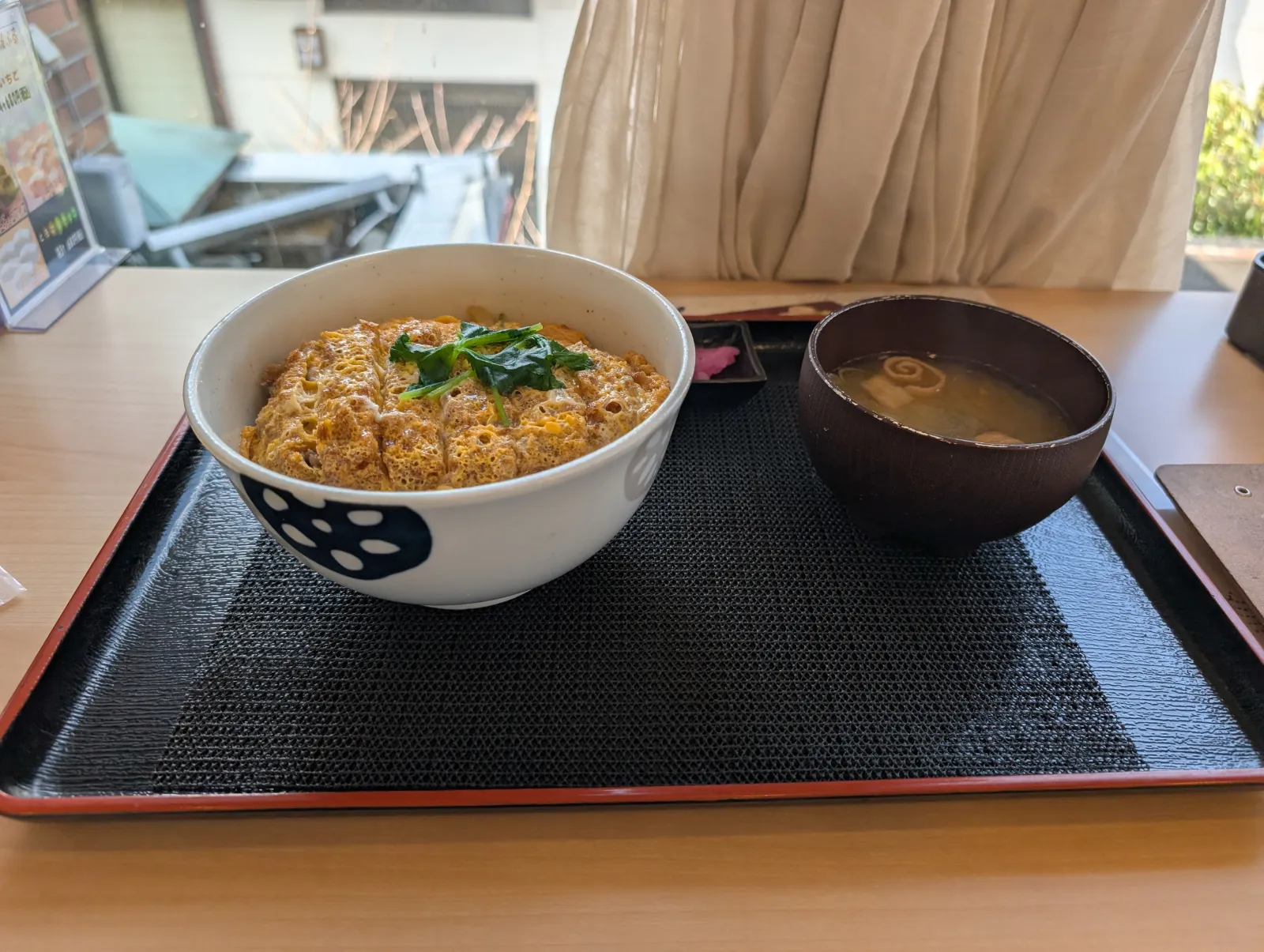
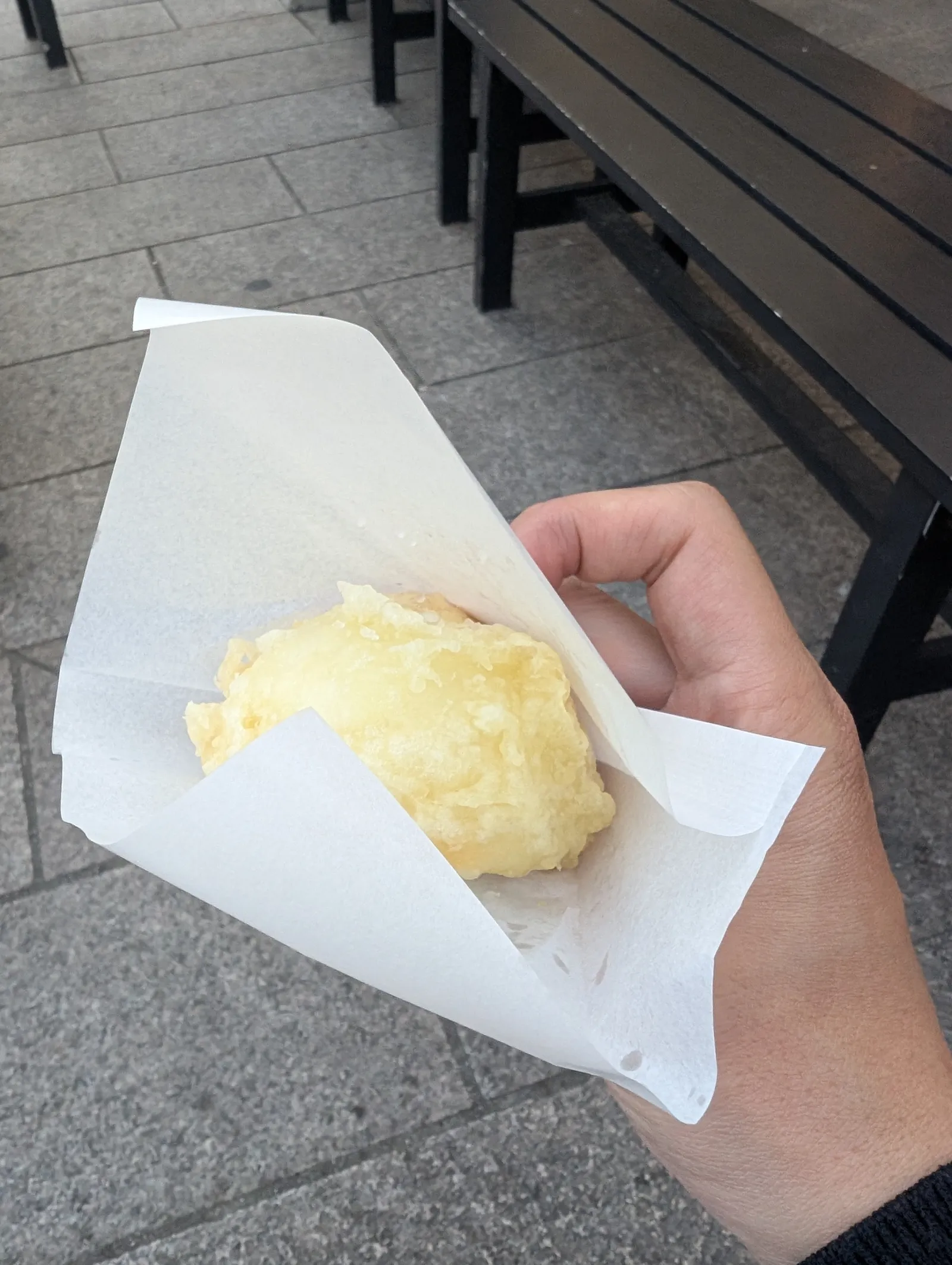
Nikko's signature ingredient is yuba, the thin skin that forms on the surface of heated soy milk. Unlike the yuba you might find in Tokyo or Kyoto, Nikko yuba is made in a style unique to the region — thicker, richer, and often served fresh in ways you will not encounter elsewhere. Look for yuba soba (buckwheat noodles topped with fresh yuba), yuba donburi (rice bowl with layered yuba), or the multi-course yuba kaiseki that some traditional restaurants offer near the shrine area. For a sit-down lunch, the restaurants along the main road between the station and Shinkyo Bridge are your best options.
For something quicker, grab an age yuba manju from one of the shops near the shrine entrance. These are deep-fried buns filled with a soft, creamy yuba mixture — crispy on the outside, rich and savory inside, and best eaten immediately while they are still hot. At around 300 yen each, they are the perfect walking snack between sights. I have probably eaten hundreds of these over the years, and I still stop for one every time I visit. If you are looking for a more substantial meal, the local restaurants near the station serve excellent katsudon and soba sets that will fuel you for an afternoon of walking.
Nikko in Each Season: When to Go
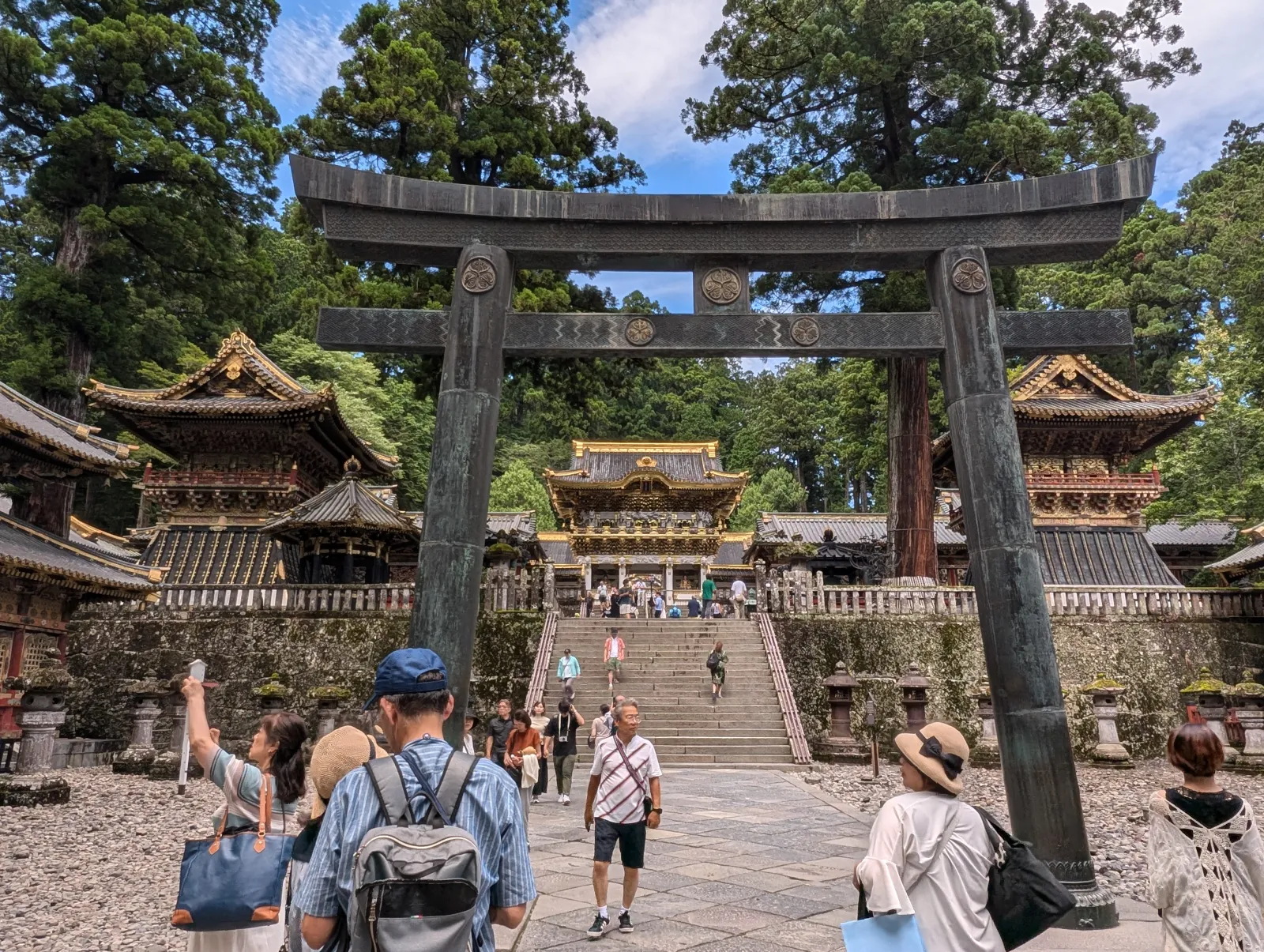
Nikko is a destination that changes its entire personality with the seasons, and each one offers something genuinely different. Unlike many Tokyo day trips where the season is mostly a matter of comfort, in Nikko the landscape transformation is so dramatic that visitors who come in October and return in April sometimes do not recognize the same place. Understanding what each season brings will help you decide when to plan your Nikko day trip from Tokyo, and honestly, there is no bad answer.
Autumn (mid-October to early November) is peak season, and for very good reason. The mountains surrounding Nikko erupt in color, starting at the higher elevations around Lake Chuzenji in early October and gradually descending to the shrine area by late October and early November. The contrast of crimson and gold maple leaves against the dark cedar forest and the vermilion of Shinkyo Bridge is something out of a painting. Kegon Falls framed by autumn foliage is one of the most photographed scenes in Japan. The trade-off is that everyone knows this, so expect crowds and longer bus waits on weekends. If you can visit on a weekday during this period, you get the color without the congestion. I consider late October the single best time for a Nikko day trip from Tokyo, and I schedule more tours during these weeks than at any other time of year.
Spring (late April to May) brings fresh green foliage and mild temperatures that make for ideal walking conditions. Cherry blossoms arrive in Nikko about two to three weeks after Tokyo because of the higher elevation, so if you missed the sakura in the city, you may catch them here. The shrine grounds are lush, the cedar forest feels alive, and the waterfalls run strong from snowmelt. Spring is also quieter than autumn, which means shorter lines at Tosho-gu and more elbow room on the buses. For travelers who value a relaxed pace over peak visual drama, spring is my personal recommendation.
Summer (June through August) is warmer, but Nikko's mountain elevation keeps it noticeably cooler than Tokyo, which is why Japanese families have been escaping here during the summer months for generations. Lake Chuzenji at 1,269 meters feels like a different climate entirely, and hiking trails around the lake and through the surrounding forests are at their most accessible. Humidity is higher in June during the rainy season, but July and August offer long days and green scenery as far as the eye can see. Just bring water and sun protection for the walk between sights.
Winter (December through February) is Nikko at its quietest and most atmospheric. Snow dusts the shrine roofs and the cedar branches, turning Tosho-gu into something from a woodblock print. The frozen streams around Kegon Falls create dramatic ice formations that attract photographers from across Japan. Visitor numbers drop sharply, which means you might have entire sections of the shrine to yourself. The cold can be serious, especially up at Lake Chuzenji where temperatures drop well below freezing, so dress in heavy layers. But for those who do not mind bundling up, winter Nikko offers an intimacy and a visual purity that no other season can match.
Self-Guided vs Private Guided Tour: Which is Better?
You can absolutely do a Nikko day trip from Tokyo on your own. The train connections are straightforward, Tosho-gu has some English signage, and there are English audio guides available for rent at the entrance. If you are an experienced Japan traveler who is comfortable navigating bus schedules in Japanese and is happy to read about the history beforehand, a self-guided visit can work. I have met plenty of independent travelers in Nikko who had a wonderful time exploring at their own pace, and I would never suggest that you need a guide to enjoy the place.
That said, I believe Nikko is the single day trip from Tokyo where having a guide makes the most dramatic difference. Here is why. Tosho-gu contains over 5,000 carvings, and each one tells a story drawn from Chinese classics, Buddhist parables, Shinto mythology, or political messaging from the Tokugawa shogunate. The English signage at the shrine gives you names and dates, but it does not explain why a sleeping cat is carved above the entrance to Ieyasu's tomb (it represents peace, because when the cat sleeps, the mice can play freely, symbolizing the end of war). It does not explain why one pillar on the Yomeimon Gate was deliberately installed upside down (to invite imperfection, because in Japanese philosophy, a completed thing begins to decay, so an intentional flaw keeps the structure "alive"). These are the kinds of details that turn a Nikko visit from impressive to unforgettable, and they require a guide who knows the stories and can read the visual language of the shrine as fluently as reading a book.
Beyond the storytelling, a private guide handles the logistics that can consume your energy on an independent trip. I manage the train timing, navigate the sometimes confusing bus system to Kegon Falls and Lake Chuzenji, know which restaurants serve authentic yuba rather than tourist-oriented versions, and can adjust the itinerary in real time based on weather, crowds, and your energy level. On my guided Nikko tours, I also take clients to spots that most visitors walk right past: a small Shinto shrine hidden behind Tosho-gu where almost no one goes, a viewpoint above Shinkyo Bridge that offers the best angle for photographs, a particular stretch of the cedar avenue where the trees are thickest and the light filters through in a way that feels almost sacred. These are not secrets exactly, but they are the kind of local knowledge that accumulates over years of working in a place, and they are impossible to find in a guidebook.
The efficiency difference is also significant. On a self-guided visit, I frequently see travelers standing at bus stops confused about which bus goes where, or spending twenty minutes trying to figure out the shrine's ticket system, or missing the path to Ieyasu's tomb entirely because the entrance is not obvious. A guided Nikko day trip from Tokyo eliminates all of that friction. Every minute of your day goes toward actually experiencing Nikko rather than figuring out Nikko, and when you are working with a limited day-trip window, that efficiency is the difference between seeing two things and seeing five.
For the full cost-vs-cost breakdown of going solo against going with a guide — including the 3 mistakes solo visitors make that eat up the best 2 hours of the day — see my dedicated comparison: Nikko Day Trip 2026: Guided Tour vs Going Solo (Honest Comparison).
Book a Private Nikko Day Trip
I wrote this guide to help you plan a better visit, but nothing replaces having someone beside you who can read every carving, navigate every bus, and find the hidden corners that make Nikko extraordinary. On my private Nikko day trips, I handle everything from train tickets to restaurant reservations, so you can focus entirely on the experience. We move at your pace, linger where you want to linger, and skip what does not interest you. Whether it is your first time in Japan or your tenth, a guided day in Nikko is the trip people remember most.