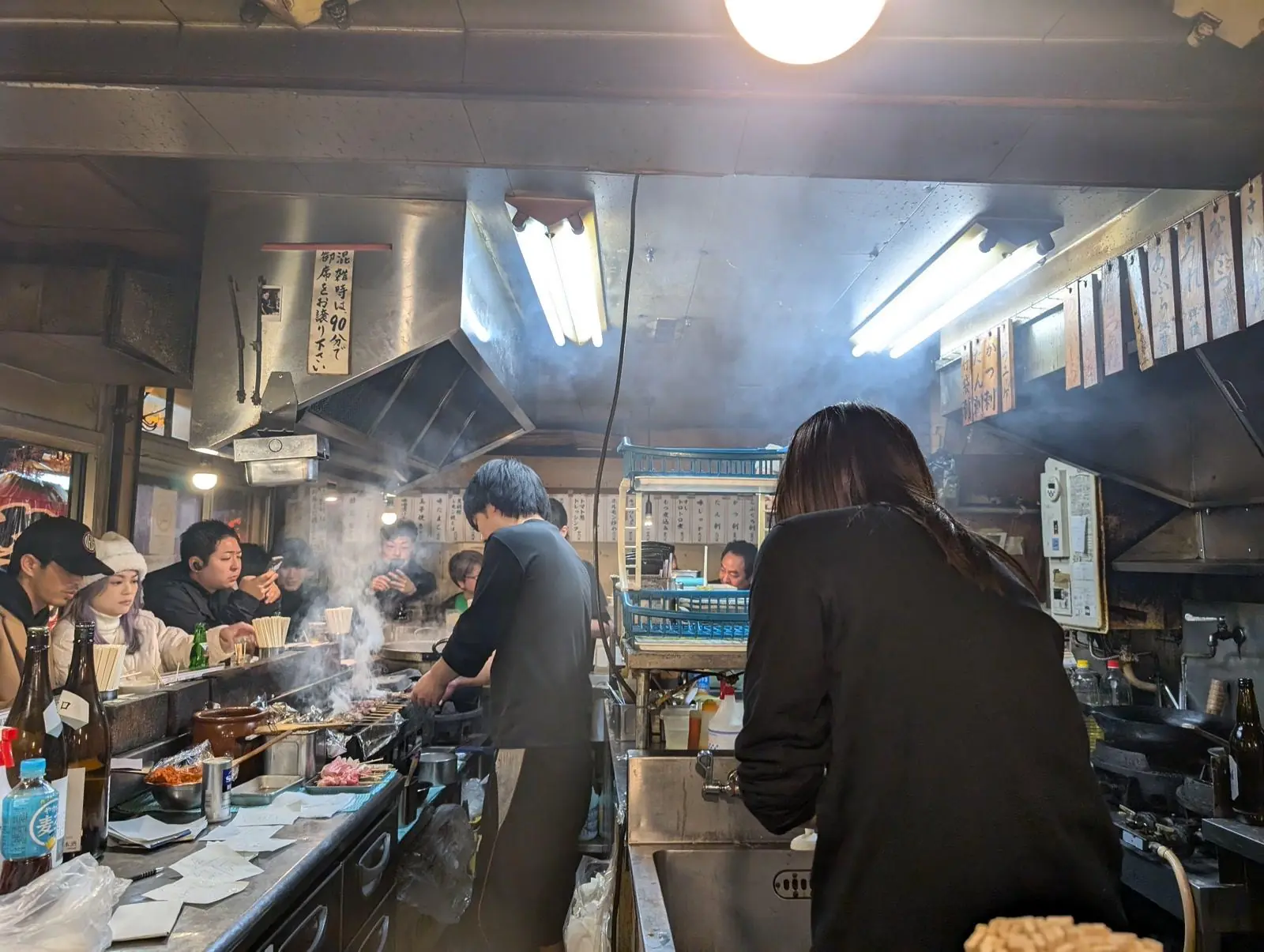
Last month, a couple from London told me the highlight of their two-week Japan trip wasn't the temples. It wasn't Mt. Fuji. It was a tiny, six-seat yakitori bar under the train tracks in Yurakucho, where the owner grilled chicken over charcoal and poured them sake he'd chosen himself. They said they never would have found it alone. They wouldn't have known how to order. And they definitely wouldn't have understood why the man next to them kept insisting on buying them drinks.
That's what izakaya do. They're where Tokyo actually eats and drinks after work, where conversations happen between strangers, and where the food is honest, cheap, and often extraordinary. But for travelers, they're also the hardest part of Tokyo to access alone. This guide is everything I tell my clients before we go out at night.
What Is an Izakaya, Exactly?
An izakaya (居酒屋) literally means "stay-drink-shop." Think of it as Japan's answer to a pub, tapas bar, or gastropub — but with its own distinct culture. You order drinks and small shared plates, eat at your own pace, and stay as long as you like. There's no pressure to leave after one course.
Izakaya range from fluorescent-lit chains (think: Torikizoku, Watami) to windowless holes-in-the-wall with eight seats and a 70-year-old owner who remembers every regular by name. The chains are fine. But the real magic — the Tokyo that travelers tell me about for years — happens in the small ones.
The problem: the best izakaya often have no English sign, no English menu, no online presence, and a door that looks like it leads to someone's apartment. That's not an accident. These places survive on regulars, not tourists. Going with someone who knows them changes everything.
5 Izakaya Areas I Take Clients To
1. Golden Gai (Shinjuku)
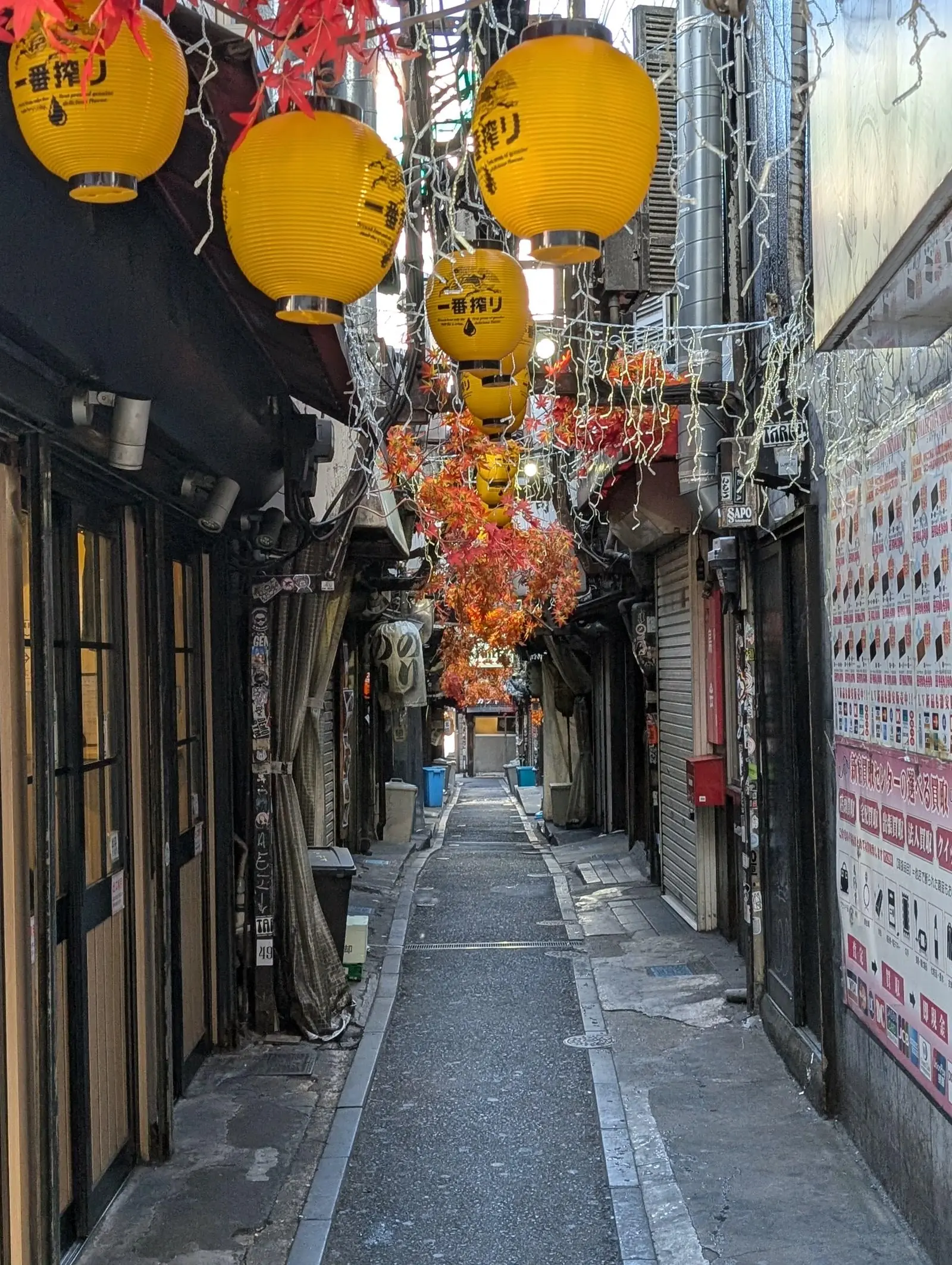
What it is: About 270 tiny bars crammed into six narrow alleys, each seating 5–10 people. Every bar has a personality: jazz bars, film bars, punk bars, bars where the owner communicates only through music.
The reality: Golden Gai has become more tourist-friendly in recent years, but many bars still have "members only" signs or cover charges that feel hostile to first-timers. A few charge steep table fees (¥1,000+) with mediocre drinks. With a guide, you'll skip the tourist traps and walk into the bars that welcome newcomers.
Budget: Expect ¥3,000–6,000 per bar including cover charge and 2–3 drinks. Cash only at most bars.
2. Omoide Yokocho — Memory Lane (Shinjuku)
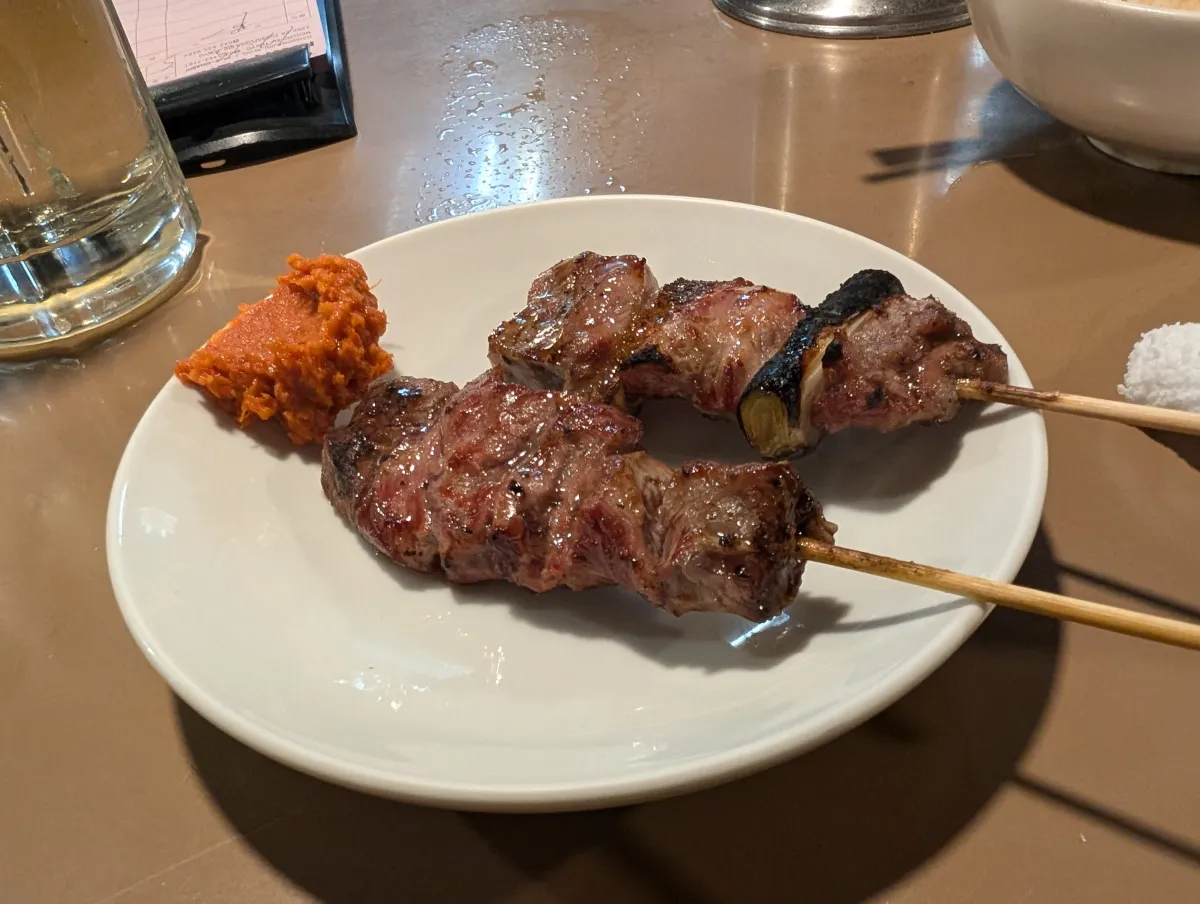
What it is: About 60 tiny restaurants packed into narrow postwar alleys just west of Shinjuku Station. The smell of yakitori smoke hits you before you even turn the corner. This place has barely changed since the 1940s.
What to order: Yakitori (chicken skewers), motsu-ni (stewed offal — much better than it sounds), and cold beer. Sit at the counter, watch the cook work, and point at what the person next to you is eating. That's how it works here.
Budget: ¥2,000–4,000 for a filling meal with drinks. No cover charge at most stalls. Cash only.
3. Yurakucho Under the Tracks
What it is: Nearly 700 meters of restaurants built under the brick arches of the JR Yamanote Line between Yurakucho and Shinbashi stations. Known as "gado-shita" (below the girder). Trains rumble overhead every few minutes. It's atmospheric in a way that no designed restaurant can replicate.
Why I love it: This is where Tokyo's office workers come to decompress. No tourists. No English menus. Just salarymen loosening their ties over grilled fish and highballs. The northwest side of Yurakucho Station has a more upscale feel, with French wine bars and Italian spots mixed in. The Shinbashi side is rougher, louder, and more fun.
Budget: ¥2,500–5,000 per person depending on how long you stay.
4. Shinbashi Yokocho
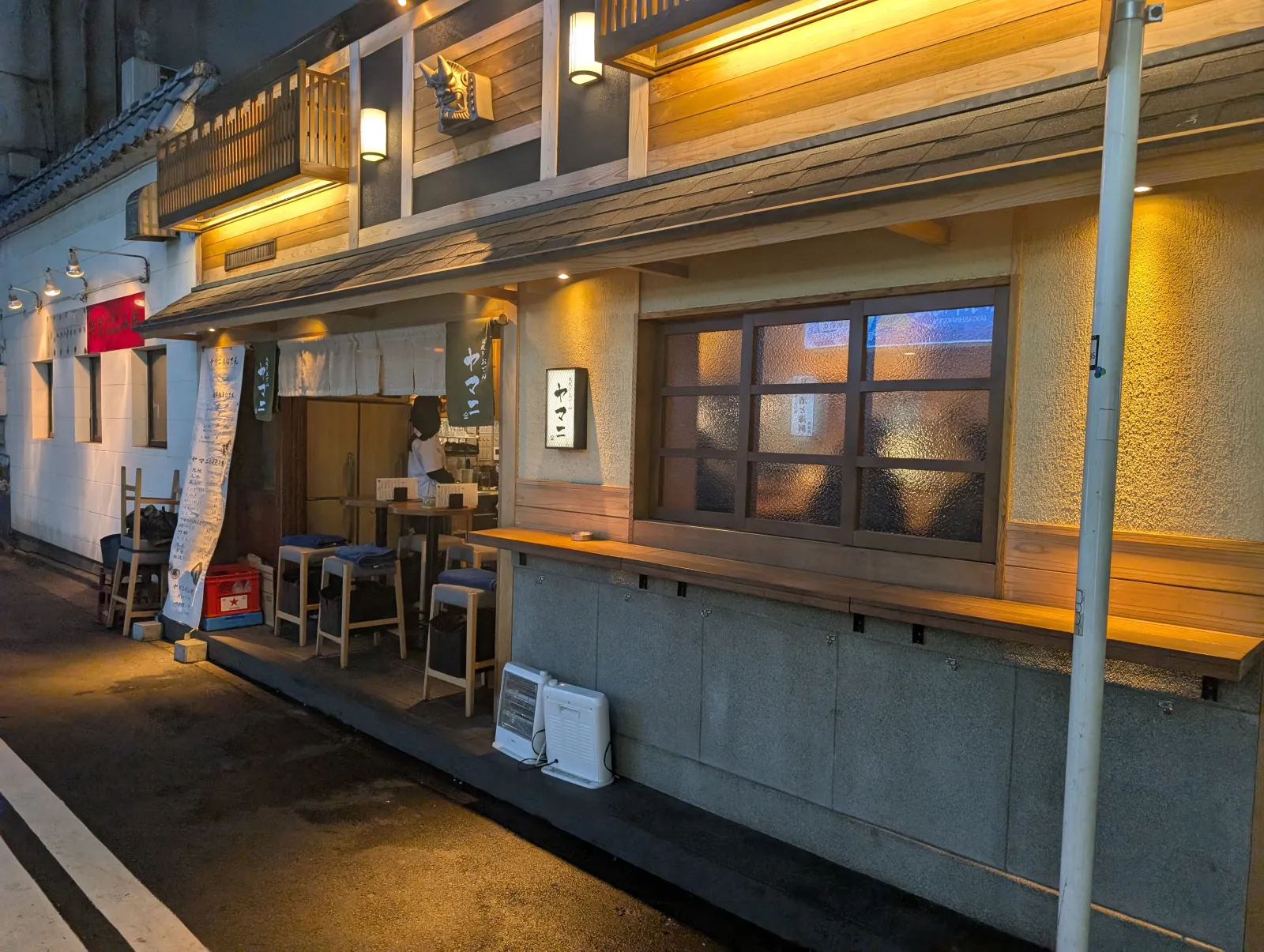
What it is: If Yurakucho is where office workers start drinking, Shinbashi is where they end up. The alleys around Shinbashi Station — especially "Shinbashi Yokocho" — are packed with standing bars (tachinomi), yakitori joints, and Korean BBQ spots that stay open late.
Best for: Travelers who want the "real salaryman experience" without the polish. Shinbashi is unfiltered Tokyo nightlife. Order a lemon sour (lemon-chu-hai), grab a skewer, and stand at the counter.
5. Ebisu Yokocho
What it is: A curated food court of 20+ tiny stalls inside one building, each specializing in one thing — gyoza, oden, kushikatsu, sashimi. It's designed to feel like an old-school yokocho, but it's cleaner, more accessible, and every stall is good.
Best for: Travelers who want the yokocho atmosphere but prefer a slightly more approachable setting. Great for couples and first-timers. No reservations, just grab a seat wherever one opens up.
How to Order at an Izakaya (Without Embarrassing Yourself)
The Otoshi (Table Charge)
When you sit down, a small dish will appear that you didn't order. This is the otoshi — a table charge disguised as an appetizer. It typically costs ¥300–500 per person. It's not a scam. It's standard at virtually every izakaya in Japan. Think of it as a cover charge that comes with food. Eat it. It's usually good.
What to Order First
Start with drinks. The classic first order is Toriaezu nama ("A draft beer for now"). It's the phrase every Japanese person uses. After that, order food in waves: 2–3 small plates, eat them, then order more. Don't order everything at once — the kitchen sends dishes as they're ready, and part of the experience is the rhythm of ordering throughout the night.
5 Things I Always Order
- Edamame — The universal starter. Every table gets one.
- Yakitori (negima) — Chicken and green onion skewers. The most popular style. Order with salt (shio), not sauce (tare), for cleaner flavor.
- Agedashi tofu — Deep-fried tofu in dashi broth. Simple, perfect, vegetarian-friendly.
- Karaage — Japanese fried chicken. Crispy outside, juicy inside. The benchmark dish of any izakaya.
- Shime (the closer) — End with a small bowl of ochazuke (rice with tea poured over it) or a rice ball. This is how Japanese people close out a drinking session.
Nomihoudai (All-You-Can-Drink)
Many izakaya offer nomihoudai — unlimited drinks for a set time (usually 90–120 minutes) at a fixed price, typically ¥1,500–2,500. It's almost always worth it if you plan to have more than three drinks. The selection usually covers beer, highballs, shochu, sake, and soft drinks. Premium sake and cocktails may not be included.
What to Expect to Pay
Prices include tax. Most small izakaya are cash only. Chains accept cards.
Why Izakaya Is Where a Guide Matters Most
I've guided food tours, temple walks, and day trips. But the feedback I get from izakaya nights is different. It's more emotional. People don't just say "that was fun." They say "that was the night I understood Japan."
Here's what a guide does at an izakaya that you can't do alone:
- Reads the menu — Most small izakaya only have handwritten Japanese menus. No photos. No translations.
- Knows the customs — Otoshi, pouring etiquette, how to call the staff, when to move to the next bar.
- Opens doors — Some of the best bars have no sign and a closed door. Walking in alone feels impossible. Walking in with a local feels natural.
- Translates the conversation — The owner starts talking. The person next to you offers a toast. Without a guide, these moments slip away. With one, they become stories.
My Tokyo Night Tour covers 2–3 izakaya spots in one evening, including areas from this guide. Every night is different because I adapt to what you want — quiet bars, lively alleys, or a mix of both.
For the deeper comparison — what private night tours cost in 2026, how Viator/GetYourGuide group bar hops stack up, and the 4 districts beyond Shinjuku worth a night — see my Best Tokyo Night Tour 2026 guide.
Practical Tips
- Cash — Bring at least ¥10,000 in cash. Most small izakaya don't take cards.
- Timing — Izakaya fill up 7–9 PM on weekdays. Arrive at 6 PM for counter seats, or go after 9:30 PM when the first wave leaves.
- Shoes — Some traditional izakaya require removing shoes. Wear socks you're comfortable showing.
- Smoking — Japan's indoor smoking laws vary. Many small bars and older izakaya still allow smoking. Ask before sitting if this matters to you.
- Last train — The last train on most lines is around midnight. If you miss it, taxis or the morning train (5 AM) are your options.
Ready to experience Tokyo at night?
My Night Tour covers Golden Gai, Omoide Yokocho, and hidden izakaya you won't find in any guidebook.
See Night Tour Details