"Tokyo must be so expensive." I hear this from nearly every client before they arrive. They've read the articles, seen the price tags on Wagyu beef, maybe checked hotel rates in Ginza. And I understand the concern. Tokyo on a budget sounds like a contradiction. But here's the thing: I live here. I eat here every day. I take trains, visit temples, buy coffee. And my daily spending is probably lower than what you'd spend in Manhattan, London, or Sydney.
This article isn't a "cheapskate's guide" full of tricks to shave yen off every purchase. It's an honest look at what things actually cost in Tokyo in 2026, where you can comfortably save, and the one or two places where spending more is absolutely worth it. If you're planning Tokyo on a budget, this is the reality check you need before you pack.
The Tokyo Budget Myth (It's Not as Expensive as You Think)
Let me start with numbers, because numbers don't lie. A bowl of excellent ramen in Tokyo: ¥900–1,200 (roughly $6–8 USD). A comparable bowl of ramen in New York? $18–22 before tip. A single-ride subway ticket in Tokyo: ¥170–200. In London, the Tube costs £2.80 minimum. A convenience store lunch in Tokyo that's genuinely good (onigiri, a side, and green tea): ¥500. Try getting lunch in Paris for under five euros.
The reputation of Tokyo as prohibitively expensive dates back to the 1980s and 90s, when the yen was strong and the bubble economy inflated everything. That era is long gone. Today, the yen is historically weak against the dollar, euro, and pound, which means your foreign currency stretches further here than it has in decades. For visitors from the US, UK, EU, or Australia, Tokyo on a budget isn't just possible; it's almost effortless compared to major cities back home.
Here's my honest comparison: Tokyo is cheaper than New York, London, and Paris for daily living costs. It's roughly comparable to Berlin or Bangkok for food (yes, really), and significantly cheaper than Zurich, Oslo, or Sydney. The main expense that skews perceptions is accommodation: hotels in central Tokyo can be pricey. But everything else? Surprisingly reasonable.
Daily Costs: What You'll Actually Spend
After guiding hundreds of visitors through Tokyo, I've developed a realistic sense of what people actually spend per day. Here's my breakdown for a traveler doing Tokyo on a budget, not skipping meals or sleeping in capsule hotels (unless you want to), but being reasonably smart about choices.
Transport: ¥1,000–1,500 per day
Tokyo's train and subway system is extensive, punctual, and affordable. A typical tourist day involves 4–6 rides between neighborhoods. Individual rides cost ¥170–300 depending on distance. If you're moving around a lot, grab a 24-hour Tokyo Metro pass for ¥600, which covers all Metro lines and pays for itself after three rides. The broader Tokyo Subway Ticket (covering Metro + Toei lines) runs ¥800 for 24 hours. Either way, you won't spend more than ¥1,500 on transport unless you're taking taxis, which you almost never need to do.
My advice: get a Suica or Pasmo IC card (or use the mobile Suica on your iPhone), load ¥2,000–3,000 on it, and tap through gates without thinking about it. The convenience alone is worth it, and you'll use it for convenience store purchases too.
Food: ¥3,000–8,000 per day
This is the widest range, and it depends entirely on your choices. The floor is remarkably low. You can eat three satisfying meals in Tokyo for ¥3,000 (about $20 USD) without ever feeling like you're compromising. A convenience store breakfast (¥300–500), a gyudon lunch (¥500–700), and a ramen dinner (¥900–1,200) adds up to roughly ¥2,000–2,400, leaving room for snacks and a drink.
At the higher end, ¥8,000 per day gets you a nice sit-down lunch, a mid-range sushi dinner, and all the matcha lattes and taiyaki street snacks you want in between. That's about $55 USD for a full day of eating well in one of the world's great food cities. Compare that to what you'd spend in New York eating at the same quality level.
Attractions & Entry Fees: ¥500–2,000 per day
This is where Tokyo really shines for budget travelers. Many of Tokyo's best experiences are free: temples, shrines, parks, neighborhood walks, markets. The paid attractions that are worth visiting (teamLab, observation decks, specific museums) typically charge ¥1,000–2,500 per entry, but you won't visit more than one or two per day. On an average day, expect ¥500–2,000 in entry fees, and some days you'll spend nothing at all.
Bottom line: A comfortable daily budget for Tokyo on a budget is ¥6,000–12,000 ($40–80 USD) for transport, food, and attractions, excluding accommodation. That's less than most European capitals and far less than New York or London.
Where to Eat for Under ¥1,000
This is my favorite section to write because it challenges everything visitors assume about eating cheap. In most cities, eating on a budget means sacrificing quality. In Tokyo, it means eating differently, and often eating remarkably well.
Convenience Stores (Seriously Good)
I know what you're thinking. Convenience store food? But Japanese konbini (7-Eleven, Lawson, FamilyMart) are nothing like their Western equivalents. The onigiri (rice balls) are made with real ingredients and proper technique. The egg salad sandwiches are genuinely delicious. The hot food case has fried chicken (karaage), nikuman (meat buns), and oden in winter that rivals what you'd get at a casual restaurant. A full breakfast of two onigiri and a coffee: ¥350. A lunch of bento box, miso soup, and a drink: ¥700. I eat konbini food multiple times a week, and I'm a food snob.
Gyudon Chains
Yoshinoya, Matsuya, Sukiya: these beef bowl chains are everywhere in Tokyo, and a regular gyudon (beef on rice) costs ¥400–500. Add a miso soup and salad set for another ¥150–200, and you have a filling, hot meal for under ¥700. The quality is consistent, the service is fast, and nobody will judge you for eating there. Japanese salarymen fill these places every lunch hour.
Ramen
A solid bowl of ramen in Tokyo runs ¥800–1,000 at most neighborhood shops. That's a complete, satisfying, soul-warming meal. For more detail on where and what to order, check out my complete ramen guide for Tokyo.
Supermarket Bento
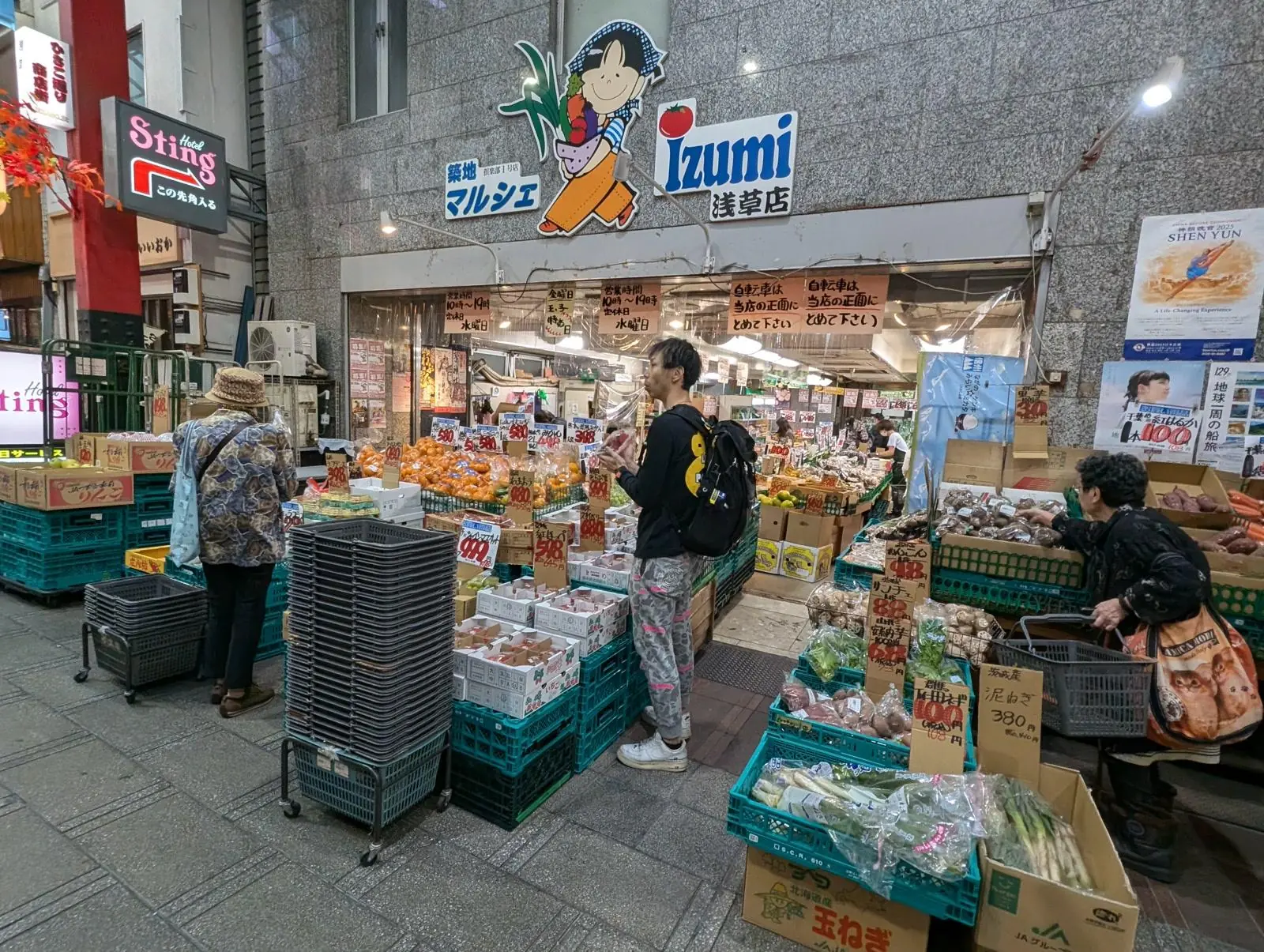
Here's a local secret: supermarkets in Tokyo discount their prepared bento boxes by 20–50% in the evening, usually after 7 or 8 PM. A ¥600 bento becomes ¥300–400, and the quality is excellent: grilled fish, rice, pickles, and sides, all freshly made that day. If you're staying in accommodation with a place to sit, an evening supermarket run is one of the best budget moves in Tokyo. Look for the yellow discount stickers (waribiki).
Free Things Worth Doing in Tokyo
One of the best things about doing Tokyo on a budget is that many of the city's most memorable experiences cost nothing. Here are the free activities I recommend to every client, regardless of their budget.
- Meiji Shrine (Meiji Jingu): Walk through the towering torii gate and forested path in the heart of Shibuya. It's one of the most peaceful places in Tokyo, and it's completely free. The contrast between the dense city and this ancient forest is stunning. This is the kind of experience that defines Tokyo.
- Imperial Palace East Gardens: The former site of Edo Castle's innermost circles, now a beautifully maintained public garden. Free entry, open most days, and rarely as crowded as you'd expect. The stone walls and moats alone are worth the visit.
- Senso-ji Temple (Asakusa): Tokyo's oldest temple, with the iconic Kaminarimon gate and Nakamise shopping street. Walking the grounds is free, and the atmosphere (incense smoke, the massive lantern, the pagoda) is unforgettable. Come early morning to avoid the worst crowds.
- Tsukiji Outer Market: While the inner wholesale market moved to Toyosu, the outer market at Tsukiji is still thriving with street food vendors, knife shops, and small restaurants. Walking and browsing is free; you'll spend money on food only if you want to (and you'll want to). For the full story, see my guide on the best time to visit Tokyo, which includes seasonal highlights for market visits.
- Parks and gardens: Yoyogi Park, Ueno Park, Shinjuku Gyoen (¥500 entry, but worth mentioning), and the gardens along the Sumida River are all wonderful for a slow morning or afternoon. Tokyo has more green space than people realize, and spending time in parks is how locals actually experience the city.
Where NOT to Cut Corners
I've talked a lot about saving money. Now let me talk about where spending more is the right call. Because doing Tokyo on a budget doesn't mean doing Tokyo cheap. It means being smart about where your money goes.
Don't Skip One Good Sushi Meal
You can eat conveyor belt sushi (kaiten-zushi) every day for ¥1,000–1,500 and be perfectly happy. But at least once during your trip, sit at the counter of a proper sushi restaurant and let the chef serve you omakase-style. A lunch omakase at a good (not famous, not Michelin-starred) neighborhood sushi counter runs ¥4,000–6,000. That's $25–40 for what might be the best sushi meal of your life. The fish is different. The rice is different. The experience of watching a craftsman work is different. This is the one splurge I recommend to every budget traveler, and nobody has ever regretted it.
Don't Take the Cheapest Accommodation in a Bad Location
I've seen budget travelers book the cheapest hostel they can find, only to discover it's a 25-minute walk from the nearest station in a residential neighborhood with no restaurants or convenience stores nearby. They spend more on transport, waste time commuting, and miss out on the energy that makes Tokyo special. Location matters more than room size in Tokyo. A small, clean hotel or hostel near a major station (Shinjuku, Shibuya, Asakusa, Ueno) will save you money on transport, give you better food options within walking distance, and let you experience neighborhoods at night, which is when Tokyo truly comes alive.
My rule of thumb: spend ¥5,000–10,000 per night on accommodation ($35–70 USD) and make sure you're within a 5-minute walk of a train station. Business hotels like Toyoko Inn, APA Hotel, or Dormy Inn hit this range perfectly. They're clean, efficient, and located where you need to be. Some include breakfast and public baths.
Tokyo on a budget is not about deprivation. It's about understanding that this city was built for everyday people who commute, eat lunch, and enjoy their neighborhoods on normal salaries. The infrastructure for affordable, high-quality daily life is everywhere. You just need to know where to look. And now you do.
Want a guide who knows where the value is?
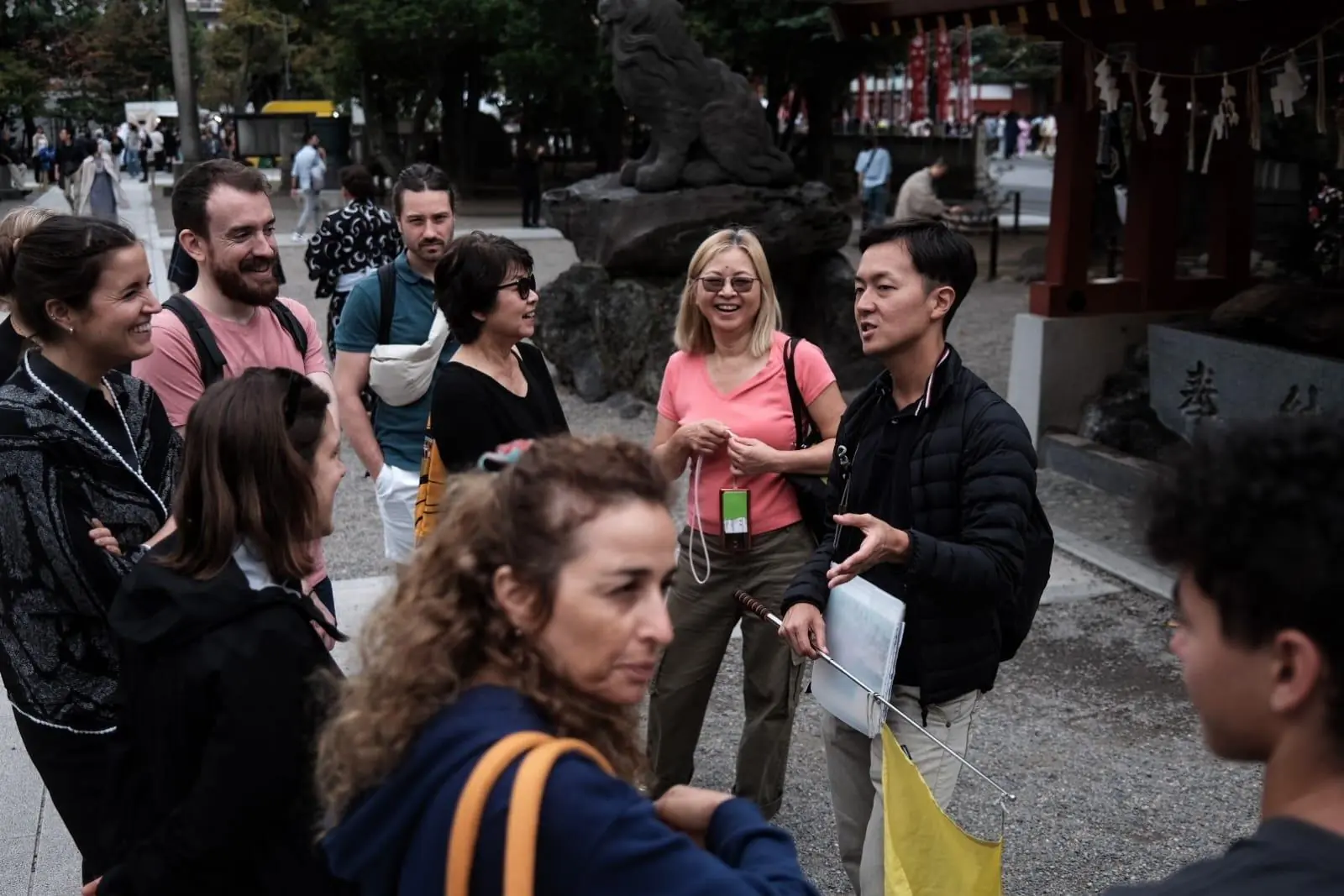
On my tours, I take clients to the spots that locals actually use: the ramen shops, the hidden temples, the market stalls where ¥500 buys something unforgettable. I'll help you experience the best of Tokyo without overspending. Browse my tours and see what resonates.
Frequently Asked Questions
How much money do I need per day in Tokyo?
A comfortable budget is ¥6,000–12,000 ($40–80 USD) per day for transport, food, and attractions, excluding accommodation. You can go lower if you lean on convenience stores and free attractions, or higher if you want sit-down dinners and paid experiences. Most of my clients spend around ¥8,000–10,000 per day and feel they ate well and saw plenty.
Is it cheaper to use a rail pass or buy individual tickets?
For getting around within Tokyo, individual tickets or a 24-hour metro pass (¥600–800) are almost always cheaper than a Japan Rail Pass, which is designed for long-distance travel between cities. If you're staying only in Tokyo, skip the JR Pass and use a Suica/Pasmo IC card for maximum flexibility and convenience.
Can I use credit cards everywhere in Tokyo?
Credit card acceptance has improved dramatically, but Tokyo still has many cash-only spots, especially small ramen shops, market stalls, and traditional restaurants. Carry ¥10,000–15,000 in cash as a baseline. 7-Eleven and post office ATMs accept international cards reliably. Don't rely solely on cards, particularly in older neighborhoods like Asakusa or Yanaka.
What's the cheapest area to stay in Tokyo?
Asakusa, Ueno, and Ikebukuro tend to have the lowest hotel and hostel rates among well-connected neighborhoods. Asakusa is my top recommendation for budget travelers. It's charming, full of affordable restaurants, directly connected to the airport by train, and has easy subway access to everywhere else. Avoid ultra-cheap options far from stations; the transport costs and lost time cancel out any savings.