Last year, a client from New York (a serious food person, ran a restaurant, knew his stuff) asked me to take him to the "best ramen in Tokyo." I paused. "The best ramen in Tokyo depends on what kind of ramen you mean," I said. "That's like asking for the best pizza in New York without specifying thin-crust, Sicilian, or Neapolitan."
Tokyo has over 10,000 ramen shops. No single list can cover them all, and the "best ramen" articles you find online are usually sponsored, outdated, or reflect one writer's preference. This ramen guide for Tokyo is different: it's organized by style, informed by 15+ years of eating ramen in this city, and focused on helping you understand what you're ordering, not just where to stand in line.
Why "Best Ramen in Tokyo" Lists Are Mostly Wrong
The problem with most ramen guides for Tokyo is that they treat ramen as one thing. It's not. Ramen is a category containing dozens of distinct styles, each with its own history, regional origin, and cult following. Telling someone to eat at a tonkotsu shop when they prefer light, clear broths is like sending a wine lover who drinks Pinot Grigio to a bold Cabernet tasting.
The second problem: famous shops aren't always the best. Some of Tokyo's most hyped ramen joints live on their reputation from 2015. The shop with a 90-minute line in Shinjuku might serve great ramen, but the shop three blocks away with no line might serve better ramen. They just don't have a viral Instagram presence. In my tours, I take clients to both kinds, and the "discovery" shops are almost always the bigger hit.
The 4 Main Ramen Styles (And Which Tokyo Neighborhood Does Each Best)
Shoyu Ramen (Soy Sauce-Based)
This is Tokyo's original ramen style: a clear or slightly brown broth made with chicken or seafood stock and seasoned with soy sauce. The flavor is clean, savory, and lets the quality of the noodles shine through. Think of it as ramen in its most refined form, with no heavy flavors to hide behind. The noodles are typically thin and wavy.
Best neighborhoods: The eastern side of Tokyo (Asakusa, Ueno, and the old Shitamachi areas) is where shoyu ramen has its deepest roots. Many shops here have been serving essentially the same recipe for 40–60 years.
Tonkotsu Ramen (Pork Bone Broth)
The thick, creamy, opaque broth made by boiling pork bones for 12–20 hours. Originated in Fukuoka (Kyushu) and conquered Tokyo in the 2000s. The broth is rich, porky, and almost milky in texture. Noodles are thin and straight, served firm (kata) by default. This is the style most foreigners think of when they think "ramen."
Best neighborhoods: Ikebukuro and Shinjuku have the highest concentration of quality tonkotsu shops, many run by Kyushu-born chefs who brought their recipes to Tokyo.
Miso Ramen
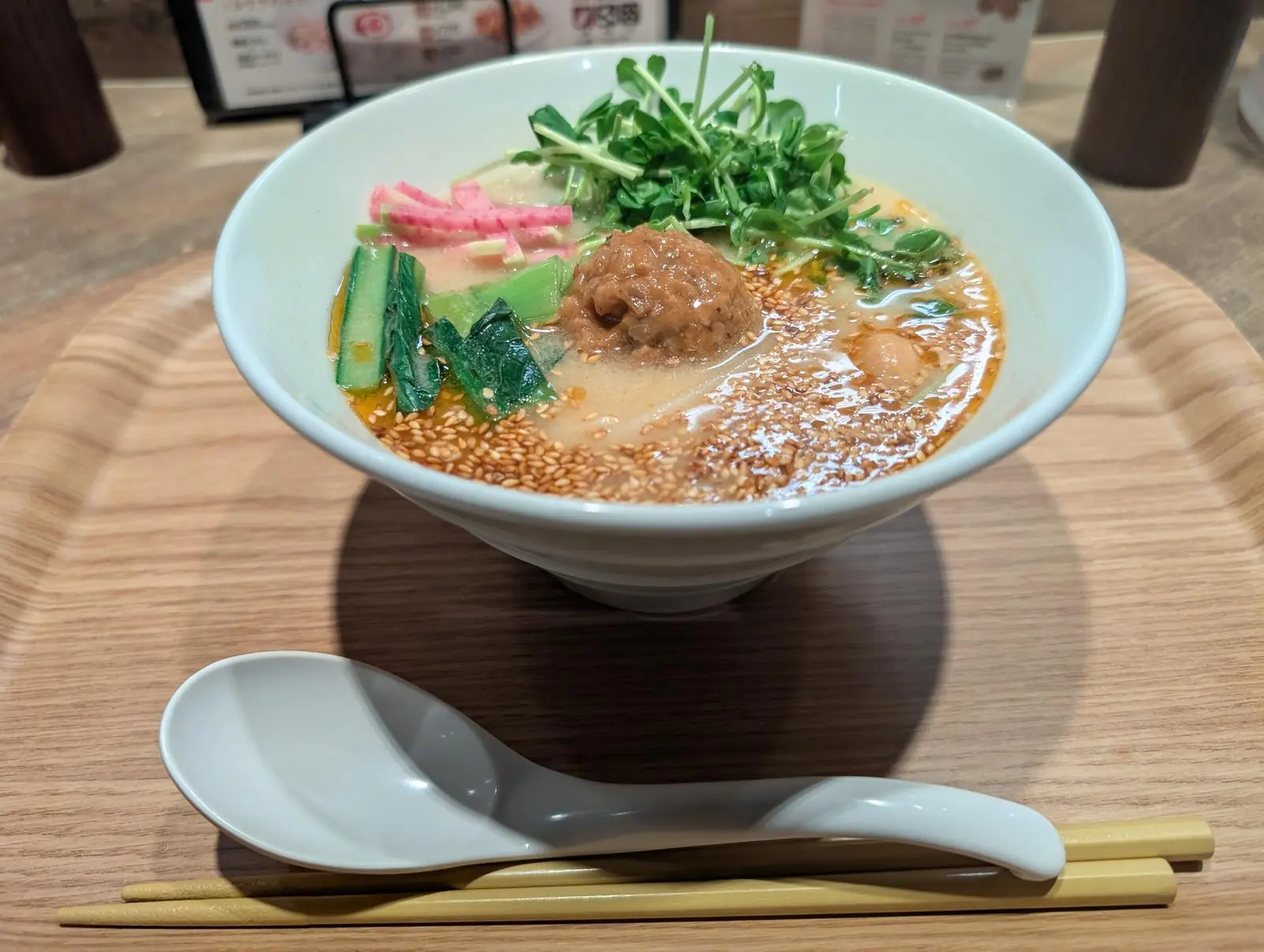
Originated in Sapporo (Hokkaido) and brought south to Tokyo. The broth is hearty, complex, and slightly sweet, with miso paste adding depth and umami. Often served with corn, butter, and bean sprouts, toppings that reflect its northern origins. The noodles are thick and curly to hold the heavy broth.
Best neighborhoods: Miso ramen shops are scattered across Tokyo without a clear geographic center. Some of the best are in residential neighborhoods far from tourist areas, the kind of places you'd only find with a local guide or serious research.
Tsukemen (Dipping Ramen)
Tokyo's own invention. The noodles and broth are served separately. You dip the cold or room-temperature noodles into a concentrated, intensely flavored broth. The broth is thicker and more potent than regular ramen because it's designed as a dipping sauce, not a soup. Invented in the 1960s in Ikebukuro.
Best neighborhoods: Ikebukuro (where it was born), plus Shinjuku and Shibuya. Tsukemen is particularly good in summer when a hot bowl of soup ramen feels overwhelming.
My Personal Top Picks by Neighborhood
I'm deliberately not naming specific shops here. Ramen shops in Tokyo open and close constantly, chefs move between locations, and a recommendation from March can be outdated by September. Instead, I'll tell you what to look for in each area. On my tours, I take clients to my current favorites and update the list monthly.
- Asakusa/Ueno area: Classic shoyu ramen. Look for shops with old-fashioned facades and counter seating only. If there are photos of the owner with celebrities on the wall, it's usually a good sign. It means the shop has been around long enough to accumulate fame.
- Shinjuku: Everything. Shinjuku is ramen diversity in concentrated form. The area around the station's south exit has a dozen shops within a 5-minute walk covering every style. In my ramen guide for Tokyo clients, Shinjuku is where I send people who want to compare styles back-to-back.
- Ikebukuro: Tonkotsu and tsukemen. This is ground zero for both styles in Tokyo. The west exit area has some of the city's most competitive ramen concentration.
- Ramen Street (Tokyo Station): A curated collection of famous ramen shops inside Tokyo Station. Not a bad option for a quick bowl when passing through, though the lines are longer and the atmosphere is more "food court" than "authentic neighborhood shop."
How to Order Ramen in Japan Without Speaking Japanese
Most ramen shops in Tokyo use a ticket vending machine (shokkenki) near the entrance. You buy your meal from the machine before sitting down. Here's how it works:
- Insert money into the machine (coins or bills, and many now accept IC cards too).
- Press the button for your ramen. The top-left button is usually the house special (the one most people order). Photos or plastic food models often help identify options.
- Take your ticket(s) and hand them to the staff when seated.
- Wait. Eat. Leave. No tipping, no small talk required.
Customization: Many shops will ask about noodle firmness (katame = firm, futsu = normal, yawarakame = soft), broth richness (kotteri = rich, assari = light), and toppings. If you don't speak Japanese, pointing at the words on the order sheet or saying "futsu" (normal) for everything works perfectly.
Slurping is expected. In Japan, slurping your noodles is not rude. It's how ramen is eaten. The slurp aerates the noodles and broth, cooling them and enhancing the flavor. Think of it like swirling wine: functional, not just theatrical.
What to Eat with Your Ramen (The Extras Nobody Tells You About)
- Gyoza (pan-fried dumplings): The classic ramen side dish. Almost every ramen shop offers them, and they're almost always good. Order a plate of 5–6 and share.
- Kaedama (extra noodles): At tonkotsu shops, you can order a refill of noodles (usually ¥100–200) to add to your remaining broth. This is standard practice and not considered greedy. The portions are designed for it.
- Rice (gohan): Some shops offer a small bowl of rice, either plain or with toppings. Dump it into your remaining broth at the end for an improvised risotto. This is called "shime" and it's how many Japanese ramen lovers finish their meal.
- Ajitama (seasoned soft-boiled egg): If it's not included in your base order, add one. The eggs are marinated in soy sauce and mirin, giving them a custard-like yolk and savory exterior. It's the single best ¥100 upgrade in Japanese food.
For more Tokyo food recommendations, check my sushi guide for Tokyo and my Tokyo hidden gems article, which includes some of the food neighborhoods I love most.
Want a guide who knows where to eat?
On my tours, food is never an afterthought. It's part of the cultural experience. I take clients to ramen shops, sushi counters, and street food stalls that I've personally vetted over 15+ years of eating in Tokyo. Browse my tours.
Frequently Asked Questions
What's the difference between shoyu and tonkotsu ramen?
Shoyu (soy sauce) ramen has a clear or light brown broth made from chicken or seafood stock. It's clean and savory. Tonkotsu (pork bone) ramen has a thick, creamy, opaque white broth from boiling pork bones for 12+ hours. It's rich and heavy. They're completely different experiences. Shoyu is the elegant whiskey, tonkotsu is the craft beer.
Is tipping expected at ramen shops in Tokyo?
No. Tipping is not practiced at ramen shops or any restaurant in Japan. The price on the ticket machine is the total price. No service charge, no tip expected or desired. For more on this, read my article on tipping in Japan.
Are there vegetarian ramen options in Tokyo?
Yes, though they're less common than meat-based options. Several shops specialize in vegetable-broth ramen (yasai ramen), and the number is growing. Some shops offer soy milk-based broths that are surprisingly rich. Look for shops that advertise "vegan" or "shojin" (Buddhist vegetarian) options. They exist in most major neighborhoods.
How much does a bowl of ramen cost in Tokyo?
A standard bowl ranges from ¥800 to ¥1,200. Premium shops and specialty bowls can reach ¥1,500–2,000. Toppings (egg, extra chashu, nori) are ¥100–300 each. A full ramen meal with toppings and gyoza typically costs ¥1,200–1,800 per person, one of the best food values in Tokyo.