Tokyo is one of the best cities in the world for families. It's safe, clean, and full of things that fascinate kids of every age. But let's be realistic: it's also a city of 14 million people with a train system that has 13 different subway lines, restaurants where nobody speaks English, and cultural sites where "please be quiet" is the unwritten rule.
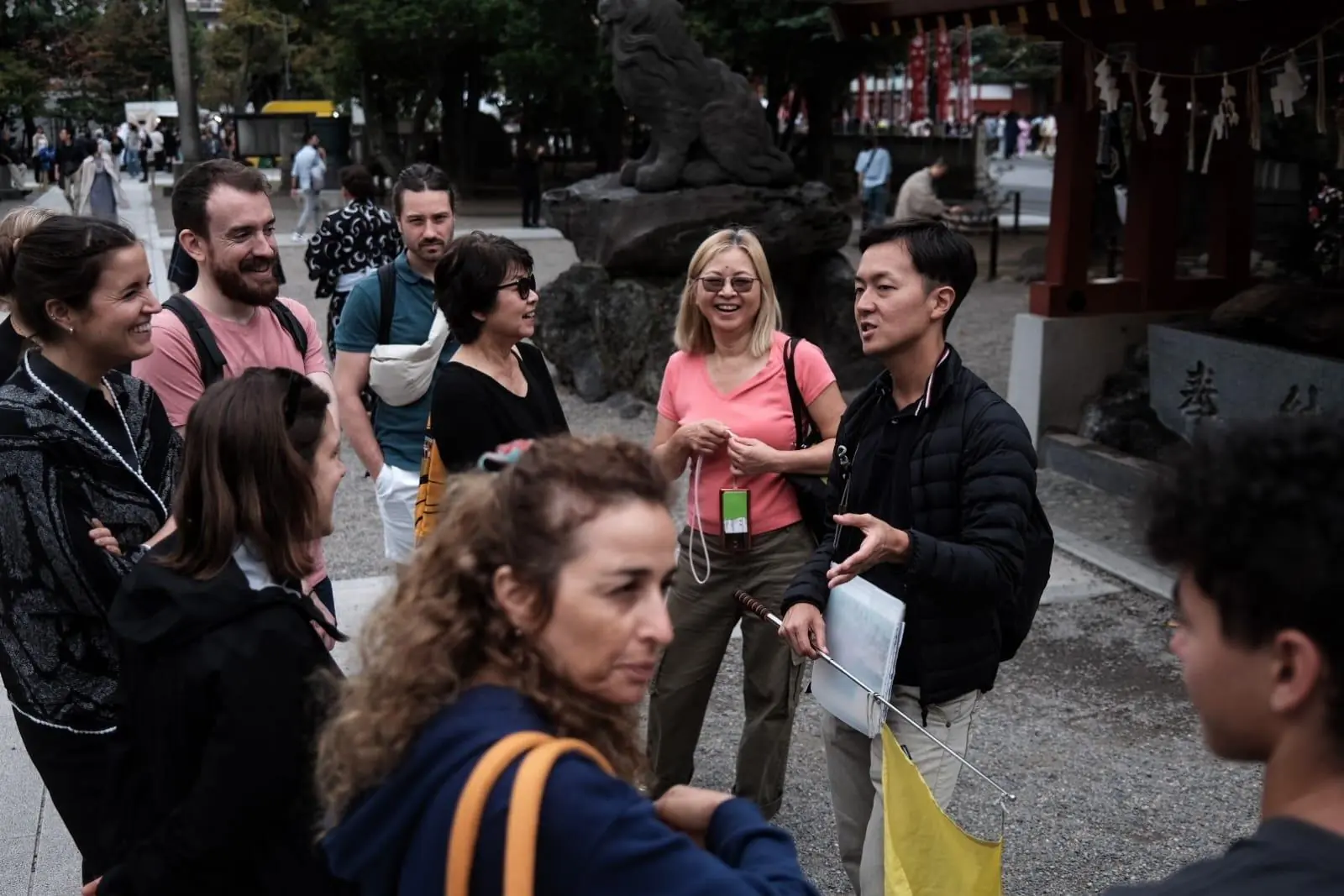
I guide families through Tokyo regularly, and the difference between a family that's stressed and one that's having the time of their lives usually comes down to planning and pacing, not the destinations themselves.
This article covers the real challenges of Tokyo with kids, the best spots for families, and how to structure your days so everyone, parents included, actually enjoys the trip.
The Real Challenges (And How to Solve Them)
Trains and Strollers
Tokyo's train system is efficient but not always stroller-friendly. Rush hour (7:30-9:30 AM, 5:30-8:00 PM) is genuinely impossible with a stroller. Stations vary widely in accessibility. Some have elevators at every platform; others require carrying the stroller up and down stairs.
The solution: avoid rush hours completely, know which stations have elevators (I have this mapped for every route I plan), and consider using a lightweight carrier instead of a stroller for some days. The Yamanote Line stations are generally well-equipped, but smaller stations on the Metro can be hit-or-miss.
Food for Picky Eaters
"My kids won't eat raw fish" is something I hear from almost every family before the trip. Good news: Japanese food for kids goes far beyond sushi. Udon noodles, curry rice (Japanese kids grow up on this), tamagoyaki (sweet egg omelette), onigiri (rice balls), and taiyaki (fish-shaped pastries filled with sweet bean paste or custard) are all kid-tested favorites.
Many family restaurants (called "famiresu") have picture menus, kids' meals, and high chairs. Chains like Saizeriya, Coco Ichibanya, and conveyor belt sushi places are reliably kid-friendly.
Temple and Shrine Fatigue
Kids have a limited tolerance for "another old building." The trick is spacing temples between activities they find exciting, and making the temple visits interactive. I tell kids about the guardian statues (who are they protecting the temple from?), let them ring the bell and clap at shrines, and challenge them to find specific symbols carved into the buildings. A temple visit that would bore a 7-year-old in 5 minutes becomes a 30-minute treasure hunt.
Timing and Pacing
The biggest mistake families make is trying to do too much. Adults can push through fatigue; kids can't (and won't). Plan for 3-4 major activities per day maximum, with rest stops and snack breaks built in. Start early (9:00 AM is ideal), take a proper lunch break with sitting time, and aim to be back at the hotel by 4:00-5:00 PM for young kids. The evening can be a casual walk and dinner near the hotel, not another packed itinerary.
Best Tokyo Spots for Families
TeamLab Borderless (Azabudai Hills)
The immersive digital art museum that mesmerizes kids and adults equally. Children can run through rooms of projected waterfalls, draw creatures that come to life on the walls, and interact with light installations. Allow 2-3 hours. Book tickets online in advance as it sells out regularly.
Ueno Area (Zoo, Museums, Park)
Ueno is a full family day in one area. The zoo (¥600 for adults, one of the oldest in Japan), the National Museum of Nature and Science (dinosaurs, interactive exhibits), Ueno Park for running around, and Ameyoko market for street food snacks. Everything is within walking distance, which means no stressful train transfers between activities.
Odaiba
The waterfront area with the life-size Gundam statue, shopping malls, a small beach, and the Yurikamome monorail ride over Rainbow Bridge (itself an attraction for kids). TeamLab Planets in nearby Toyosu is another option for immersive digital art (open until 2027). Good for a half-day when everyone needs a break from temples and traditional culture.
Asakusa (The Kid-Friendly Route)
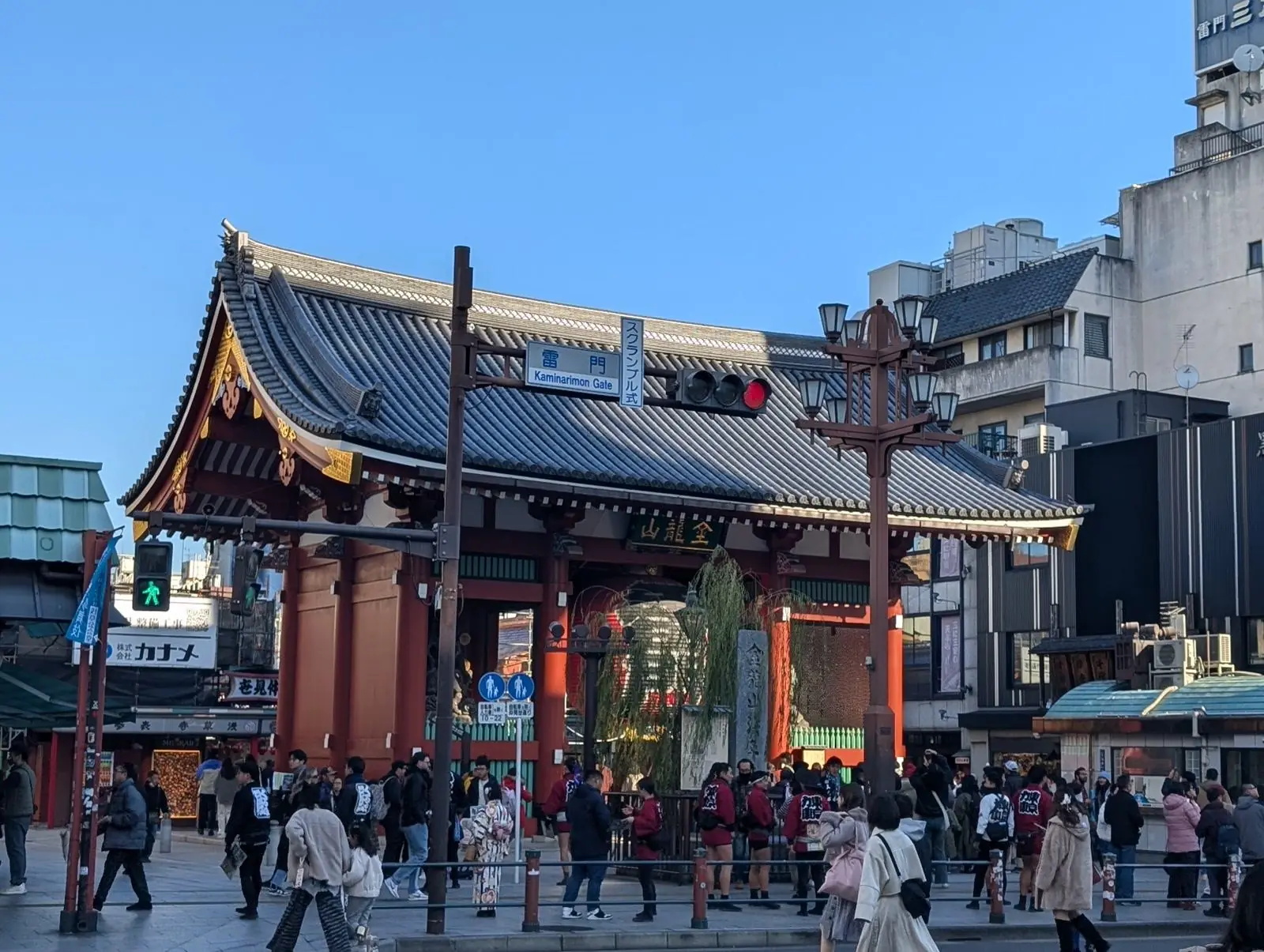
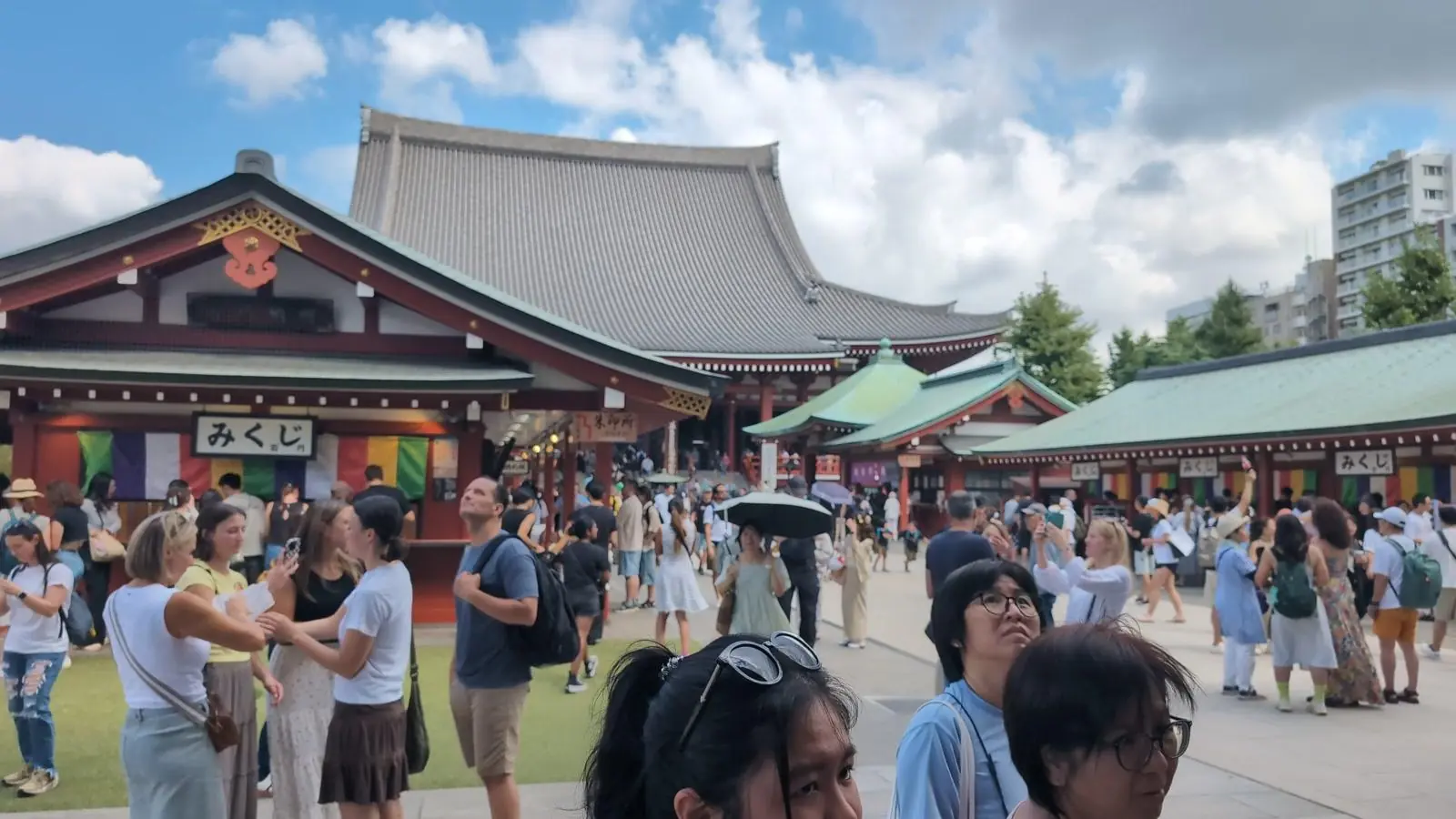
Asakusa works well with kids if you plan it right. The Nakamise shopping street has snacks and small toys. Senso-ji Temple has the incense ritual (kids love wafting smoke over themselves "for good health"). The backstreets have taiyaki shops, traditional candy stores, and rickshaw rides. I time family visits for late morning when the initial crowds thin out.
Akihabara (For Older Kids)
Kids aged 8+ who are into gaming, anime, or technology will be in paradise. Retro game arcades, multi-floor toy stores, and capsule machine alleys. This is a reward destination that keeps older kids motivated through the cultural sites earlier in the trip.
Parks Tourists Don't Know About
Shinjuku Gyoen (spacious lawns, perfect for running), Yoyogi Park near Meiji Shrine (often has street performers on weekends), and Inokashira Park in Kichijoji (swan boats, small zoo). These are where Tokyo families actually go on weekends. They give kids space to be kids, which is essential for maintaining everyone's sanity.
What a Family Guide Does Differently
Guiding a couple and guiding a family with three kids are completely different skills. Here's what changes when I'm working with families.
- Route planning around nap times and energy levels. I build in buffer time and know exactly where the nearest parks, cafes, and restrooms are at every point of the route. If a toddler needs a nap at 1:00 PM, the itinerary accounts for that.
- Restaurant knowledge beyond food quality. I know which restaurants have high chairs, which have private rooms (incredibly helpful with small children), and which have the fastest service when kids are getting restless.
- Engagement techniques for kids. I carry activity ideas for waiting times: origami paper, a simple Tokyo scavenger hunt list, and stories adapted for different ages. A 5-year-old and a 12-year-old need completely different approaches.
- Real-time adjustments. If a child is having a meltdown, we change the plan. If they're fascinated by something unexpected, we stay longer. The whole point of a private tour is flexibility, and with kids, you need all of it.
- Making sure parents enjoy the trip too. This is the part that gets overlooked. Parents who spend the whole day managing logistics don't experience Tokyo. When I handle navigation, restaurant communication, and pacing, parents can actually be present and enjoy the moment with their kids.
Sample 3-Day Family Itinerary (Ages 4-10)
This is a realistic plan, not a fantasy "see everything" list. It includes rest time, snack stops, and assumes kids will be tired by mid-afternoon.
Day 1: Asakusa and Ueno (Best Day for a Guide)
- 9:00 AM: Meet at Asakusa. Senso-ji Temple with the interactive approach (fortune drawing, incense, treasure hunt)
- 10:30 AM: Nakamise street snacks: taiyaki, senbei, melon pan
- 11:30 AM: Walk to Kappabashi (kitchen street). Kids love the plastic food displays
- 12:30 PM: Lunch at a family-friendly udon or curry restaurant
- 2:00 PM: Train to Ueno. Park time for kids to run. Optional museum visit
- 4:00 PM: Tour ends. Walk Ameyoko market for snacks on your way back
Day 2: Shibuya, Harajuku, and Meiji Shrine (Self-Guided Works)
- 9:30 AM: Meiji Shrine (peaceful morning walk through the forest)
- 11:00 AM: Harajuku Takeshita Street (teens and older kids love this)
- 12:30 PM: Lunch in Harajuku or Omotesando
- 2:00 PM: Yoyogi Park (let kids play and recharge)
- 3:30 PM: Shibuya Crossing (exciting for kids), then early dinner
Day 3: Choose Your Adventure
- Option A: TeamLab Borderless (morning) + Odaiba (afternoon)
- Option B: Akihabara (for older kids) + Ueno Zoo
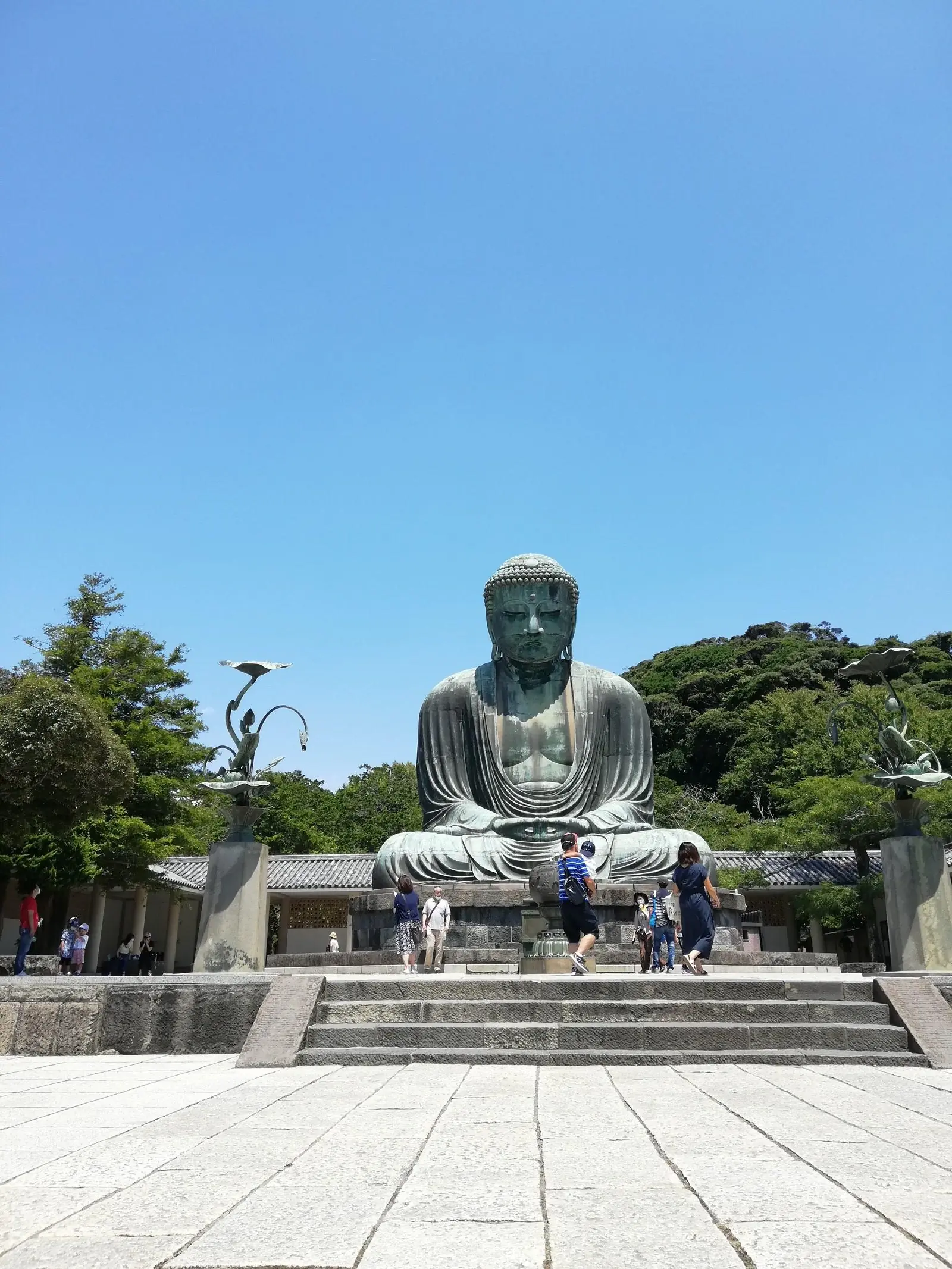
- Option C: Kamakura day trip (Great Buddha, beach, Enoden train). Best with a guide due to transport logistics
Day 1 benefits most from a guide because Asakusa has layers of cultural context that make it come alive for kids, and navigating from Asakusa to Ueno with children requires knowing the right route. Day 2 is straightforward enough to handle on your own. Day 3 depends on what you choose, but a day trip to Kamakura or Hakone is where a guide makes the biggest difference for families.
What It Costs for Families
All my tours are priced per group, not per person. Kids come at no extra cost. This is the single biggest advantage of a private guide over a group tour for families.
A walking tour through Asakusa is ¥45,000 for the whole family. That's ¥11,250 per person for a family of four (less than many group tours charge per person). A full-day Kamakura day trip is ¥70,000 for the group.
Compare that to the cost of a wasted day: navigating the wrong trains, ending up at a restaurant that can't accommodate your family, missing the best parts of a neighborhood because you didn't know they were there. Time is the most expensive thing you have on vacation, and with kids, wasted time has a multiplier effect on everyone's mood.
For a detailed breakdown of all our tour prices, see How Much Does a Private Tour Guide Cost in Tokyo?
Every Family Is Different
Tell me your kids' ages and interests, and I'll suggest which days benefit most from a guide and which you'll be fine on your own. No pressure, just practical advice from someone who guides families through Tokyo every week.
Tell Me About Your Family Trip