If you love food, and I mean truly love food, not just eating but understanding where it comes from and how it's prepared, then Tsukiji Outer Market deserves a spot near the top of your Tokyo itinerary. Yes, the famous inner wholesale market moved to Toyosu in 2018, and yes, you'll still hear people say "Tsukiji is closed." They're wrong. The outer market is alive, thriving, and arguably better for visitors than the old wholesale floor ever was.
As a licensed guide who walks through Tsukiji several times each week, I've watched the market evolve over the years. Some of the old wholesale vendors have gone, but the roughly 400 shops and restaurants that make up the outer market have only gotten better at serving food lovers. The stalls are more accessible, the variety is extraordinary, and the quality of what you can eat here, often prepared right in front of you, rivals or surpasses many sit-down restaurants in the city.
This guide is everything I tell my tour guests before we walk through the market together. I'll cover what to eat, what to skip, when to go, and how to combine Tsukiji with a stroll through nearby Ginza for a perfect Tokyo food day.
Tsukiji vs Toyosu: Which Should You Visit?
This is the question I get asked most often, so let me clear it up. Tsukiji Outer Market and Toyosu Market are two completely different experiences, and choosing between them depends on what you're looking for.
Tsukiji Outer Market is a dense, walkable network of narrow lanes packed with food stalls, specialty shops, and small restaurants. You can walk in at any time during opening hours, no reservation needed. The experience is tactile and immediate: you'll smell grilled seafood, watch vendors slice fish with extraordinary precision, sample fresh tamagoyaki straight off the grill, and eat some of the best sushi of your life standing at a counter barely wide enough for your elbows. It's chaotic, intimate, and completely authentic.
Toyosu Market, on the other hand, is the modern wholesale facility that replaced Tsukiji's inner market. The main draw is the tuna auction, a genuinely fascinating spectacle where multi-million-yen bluefin tuna are sold in minutes. However, viewing requires an online reservation that books up quickly, and the market itself is viewed from behind glass observation decks. There are some restaurants inside Toyosu, but the food variety and street-food atmosphere don't compare to Tsukiji.
My recommendation: visit Tsukiji for the food experience. If you're a serious seafood enthusiast and can secure a tuna auction reservation at Toyosu, add that as a separate early-morning trip. But for most food lovers, Tsukiji delivers a far more satisfying and memorable experience.
For a deeper side-by-side breakdown — including the Toyosu lottery process, hours, and a combined one-morning plan — see my dedicated comparison: Tsukiji vs Toyosu: Which Tokyo Fish Market Should You Visit?
What to Eat at Tsukiji
With hundreds of stalls competing for your attention (and your appetite), knowing what to prioritize makes the difference between a good visit and an extraordinary one. Here's what I recommend to every guest, along with the insider details that help you choose wisely.
Fresh Sushi: Stand-Up vs Sit-Down
Tsukiji has both stand-up sushi counters and proper sit-down sushi restaurants, and both can be excellent. The stand-up spots (tachigui-zushi) tend to be faster and cheaper. You'll pay around 2,000 to 3,000 yen for a solid set of 8 to 10 pieces. The experience is quintessentially Japanese: elbow to elbow with salarymen on their lunch break, watching the itamae (sushi chef) shape each piece by hand inches from your face. The fish is absurdly fresh because many of these restaurants source directly from the market's wholesalers every morning.
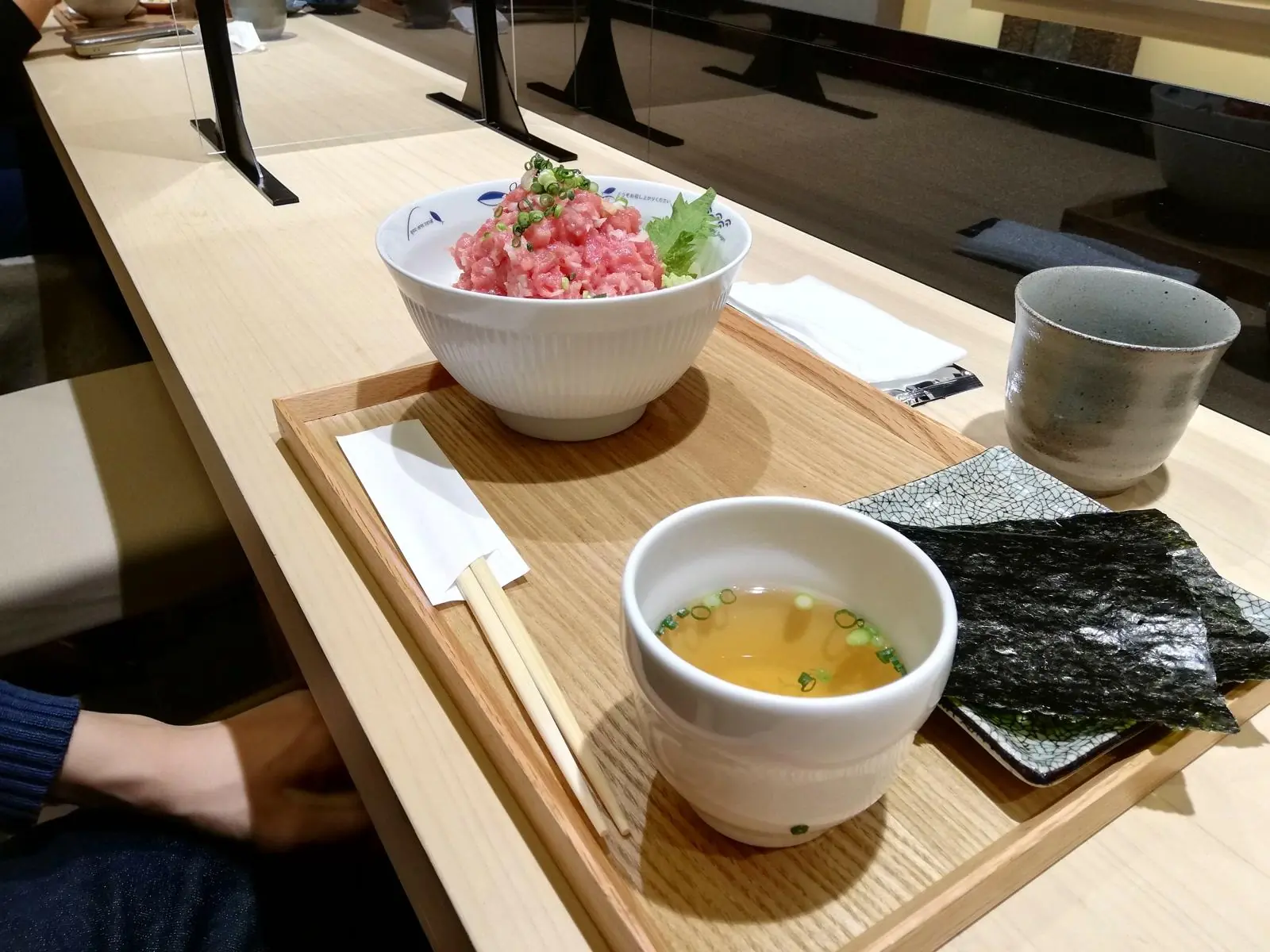
Sit-down restaurants offer a more relaxed experience with higher-end selections. Expect to pay 3,000 to 6,000 yen for an omakase (chef's choice) set. Some of these restaurants, like Sushi Dai and Daiwa Sushi, became famous worldwide and can have queues of two hours or more. Honestly, the quality difference between the famous spots and the lesser-known counters is marginal. You're paying for the name, not the fish. I'll share which specific stalls I recommend on our walking tour.
Tamagoyaki (Japanese Egg Omelette)
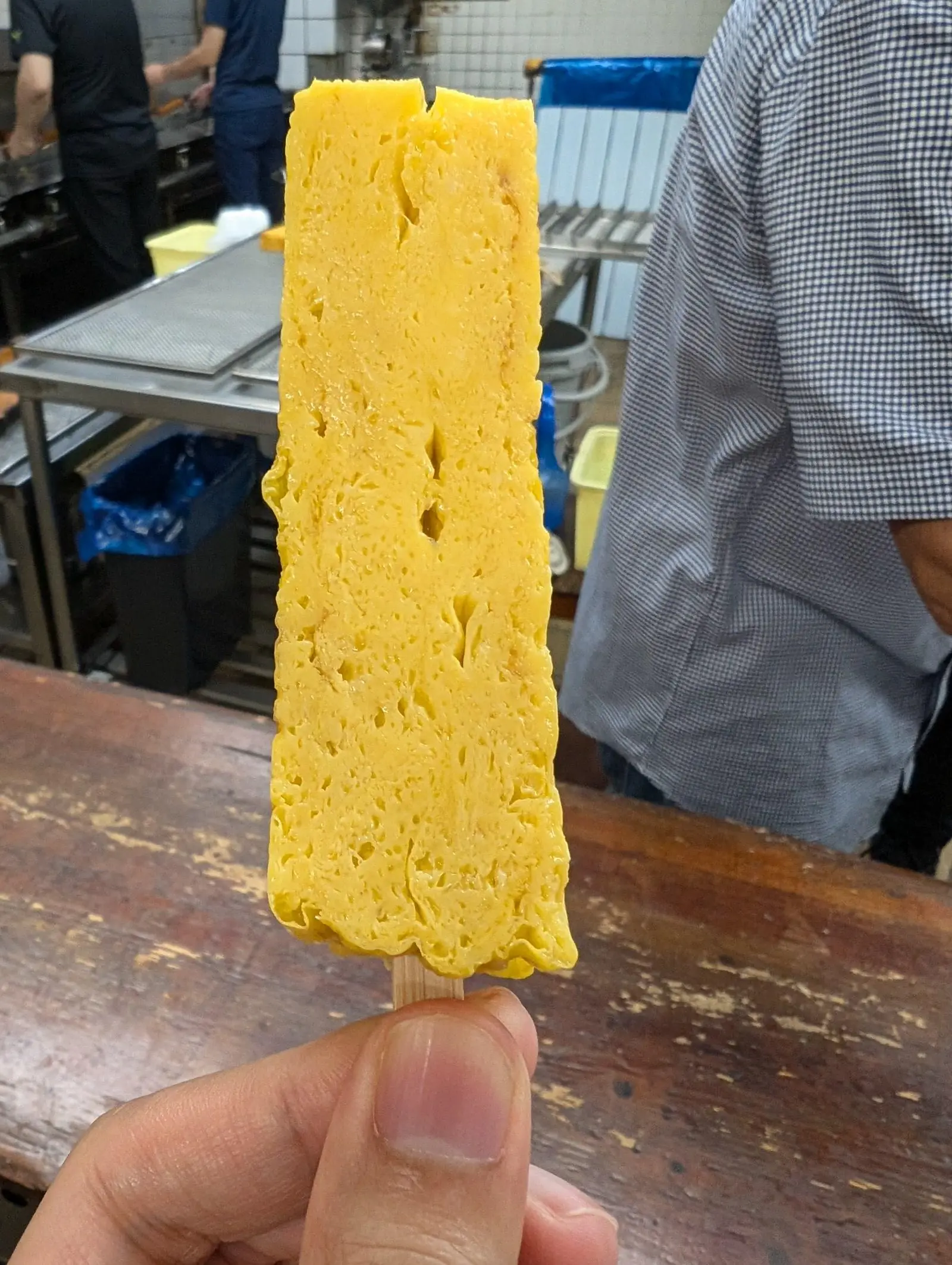
Tsukiji's tamagoyaki is legendary, and for good reason. These thick, slightly sweet Japanese omelettes are grilled in special rectangular pans right in front of you, layer by layer, resulting in a pillowy, caramelized block of egg that's nothing like what you'd find in a Western kitchen. The two most famous shops, Yamachou and Shouro, have been perfecting their recipes for decades. Yamachou tends toward a sweeter, dessert-like style, while Shouro offers a more savory, dashi-forward version. Try both if you can. A stick of tamagoyaki costs around 100 to 200 yen, making it one of the best bargains in the entire market.
Grilled Seafood Skewers
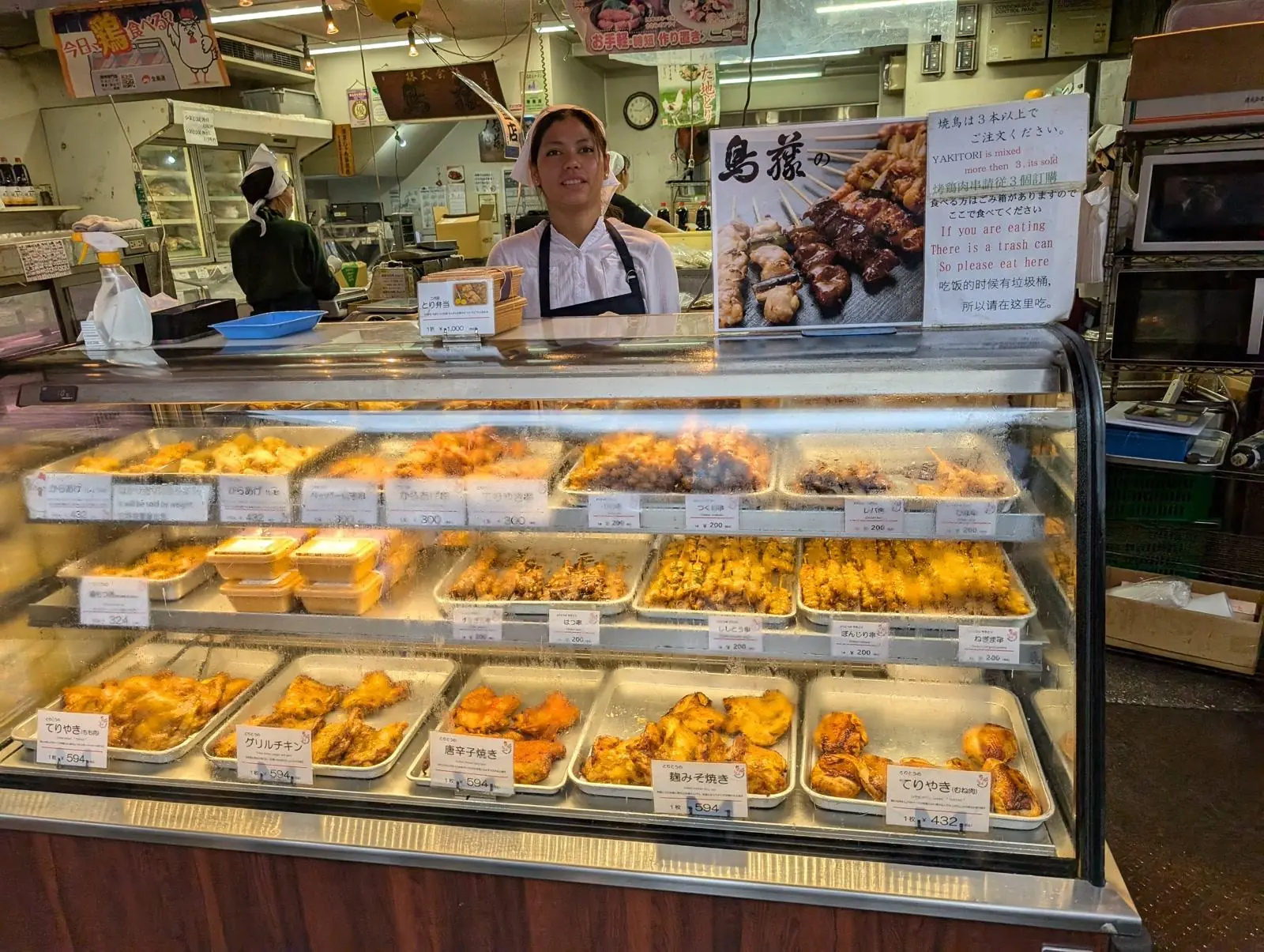
Walking through Tsukiji's outer lanes, you'll encounter stall after stall of grilled seafood on skewers: scallops, squid, king crab legs, prawns, and seasonal fish. The best stalls grill to order, so the seafood is piping hot and slightly charred on the outside while remaining tender and juicy inside. Look for stalls where you can see the actual raw product before it hits the grill. This is a sign of freshness and confidence. Giant Hokkaido scallops (hotate) are a standout, typically grilled with a touch of soy sauce and butter. At around 500 to 800 yen per skewer, they're not the cheapest snack, but the size and quality make them absolutely worth it.
Uni (Sea Urchin)
If you've never tried fresh uni, Tsukiji is the place to have your first experience. The difference between good uni and mediocre uni is enormous. Fresh, high-quality uni should taste sweet and briny, like the ocean distilled into a creamy, custard-like morsel. Bad uni tastes metallic and bitter. Here's how to pick the good stuff: look for uni that's bright orange or golden yellow, with firm, distinct lobes that hold their shape. Avoid anything that looks mushy, watery, or brownish. Many stalls sell individual uni boxes where you can inspect the product before buying. Expect to pay 500 to 1,500 yen depending on the grade and origin. Hokkaido uni is generally considered the finest, but Sanriku (from the northeast coast) is excellent too and often less expensive.
Wagyu Beef on a Stick
Tsukiji isn't just seafood. Several stalls specialize in grilled wagyu beef skewers, and the quality can be outstanding. The best vendors use A4 or A5 grade wagyu, the same quality served in high-end yakiniku restaurants, grilled over charcoal and seasoned simply with salt or a light soy glaze. A single skewer typically costs 800 to 1,500 yen depending on the cut and grade. The marbling melts on your tongue in a way that regular beef simply cannot replicate. It's an indulgence, but this is Tsukiji. Indulgence is the point.
Matcha Desserts
After all that savory food, you'll want something sweet, and Tsukiji delivers here too. Several shops specialize in matcha soft serve, matcha daifuku (mochi stuffed with sweet red bean paste and matcha cream), and matcha tiramisu. Matsueda is one of my favorites. Their matcha soft serve uses high-grade Uji matcha from Kyoto, and the flavor is intense, slightly bitter, and deeply aromatic. A cone costs around 400 to 500 yen. There are also excellent dorayaki (pancake sandwiches with red bean filling) and fresh fruit mochi if matcha isn't your thing.
What to Skip
Not everything at Tsukiji is worth your stomach space. Be cautious of the sushi restaurants with aggressive touts standing outside trying to pull you in. The best sushi spots at Tsukiji don't need to recruit customers from the street. Also skip the pre-packaged sushi trays wrapped in plastic that some shops sell near the market's outer edges. These are made in advance and can sit for hours. At a market where freshness is the whole point, eating sushi that was prepared at 6 AM and sits until noon defeats the purpose entirely. Finally, avoid the overpriced "luxury" seafood bowls (kaisen-don) that cost 4,000 to 5,000 yen at the tourist-heavy entrances. You can get equal or better quality deeper inside the market for half the price.
When to Go
Timing matters enormously at Tsukiji. The outer market is a working market, not a theme park, and its rhythms reflect the fishing industry that created it. The best time to visit is weekday mornings between 9:00 and 11:00 AM. At this hour, all the stalls are open and fully stocked, the grills are hot, the fish is at peak freshness, and the crowds haven't yet reached their midday peak. You'll have room to browse, ask questions, and eat without feeling rushed.
Avoid weekends if at all possible. Saturday mornings bring both tourists and local shoppers, and the narrow lanes become genuinely congested. It's still a worthwhile experience, but you'll spend more time navigating crowds than enjoying food. Sunday is a different problem entirely. Most stalls are closed on Sundays, so a Sunday visit will be disappointing. Some Wednesdays also see partial closures, as individual shops set their own schedules.
Many stalls begin closing by 1:00 to 2:00 PM, and by 3:00 PM the market is largely shut down. If you arrive after noon, you'll find reduced selection and some of the best items already sold out. Plan your visit as a morning activity, arrive hungry, and give yourself at least 90 minutes to two hours for a thorough walkthrough.
Combine with Ginza for the Perfect Half-Day
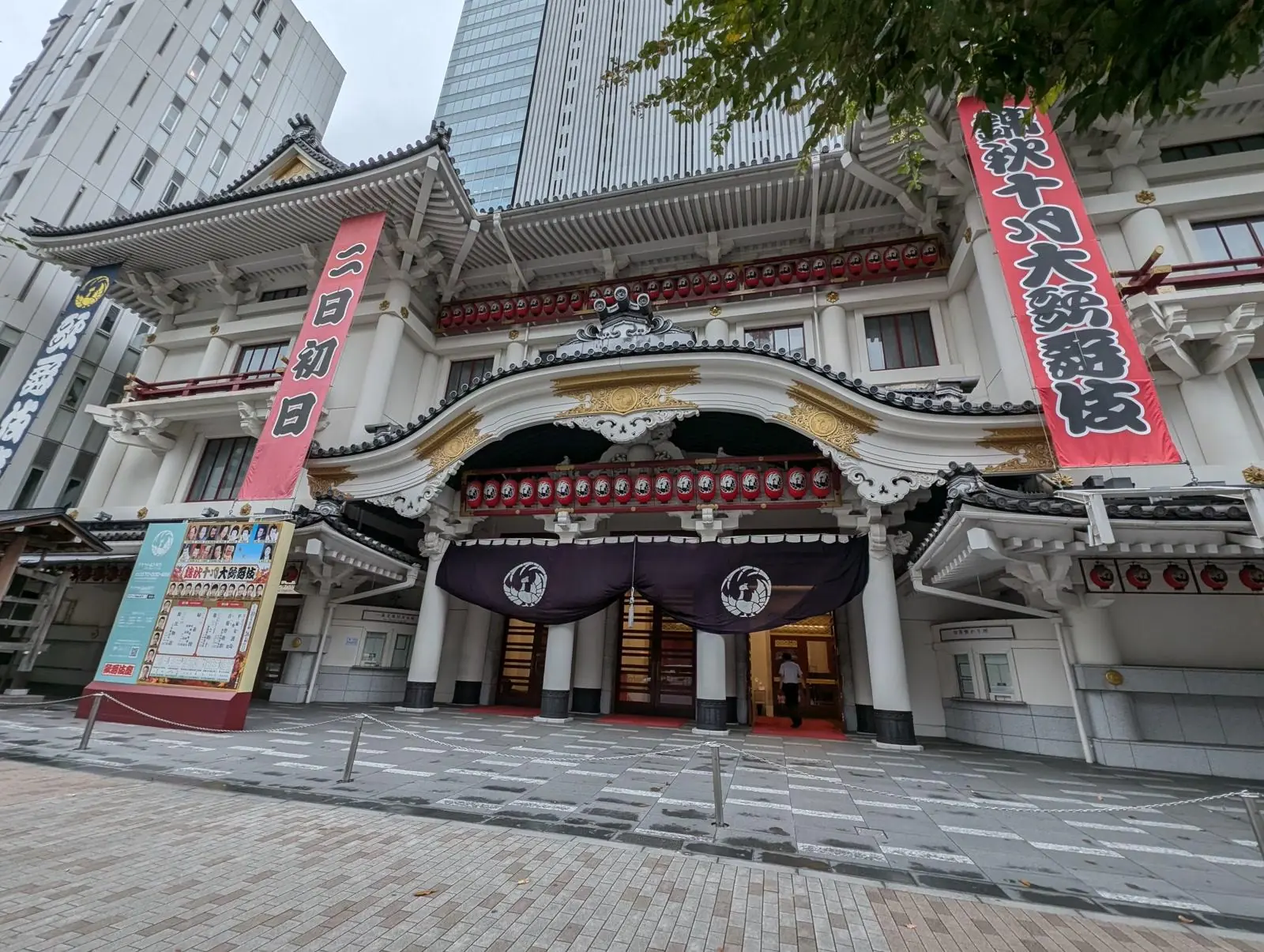
One of Tsukiji's greatest advantages is its location. Ginza, Tokyo's most elegant shopping and cultural district, is just a 10-minute walk away. This makes for a natural and satisfying half-day itinerary: spend the morning eating your way through Tsukiji, then stroll into Ginza for a completely different Tokyo experience in the afternoon.
The walk between the two areas takes you along Harumi-dori street, crossing from the market's bustling, utilitarian atmosphere into Ginza's world of polished architecture and luxury boutiques. The contrast is striking and intentional. It's one of my favorite transitions in all of Tokyo. In Ginza, you can admire the stunning architecture of buildings like the Ginza Six complex and the Mikimoto flagship store, browse the legendary Wako department store with its iconic clock tower, or peek inside the traditional Kabuki-za Theater, even if you're not attending a full performance (single-act tickets are available and surprisingly affordable).
Ginza is also home to some of Tokyo's finest kissaten (traditional coffee houses), where you can sit down with a perfectly brewed pour-over coffee and reflect on the morning's culinary adventures. This morning-Tsukiji-to-afternoon-Ginza route is exactly what we cover in our Tsukiji & Ginza Walking Tour, and it's one of our most popular itineraries for a reason. It packs two of Tokyo's most distinctive neighborhoods into a single, seamless experience.
Toyosu Market: Quick Overview
If you're a serious seafood enthusiast and the tuna auction is on your bucket list, Toyosu Market is worth the effort, but it requires planning. The market is located on a man-made island in Tokyo Bay, accessible via the Yurikamome Line (get off at Shijo-mae Station). The entire journey from central Tokyo takes about 30 to 40 minutes depending on your starting point.
The tuna auction viewing is the main reason to visit. It takes place in the early morning hours, typically starting around 5:30 AM, and visitors watch from a glass-enclosed observation deck above the auction floor. Reservations must be made online in advance through the Tokyo Metropolitan Government's website, and popular dates fill up weeks ahead. Without a reservation, you can still visit the market's observation corridors to watch the wholesale operations through glass walls, but you won't see the auction itself.
Toyosu also has a restaurant area with sushi shops and seafood restaurants that are generally very good. Many are run by the same families who operated at the old Tsukiji inner market. However, the atmosphere is sterile and institutional compared to Tsukiji's organic charm. If you only have time for one, choose Tsukiji. If you have time for both, do the Toyosu auction at dawn and Tsukiji for brunch. It makes for an unforgettable food morning.
Want a local food expert to guide you through Tsukiji's best stalls?
On our Tsukiji & Ginza Walking Tour, I'll take you to the stalls the guidebooks miss, help you navigate the market's maze of lanes, and make sure you eat the freshest, best-value food available that morning. We'll finish with a leisurely walk through Ginza's elegant streets. No tourist traps, no wasted bites. Just the real Tsukiji experience.