The big picture
Tokyo is more English-friendly than its reputation suggests — but only if you know which tools to lean on.
Major signs, train station displays, and chain restaurants now have English. The hard parts are smaller local restaurants, taxis with older drivers, and very specific questions at customer service.
The right phone apps and a few survival phrases close almost every gap.
Language anxiety is the single biggest concern I hear from first-time Japan visitors. Most of it dissolves within two days of being in Tokyo — but the right preparation makes the first 48 hours much smoother. This guide is what I tell guests in their pre-tour emails when they ask "how worried should we be about the language?"
The Honest Big Picture
Most Tokyoites have studied English for six years in school but rarely use it. The result: many people understand more written English than they speak, and many will respond in basic English if you speak slowly. Younger people (especially in central Tokyo) are more comfortable. Older taxi drivers and shop owners may not be — but they're patient and good at gestures.
Where English coverage is good: JR train stations, Shinkansen, major hotels, chain restaurants in tourist areas, museums, the Imperial Palace, large department stores, airports.
Where English is sparse: Small local restaurants (especially counter sushi and izakaya), taxis with drivers over 50, pharmacy interactions, post office, traditional craft shops, small ryokan.
Apps That Actually Work
Google Translate. The camera/photo translation works extremely well for restaurant menus, signs, and product labels. Conversation mode is good for back-and-forth with shop staff. Download Japanese for offline use before you arrive.
Google Maps. Train directions in English are exact, including platform numbers and transfer information. The walking directions are reliable. Save your hotel as "home" before you arrive.
Navitime for Japan Travel. Specifically built for foreign tourists. Better than Google Maps for some train edge cases (like the JR Pass coverage).
Currency converter. Any one will do. Pre-set JPY to your home currency before you arrive.
Train Station Navigation
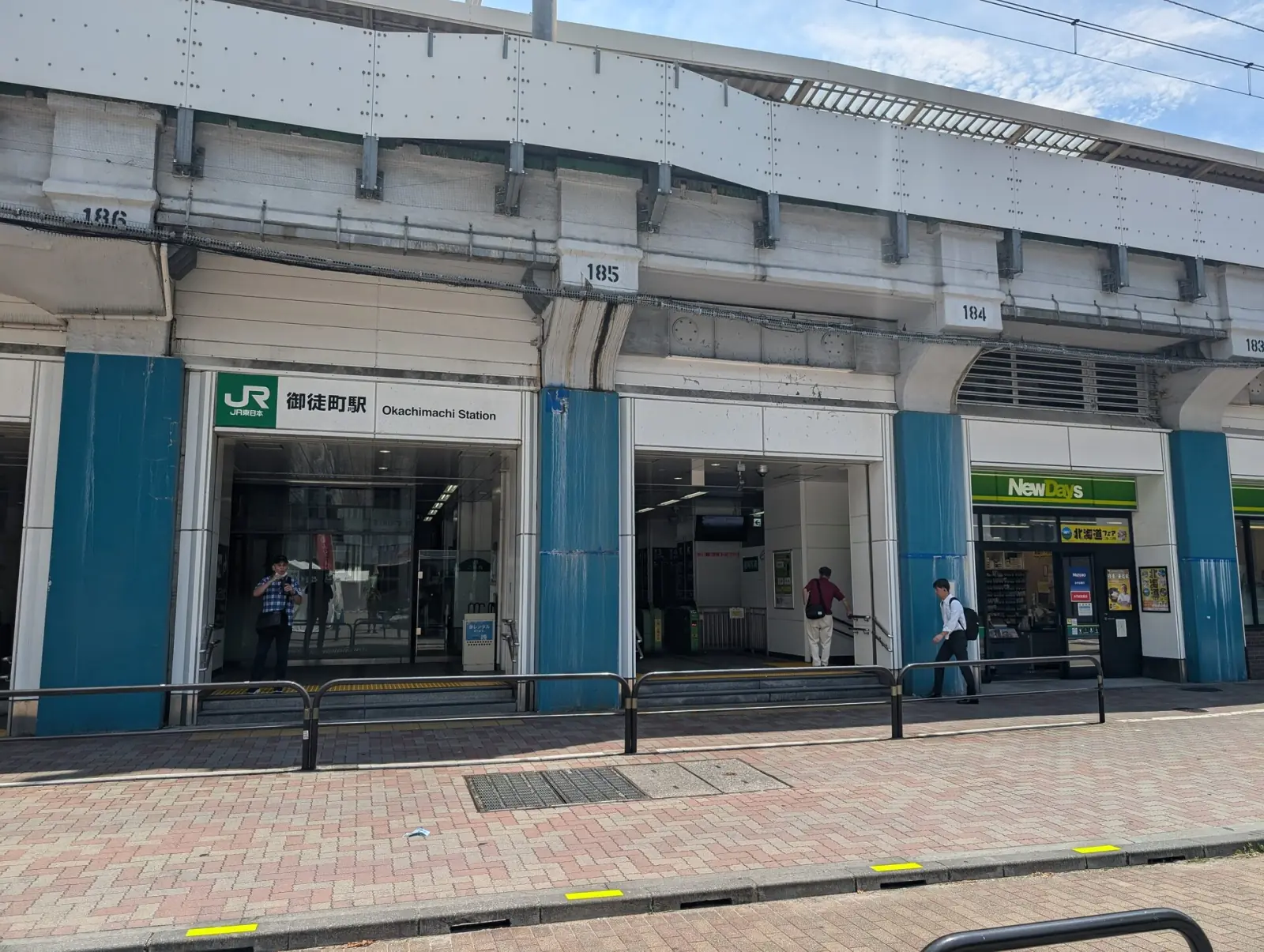
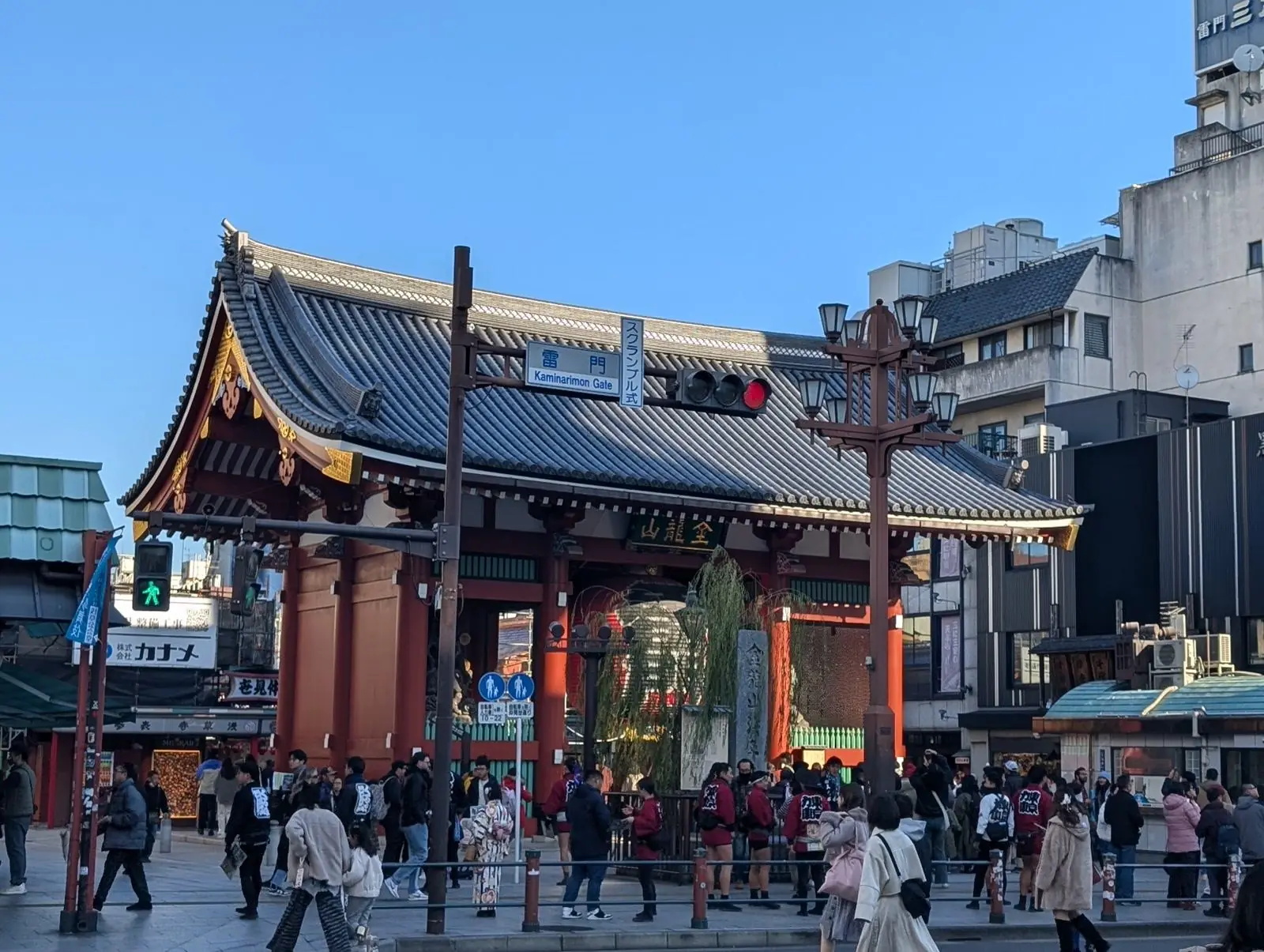
Every JR and Tokyo Metro station has dual English/Japanese signs, color-coded lines, and numbered station codes (e.g., Shibuya is JY20 on the Yamanote line). The station numbers are the easiest way to communicate routes when you don't know the Japanese names.
Practical tip: Screenshot your destination's station code (e.g., "JY28 — Shibuya") and show it to any train station staff. They'll point you to the right platform.
Suica/Pasmo IC cards: Get one at the airport — they're contactless prepaid cards that work on every train, bus, and many convenience stores. No language needed to use them.
Restaurants: The 3 Strategies
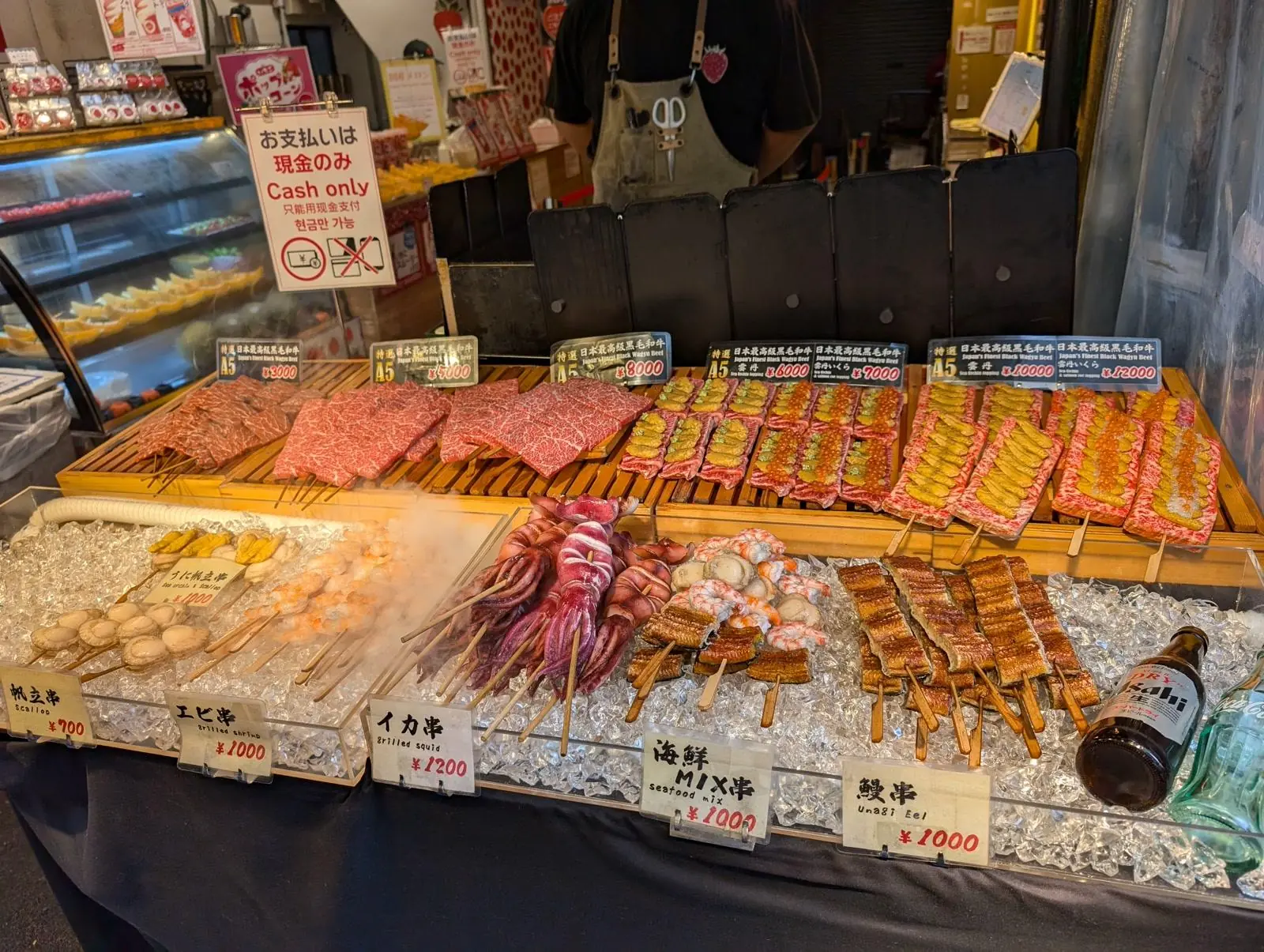
1. Point at plastic food displays. Many restaurants have plastic food samples in the window. Point at what you want when ordering. This is universally accepted.
2. Use the menu number. Most menus number each item. Just say the number ("ichi" = 1, "ni" = 2, "san" = 3, "yon" = 4, "go" = 5, "roku" = 6).
3. Google Translate the menu. Open camera mode and point at the Japanese text. The translation appears overlaid in English. This works for handwritten menus too.
Survival phrase: "Sumimasen, eigo no menu arimasu ka?" (Excuse me, do you have an English menu?). Many restaurants do have one but only bring it out when asked.
Shopping & Convenience Stores
Convenience stores (Family Mart, 7-Eleven, Lawson) are extremely tourist-friendly. You can buy hot food, basic toiletries, sandwiches, drinks — all without speaking a word of Japanese. The cashier may ask one or two yes/no questions; "ii desu" (it's fine) covers most situations.
Department stores: Tax-free counters exist in every major store. Bring your passport. Most clerks at the tax-free counter speak basic English.
Cash vs cards: Cards work in most chain restaurants, hotels, and department stores. Smaller restaurants and traditional shops still require cash. Carry ¥10,000-20,000 in cash at all times — see also my Tokyo on a budget guide.
Emergency Words to Know
- Sumimasen — "Excuse me / sorry" — the most useful word in Japanese
- Arigatou gozaimasu — "Thank you very much"
- Eigo wakarimasu ka? — "Do you understand English?"
- Toire wa doko desu ka? — "Where is the toilet?"
- Ikura desu ka? — "How much is it?"
- Tasukete kudasai — "Please help me"
- Byouin ni ikitai — "I want to go to a hospital"
When to Just Hire an English-Speaking Guide
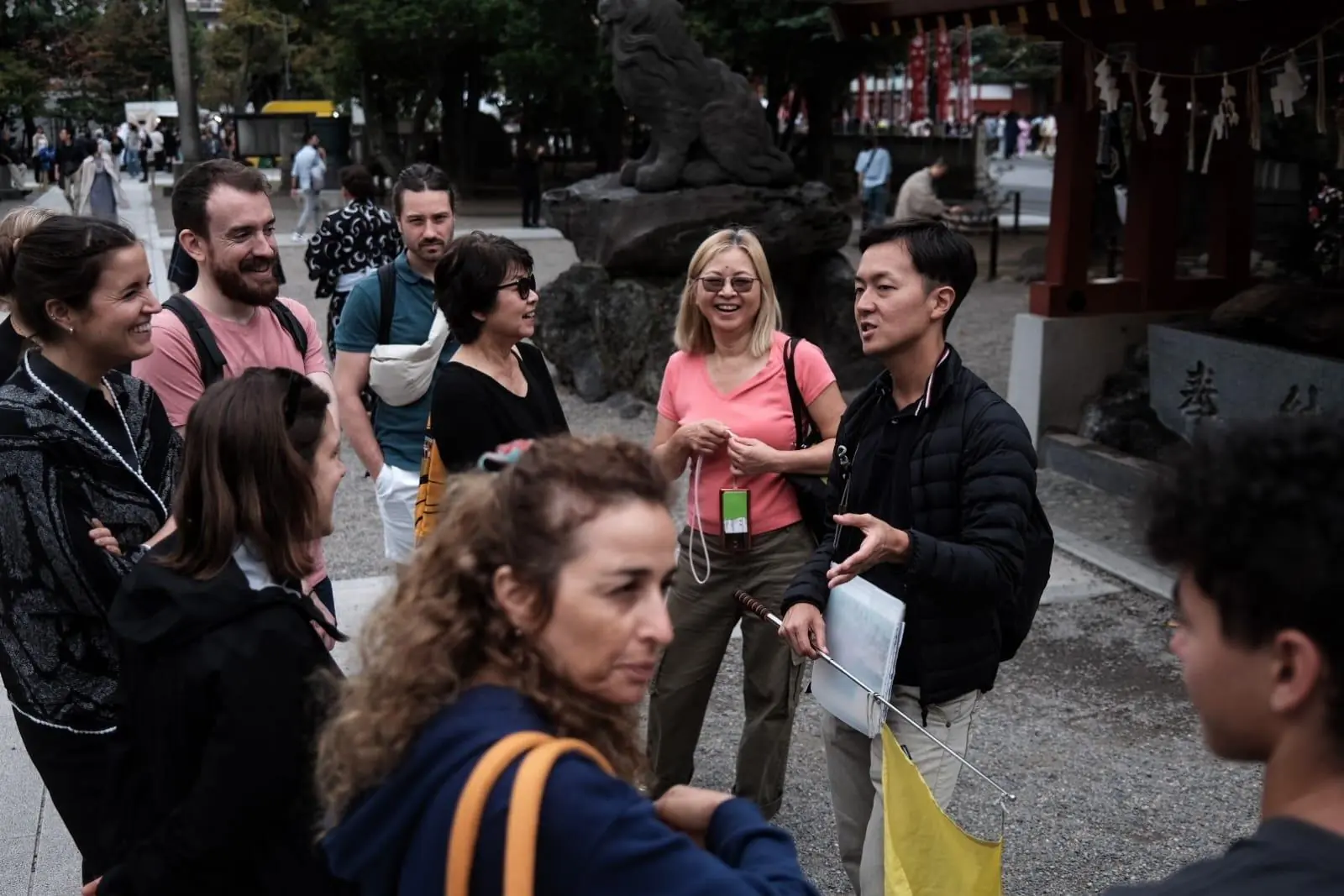
Most of Tokyo is doable with apps and patience. But there are specific situations where having a guide who fluently bridges English and Japanese genuinely changes the trip:
- Counter sushi or small izakaya where you want to interact with the chef
- Tea ceremonies or other cultural experiences with traditional hosts
- Medical or pharmacy visits (translation apps struggle with medical terms)
- Negotiating accommodation issues or hotel problems
- Day trips outside Tokyo where English drops off (Nikko, Hakone interior)
See my "is a guide worth it" breakdown for the cost-benefit math.
Frequently Asked Questions
Will most Tokyo restaurants have English menus?
Chain restaurants and tourist-area restaurants: yes. Small local restaurants: usually no, but Google Translate camera mode works on Japanese menus reliably.
Do taxi drivers speak English?
Generally no. Show drivers the destination in Japanese (Google Maps usually shows the Japanese name when you click), or use a hotel business card showing your destination.
Is the Japan Rail Pass purchase process in English?
Yes, fully. JR offices at airports and major stations have English-speaking staff specifically for tourists. See my JR Pass guide.
What if I have a medical emergency?
Call 119 for ambulance, 110 for police. Many hospitals in Tokyo have English-speaking doctors — your hotel concierge can direct you. The phrase "Eigo no isha imasu ka?" means "is there an English-speaking doctor?"