"We saw the big Buddha and then... weren't sure what else to do." I hear some version of this from about one in three clients who visited Kamakura before booking a tour with me. They went, they saw the Great Buddha, they walked around Tsurugaoka Hachimangu shrine, they ate lunch, and they came back to Tokyo feeling like they'd missed something. They were right. They had. Because Kamakura isn't a city with a few temples. It was Japan's military capital for 150 years, and that history is written into every hillside, every trail, and every stone statue that most day-trippers walk right past.
Here's my complete guide to planning a Kamakura day trip from Tokyo, including the honest answer to whether you need a guide for it.
What Kamakura Actually Is (Most Visitors Don't Know)
From 1185 to 1333, Kamakura was the seat of Japan's first military government, the Kamakura Shogunate. While the emperor remained in Kyoto as a figurehead (think of the relationship like the British monarch and the prime minister), the real power sat in Kamakura. The shoguns chose this location specifically because it's surrounded by mountains on three sides and the sea on the fourth, a natural fortress.
This geography shaped everything about Kamakura. The temples and shrines aren't randomly placed. They're positioned at strategic points in the mountain passes that controlled access to the city. The hiking trails that tourists walk today were military roads cut through the hills by samurai engineers. Even the Great Buddha's location makes strategic sense: it sat inside a massive wooden hall that served as both religious center and military landmark.
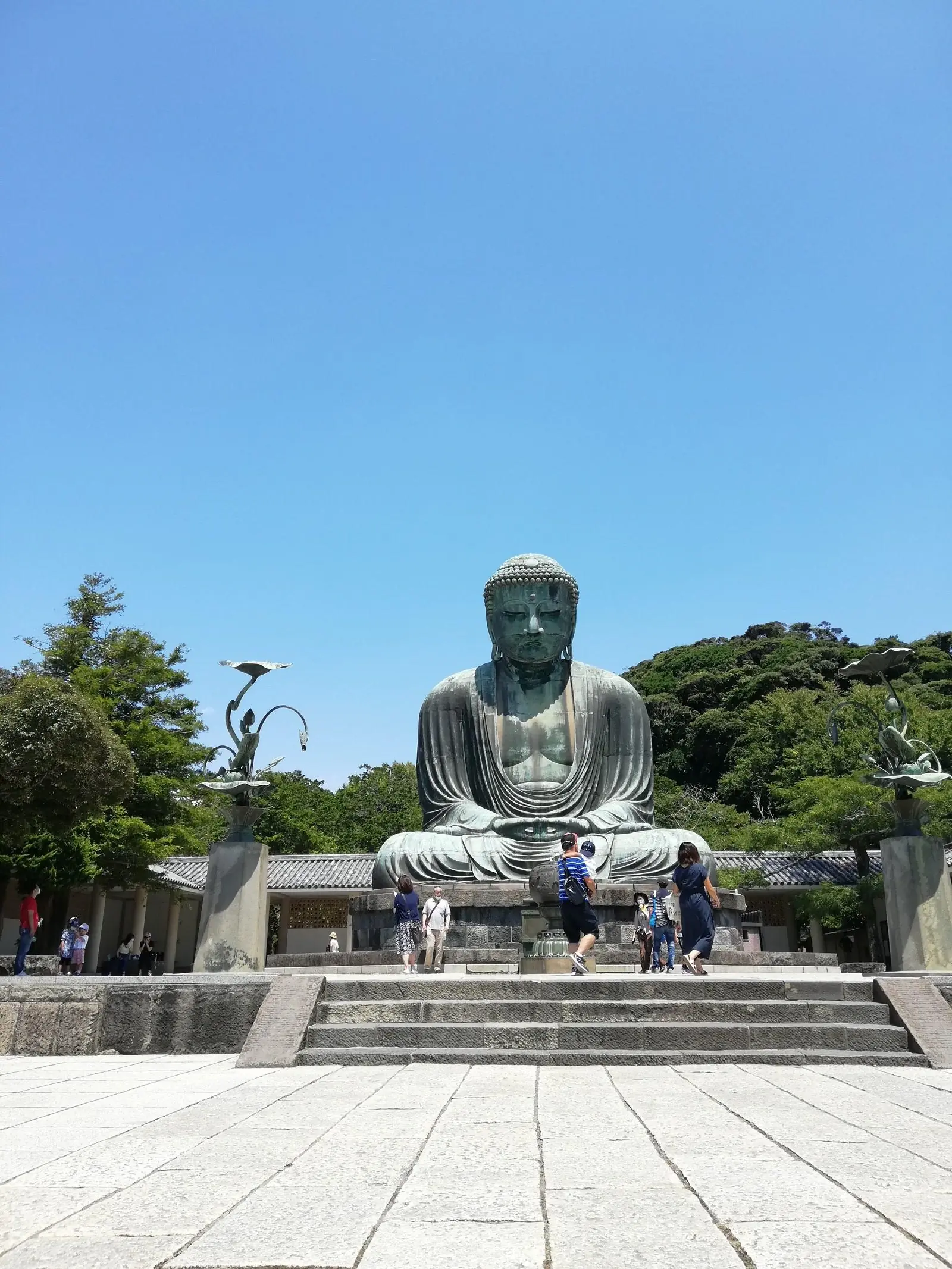
Understanding this transforms your Kamakura day trip from Tokyo. You're not just visiting temples. You're walking through the remains of a military capital that shaped Japanese history for centuries. The Buddha isn't just a statue; it's a survivor that lost its building to a tsunami in 1498 and has sat in the open air ever since. That's 500+ years of rain, earthquakes, and typhoons, and it's still there.
How to Get There from Tokyo
Kamakura is straightforward to reach, about 60 minutes from central Tokyo:
- JR Yokosuka Line from Tokyo or Shinagawa Station: Direct, about 55–60 minutes, around ¥950 one-way. This is the simplest option and covered by JR Pass. Arrives at Kamakura Station in the center of town.
- JR Shonan-Shinjuku Line from Shinjuku or Shibuya: Also direct, similar time, same price. More convenient if you're staying in western Tokyo.
- Enoden Railway (local): The charming local tram that runs from Kamakura Station to Enoshima along the coast. Not for getting TO Kamakura, but essential for getting around within the area. It passes through residential neighborhoods and runs right along the beach. A Kamakura day trip from Tokyo isn't complete without at least one Enoden ride.
What to See: Great Buddha, Engaku-ji, the Hiking Trails
Kotoku-in (The Great Buddha)
The 13-meter bronze Buddha is Kamakura's most famous attraction, and unlike many famous landmarks, it genuinely lives up to expectations. Cast in 1252, it originally sat inside a massive wooden hall. A tsunami in 1498 destroyed the building but left the Buddha standing, and it's been sitting in the open air ever since, weathering five centuries of elements with remarkable dignity. You can enter the hollow interior (¥50 extra) to see the centuries-old casting technique from the inside.
Tsurugaoka Hachimangu Shrine
Kamakura's most important shrine, founded by the first shogun Minamoto Yoritomo in 1180. The approach road (Wakamiya Oji) is a wide boulevard that runs from the beach to the shrine. It was designed as a ceremonial path and doubles as a defensive corridor. The shrine complex is extensive, with multiple buildings, a garden, and a museum. I explain the shrine to my clients as Kamakura's spiritual power center. Think of it as the White House chapel and the National Mall combined into one space.
Engaku-ji Temple
One of Kamakura's Five Great Zen Temples, Engaku-ji was founded in 1282 to honor those who died during the Mongol invasions. It's the first thing you see when arriving at Kita-Kamakura Station. Literally, the temple gate is across the street from the platform. The temple grounds are vast, peaceful, and far less crowded than the Great Buddha. During autumn foliage season, it's arguably the most beautiful spot in Kamakura.
The Hiking Trails
Kamakura's hiking trails are its most underrated feature. The Daibutsu Hiking Course connects Kita-Kamakura Station to the Great Buddha through forested hills, about 90 minutes of moderate walking through the same mountain passes that samurai once guarded. Along the way, you'll pass small temples hidden in the woods, stone markers, and viewpoints over the city. The trail is well-maintained but involves some steep sections and natural surfaces, so wear proper shoes.
The Honest Itinerary for One Day
Here's the Kamakura day trip from Tokyo itinerary I use with my clients:
- 8:30 AM: Depart Tokyo (JR Yokosuka Line)
- 9:30 AM: Arrive Kita-Kamakura → Engaku-ji Temple (1 hour)
- 10:30 AM: Daibutsu Hiking Course (90 minutes)
- 12:00 PM: Great Buddha at Kotoku-in (30–45 minutes)
- 12:45 PM: Lunch in Hase area (local soba or seafood)
- 2:00 PM: Hasedera Temple (30 minutes, excellent ocean views)
- 2:30 PM: Enoden to Kamakura Station → Tsurugaoka Hachimangu (1 hour)
- 3:30 PM: Komachi-dori shopping street (browsing, snacks)
- 4:30 PM: Return to Tokyo (arrive ~5:30 PM)
This itinerary covers Kamakura's highlights without rushing. Adjust based on your interests: skip the hiking trail if you prefer a more relaxed pace, or add Hokoku-ji's bamboo grove if you have extra time.
Do You Need a Guide for Kamakura?
Honest answer: Kamakura is easier to navigate independently than Nikko or Hakone, so you don't strictly need a guide. The trains are simple, the walking routes are well-marked, and the major temples have English signage. You can have a good Kamakura day trip from Tokyo on your own.
Where a guide makes a real difference:
- Historical context. The temples and shrines in Kamakura are deeply layered with political, military, and religious history. Without context, the Great Buddha is a photo op. With context, it's a 770-year-old survivor of tsunamis and earthquakes that tells the story of medieval Japan's relationship between power and faith.
- Hiking trail navigation. The trails are generally well-marked, but there are forks and side paths that lead to hidden temples most visitors miss. A guide knows which detours are worth taking.
- Weather pivots. If rain hits mid-day (common in Kamakura's coastal climate), a guide can restructure the itinerary on the spot, moving indoor visits forward, finding restaurants that enhance rainy-day atmosphere, and adjusting the hiking plan.
For more on day trip options, see my guides for Kawagoe and Nikko day trips from Tokyo.
If you're specifically weighing whether a guided tour is worth the extra spend vs going solo — including the hydrangea season logistics at Hasedera that catch most solo visitors off guard — I wrote a dedicated comparison: Kamakura Day Trip 2026: Guided Tour vs Going Solo.
Want a guided Kamakura day trip?
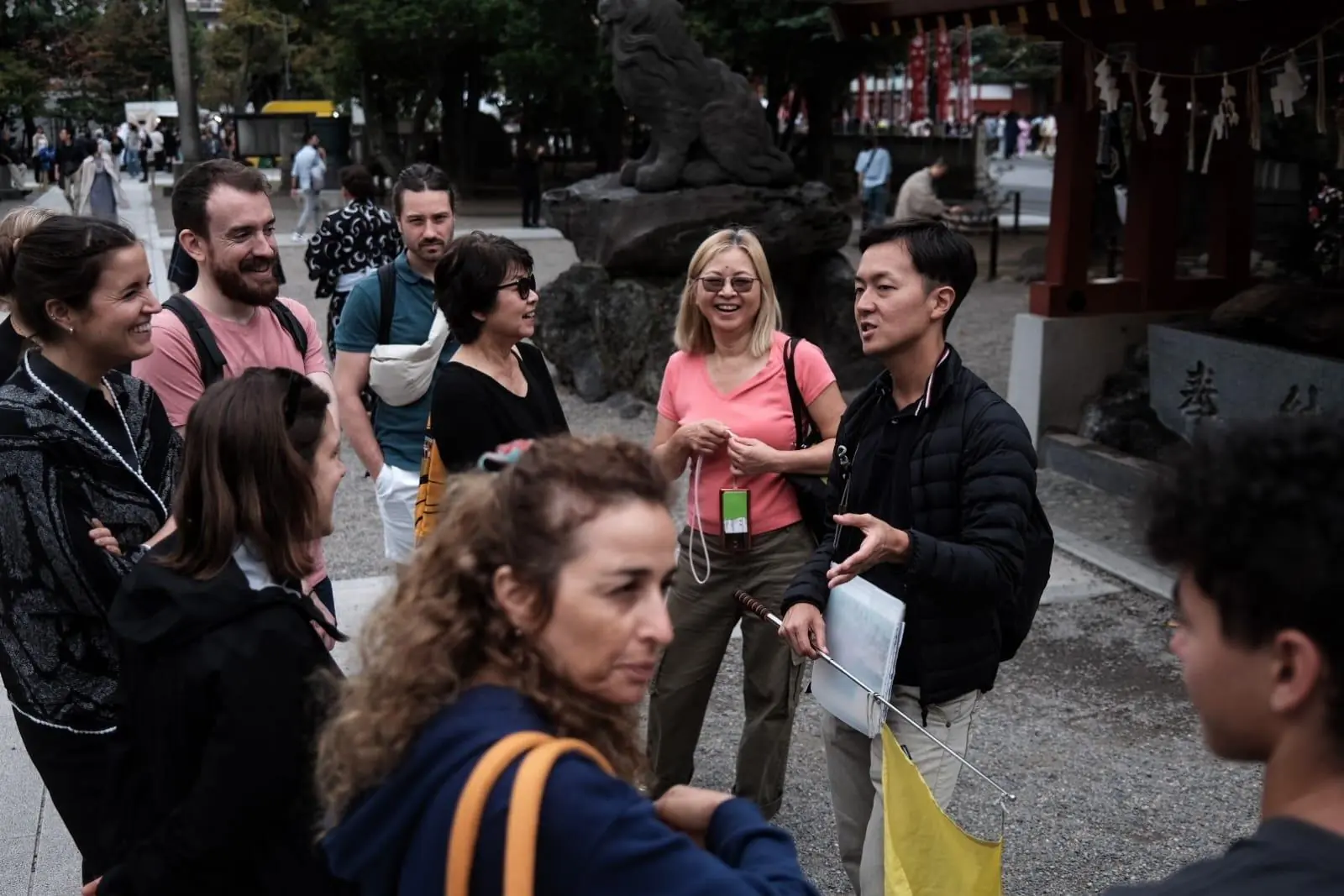
I offer full-day guided tours to Kamakura that bring the samurai history to life, navigate the hiking trails, and include restaurants I've personally chosen. Browse my tours or contact me to plan your day trip.
Frequently Asked Questions
How long does a Kamakura day trip from Tokyo take?
Plan for 7–8 hours total including transit (about 1 hour each way). You'll have 5–6 hours in Kamakura, which is enough to see the Great Buddha, 2–3 temples, do part of a hiking trail, and have lunch. Leaving Tokyo by 9 AM and returning by 5 PM is a comfortable schedule.
Is Kamakura better than Nikko for a day trip?
They're different experiences. Kamakura is closer (1 hour vs. 2 hours), more walkable, has hiking trails and a beach, and focuses on Zen Buddhism and samurai history. Nikko is farther but has Japan's most ornate shrine architecture and mountain scenery. Kamakura is better for active travelers; Nikko for those who want dramatic, elaborate temples.
Can I combine Kamakura with Hakone in one day?
Technically possible but not recommended. Both deserve a full day. Rushing through Kamakura in the morning and Hakone in the afternoon means seeing neither properly. If you have two day trip days, do each separately. If you only have one day, choose one based on your interests: temples and hiking (Kamakura) or hot springs and Mt. Fuji views (Hakone).
What should I eat in Kamakura?
Kamakura is known for shirasu (whitebait), a tiny translucent fish served raw or fried over rice. Try it at a restaurant near Hase or Yuigahama Beach. Soba noodles are also excellent; several shops near the Great Buddha have been serving handmade soba for decades. On Komachi-dori, sample matcha sweets and fresh dango (rice dumplings).