Thirty minutes. That's all it takes to get from the chaos of Ikebukuro Station to a street that looks like 1850s Japan. No bullet train ticket, no complex transfers, no full-day commitment. Just a direct train on the Tobu Tojo Line, and suddenly you're standing in front of clay-walled warehouses that Edo-period merchants built to protect their goods from fire, and that still stand today because they worked.
Kawagoe has been surging in popularity over the last two years. Search interest for "Kawagoe day trip from Tokyo" has grown roughly 900% year-over-year, but it's still far less crowded than Kamakura or Nikko. Most international visitors haven't heard of it. That's changing fast, and if you're planning a Tokyo trip in 2026, this is the day trip I'd put at the top of your list.
Here's everything you need to know to plan a Kawagoe day trip from Tokyo, from a guide who brings clients here regularly and keeps discovering new reasons to come back.
Why Kawagoe Is Called "Little Edo"
During the Edo period (1603–1868), Kawagoe was one of the most important castle towns near the capital. It supplied Edo (modern Tokyo) with goods via the Shingashi River, and its merchants grew wealthy from the trade. They built their warehouses in a fireproof style called kurazukuri: thick clay walls, heavy tile roofs, and iron-reinforced shutters. These buildings were designed to survive the fires that regularly destroyed wooden Japanese towns.
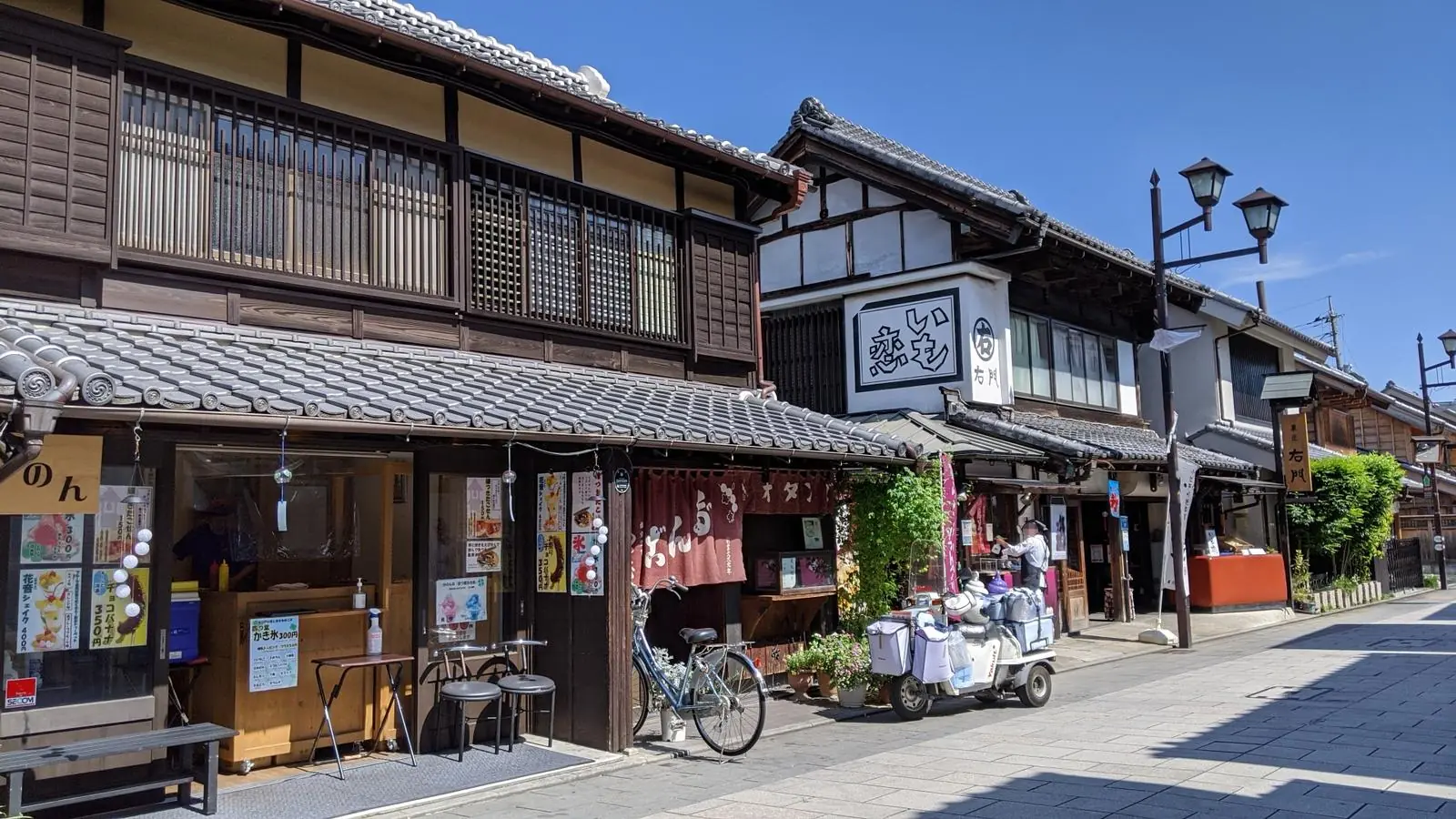
The irony is that while old Edo, the city these warehouses served, was almost completely destroyed by earthquake and firebombing, Kawagoe survived. Today, its warehouse district looks more like old Edo than anywhere in actual Tokyo. Walking down the main street is like stepping into a woodblock print. Two-story kurazukuri buildings line both sides, their dark clay walls and heavy wooden doors unchanged since the Meiji era.
I explain it to my clients this way: if you want to understand what Edo-period Tokyo actually looked like, the merchant streets, the commerce, the architecture, Kawagoe is the closest you'll get. Tokyo itself has moved on. Kawagoe remembered.
How to Get There (And Which Train to Take)
There are three ways to reach Kawagoe from central Tokyo, and the one you choose matters more than you'd think:
- Tobu Tojo Line from Ikebukuro (recommended): 30 minutes on the express (kyuko), about ¥480. Direct, simple, and deposits you at Kawagoe Station. This is the fastest option and the one I use with clients.
- Seibu Shinjuku Line from Seibu-Shinjuku Station: About 60 minutes on the express, ¥500. Note: this is NOT regular Shinjuku Station. It's a separate station a 5-minute walk north. Arrives at Hon-Kawagoe Station, which is actually closer to the warehouse district.
- JR Kawagoe Line from Shinjuku (via Saikyo Line): About 50 minutes, covered by JR Pass. Arrives at Kawagoe Station. Only choose this if you have a JR Pass and want to use it. Otherwise the Tobu Line is faster.
Guide's tip: The Kawagoe Discount Pass (¥700 from Tobu) gives you round-trip train fare plus unlimited bus rides in Kawagoe. It's worth it if you want to take the loop bus between the warehouse district and the temple area. If you're a walker, skip the pass. The whole town is comfortably walkable.
What to See: The Warehouse District, the Bell Tower, the Candy Lane
The Kurazukuri Warehouse District
This is the main attraction and the reason to make a Kawagoe day trip from Tokyo. About thirty kurazukuri warehouses line Ichibangai Street, most of them converted into shops, cafes, and galleries while keeping their original exteriors. The effect is like walking through a living museum. The buildings are genuine Edo-Meiji era structures, but they're functioning businesses, not exhibits behind glass.
Look for the details: the fireproof shutters that could be sealed during blazes, the family crests (kamon) carved above doorways, and the variations in wall thickness that tell you how wealthy each merchant was. The thicker the walls, the richer the family. Fire insurance measured in clay.
Toki no Kane (The Bell Tower)
Kawagoe's iconic wooden bell tower has been ringing the hours since the 1600s, and it still chimes four times daily (6 AM, noon, 3 PM, 6 PM). The current structure was rebuilt after a fire in 1893, but the tradition is unbroken. It's Kawagoe's symbol, and hearing it ring while standing among the warehouses is one of those moments where the centuries collapse and you feel genuinely connected to the past.
Kashiya Yokocho (Candy Lane)
A narrow alley of about twenty shops selling traditional Japanese sweets: handmade hard candies, rice crackers, karinto, and the famously oversized ¥200 lollipops that are a Kawagoe institution. This isn't a tourist fabrication; Kawagoe has been a candy-making center since the Meiji era, when Tokyo's great fire of 1923 disrupted the capital's candy industry and Kawagoe stepped in to fill the gap. The shops here are the descendants of that era.
Kitain Temple
Often overlooked by day-trippers focused on the warehouse district, Kitain is one of the most historically significant temples in the Kanto region. It contains the only surviving rooms from the original Edo Castle, moved here in the 1600s after a fire destroyed the castle. This means you're walking through rooms where Tokugawa Iemitsu, the third shogun, was born. Let that sink in: the rooms are gone from Tokyo, but they exist in Kawagoe. Kitain also has 540 unique stone rakan (disciple) statues, each with a different facial expression. Finding the one that "looks like someone you know" is a beloved tradition.
What to Eat in Kawagoe (Sweet Potato Everything)
Kawagoe's signature ingredient is the sweet potato (satsumaimo), and the town has turned this humble root vegetable into an art form. You'll find sweet potato everything: chips, ice cream, beer, coffee, croquettes, cheesecake, tarts, and the traditional imo-kenpi (candied sweet potato sticks). The local variety, Kawagoe imo, has been cultivated here since the Edo period.
My clients' favorites: fresh-roasted sweet potatoes from street vendors (best in autumn/winter), sweet potato soft-serve from the shops on Kashiya Yokocho, and the sweet potato chips that are addictively good. For lunch, try unagi (grilled eel). Kawagoe is a historic eel-eating town, and several restaurants near the warehouse district have been serving it for generations.
In my tours, I always schedule time for eating in Kawagoe because the food culture here is different from Tokyo: slower, more traditional, and deeply connected to the local agriculture. It's a taste of how Japan ate before convenience stores and chain restaurants.
Kawagoe vs. Nikko vs. Kamakura: Which Day Trip Is Right for You?
I get asked this constantly, so here's my honest comparison for anyone planning a Kawagoe day trip from Tokyo vs. the other popular options:
- Kawagoe: 30 minutes from Tokyo, focuses on merchant culture and Edo-period architecture, excellent food scene, walkable, half-day possible. Best for: travelers who want an easy, relaxed day trip with genuine historical atmosphere without the physical demands of hiking or the logistical complexity of distant destinations.
- Kamakura: 60 minutes from Tokyo, focuses on temples and the Great Buddha, has hiking trails and a beach. Best for: travelers who want a mix of culture, nature, and active exploration. More crowded than Kawagoe.
- Nikko: 2 hours from Tokyo, focuses on Tosho-gu Shrine (one of Japan's most ornate), natural scenery, and waterfalls. Best for: travelers who want dramatic, lavish shrine architecture and don't mind the longer commute. Full-day commitment.
If you have time for only one day trip, Kamakura is the "safe" choice because it has the most variety. But if you want something less crowded, more food-focused, and genuinely surprising, Kawagoe is the smart pick. And if you have two day trips, pair Kawagoe (half-day) with Kamakura or Nikko (full-day) to cover both merchant culture and samurai/religious culture.
Want a guide for your Kawagoe day trip?
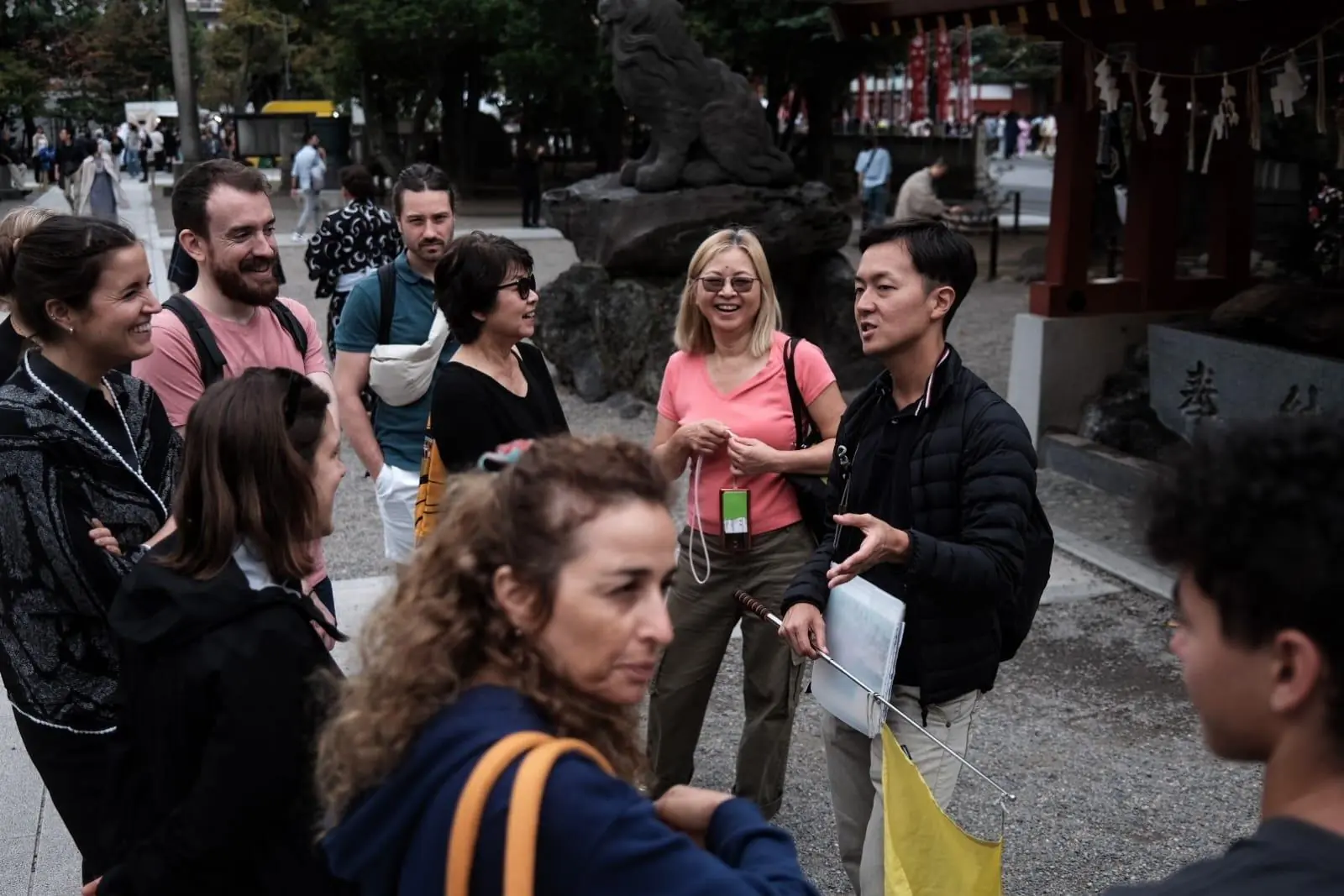
I offer custom day trips to Kawagoe where I bring the merchant history to life, navigate the food scene, and take you to spots that most visitors walk right past. Get in touch to plan your trip.
Frequently Asked Questions
How long do I need for a Kawagoe day trip from Tokyo?
A half day (4–5 hours including transit) covers the warehouse district, bell tower, and Candy Lane comfortably. A full day (6–8 hours) lets you add Kitain Temple, explore backstreets, and eat without rushing. Most of my clients do a half-day visit and feel satisfied.
Is the JR Pass valid for getting to Kawagoe?
Yes, the JR Kawagoe Line covers the route from Shinjuku (via Saikyo Line) to Kawagoe Station. However, the Tobu Tojo Line from Ikebukuro is faster and not covered by JR Pass. Unless you're actively using the JR Pass that day, the Tobu Line is the better choice.
When is the best time to visit Kawagoe?
Weekday mornings are ideal for avoiding crowds. Autumn (October–November) is perfect for weather and sweet potato season. The Kawagoe Festival in mid-October, one of Japan's most impressive float festivals, is spectacular but draws massive crowds. Spring and winter are also fine; summer is hot but manageable.
Is Kawagoe worth visiting if I'm already going to Kamakura?
Yes, they're completely different experiences. Kamakura is about temples, nature, and the Great Buddha. Kawagoe is about merchant culture, Edo-period architecture, and food. They complement each other perfectly. Many of my clients do both on different days and say Kawagoe was the unexpected highlight.