Quick answer
Most fit, well-prepared adults can climb Mt. Fuji without a guide — but book a mountain hut and don't do it overnight in one push.
The 2026 season runs July 1 to September 10, and every climber on all four trails must reserve online and pay a ¥4,000 entry fee in advance. Fuji is a strenuous walk, not a technical climb, so a guide is optional for experienced hikers.
Book a guided climb if it's your first mountain, you're worried about altitude sickness, or you'd struggle with a hut stay where little English is spoken. The real danger isn't the terrain — it's altitude and weather turning fast.
Every July and August I get the same message from guests: "Can I climb Mt. Fuji on my own, or do I need a guide?" It's a fair question, and the honest answer isn't a simple yes or no. I've climbed the Yoshida route myself and helped guests plan their ascent — booking huts, timing the sunrise — and the right call depends entirely on who's asking.
As a licensed guide, I'd rather tell you the truth than sell you a climb you don't need. This article covers the 2026 season dates, the new reservation and fee rules that catch a lot of people off guard, and my honest line on when to climb solo and when to go guided.
When Mt. Fuji Is Open in 2026 — and Which Trail to Pick
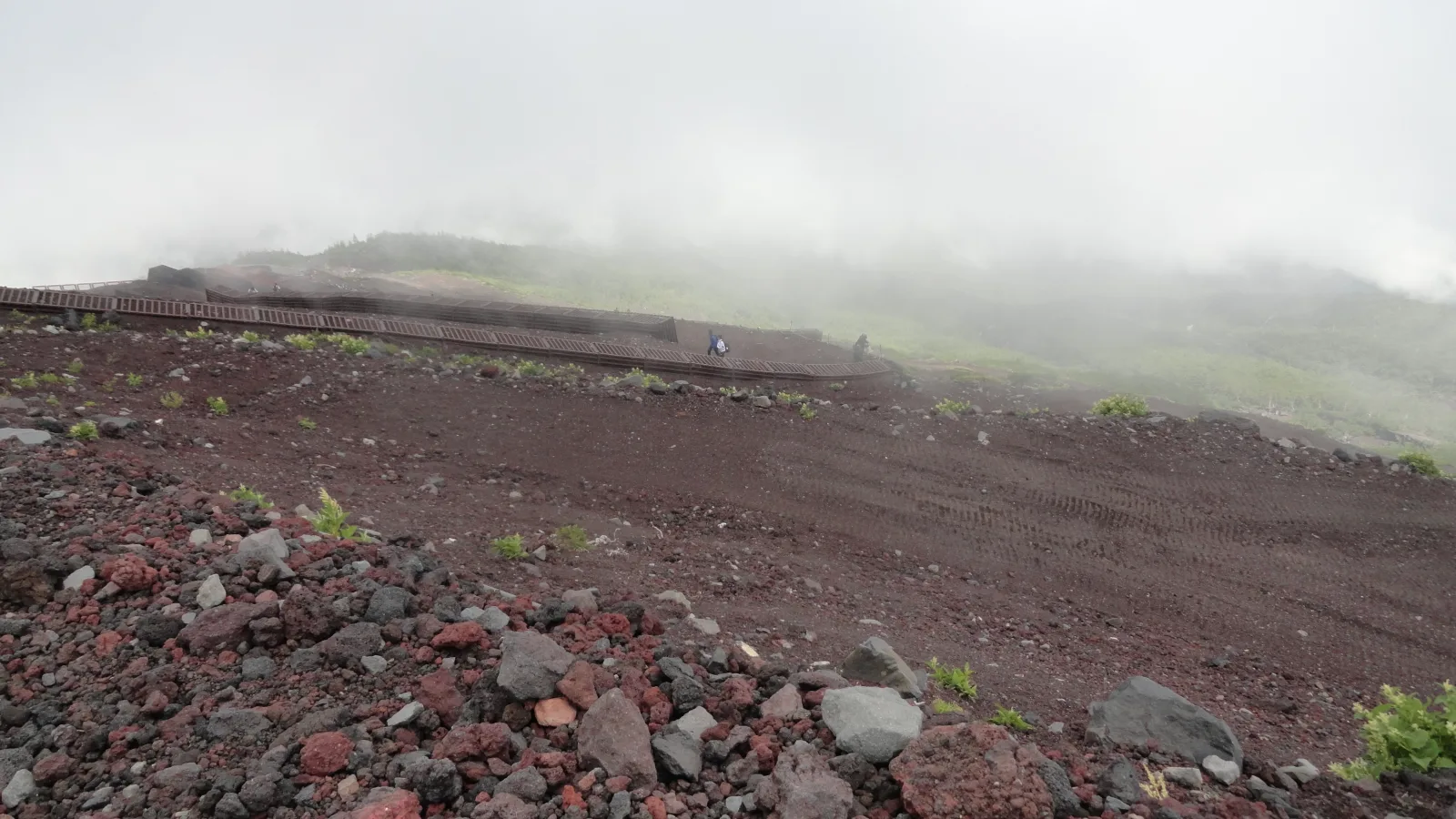
Mt. Fuji is only open to climbers for about ten weeks a year. Outside that window the mountain huts are shut, the weather is dangerous, and the official trails are closed. For 2026, the season runs from early July to September 10, with slightly different opening dates depending on the trail.
| Trail | 2026 open | Best for |
|---|---|---|
| YoshidaMost popular | Jul 1 – Sep 10 | First-timers: most huts, easiest access from Tokyo |
| Subashiri | Jul 1 – Sep 10 | Quieter, forested lower section |
| Fujinomiya | Jul 10 – Sep 10 | Shortest route, from the Shizuoka side |
| Gotemba | Jul 10 – Sep 10 | Longest, hardest — experienced hikers only |
For almost everyone climbing from Tokyo, the answer is the Yoshida Trail. It has the most mountain huts, the best-marked path, and the simplest access — a direct bus from the Fuji Five Lakes area to the 5th Station, where the climb begins. It's also the only route with a daily climber cap, which I'll come to next.
If you're a first-time climber, don't overthink the trail choice — take Yoshida. The other routes have their charms, but they have fewer huts and less support, which matters more than the scenery when you're tired at 3,000 metres.
The 2026 Rules That Catch People Off Guard
Fuji's climbing rules have changed a lot in the last two seasons, and out-of-date advice is everywhere online. Here's what actually applies in 2026.
Every climber must reserve online and pay a ¥4,000 entry fee in advance — on all four trails, not just Yoshida. You complete the reservation and payment before you arrive, and you're issued a QR-code permit that you show at the trailhead gate. There is no paying on the day at the same rate; the online reservation is the system now.
| Rule (2026) | Detail |
|---|---|
| Entry fee | ¥4,000 per climber, all four trails, mandatory |
| Reservation | Online in advance → QR-code permit shown at the gate |
| Yoshida daily cap | 4,000 climbers per day (other trails: no cap) |
| Gate hours | Trailheads closed 2:00 PM – 3:00 AM, except hut guests |
That last rule is the important one, and it's why I steer so many people away from a plan they arrive with. The trailhead gates are closed from 2:00 PM to 3:00 AM to anyone who hasn't booked a mountain hut. This exists specifically to stop dangan tozan — "bullet climbing," where people climb through the night in a single push to save the cost of a hut.
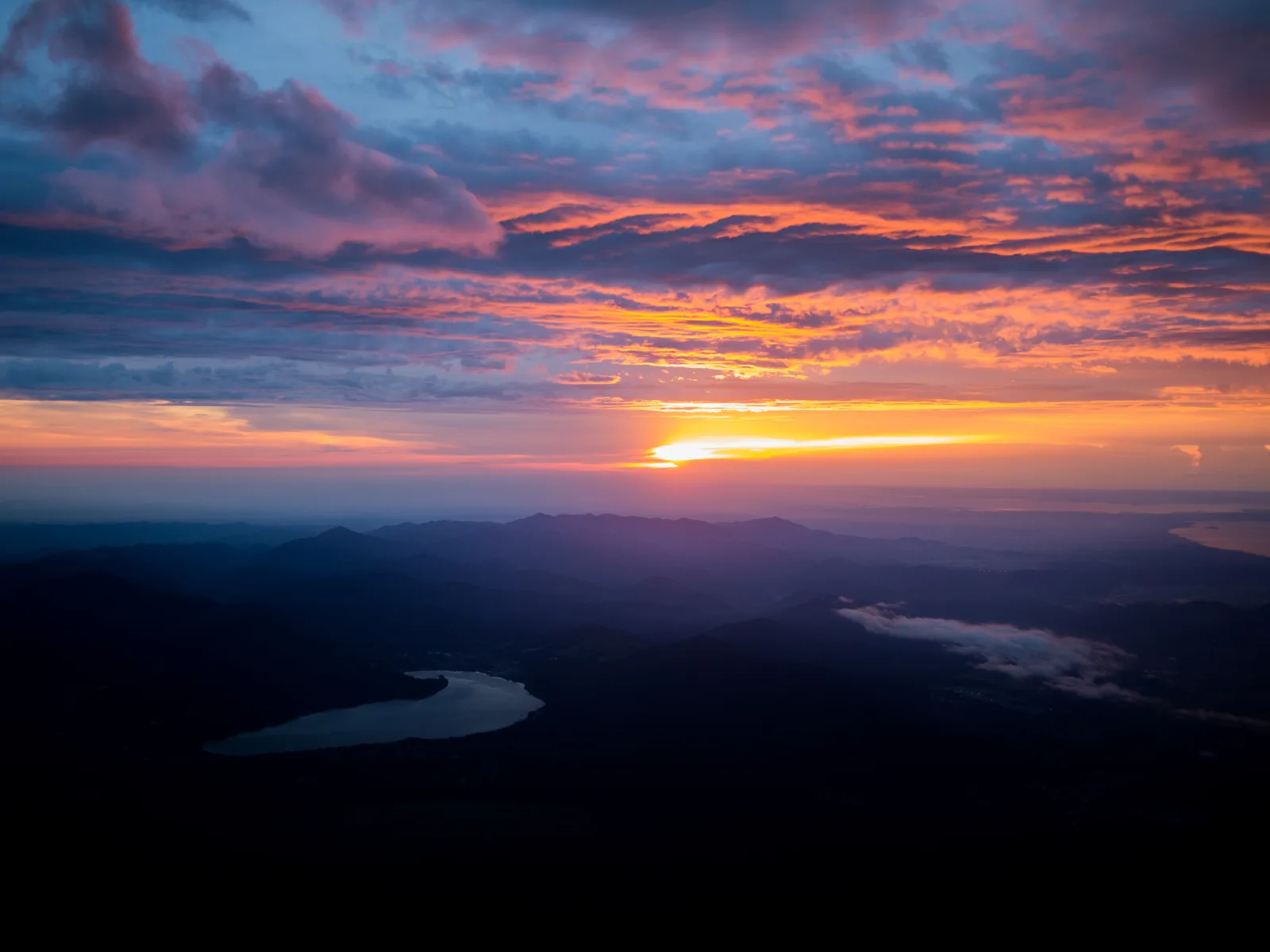
I understand the temptation — a hut adds cost and the summit sunrise is the goal. But bullet climbing is exactly how altitude sickness and exhaustion turn a hard walk into a genuine emergency. Book a hut, sleep partway up, and climb to the summit for sunrise the next morning. Guests who do it this way come back happier and safer, every time.
Always confirm the current fee and reservation system on the official Mt. Fuji climbing website before you book — these rules have changed every year lately.
Who Should Climb Solo — and Who Shouldn't
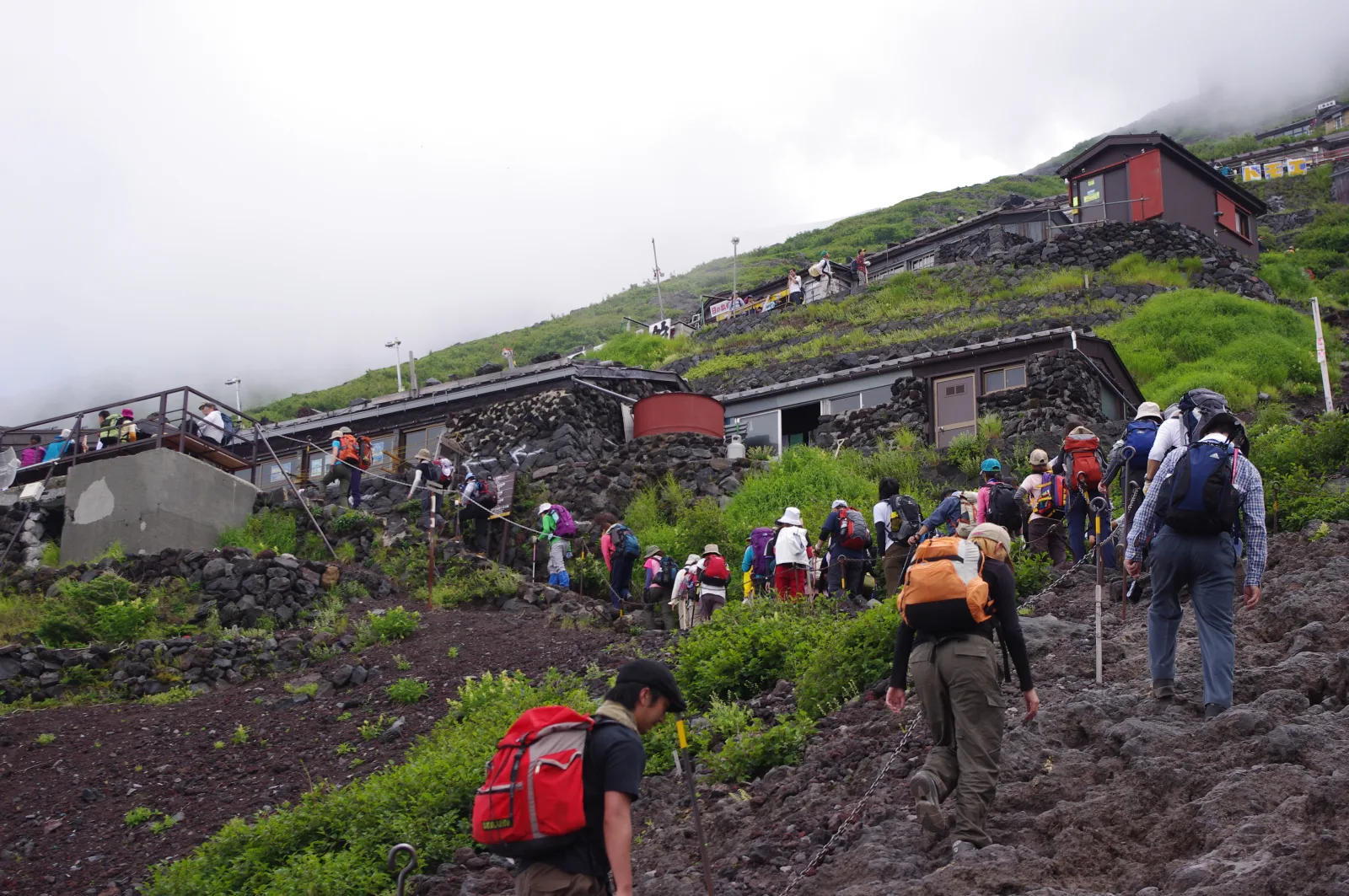
Here's the key thing to understand: Mt. Fuji is not a technical mountain. There's no climbing gear, no ropes, no scrambling — it's a long, steep, rocky walk on a well-marked trail. That's why plenty of people climb it independently every season. What makes Fuji hard is the altitude (3,776 m at the summit), the thin air, and how fast the weather changes. That's the lens I use when a guest asks whether they need a guide.
Solo is fine
You can climb without a guide if…
- You have hiking experience and reasonable fitness
- You'll book a mountain hut and climb over two days
- You're comfortable managing your own pace for altitude
- You can handle a hut stay with limited English
- You've checked the forecast and will turn back if it breaks
Go guided
Consider a guide or tour if…
- This is your first real mountain climb
- You're worried about altitude sickness
- The logistics (permit, hut, buses) feel overwhelming
- You want someone to set a safe pace and watch for warning signs
- The reassurance is worth more to you than the cost
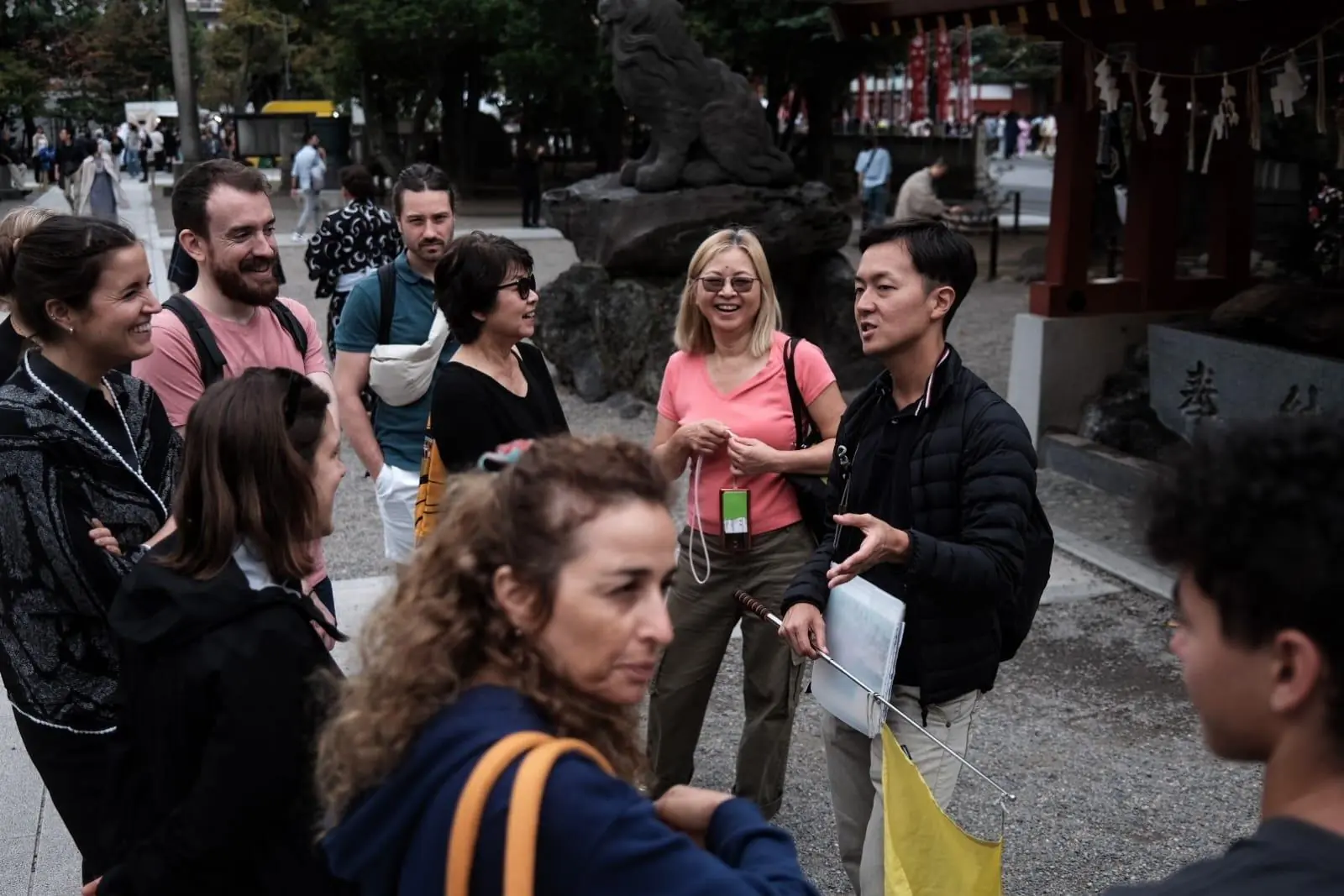
A guide on Fuji isn't there to navigate a difficult route — the path is obvious. A good guide manages your pace so you acclimatise, watches for early altitude sickness, handles the hut and permit logistics, and makes the call to turn back if the weather turns. For an experienced hiker, none of that requires paying someone. For a nervous first-timer, it can be the difference between a summit sunrise and a miserable night.
If You'd Rather Not Climb: How to Experience Fuji
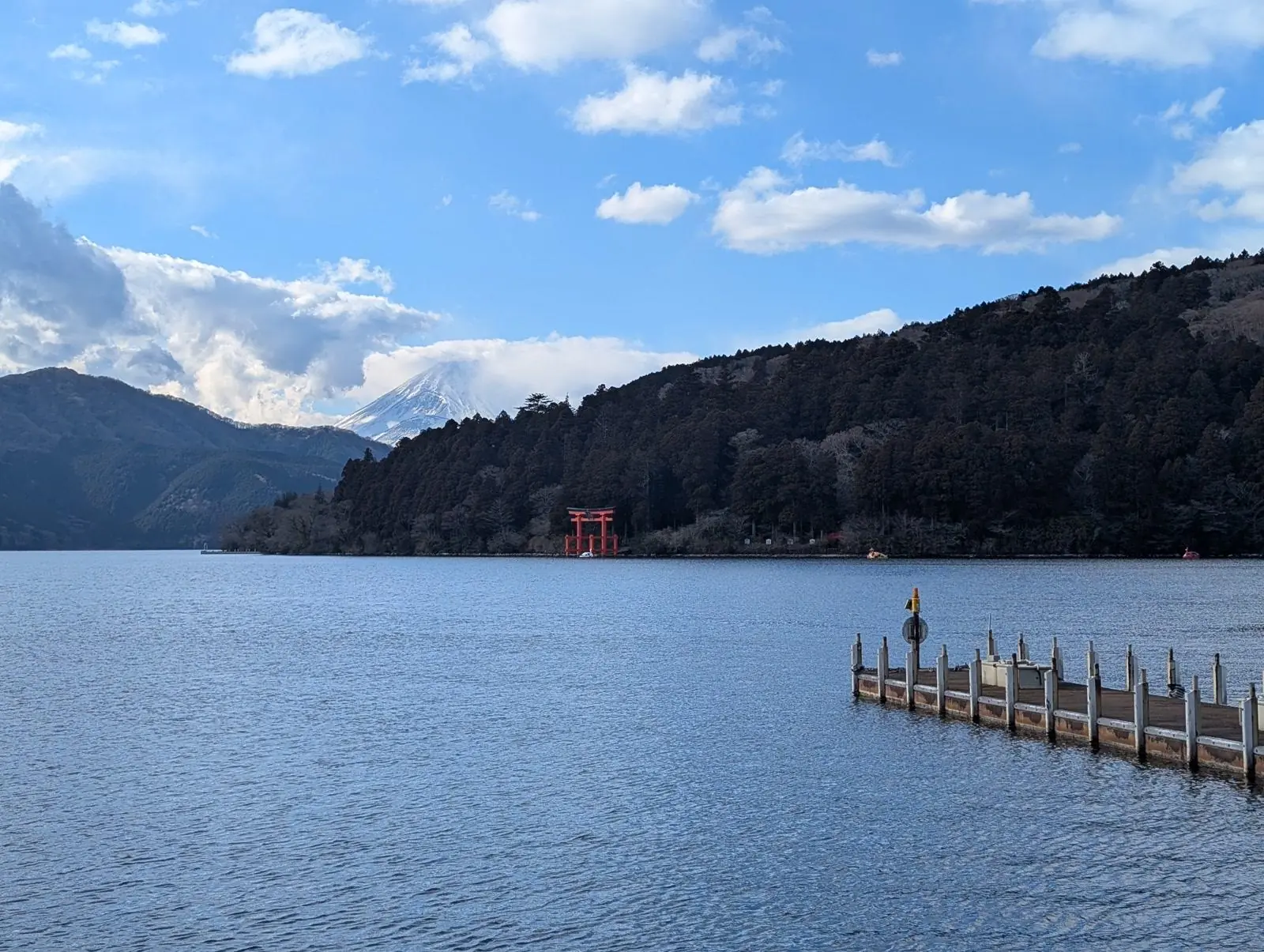
Here's something I tell a lot of guests: the best view of Mt. Fuji is not from the top of Mt. Fuji. From the summit you're standing on the mountain, so you can't see its famous silhouette at all. If what you actually want is the iconic cone reflected in a lake or framing a pagoda, you don't need to climb anything.
The climb is a physical challenge and a personal achievement — worth it for the right person. But if you're on the fence, or travelling with people who can't do a two-day mountain ascent, the viewing options are gorgeous and far easier:
- For the north-side lake-and-pagoda classics, see my guide to seeing Mt. Fuji from Tokyo.
- Deciding between the two easiest bases for Fuji views? My Kawaguchiko vs Hakone comparison breaks it down.
- Timing matters more than most people realise — the best time to visit covers when Fuji is most likely to be visible.
And remember the irony of the climbing season: July and August are Fuji's worst months for visibility from a distance — humid, hazy, and often cloud-wrapped. The climbers on the mountain and the photographers at the lakes want completely different weather.
Frequently Asked Questions
When is the Mt. Fuji climbing season in 2026?
The 2026 season runs July 1 to September 10 for the Yoshida and Subashiri trails, and July 10 to September 10 for the Fujinomiya and Gotemba trails. Outside this window the huts are closed and climbing is dangerous and officially discouraged.
Do you need a permit or reservation to climb Mt. Fuji?
Yes. In 2026 every climber on all four trails must reserve online in advance and pay a ¥4,000 entry fee, which produces a QR-code permit shown at the trailhead. The Yoshida Trail also has a daily cap of 4,000 climbers.
Do I really need a guide to climb Mt. Fuji?
No — Fuji is a strenuous walk on a marked trail, not a technical climb, so experienced hikers can do it independently. Consider a guide if it's your first mountain, you're worried about altitude, or the permit-and-hut logistics feel overwhelming.
Can I climb Mt. Fuji overnight without staying in a hut?
No. To curb "bullet climbing," the trailhead gates are closed from 2:00 PM to 3:00 AM to anyone without a mountain-hut reservation. Book a hut, sleep partway up, and climb to the summit for sunrise — it's both safer and more enjoyable.
Is climbing Mt. Fuji worth it, or should I just see it from a distance?
The climb is a personal achievement, but you can't see Fuji's famous shape from its summit. If your goal is the iconic view, the lakes and viewpoints are far easier and more photogenic. If the goal is the challenge and the sunrise, the climb delivers.