Quick picks
If it's raining, switch to indoor markets, museums, or depachika. Don't try to push through outdoor temples in the rain.
Tokyo has more indoor depth than any other Japanese city — entire neighborhoods are connected by underground passages, the museums are world-class, and the department store food floors are a 2-hour experience in themselves.
Three places are actually better in the rain: Yanaka Cemetery, Meiji Shrine forest, and Hakone Open-Air Museum if you're already there. The rest is about finding the right indoor pivot.
Tokyo's rainy season (tsuyu) runs roughly mid-June to mid-July, and typhoon season runs August-October. But rain can happen any month. The good news is Tokyo is built for it — sub-station underground passages connect entire neighborhoods, almost every major attraction has covered approaches, and many things people travel to Tokyo for are actually better indoors anyway.
This is the rainy-day playbook I run when guests ask "can we still do something today?" The answer is almost always yes — with the right pivot.
Quick Picks: 14 Things That Work in the Rain
- Ameyoko market arcade (Ueno) — covered shopping street
- Tsukiji Outer Market — many stalls are covered; see my Tsukiji guide
- Tokyo National Museum (Ueno) — Japan's largest, easy half-day
- teamLab Planets / Borderless — fully indoor, world-famous
- Shibuya Sky observation deck — indoor lower level even if outdoor closed
- Department store depachika — food-floor exploration; see #5 below
- Yanaka Cemetery walk — see #6 below, genuinely better in light rain
- Tokyo Skytree complex — observation + Solamachi mall
- Edo-Tokyo Museum — when reopened, the city's history palace
- Ghibli Museum — book ahead, indoor wonderland
- Mori Art Museum (Roppongi) — contemporary art + city view
- National Museum of Western Art — Le Corbusier building alone is worth it
- Origami Kaikan — workshops in a quiet building
- Onsen / sentō day trip — covered in section 7
Indoor and Covered Markets
Ameyoko (Ueno). An open-air market under elevated train tracks, so much of it is naturally covered. About 400 shops selling fresh fish, dried goods, clothing, and street food. A great rainy-day stop because you can walk for hours without getting wet.
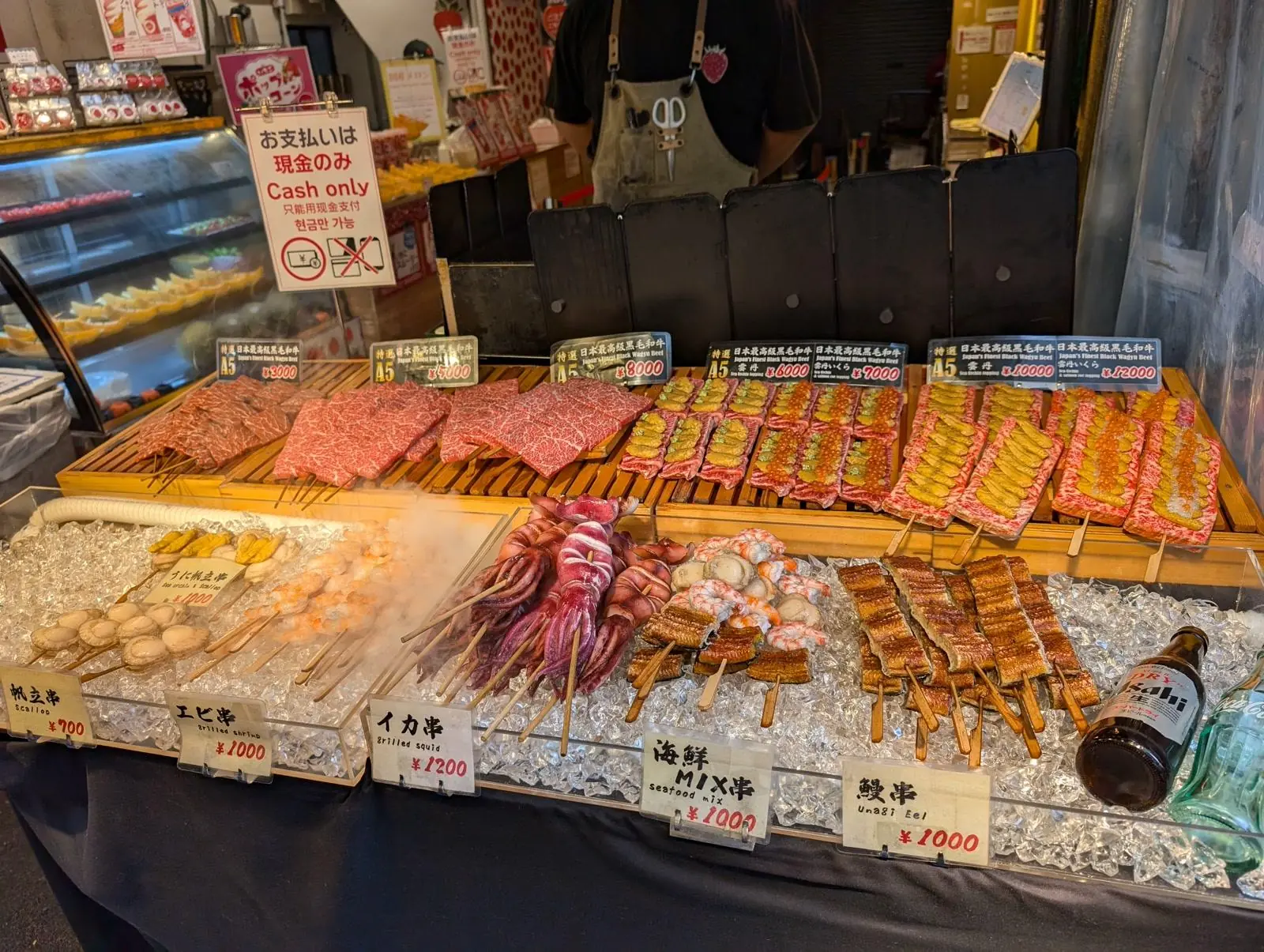
Tsukiji Outer Market. Many stalls have awnings or are inside small buildings. The covered arcade sections are easy to navigate in the rain. Most of the food stalls operate regardless of weather.
Yanaka Ginza. Covered shotengai (shopping street) with old-school Tokyo charm. See my Yanaka walking route — the cemetery part works in light rain, the Ginza part covers you.
Museums Worth the Rainy Day
Tokyo's museum density is excellent. A few standouts:
Tokyo National Museum (Ueno). Japan's largest museum with the most important historical collection — samurai armor, Buddhist sculpture, ukiyo-e prints. Easy half-day. English audio guides excellent.
Mori Art Museum (Roppongi). Contemporary art with rotating exhibitions, plus a 360-degree city observation deck on the same ticket. Two attractions in one building.
teamLab Planets (Toyosu). Immersive digital art installation. Book ahead — sells out routinely. Fully indoor, but you walk through water installations so wear shorts or roll up your pants.
Edo-Tokyo Museum. Reopened on March 31, 2026 after a four-year renovation. An unmatched look at the history of Tokyo as a city, with a full-scale recreation of the Edo-period Hattori Watch Shop and new large-scale screens recreating Edo and modern Tokyo skies.
Observation Decks (Indoor Levels)
Tokyo Skytree. Two observation levels (350m and 450m), both fully enclosed. Even in rain, the dynamic clouds and weather create dramatic views. Tokyo Solamachi at the base is a full shopping/dining mall.
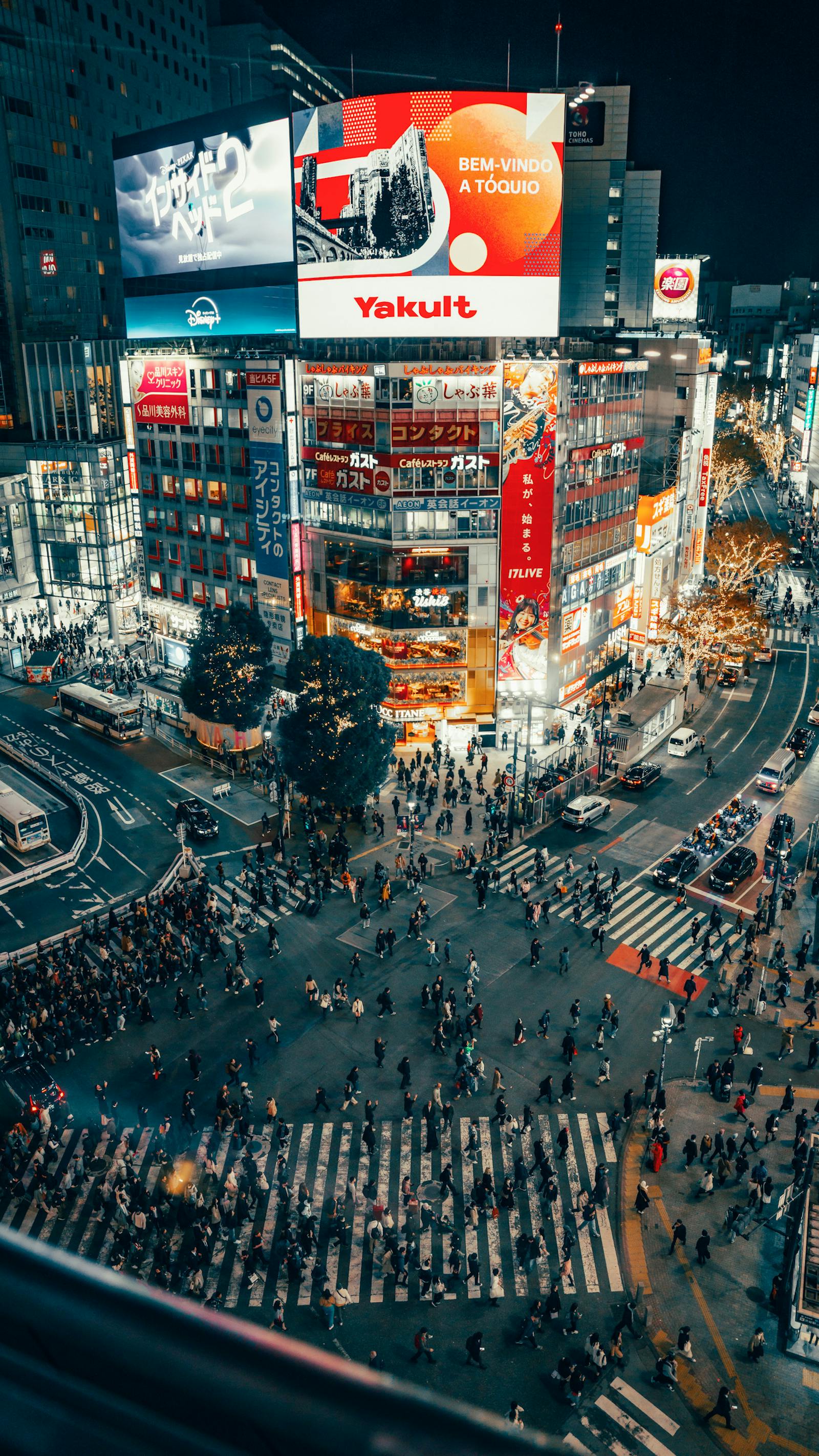
Shibuya Sky. Indoor lower level remains open even when the outdoor roof closes for weather. Worth visiting for the Shibuya Crossing aerial view alone.
Tokyo Tower Top Deck. Smaller and less visited than Skytree. Indoor views over Tokyo. Worth it as a quieter alternative.
Depachika: Department Store Food Floors
This is a uniquely Japanese rainy-day activity. The underground food floors of major department stores — Isetan Shinjuku, Mitsukoshi Nihonbashi, Takashimaya in Shinjuku and Nihonbashi — are dense gourmet markets selling everything from foie gras to handmade mochi.
Spend two hours wandering, sampling, and assembling a picnic-style lunch you can take back to your hotel. The Takashimaya in Shinjuku alone has 100+ food vendors. The quality is consistently excellent, the air conditioning is welcome, and you'll see how Tokyo's middle class eats.
Depachika is more interesting than half the museums on most "Tokyo top 10" lists, and tourists rarely find their way down.
Three Places That Are Actually Better in the Rain
1. Yanaka Cemetery. The atmospheric cemetery walk that's part of my Yanaka route takes on a different quality in light rain. The stone lanterns and cherry trees are quieter, the photography is more cinematic, and the small temples nearby become cozier refuges.
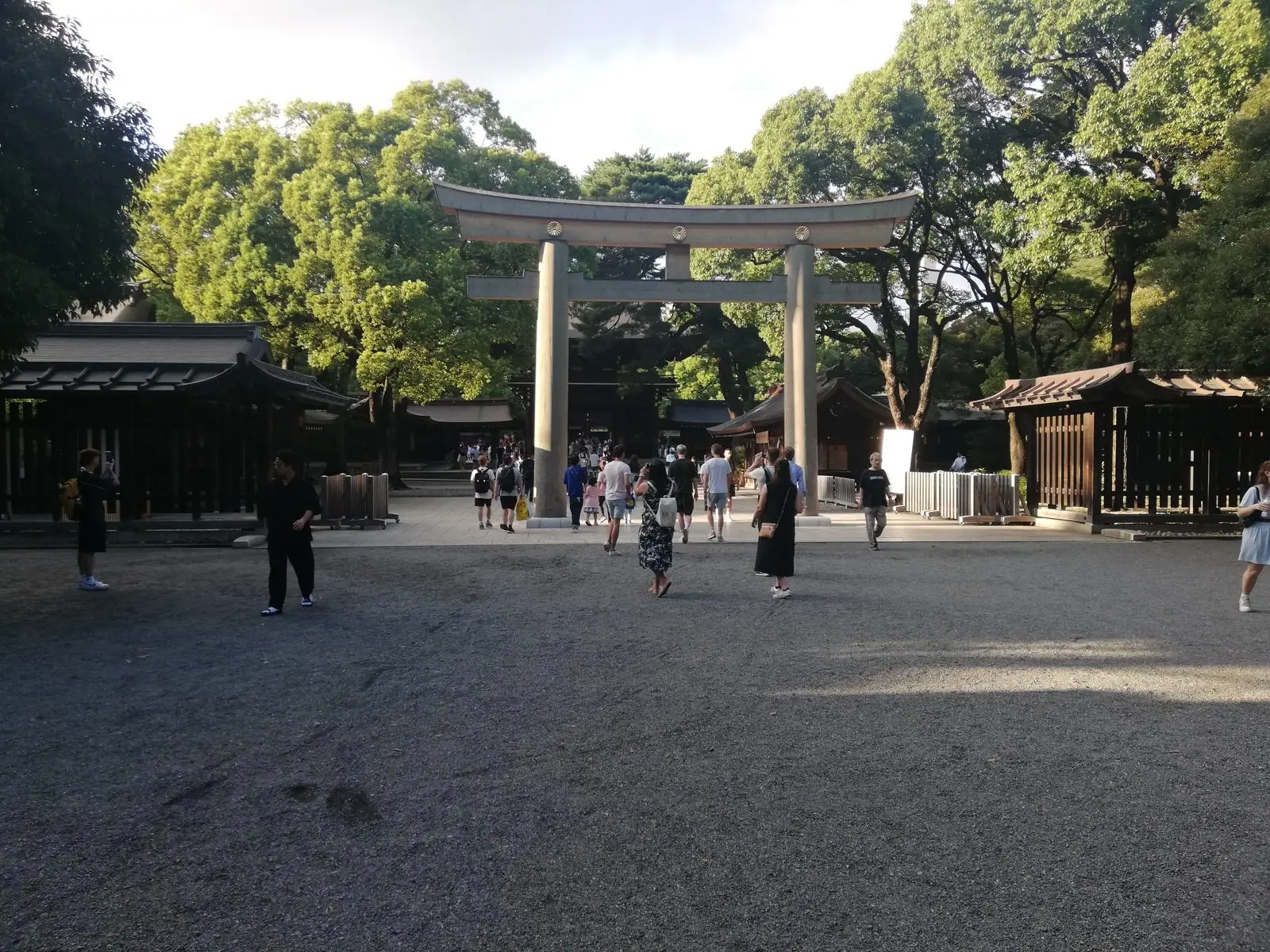
2. Meiji Shrine forest. The forest approach to Meiji Shrine is dense, dark, and otherworldly in rain. The torii dripping with water, the gravel path leading deeper into the forest, the muted sounds — it's a more contemplative experience than the bright clear-day version.
3. Hakone Open-Air Museum (if you're already there). The Picasso pavilion is indoor, but the outdoor sculptures look different in the rain — more reflective surfaces, fewer crowds, and a Mt Fuji that occasionally breaks through the cloud cover dramatically.
Onsen as Plan B
Rainy days are the best days for onsen. The contrast between cold rain and hot water is the point of the experience. Tokyo has several day-trip onsen options:
Spa LaQua (Tokyo Dome). Central, easy to reach, multiple baths in a hot spring building.
Note: The famous Oedo-Onsen Monogatari in Odaiba permanently closed in September 2021 — guidebooks still list it incorrectly. For a similar day-trip onsen, head to Spa LaQua at Tokyo Dome (above) or to Hakone (below).
Hakone day trip. If you're committed to an onsen experience, Hakone is a 2-hour ride and gives you a real ryokan-style onsen day. See my Hakone day trip guide.
Frequently Asked Questions
When is Tokyo's rainy season?
Mid-June to mid-July is tsuyu, the official rainy season. Typhoons happen August-October. December-February is the driest period.
Should I bring a raincoat or an umbrella?
Both work, but transparent plastic umbrellas (¥500 at any convenience store) are the universal Tokyo standard. Don't bring a bulky travel umbrella from home — buy one when you arrive.
Are temples closed in heavy rain?
No, but visiting them in pouring rain is uncomfortable. Smaller indoor temple halls remain peaceful refuges, but the photogenic outdoor architecture loses much of its appeal.
Should I cancel a day trip if rain is forecast?
Kawaguchiko yes (the value is the view). Hakone no (plenty to do indoors). Kamakura depends — light rain is okay, heavy rain limits the temple-walking experience. See my day trip ranking.