Quick decision
If you only have one day outside Tokyo, go to Kamakura.
Kamakura gives you temples, beach, the Great Buddha, and a real Edo-era town all within an hour of Tokyo Station. It's the only day trip that delivers four completely different experiences in one place.
If you've already been to Kamakura, or you specifically want Mt Fuji views or onsen, the picks change. Read on for the full ranking.
Tokyo is a complete trip on its own, but most of my guests want at least one day outside the city. The question is which one. There are nine destinations within roughly two and a half hours of Tokyo that I'd recommend, and the right pick depends entirely on what you're trying to see, how much time you actually have, and what you've already done in Tokyo itself.
This is the ranking I give clients before they book, structured by travel time from Tokyo Station and what each destination genuinely offers. I've guided every one of these dozens of times, so the trade-offs come from real experience, not a Wikipedia summary.
Quick Decision Matrix: Pick by What You Want to See
Here's the short version. Pick the row that matches your priority, and you have your day trip.
| You want… | Best pick | Travel time one-way |
|---|---|---|
| Temples, beach, old-Japan feel | Kamakura | ~1 hour |
| Onsen, art, lake views | Hakone | ~2 hours |
| World Heritage temples + nature | Nikko | ~2 hours |
| Closest, clearest Mt Fuji | Kawaguchiko | ~2 hours |
| Edo-era streets, low budget | Kawagoe | ~30 minutes |
| Beach, sunset, casual | Enoshima | ~1 hour |
| Port city, Chinatown, harbor | Yokohama | ~30 minutes |
| Half-day hike near the city | Mt Takao | ~50 minutes |
The rest of this guide explains why I rank them that way, and where each one disappoints if it doesn't match what you're after.
1-Hour Trips: Kawagoe, Yokohama, Enoshima
These three are the closest options, all reachable in roughly an hour or less from central Tokyo. They make sense when you don't want to spend half your day on a train, or when you want to get back to Tokyo for dinner.
Kawagoe — "Little Edo"
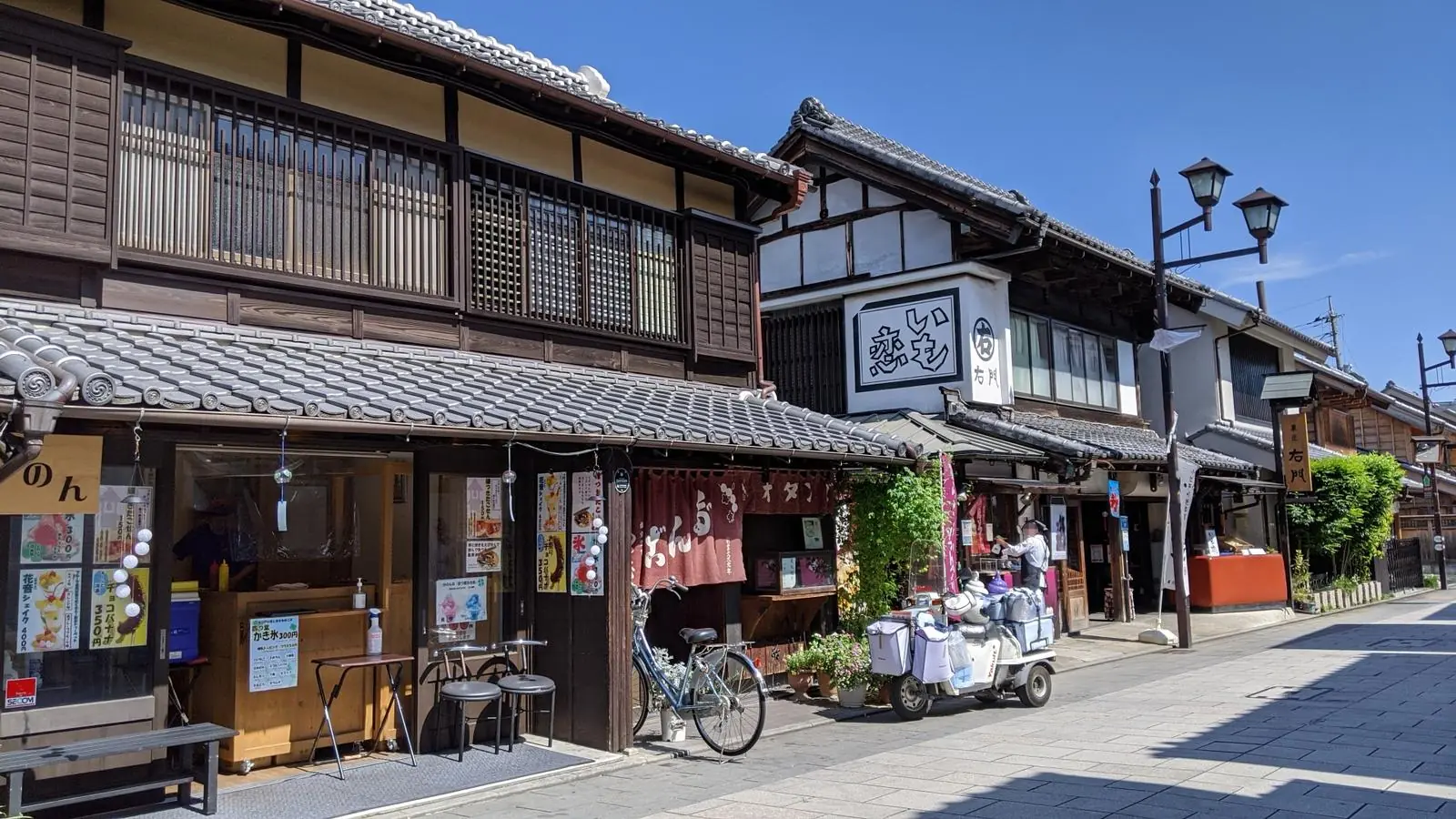
Roughly 30 minutes from Ikebukuro on the Tobu Tojo Line. Kawagoe is the closest you'll get to an Edo-period townscape without leaving the Greater Tokyo area. The Kurazukuri Street has dark-walled merchant warehouses from the 19th century, and the famous Bell Tower (Toki no Kane) rings four times a day. It's also home to a Candy Alley (Kashiya Yokocho) and a sweet potato culture that surprises most visitors.
Best for: Travelers on a budget, those who already saw Asakusa and want a different angle on old Tokyo, or anyone with only a half-day to spare.
Skip if: You're hoping for Mt Fuji views, nature, or onsen — Kawagoe is purely a townscape experience.
Yokohama — Tokyo's Port City
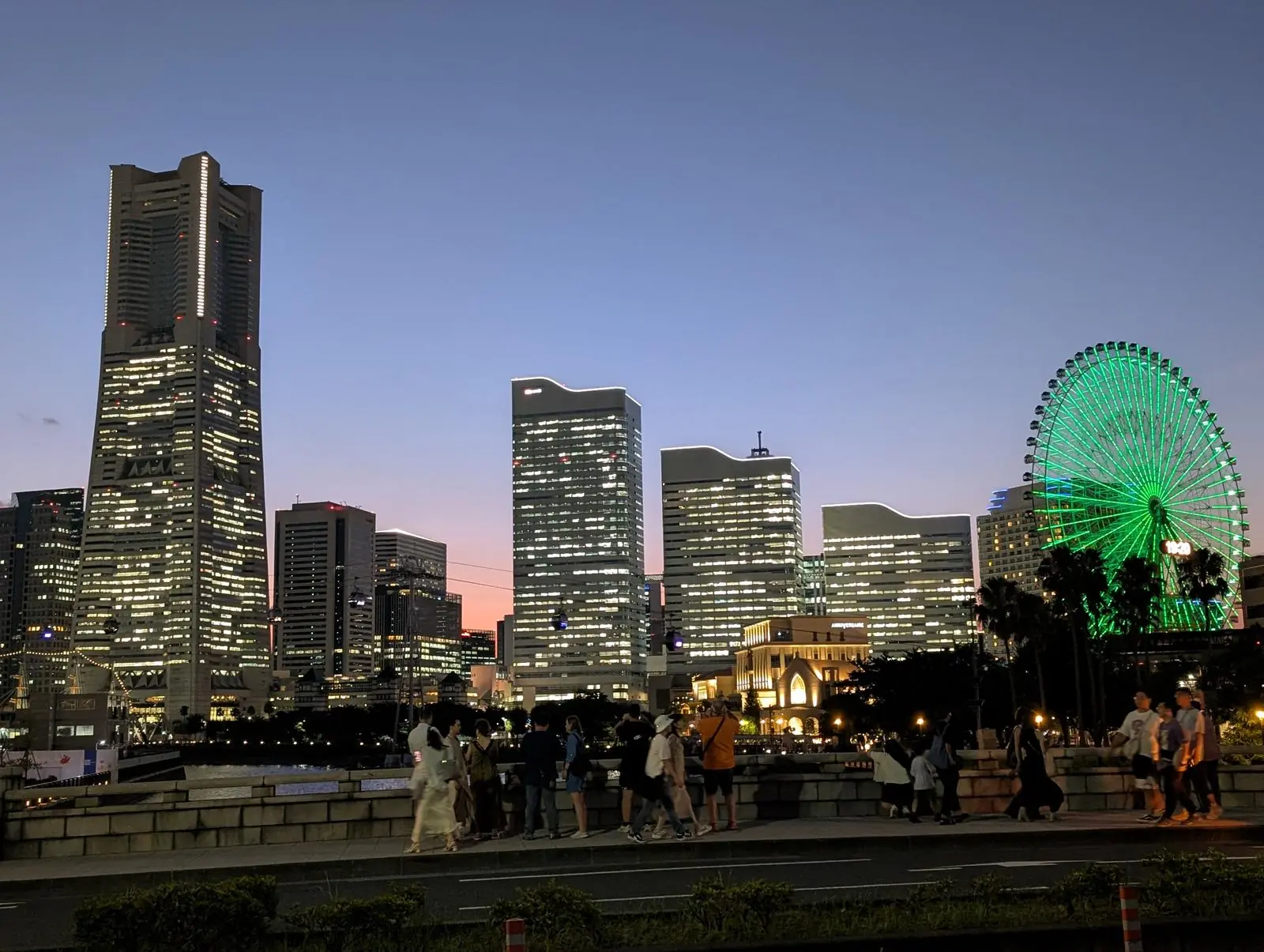
About 30 minutes from Shibuya on the Tokyu Toyoko Line. Yokohama is the second-largest city in Japan and has the country's biggest Chinatown, plus a redeveloped waterfront (Minato Mirai) with the Cup Noodles Museum, the Red Brick Warehouse, and Sankeien Garden. It's an easy add-on for visitors who want urban variety without committing to a long train ride.
Best for: Foodies (Chinatown), families with kids (Cup Noodles Museum), and travelers who want a city-feel break from Tokyo.
Enoshima — Beach, Sunset, Shrines
About 1 hour from Shinjuku via the Odakyu Romancecar. Enoshima is a small island connected to the mainland by a bridge, with a shrine cave, an observation tower, and on a clear day, a Mt Fuji view across the bay. It pairs beautifully with Kamakura because they're on the same Enoden line — many guests do both in a single day.
Best for: Travelers who want beach, sunset photography, or a Kamakura combo.
2-Hour Trips: Kamakura, Hakone, Nikko
These are the three day trips I recommend most often. Each one is famous for a reason, but they offer very different experiences. If you only have time for one, this is where you make the choice.
Kamakura — My Default Recommendation
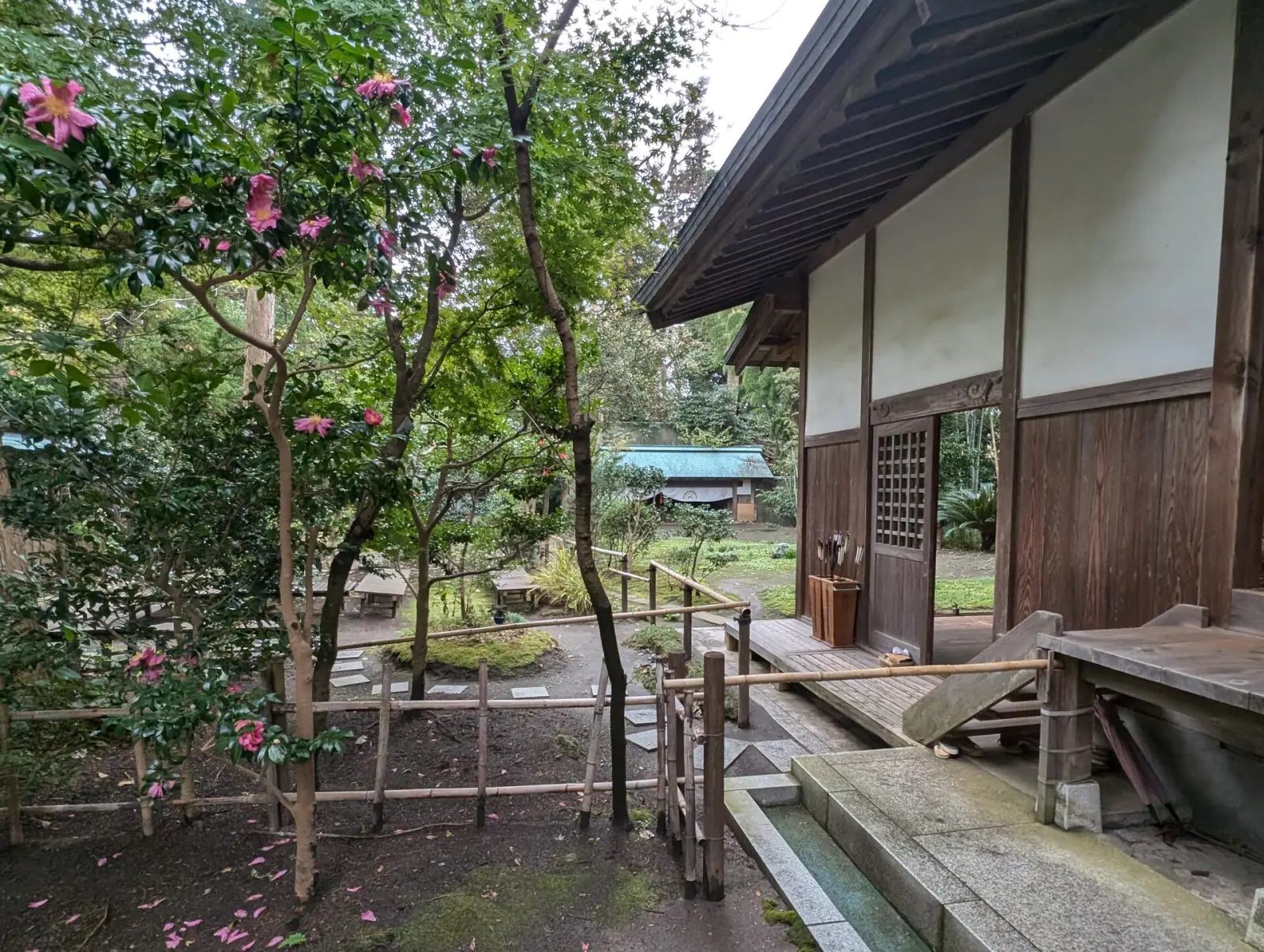
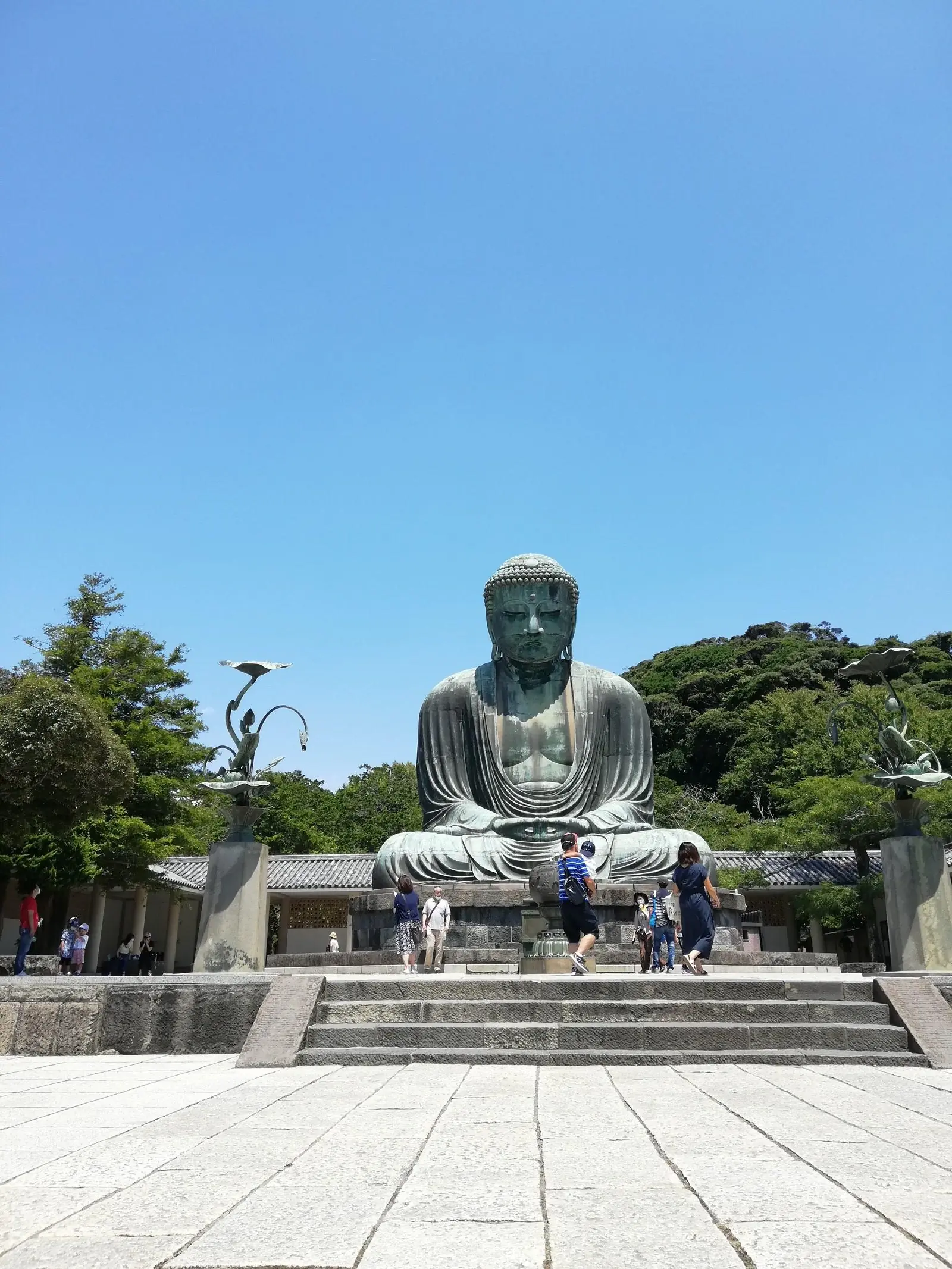
About 1 hour from Tokyo Station on the JR Yokosuka Line. Kamakura was Japan's capital from 1185 to 1333 and still has the temples, the Great Buddha (Daibutsu), bamboo groves at Hokoku-ji, and a beach within walking distance of the station. It's the only day trip that combines spiritual sites, nature, and a real town atmosphere in a single compact area.
For first-time visitors who can only do one day trip, Kamakura is almost always the right answer. For a deeper comparison with the two heavyweights below, see my Kamakura vs Hakone vs Nikko guide.
Skip if: You specifically want Mt Fuji views or an onsen experience.
Hakone — Onsen, Art, Mt Fuji (Sometimes)
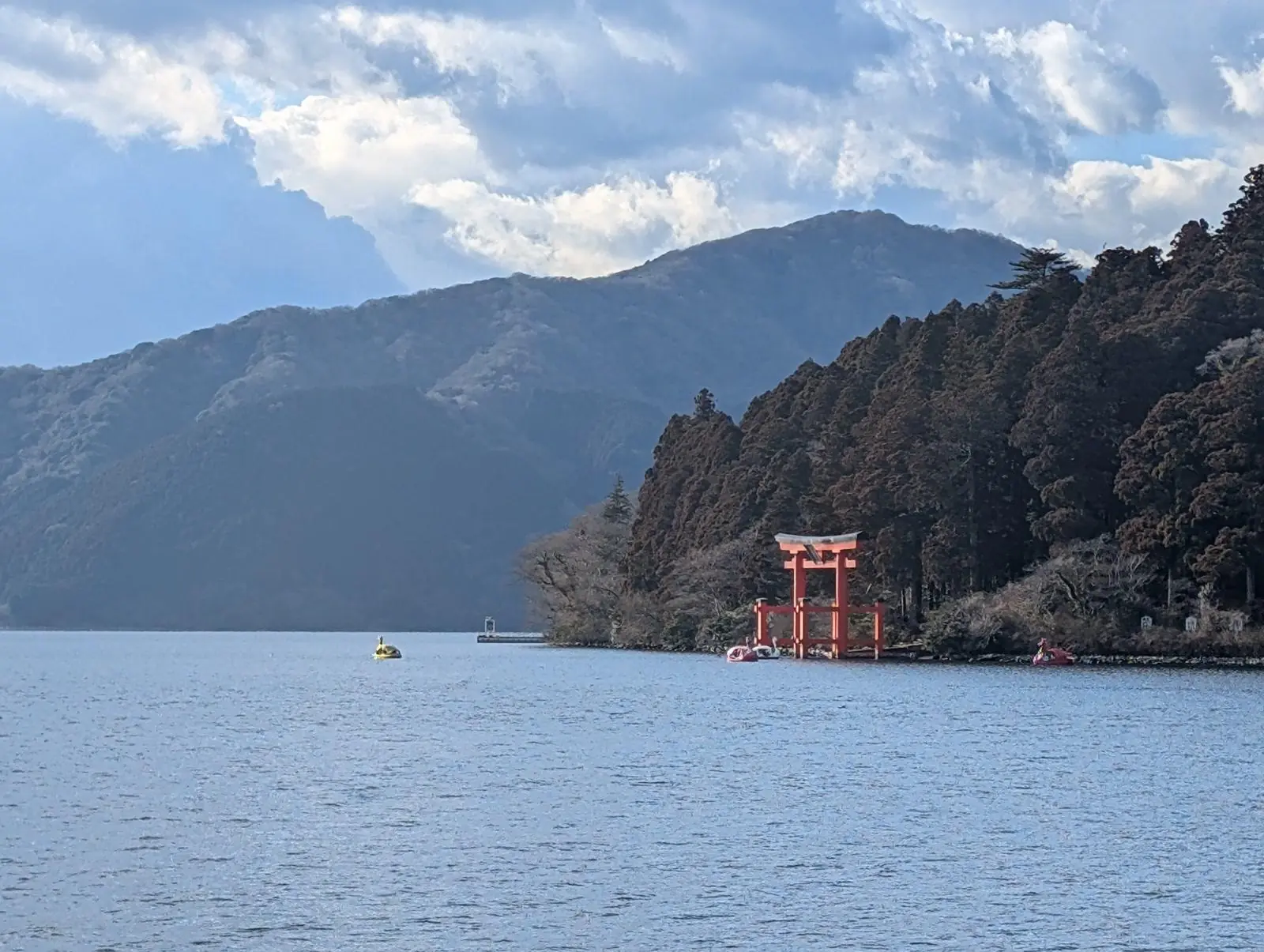
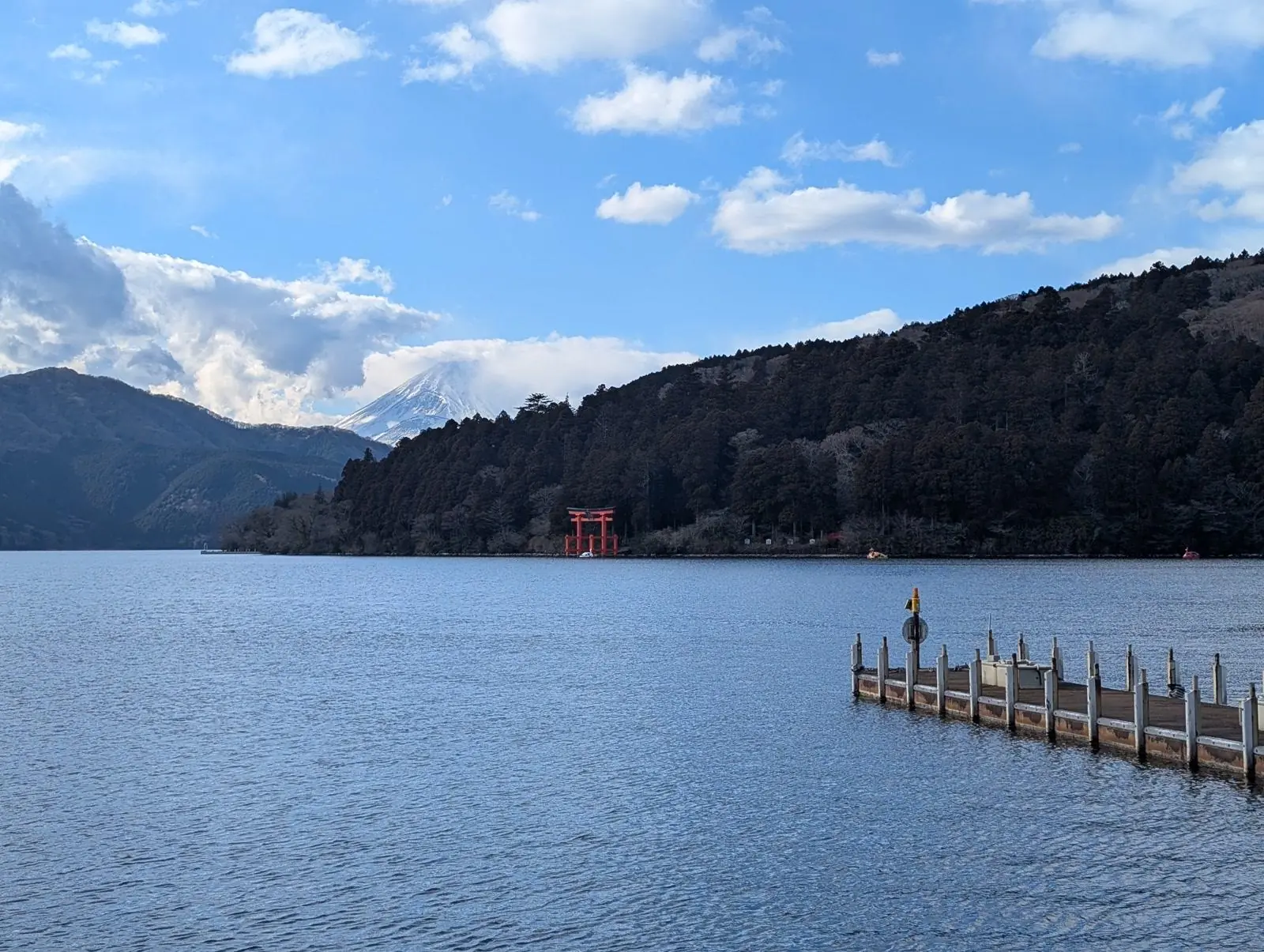
About 80 minutes from Shinjuku on the Odakyu Romancecar to Hakone-Yumoto. Hakone is the onsen and art destination — the Hakone Open-Air Museum, Lake Ashi with its pirate ships, the volcanic Owakudani valley, and dozens of ryokan with hot springs. The Mt Fuji view from Lake Ashi is iconic, but it's weather-dependent and only visible on roughly 40% of days outside summer.
Read more in my Hakone day trip guide. The full Hakone loop is doable as a day trip, but you'll be moving constantly — it's much better as an overnight ryokan stay if you can spare it.
Best for: Travelers who specifically want onsen, art, or that classic Mt Fuji + lake photograph.
Nikko — World Heritage Temples
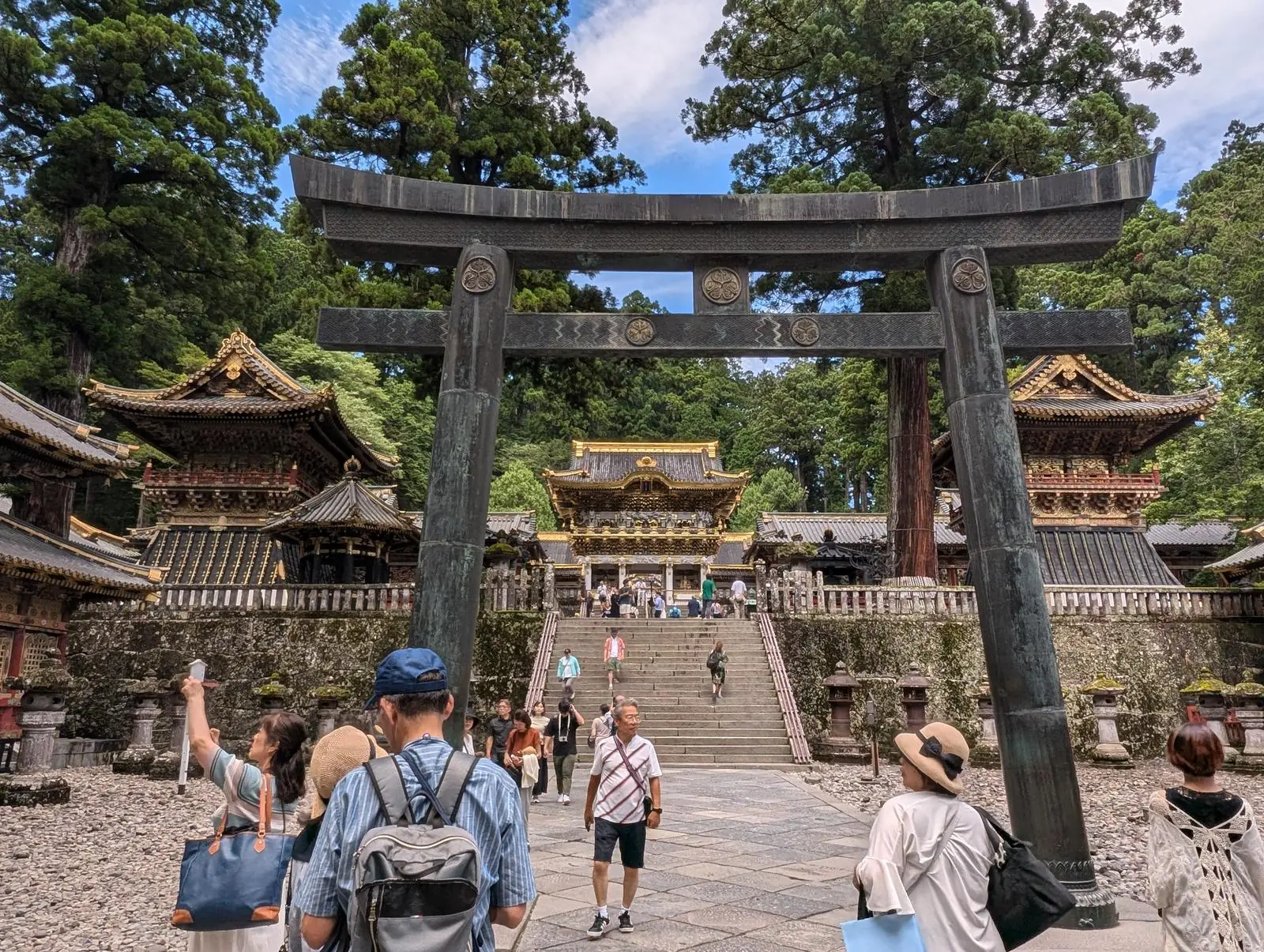
About 2 hours from Asakusa on the Tobu Limited Express. Nikko's Toshogu Shrine is one of the most ornate religious complexes in Japan, a UNESCO World Heritage site, and the burial place of Tokugawa Ieyasu, the founder of the Edo shogunate. The area also includes Kegon Falls, Lake Chuzenji, and serious autumn foliage.
See my Nikko day trip guide for the full route. Nikko is the longest of these three but rewards the effort if you care about Edo-period history and Japan's most decorative shrine architecture.
Skip if: You only have one day trip slot and have never been to a major Japanese shrine — Nikko is more of a "deeper cut" than an introduction.
2.5-Hour Trips: Kawaguchiko for Mt Fuji
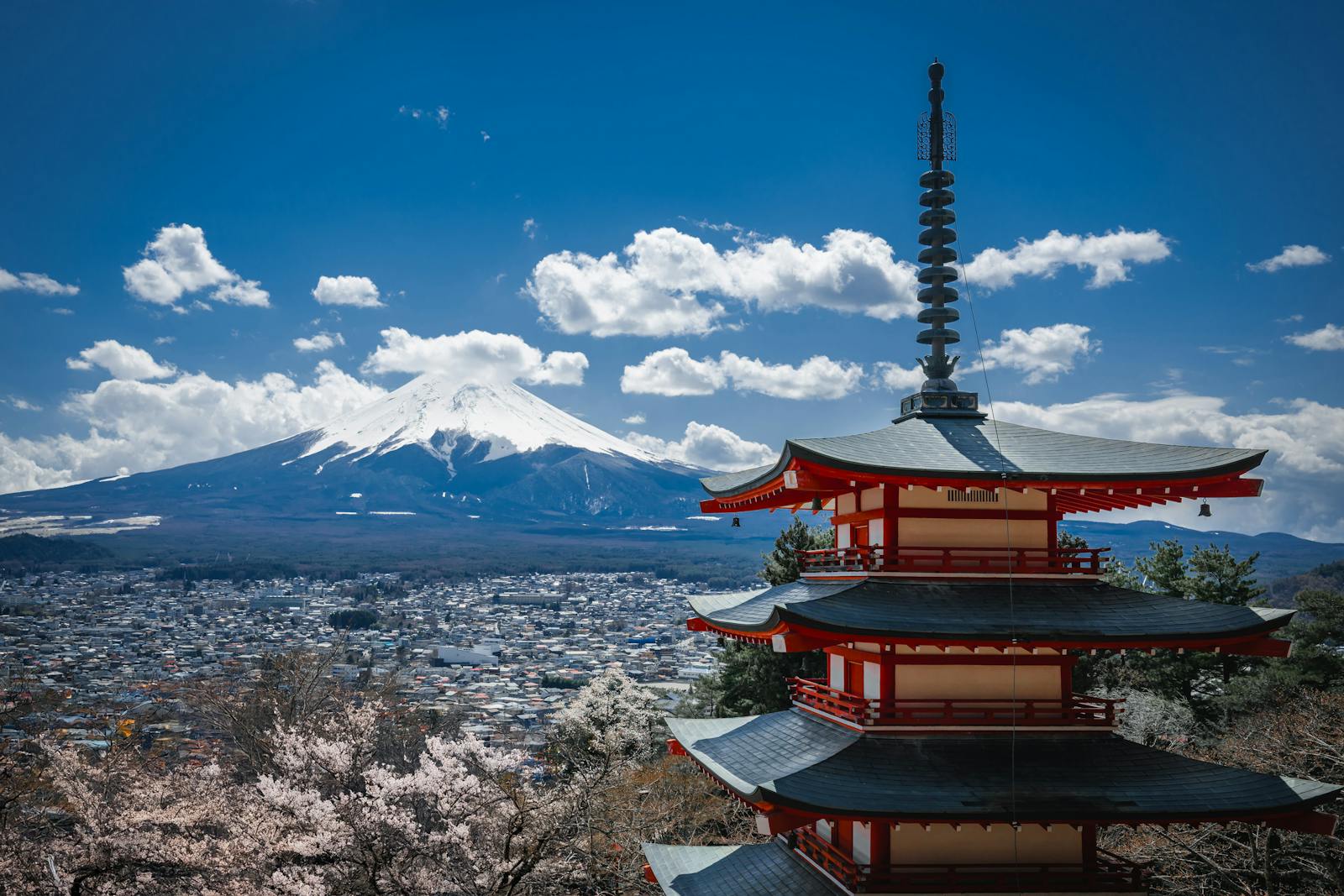
Kawaguchiko is the lake at the base of Mt Fuji and gives you the closest, clearest, most photogenic views of the mountain available within a day trip from Tokyo. It's about 1 hour 45 minutes by direct highway bus from Shinjuku, or roughly 2 hours by train via Otsuki. On a clear day, Mt Fuji looks close enough to touch from the lakeshore.
The trade-off is that Kawaguchiko is essentially a viewing destination. There's a small town, the Chureito Pagoda viewpoint, and a few museums, but you're not there for activities — you're there for the mountain. If the weather isn't cooperating, the day can feel hollow. My Kawaguchiko vs Hakone for Mt Fuji guide goes deeper into when each one wins.
Best for: Photographers, first-time Japan visitors who absolutely need a Mt Fuji photo, and travelers willing to risk weather.
Half-Day Hikes: Mt Takao
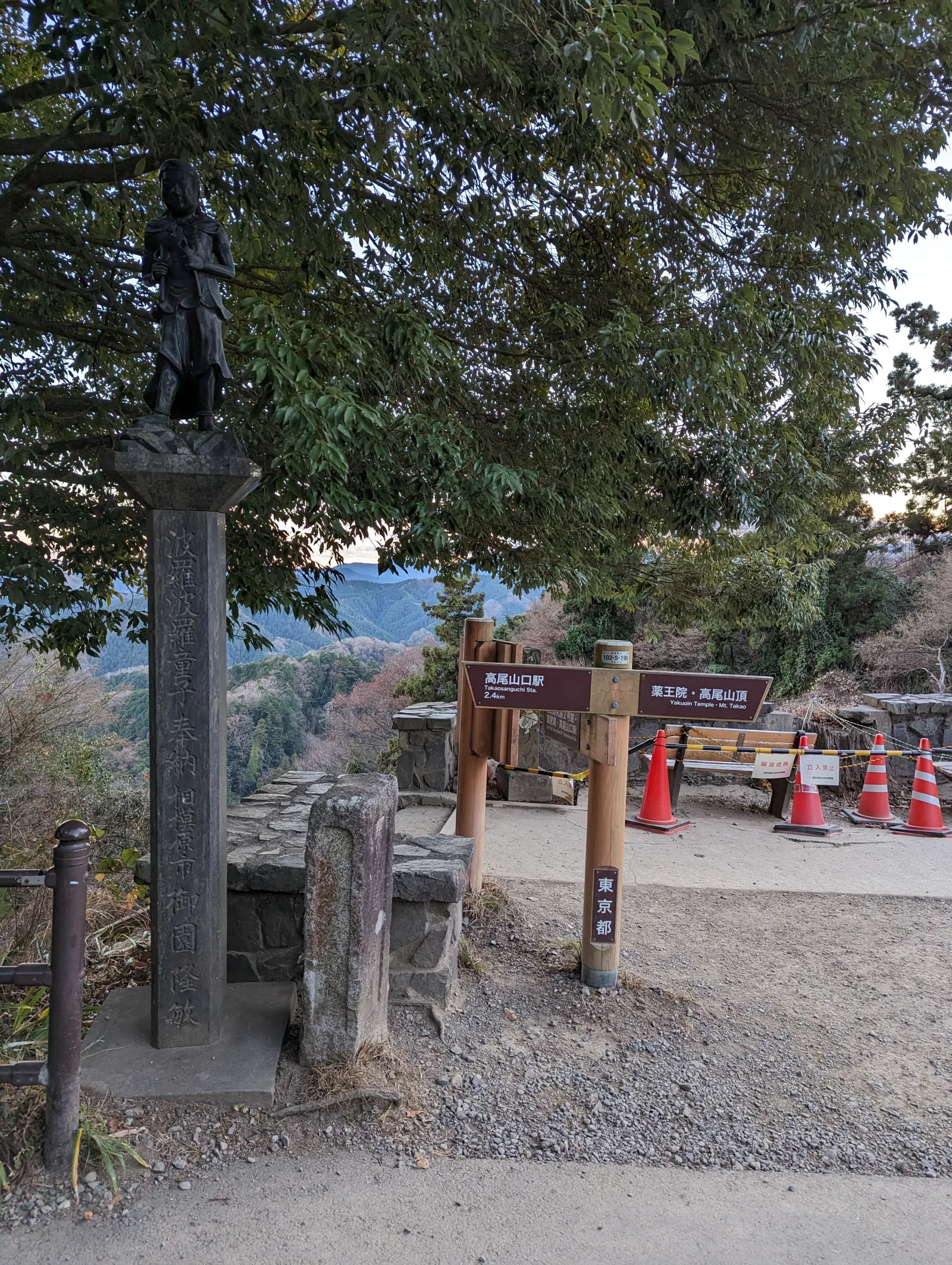
Mt Takao is a 599m mountain about 50 minutes from Shinjuku on the Keio Line. It has eight hiking trails of varying difficulty, a temple complex at the summit, a cable car for anyone who doesn't want to climb, and on rare clear winter days, a Mt Fuji view from the top.
Best for: Travelers who want a half-day nature break, families with active kids, and anyone visiting between November and February when the air is clearest.
How to Choose: A Simple Decision Tree
Default for most first-timers
Pick Kamakura if…
- You only have one day-trip slot
- You want temples + beach + town in one place
- You haven't yet seen a major Japanese spiritual site
Specific need
Pick somewhere else if…
- You need Mt Fuji photos → Kawaguchiko
- You need onsen → Hakone
- You're on a tight budget → Kawagoe
- You've been to Kamakura before → Nikko
If you have two day-trip slots in your Tokyo stay, the strongest combination is Kamakura plus Hakone (overnight). They give you completely different experiences — old temples + a hot spring stay — and the travel logistics work cleanly because they're in opposite directions from Tokyo.
Frequently Asked Questions
What's the easiest day trip from Tokyo for first-time visitors?
Kamakura. It's about an hour by JR, requires no special pass, and combines temples, the Great Buddha, and a beach in a compact walkable area.
Is a Japan Rail Pass worth it just for day trips?
For most day trips, no. See my JR Pass analysis — individual tickets are usually cheaper unless you're also doing a long-distance trip to Kyoto or Osaka.
Can I do two day trips in one day?
Kamakura plus Enoshima is the only realistic two-in-one because they're on the same train line. Anything else and you'll spend more time commuting than seeing.
Should I take a tour or go alone?
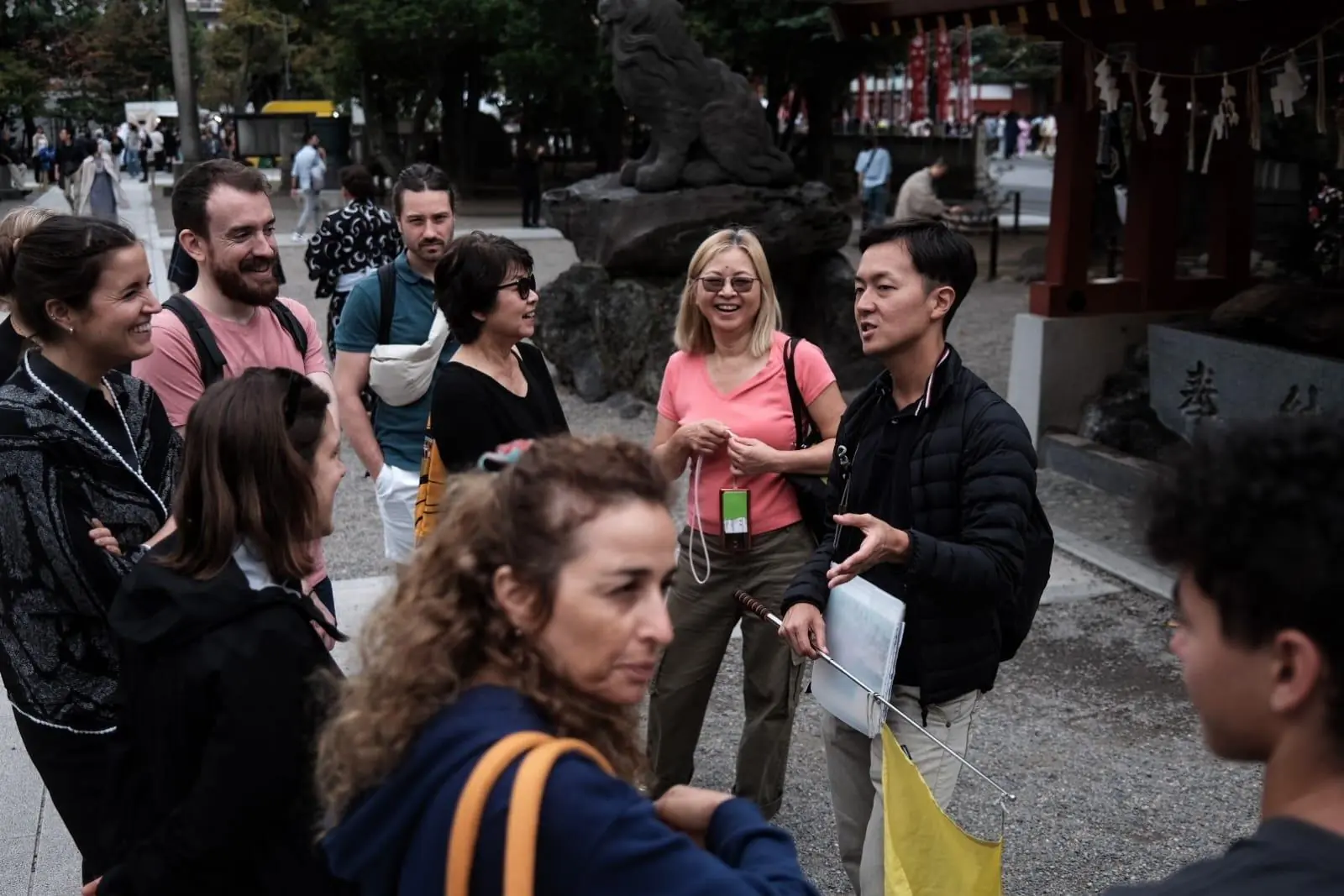
For Kamakura, Kawagoe, and Yokohama, solo is fine — signage is good and routes are straightforward. For Nikko and Hakone, a guide saves significant time on logistics and adds historical context that's not available in English on-site.