Quick Answer
Yes, Yokohama is worth visiting — it's only 30 minutes from Tokyo and feels like a completely different city. Best combined with a half-day: morning in Yokohama, afternoon in Kamakura.
But most visitors waste time on the wrong attractions. Here's exactly what's worth seeing and what to skip, from a guide who takes clients there regularly.
"Should I bother with Yokohama? It's basically just another part of Tokyo, right?" I get asked this more than almost any other day trip question. And I understand the hesitation. Yokohama is only 30 minutes from central Tokyo by train. When you look at a map, the two cities blur together in one continuous sprawl. So why would you spend a precious day of your trip going somewhere that feels like it's barely outside Tokyo?
Because Yokohama isn't Tokyo. Not even close. It has a different history, a different atmosphere, and a different relationship with the outside world. Tokyo was the capital of the shoguns and later the emperor. Yokohama was where Japan actually opened its doors to the West, reluctantly, dramatically, and with consequences that reshaped the entire country.
Here's my honest guide to planning a yokohama day trip from tokyo: what's genuinely worth seeing, how long you need, and whether it makes more sense to combine it with another destination.
What Yokohama Is (And Why It's Different from Tokyo)
In 1853, Commodore Matthew Perry sailed his American warships into Tokyo Bay and demanded that Japan end over 200 years of self-imposed isolation. The Japanese government, the Tokugawa shogunate, was terrified but pragmatic. They agreed to open a port for foreign trade, but they didn't want foreigners in Edo (now Tokyo), the seat of power. So they chose a small fishing village down the coast: Yokohama.
When Yokohama's international port officially opened in 1859, it transformed overnight. Merchants from Britain, France, China, and America flooded in. Western-style buildings went up along the waterfront. A Chinatown took root as Chinese traders established businesses. Within decades, Yokohama became Japan's window to the world, the place where Western food, fashion, beer, and ice cream first entered the country. Japan's first railway line, opened in 1872, didn't connect two Japanese cities. It connected Tokyo to Yokohama, because that's where the international commerce was.
This history gives Yokohama something Tokyo largely lacks: a visible layer of Western architectural influence mixed with Japanese and Chinese cultures. When I guide clients through Yokohama, I often say it feels like walking through three countries at once. The red-brick warehouses look European. The temples and gates of Chinatown feel unmistakably Chinese. And the gardens and shrines are purely Japanese. That layering is what makes a yokohama day trip from tokyo worth the short train ride.
Today, Yokohama is Japan's second-largest city by population (over 3.7 million people) with a thriving port, a gleaming waterfront, and a sense of cosmopolitan confidence that comes from being the place where Japan first learned to engage with the wider world.
What to See: Chinatown, the Waterfront, Sankeien Garden
Yokohama Chinatown
Yokohama Chinatown is the largest Chinatown in Japan, and one of the largest in the world. Over 500 shops and restaurants fill a compact grid of streets framed by ornate gates (paifang) at each cardinal entrance. It's been here since the 1860s, when Chinese merchants arrived alongside Western traders, and it has evolved continuously ever since.
What I tell my clients: come hungry. The street food alone is worth the visit. Steamed buns (nikuman) the size of your fist, freshly fried sesame balls, xiaolongbao with scalding-hot soup inside, roasted chestnuts in winter. But beyond the food, take time to visit Kanteibyo, the ornate Guan Di temple at the heart of Chinatown. It's dedicated to Guan Yu, the Chinese deity of prosperity and loyalty, and its elaborate decoration rivals anything you'll see in a Chinese city. Most visitors walk right past it on the way to their next dumpling. Don't make that mistake.
Minato Mirai and the Waterfront
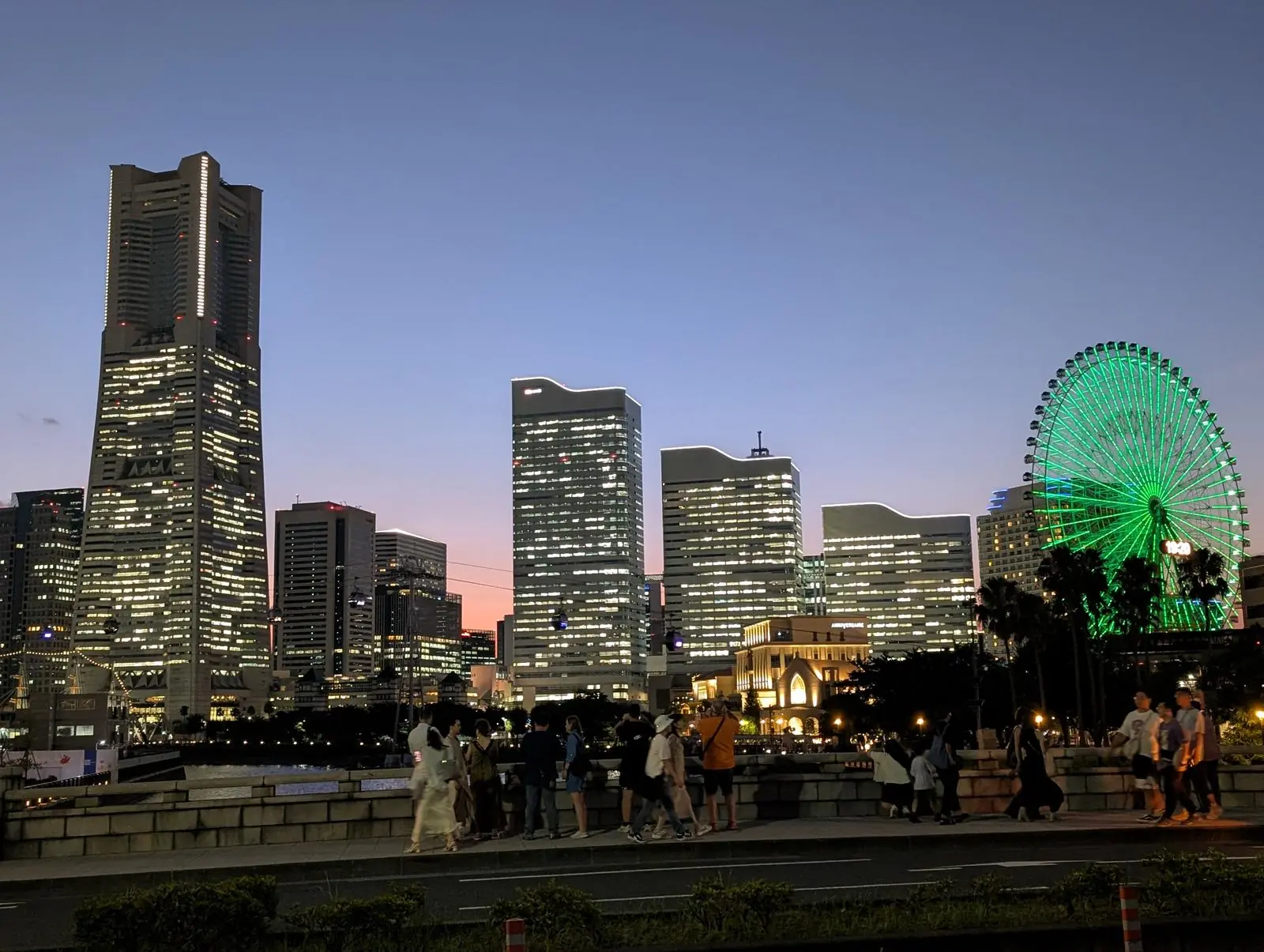
Minato Mirai (literally "Port of the Future") is Yokohama's modern waterfront district. It's anchored by the Landmark Tower, the Cup Noodles Museum, the Cosmo World Ferris wheel, and a row of beautifully restored red-brick warehouses (Akarenga) from the early 1900s that now house shops and cafes. The waterfront promenade connecting these landmarks is one of the best urban walks in the greater Tokyo area, especially around sunset, when the bay reflects the lights of the harbor.
I particularly recommend the Cup Noodles Museum for families or anyone curious about Japanese pop culture innovation. It's genuinely entertaining (you design your own custom cup noodle with hand-picked toppings), and it tells the surprisingly compelling story of Momofuku Ando, who invented instant ramen in 1958 and quite literally changed how the world eats. Allow about 90 minutes.
Sankeien Garden
This is the Yokohama attraction that most day-trippers skip, and the one I think they shouldn't. Sankeien is a traditional Japanese landscape garden built in 1906 by Tomitaro Hara, a wealthy silk trader. What makes it exceptional isn't just its design (which is beautiful) but the historic buildings Hara collected and relocated here from across Japan: a three-story pagoda from Kyoto originally built in 1457, a farmhouse from the Gifu mountains, tea houses from Kamakura, a lord's residence from Wakayama. Walking through Sankeien is like visiting six different regions of Japan in one garden.
The catch? Sankeien is about 20 minutes by bus from central Yokohama, which puts some visitors off. But if you have a full day for your yokohama day trip from tokyo, I strongly recommend making the detour. In spring (cherry blossoms) or autumn (foliage), it's one of the most peaceful and photogenic spots in the entire Kanto region.
How Long Do You Actually Need?
This is the question I get asked most about a yokohama day trip from tokyo, and the answer depends on what you want to see:
- Half day (4-5 hours): Enough for Chinatown, a waterfront walk through Minato Mirai, and the red-brick warehouses. This works well if you want to spend the morning in Tokyo and head to Yokohama after lunch, or vice versa. You'll see the highlights but won't have time for Sankeien.
- Full day (7-8 hours): The right amount to do Chinatown justice, explore Minato Mirai, visit Sankeien Garden, and have a proper sit-down meal. This is what I recommend if Yokohama is your main destination for the day.
- Combined day: If you want to pair Yokohama with Kamakura (more on this below), plan for Yokohama in the morning (Chinatown + waterfront, about 3 hours) and Kamakura in the afternoon, or the reverse. It's a full day, but the two cities are connected by a single train line, making logistics easy.
Personally, when I guide a yokohama day trip from tokyo, I prefer the full-day option. Yokohama rewards slower exploration: wandering through Chinatown's side streets, sitting on the waterfront with a coffee, and spending a quiet hour in Sankeien. Rushing through it defeats the purpose.
Yokohama vs. Kamakura vs. Kawagoe: Which to Choose?
If you only have one day for a trip outside Tokyo, choosing between these three popular destinations is a real dilemma. Here's my honest take:
Choose Yokohama if you're interested in international history, want exceptional food variety (Chinese, Japanese, Western), enjoy modern waterfront cities, or are traveling with kids (the Cup Noodles Museum and Cosmo World are great for families). Yokohama is also the easiest day trip logistically: the shortest travel time, the simplest navigation, and plenty of options if weather turns bad (museums, indoor markets, covered shopping areas).
Choose Kamakura if you want ancient temples, a giant bronze Buddha, hiking trails through forested mountains, and samurai history. Kamakura is more physically active (the hiking trails are a major highlight) and has a quieter, more spiritual atmosphere. It's farther than Yokohama (about an hour from Tokyo) but feels like you've traveled much farther from the modern city.
Choose Kawagoe if you want a taste of Edo-period Japan without leaving the Tokyo suburbs. Kawagoe's warehouse district preserves the kind of merchant architecture that Tokyo itself lost to fires, earthquakes, and war. It's the most compact of the three (you can see the main sights in 3-4 hours) and it's famous for its sweet potato desserts and candy street.
There's no wrong answer here. I've guided clients to all three and seen each one become someone's favorite day of their trip. The key is matching the destination to what excites you, not just checking off the most popular option.
How to Combine Yokohama with Other Destinations
Here's something most travel blogs won't tell you: Yokohama and Kamakura are on the same JR train line (the Yokosuka Line). That means you can visit both in a single day without backtracking to Tokyo in between. The train from Yokohama to Kamakura takes about 25 minutes. It's essentially a continuation of the same line you took from Tokyo.
When I plan a combined yokohama day trip from tokyo that includes Kamakura, I usually recommend this structure:
- 9:00 AM: Depart Tokyo → Yokohama (30 minutes by JR or private rail)
- 9:30 AM – 12:30 PM: Yokohama Chinatown (explore, eat), waterfront walk
- 12:30 PM: Train to Kamakura (25 minutes)
- 1:00 – 5:00 PM: Kamakura highlights (Great Buddha, Hasedera, Tsurugaoka Hachimangu)
- 5:00 PM: Return to Tokyo from Kamakura (60 minutes)
This is a long day, but it works well because the two cities offer such different experiences: Yokohama's international bustle in the morning, Kamakura's temple serenity in the afternoon.
Another option I love: a Yokohama evening visit. If you've spent the day exploring Tokyo, head to Yokohama in the late afternoon. Walk the waterfront as the sun sets over the bay, have dinner in Chinatown, and watch the harbor lights from the Akarenga warehouses. Yokohama at night is genuinely romantic in a way that few Japanese cities manage, and the 30-minute return train to Tokyo means you're not losing sleep over it.
For more on how to plan day trips from Tokyo, see my detailed guides on Kamakura and Kawagoe day trips. And if you are still choosing between destinations rather than planning one, my Kamakura vs Hakone vs Nikko comparison walks through the trade-offs side by side.
Want a guided Yokohama day trip?
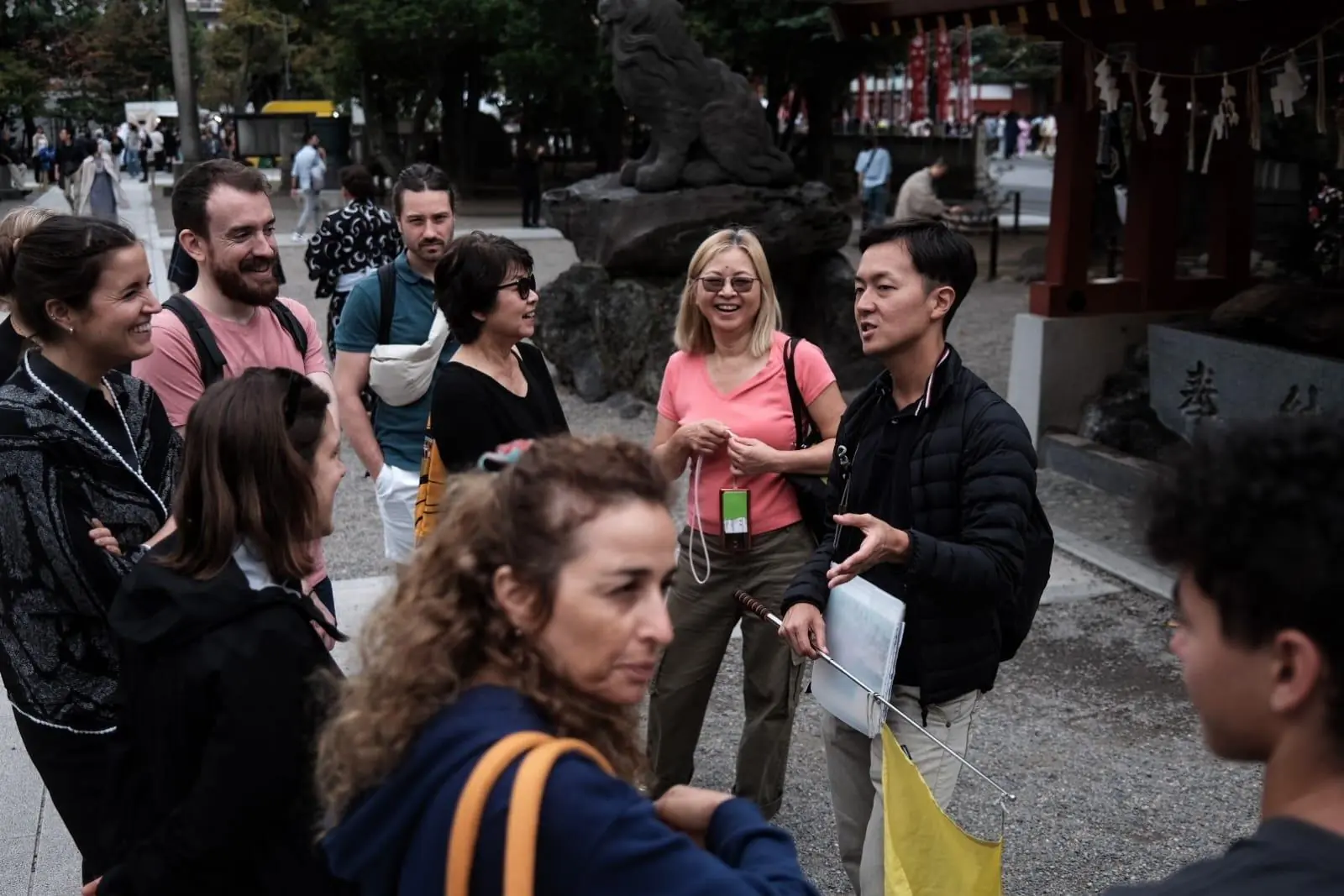
I offer guided day trips to Yokohama that go beyond the typical Chinatown-and-waterfront route, including the port history, hidden neighborhoods, and the best food spots I've found over years of guiding. I can also design a combined Yokohama-Kamakura day that covers both cities without feeling rushed. Browse my tours or get in touch to plan your trip.
Frequently Asked Questions
Is a yokohama day trip from tokyo worth it?
Yes, especially if you're interested in food, international history, or want an easy trip that doesn't require an early start. Yokohama is only 30 minutes from Tokyo and offers a noticeably different atmosphere. Chinatown alone is unlike anything in Tokyo. For a full cultural experience including Sankeien Garden, plan a full day. For highlights only, a half day works well.
How do I get from Tokyo to Yokohama?
Multiple options, all fast: JR Tokaido Line from Tokyo Station (25 minutes, covered by JR Pass), JR Yokosuka Line from Shinagawa (25 minutes), or Tokyu Toyoko Line from Shibuya (30 minutes, not covered by JR Pass but very convenient for Shibuya-area hotels). The Minatomirai Line extension takes you directly to the waterfront area without changing trains.
Can I visit Yokohama and Kamakura in the same day?
Yes, and they pair well because they're on the same train line. Spend the morning in Yokohama (Chinatown, waterfront) and the afternoon in Kamakura (temples, Great Buddha), or vice versa. It's a full 8-9 hour day, but very doable. The train between them takes only 25 minutes.
How long do you need in Yokohama?
3-4 hours for the main attractions (Chinatown, waterfront, Ramen Museum). A full day if you add the Cup Noodles Museum, Sankeien Garden, or combine with Kamakura.
What's the best food to try in Yokohama?
Yokohama Chinatown is the main draw: nikuman (steamed pork buns), xiaolongbao (soup dumplings), Peking duck, and mango pudding. Outside Chinatown, try Yokohama's local ramen style, Iekei ramen, a rich tonkotsu-soy blend that's thicker and more robust than Tokyo-style ramen. For something unique, the Shin-Yokohama Ramen Museum has eight ramen shops under one roof, each representing a different regional style.