Quick answer
For one autumn day trip, pick Nikko in late October for mountain koyo and waterfalls, or Hakone/Kawaguchiko in early-to-mid November if you also want Mt. Fuji.
Color peaks by altitude: the mountains around Nikko turn first (mid-to-late October), Hakone and Kawaguchiko follow in early-to-mid November, and Tokyo's own gardens are last — late November into early December.
A warm summer in 2026 means peak color is likely to land at the later end of these windows. Come on a weekday and start early — the same two weekends draw the crowds.
Autumn is my favourite season to guide. The light is soft, the air is clear, and the color moves down the mountains toward Tokyo over about six weeks — which means if you know where to look, you can catch peak foliage across a long window. The trap most visitors fall into is coming to the same one or two famous spots on the same one or two weekends. This guide is about timing it better.
Below is how I think about the 2026 autumn season — when each area peaks, which day trip to pick, and how to dodge the worst of the crowds.
The Timing: Color Comes Down the Mountains
The single most useful thing to understand about autumn near Tokyo is that altitude staggers the color. Higher, colder places turn weeks before the city does. That's a gift for travelers — it means the "autumn window" isn't one weekend, it's more than a month if you're willing to move with it.
| Area | Typical 2026 peak | What you get |
|---|---|---|
| Oku-Nikko (Lake Chuzenji)Earliest | Mid–late October | Mountain koyo, waterfalls, lake |
| Nikko town (Shinkyo) | Early November | Shrines + color |
| Hakone / Kawaguchiko | Early–mid November | Fuji + foliage |
| Central Tokyo gardens | Late Nov–early Dec | Ginkgo, maples, illuminations |
One important caveat for 2026: Japan's official koyo forecasts aren't published until September, and a warmer-than-average summer typically pushes peak color to the later end of each window. Treat the dates above as a planning guide and check the current-year forecast closer to your trip — I update my own recommendations to guests once the September forecasts land.
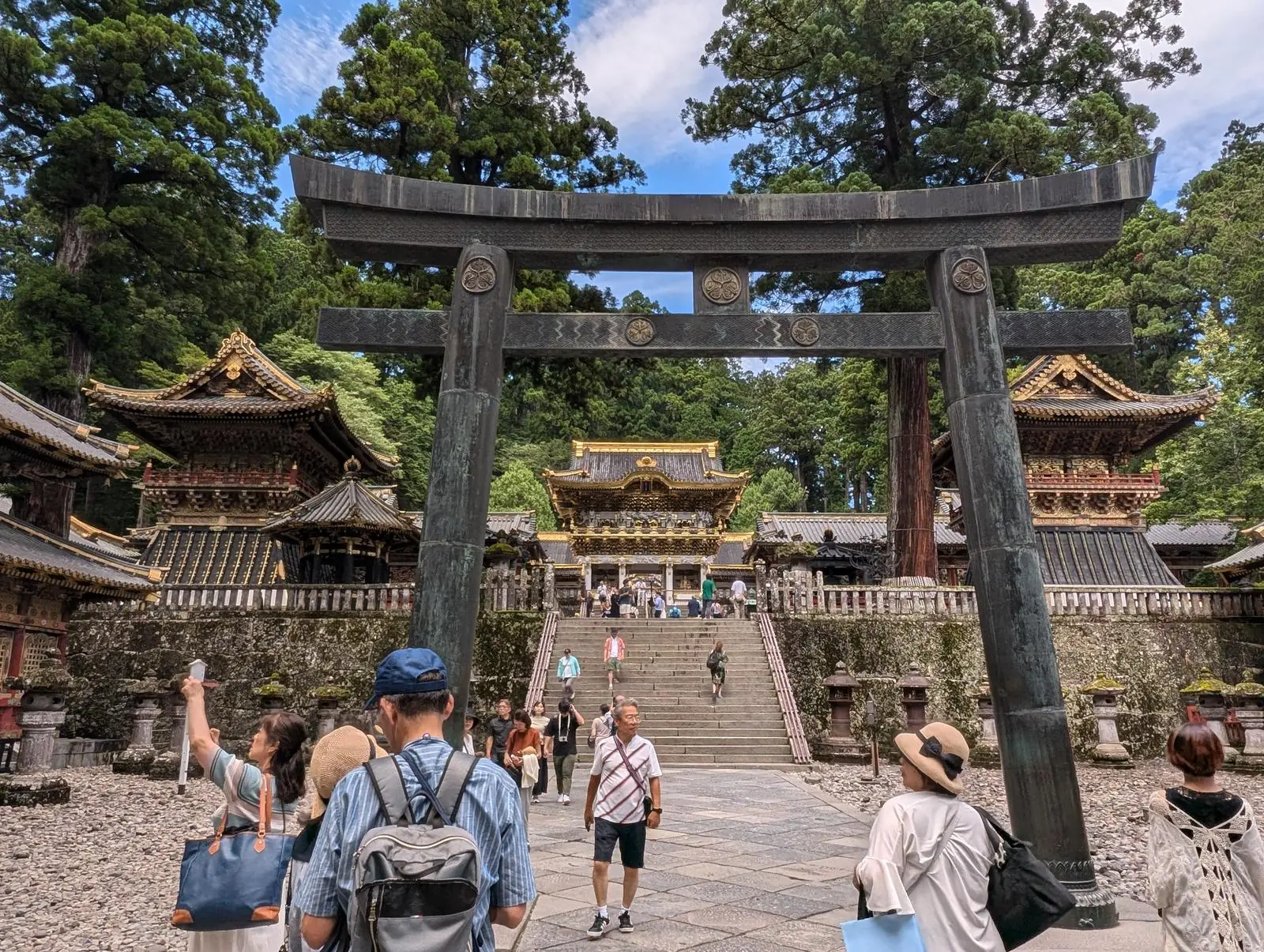
Nikko: The Earliest and Most Dramatic
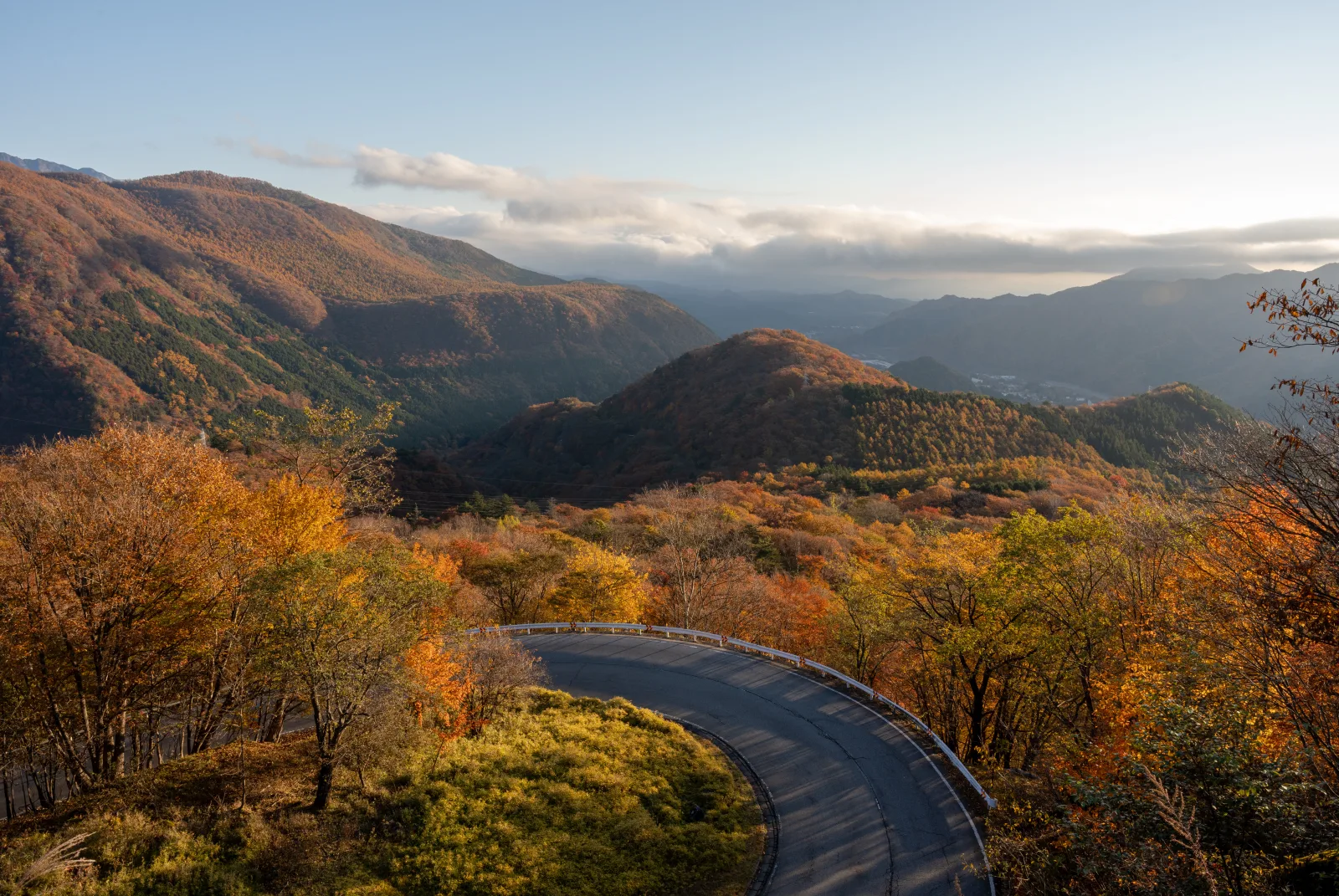
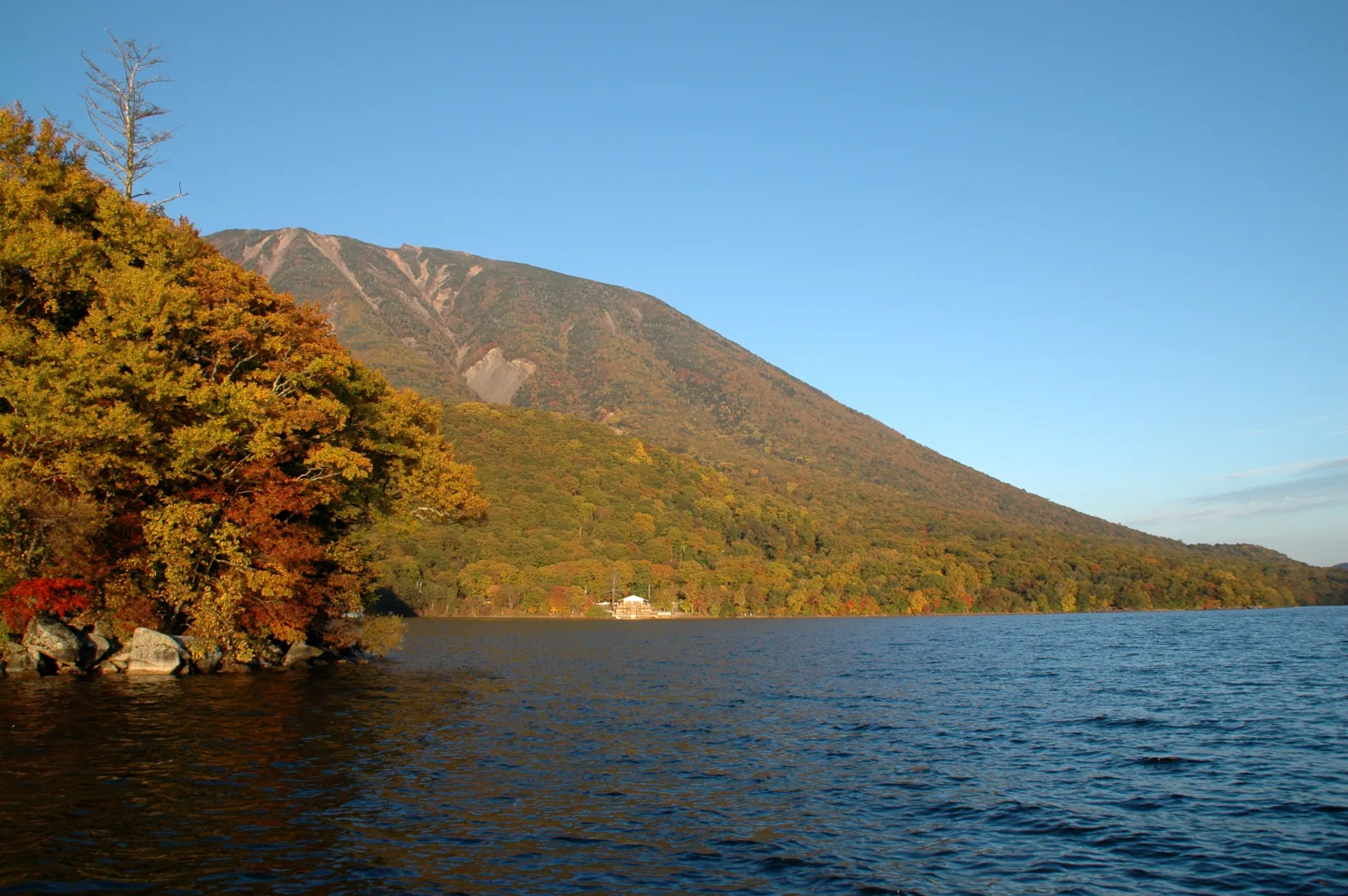
If you want the most dramatic autumn scenery within day-trip range of Tokyo, Oku-Nikko is the answer. Up around Lake Chuzenji and Kegon Falls — roughly 1,300 metres above sea level — the mountainsides turn a full three to four weeks before the city. Peak is usually mid-to-late October, with the town around Shinkyo Bridge following in early November.
The catch is the Irohazaka — the famous hairpin road up to the lake. During peak weekends it can back up badly. My advice to guests is simple: go on a weekday, and start early — be heading up the Irohazaka before mid-morning, not after. For how Nikko compares to other day trips overall, see my Nikko day trip guide.
Hakone & Kawaguchiko: Autumn With Mt. Fuji
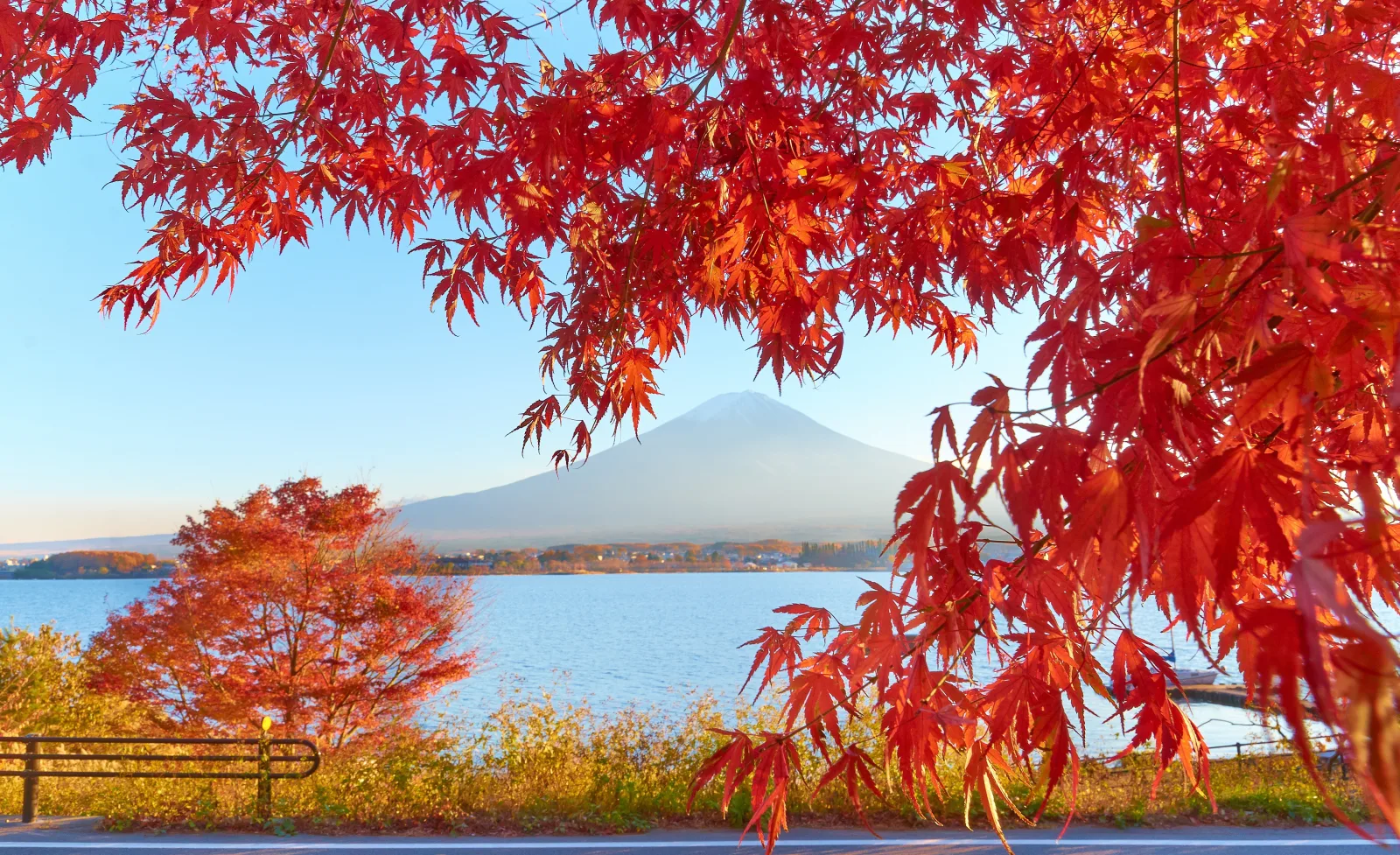
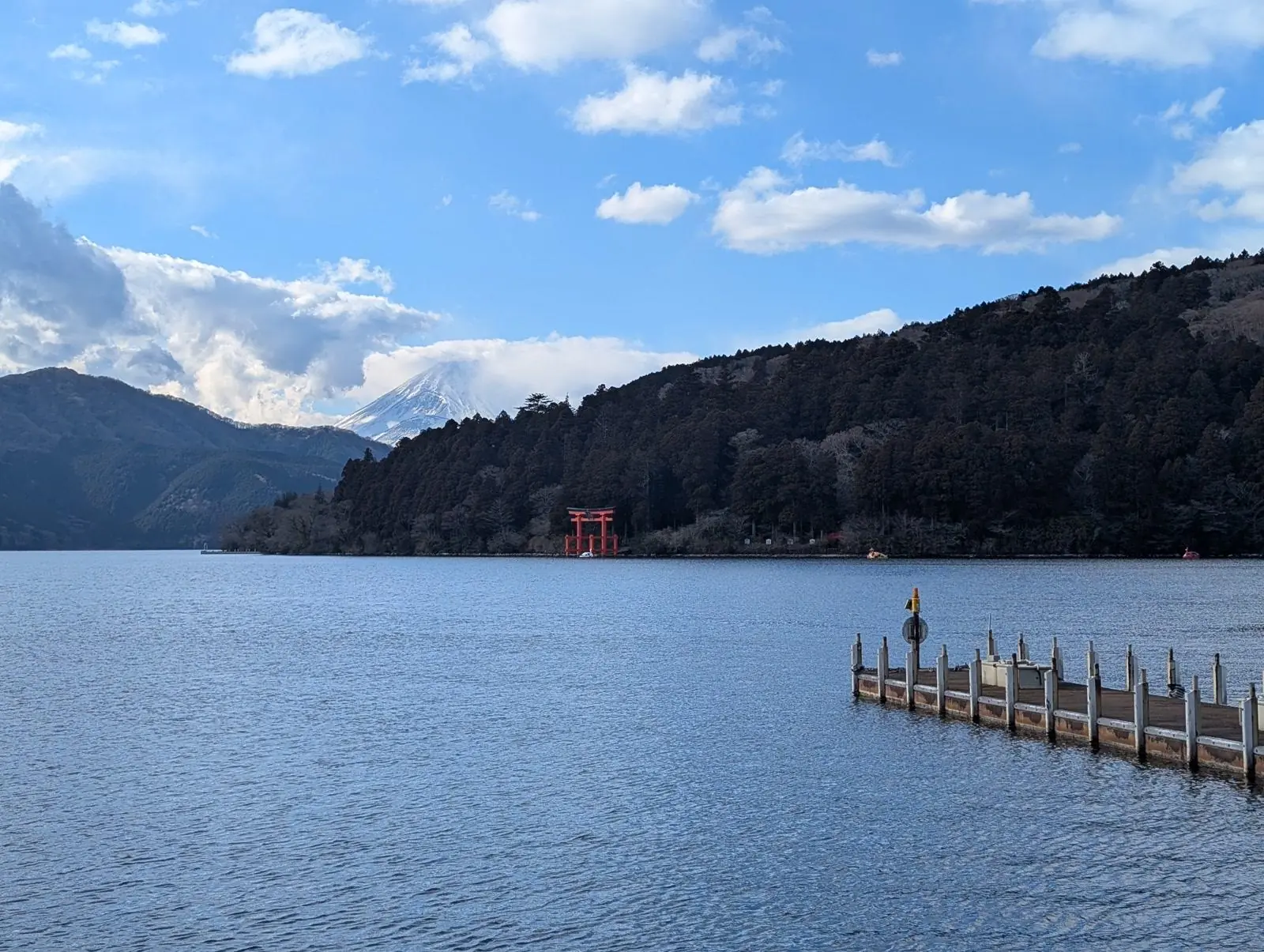
If you want autumn color and Mt. Fuji in one frame, this is your window. Both Hakone and the Fuji Five Lakes peak early-to-mid November — a little later than Nikko because they're lower.
My personal favourite autumn evening near Tokyo is the Kawaguchiko Maple Corridor (Momiji Kairo), where an avenue of maples is lit up at night during the Fuji Kawaguchiko Autumn Leaves Festival, with Mt. Fuji reflected in the lake behind. The illumination usually runs through November (in 2025 it ran November 1–30, sunset to about 10:00 PM); the 2026 festival dates are announced on the official site in autumn, so confirm before you plan an evening around it.
Hakone gives you foliage woven into the onsen-and-ropeway day it's already known for — see my Hakone day trip guide. Deciding between these day trips overall? My Kamakura vs Hakone vs Nikko comparison lays out the trade-offs.
If You'd Rather Stay in the City
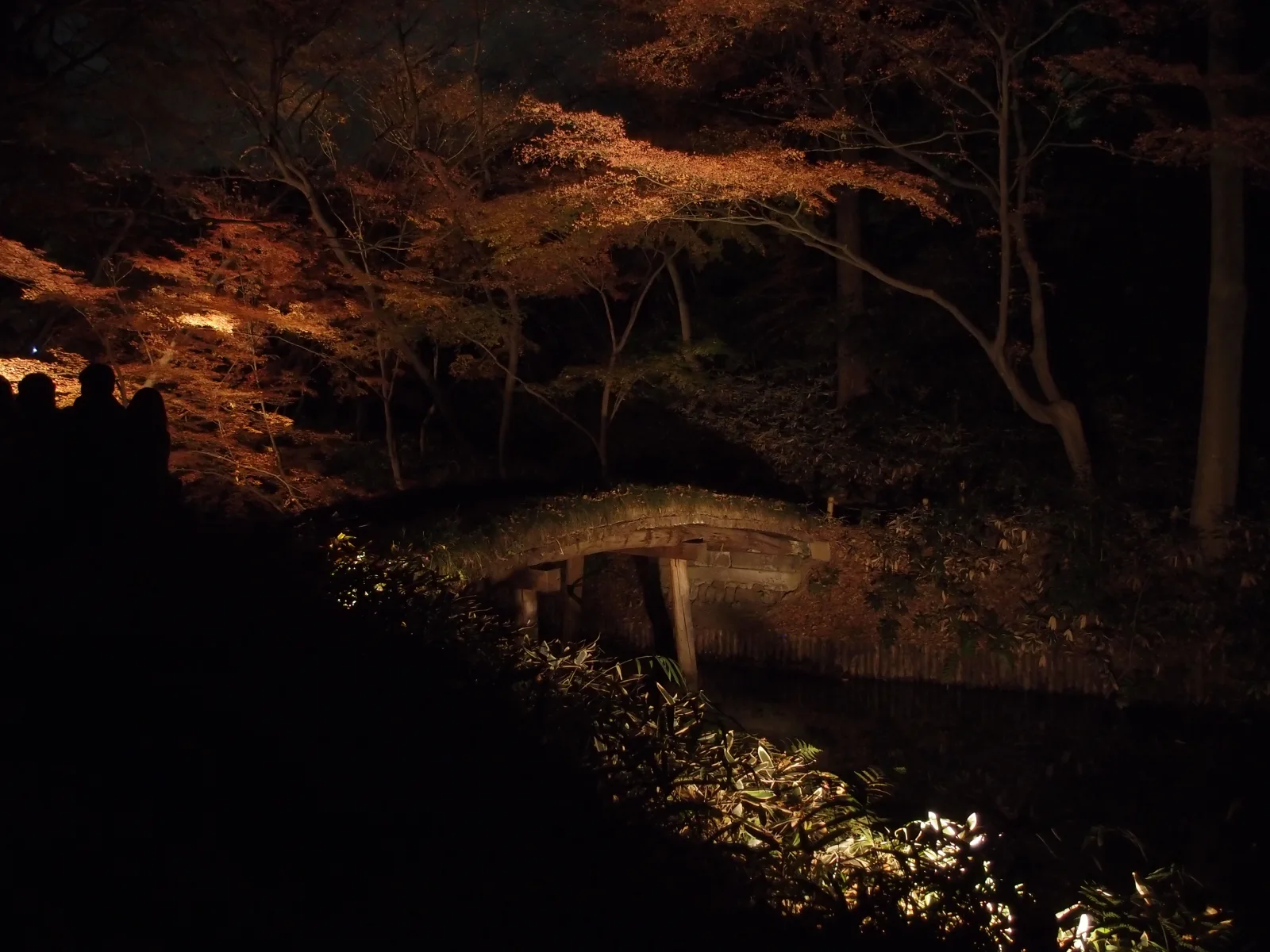
If your trip lands in late November or early December — after the mountains have gone bare — don't worry: central Tokyo peaks last. The city's gardens and avenues are the finale of the whole season.
- Rikugien — a classic Edo-period strolling garden famous for its evening autumn illumination, usually late November into early December.
- Meiji Jingu Gaien ginkgo avenue — the golden ginkgo tunnel that fills every "Tokyo in autumn" photo, typically peaking late November to early December.
- Showa Kinen Park — a huge park with both ginkgo avenues and maples, a little west of central Tokyo, peaking mid-to-late November.
For where autumn sits in the wider year, see my month-by-month best time to visit Tokyo guide, and for the full day-trip menu, my best day trips from Tokyo.
Frequently Asked Questions
When do autumn leaves peak near Tokyo in 2026?
Color comes down by altitude: Oku-Nikko (Lake Chuzenji) mid-to-late October, Nikko town and Hakone/Kawaguchiko early-to-mid November, and central Tokyo gardens late November into early December. A warm summer in 2026 is likely to push peaks to the later end of each window.
Which autumn day trip from Tokyo is best?
For dramatic mountain koyo and waterfalls, Nikko in late October. For autumn color with Mt. Fuji, Hakone or Kawaguchiko in early-to-mid November. If you want to stay in the city, Tokyo's own gardens peak last, in late November.
How do I avoid the autumn crowds?
Go on a weekday rather than a weekend, and start early — especially for Nikko's Irohazaka road, which backs up on peak weekends. Arriving before mid-morning makes a real difference.
Is the Kawaguchiko autumn illumination on in 2026?
The Fuji Kawaguchiko Autumn Leaves Festival illumination usually runs through November (in 2025 it ran November 1–30, sunset to about 10:00 PM). The 2026 dates are announced on the official site in autumn, so confirm before planning an evening around it.
Can I still see autumn leaves in early December?
Yes — in Tokyo itself. The city's gardens and ginkgo avenues (Rikugien, Meiji Jingu Gaien, Showa Kinen Park) are the last to turn, usually peaking late November into early December, after the mountains have already gone bare.