Quick verdict
Hakone is worth a day trip — unless seeing Mt. Fuji is your only goal.
From 50+ tours I've guided, Mt. Fuji is visible roughly half the time — but in winter (November to February) it's almost guaranteed. Even on cloudy days, the volcanic Owakudani valley, Open-Air Museum, and the old Tōkaidō stone-paved hike give a full day's payoff.
If you absolutely must see Mt. Fuji, go to Kawaguchiko instead. If you want a layered Japanese day — onsen heritage, art, hiking, and a chance at Fuji — Hakone earns its place.
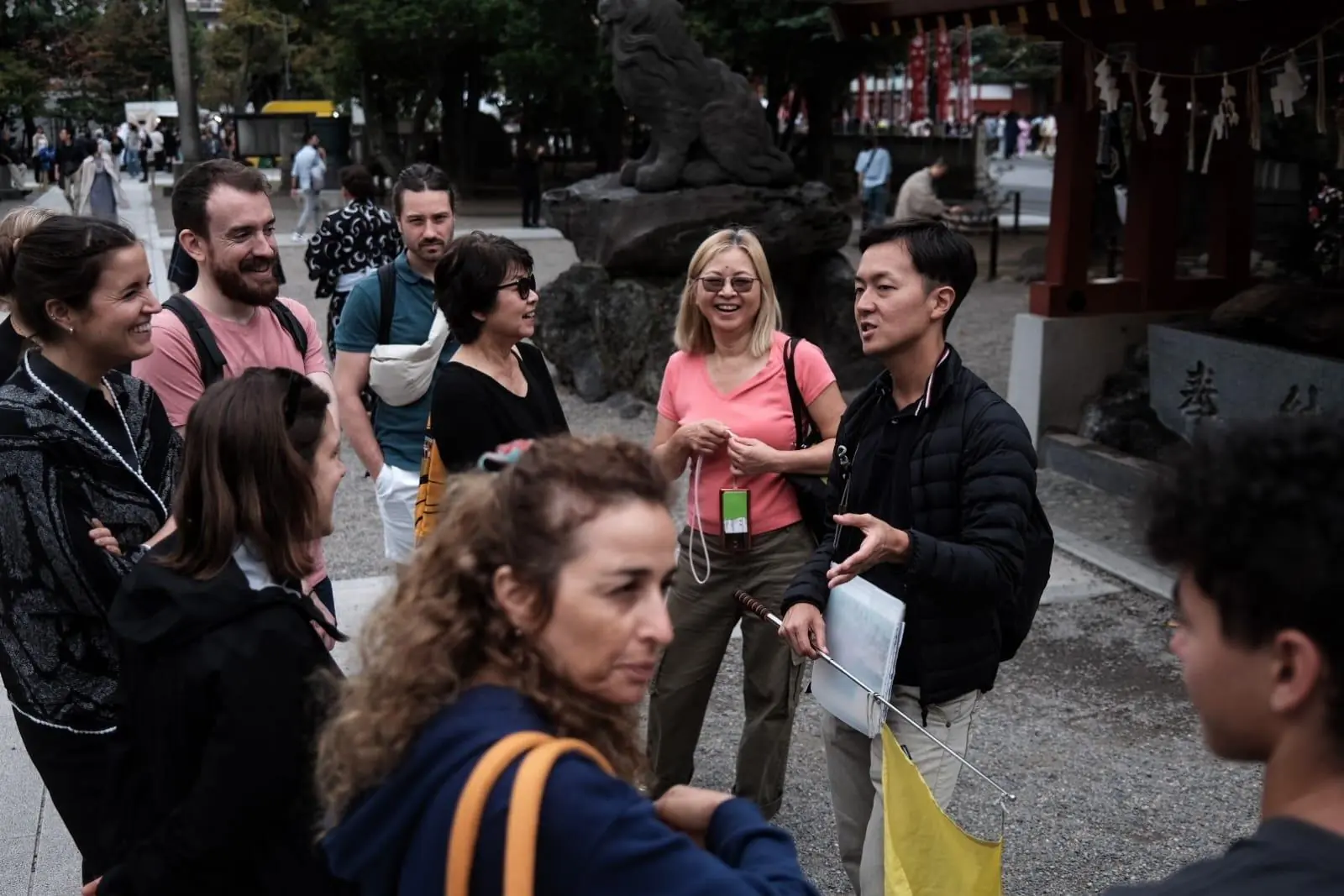
Every week I get the same question from prospective guests: "Is Hakone really worth the day trip from Tokyo?" Travel blogs say yes with no qualifications. Reddit threads say it's "overhyped." Both miss the point. After guiding more than 50 private Hakone tours over the years — across every season, every weather pattern, every kind of guest — here's the honest answer.
Hakone is worth visiting most of the time, for most travelers — but there's a specific kind of trip where it isn't. This article walks you through the decision the way I walk my guests through it before they book.
The Mt. Fuji Reality Check (From 50+ Tours)
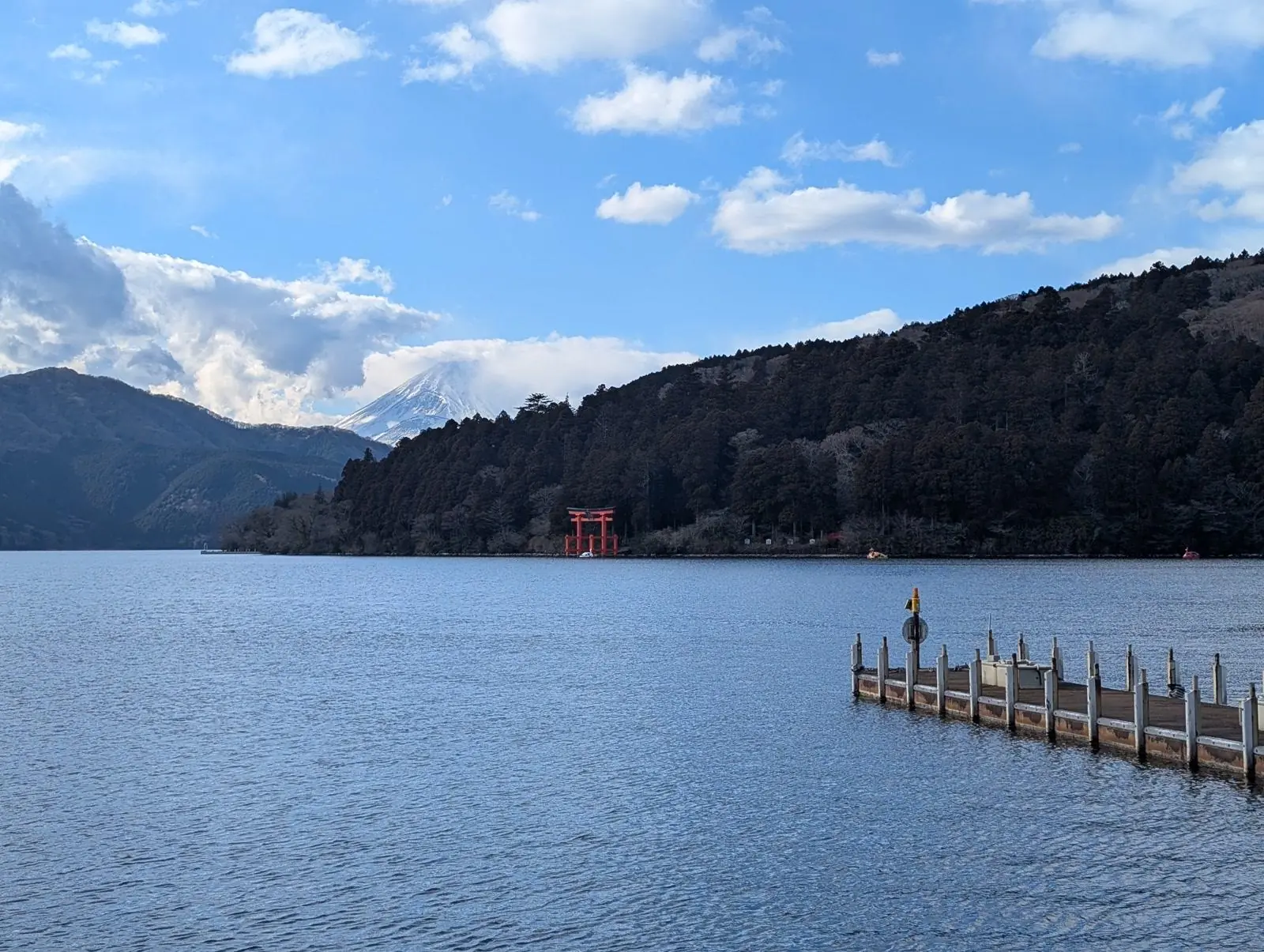
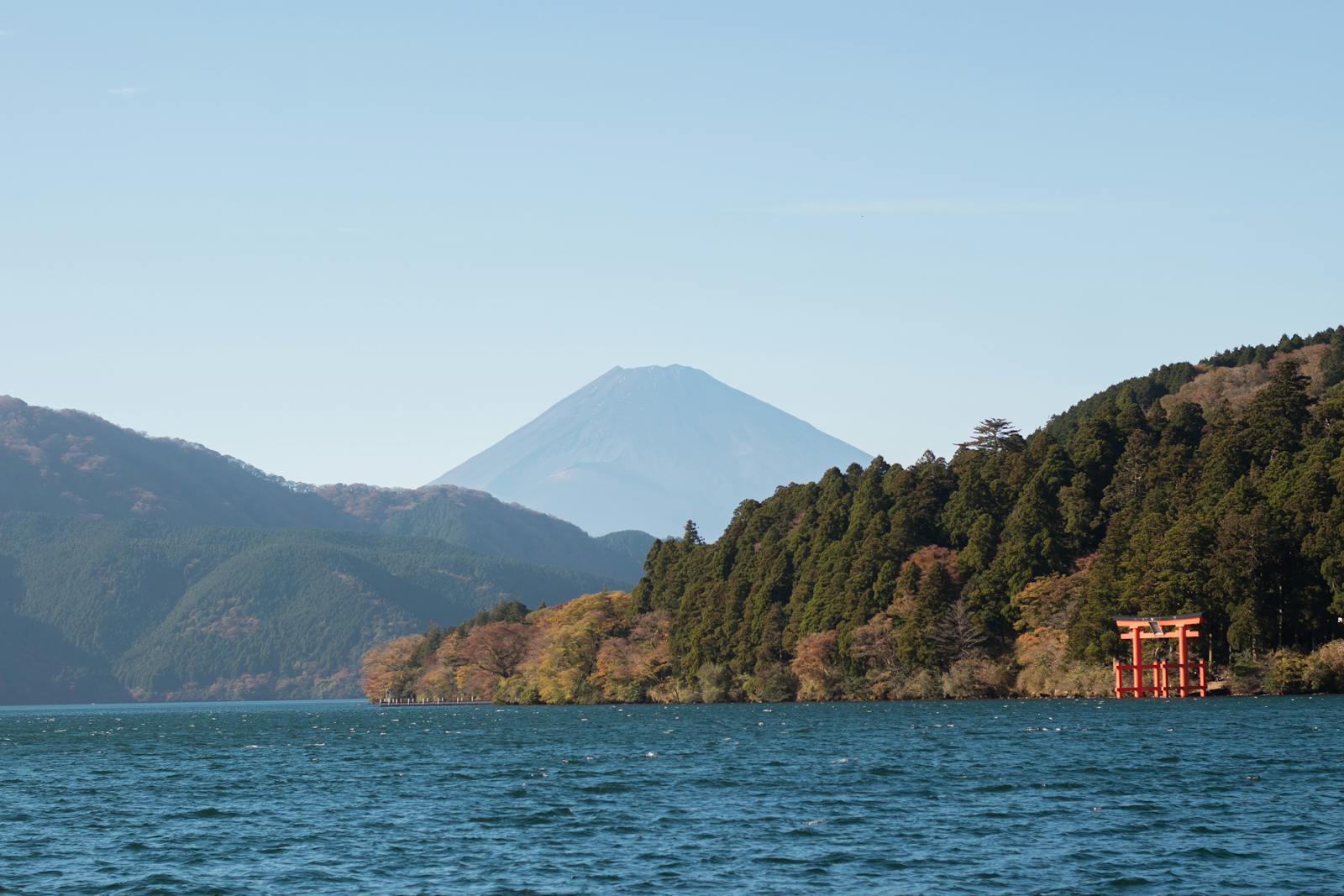
Travel sites and tour brochures show the same image: Lake Ashi in front, the bright red Hakone Shrine torii on the water, and Mt. Fuji rising perfectly behind. That photo exists. I've taken it many times. But it represents a specific weather window, not an average Hakone day.
Here's the actual breakdown from my tours:
| Season | My experience (50+ tours) | Why |
|---|---|---|
| Winter (Nov–Feb) | ~Almost every tour | Cold, dry air. Best months. |
| Spring (Mar–May) | ~Half | Pollen + haze begin |
| Summer (Jun–Aug) | ~1 in 5 tours | Humidity, thermal clouds |
| Autumn (Sep–Oct) | ~Half | Improving as days cool |
Across all seasons, my overall hit rate is roughly 50:50. Public weather data backs this up — Hakone's official visibility statistics put winter (November to February) at around 70%+ clear views, with February peaking around 79%, while summer drops below 30%.
What I tell every guest before booking: even on a clear morning, thermal clouds usually gather around Fuji's summit by 11:30 AM. If Fuji is your main reason for the trip, leave early — and have a backup plan ready.
But here's the more important truth: half the time, the mountain doesn't show up at all. So the real question isn't "will I see Fuji?" — it's "is Hakone worth the day even if Fuji hides?"
For me, the answer is yes. The next section explains why.
Why Hakone Is Worth It Even When Fuji Hides
Travel blogs only post the bluebird-day photos. The reality is that half of my Hakone tours happen under cloud cover, and guests still leave happy. Here are the three things that consistently save the day — backed by real guest reactions, not marketing copy.
Hakone Open-Air Museum — weather-proof world-class art
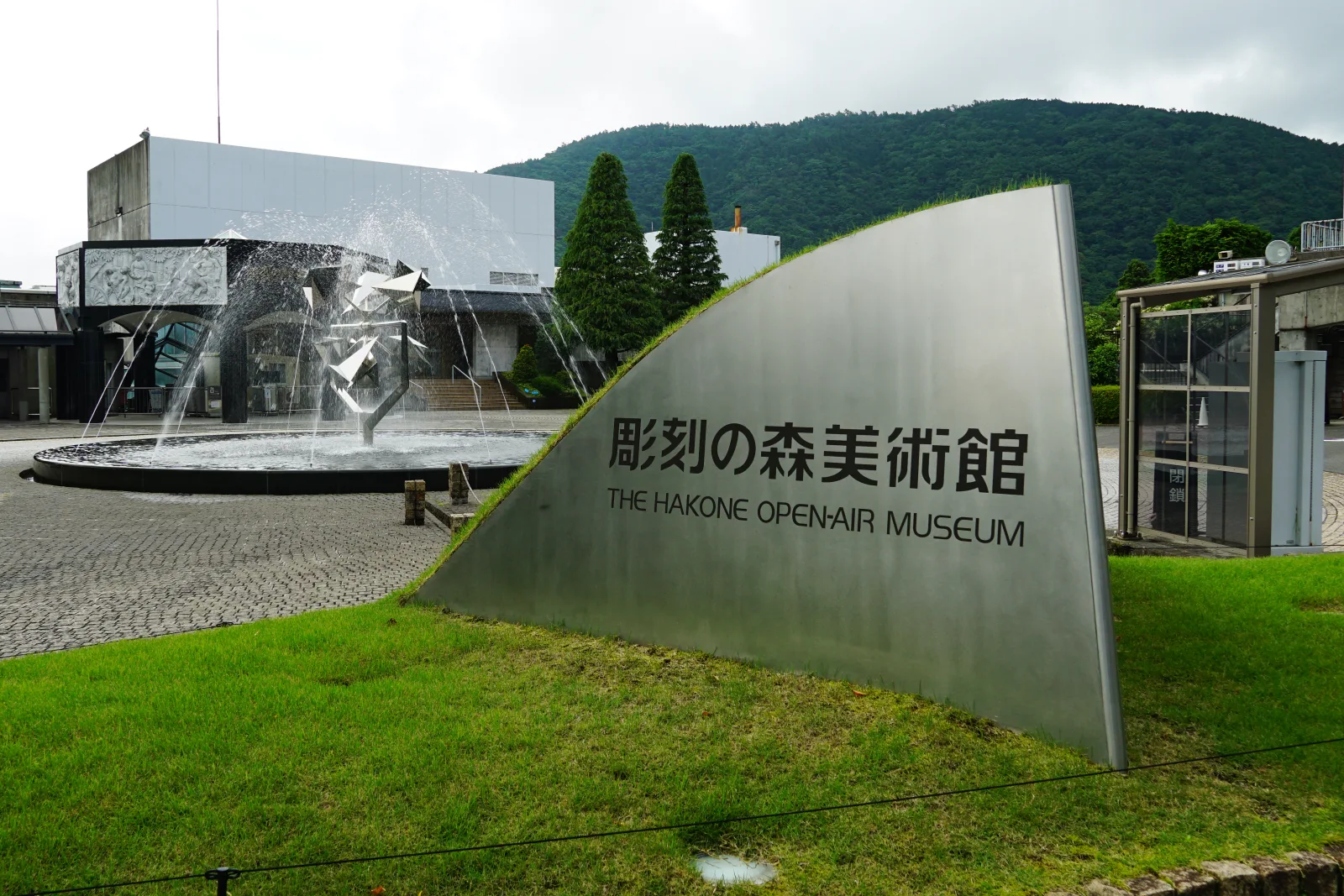
Japan's first open-air museum holds about 120 sculptures permanently on display across landscaped grounds, plus a dedicated Picasso pavilion with 300+ pieces. Open 9:00–17:00 every day of the year. I've had guests tell me the overcast sky actually helped them focus on the art — no harsh sun on metal sculptures, no squinting at Picasso paintings.
Plan for 2 hours minimum. Active travelers can do 3.
Owakudani — Hakone's volcanic heart
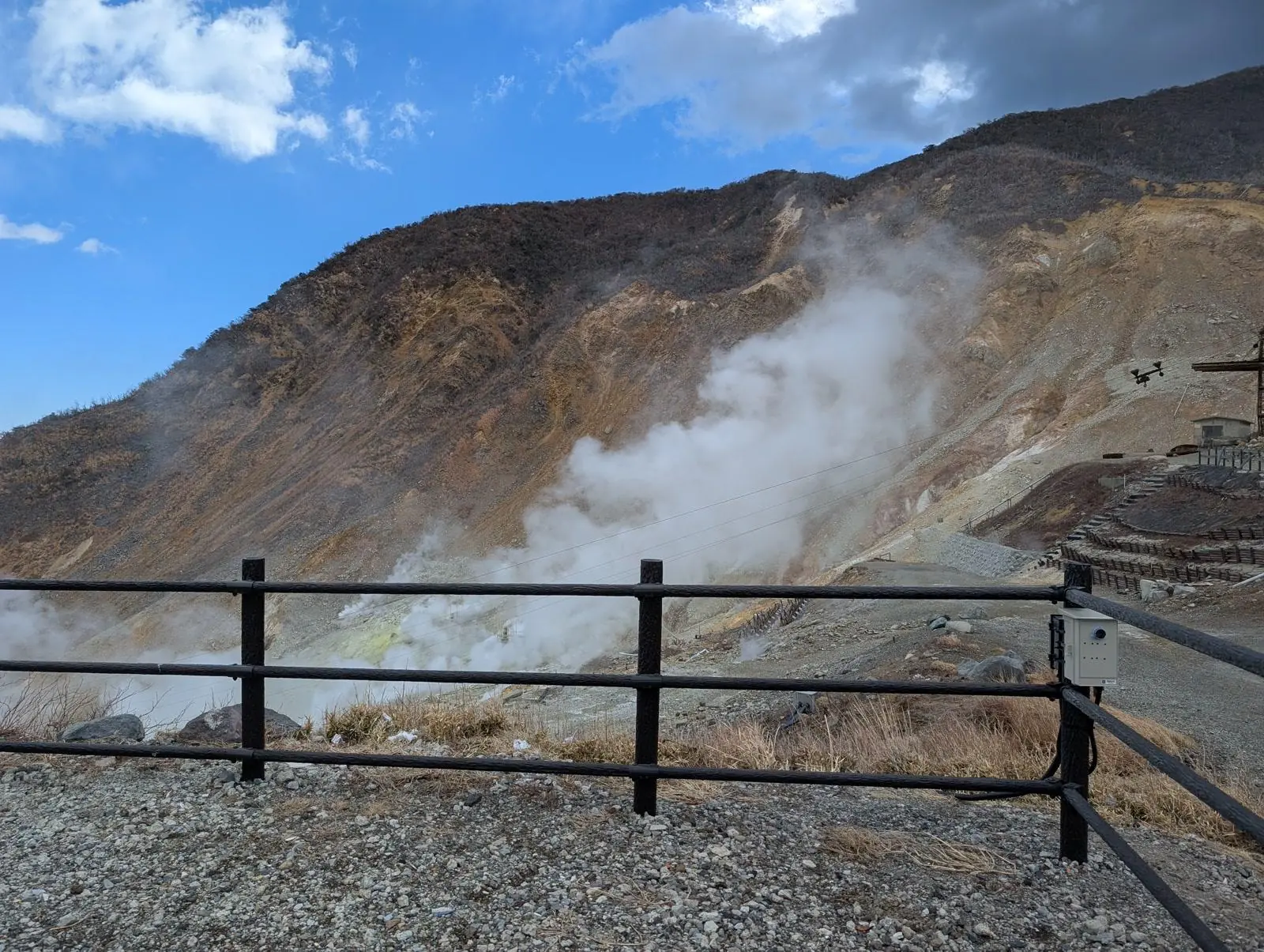
Hakone sits on the rim of an ancient volcanic caldera, and Owakudani — the "Great Boiling Valley" — is the part where the geology becomes visible. Sulfur steam rises year-round; the famous black eggs (boiled in the hot springs) sell out by mid-afternoon. The Hakone Ropeway runs over it: 9:00–17:00 February through November, 9:00–16:15 in December and January.
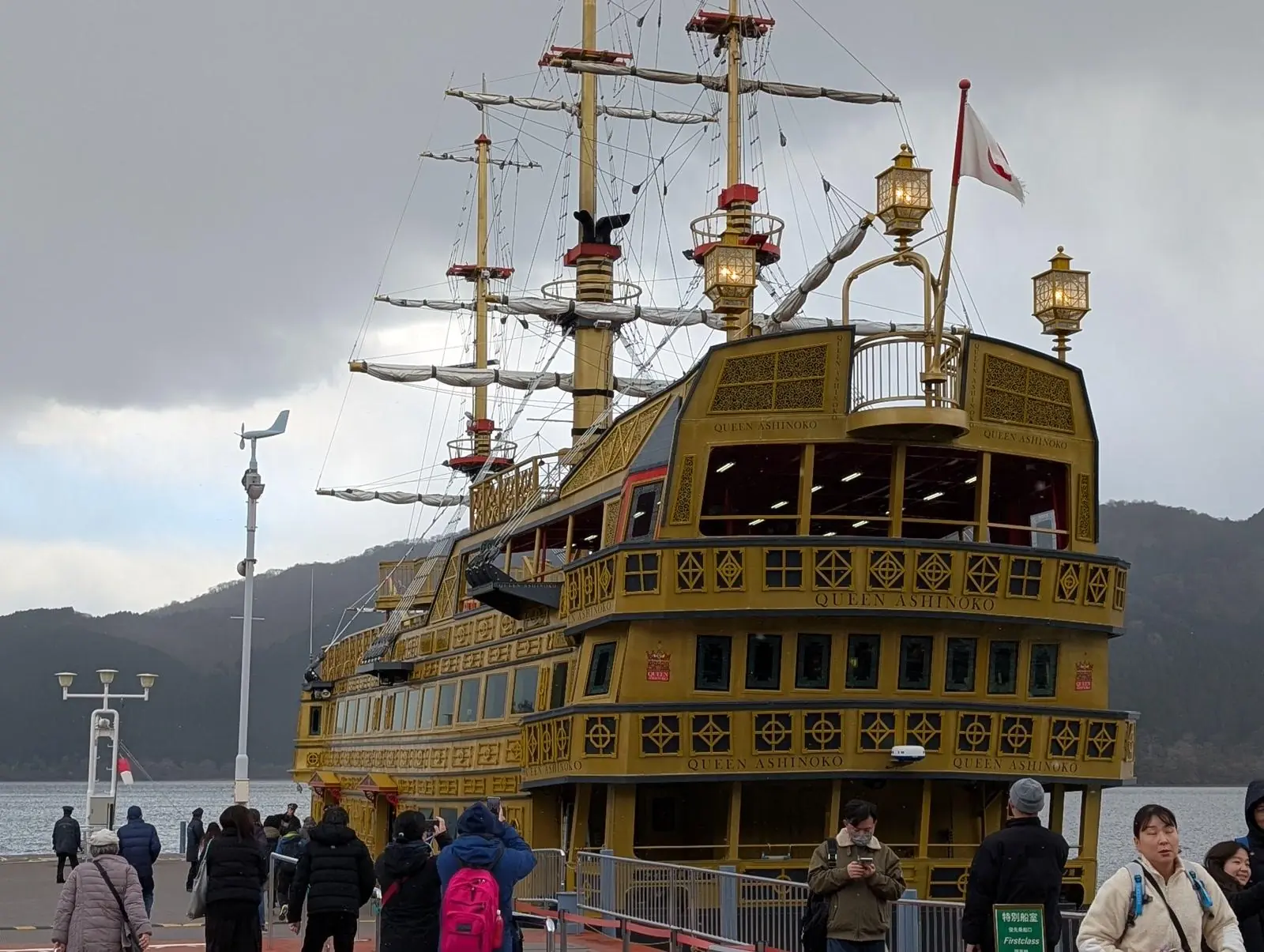
When Fuji hides, the volcanic landscape and the smell of sulfur become the story instead. It's a more uniquely Hakone experience than the Lake Ashi pirate-ship photo anyway.
The Old Tōkaidō stone-paved hike — my hidden favorite
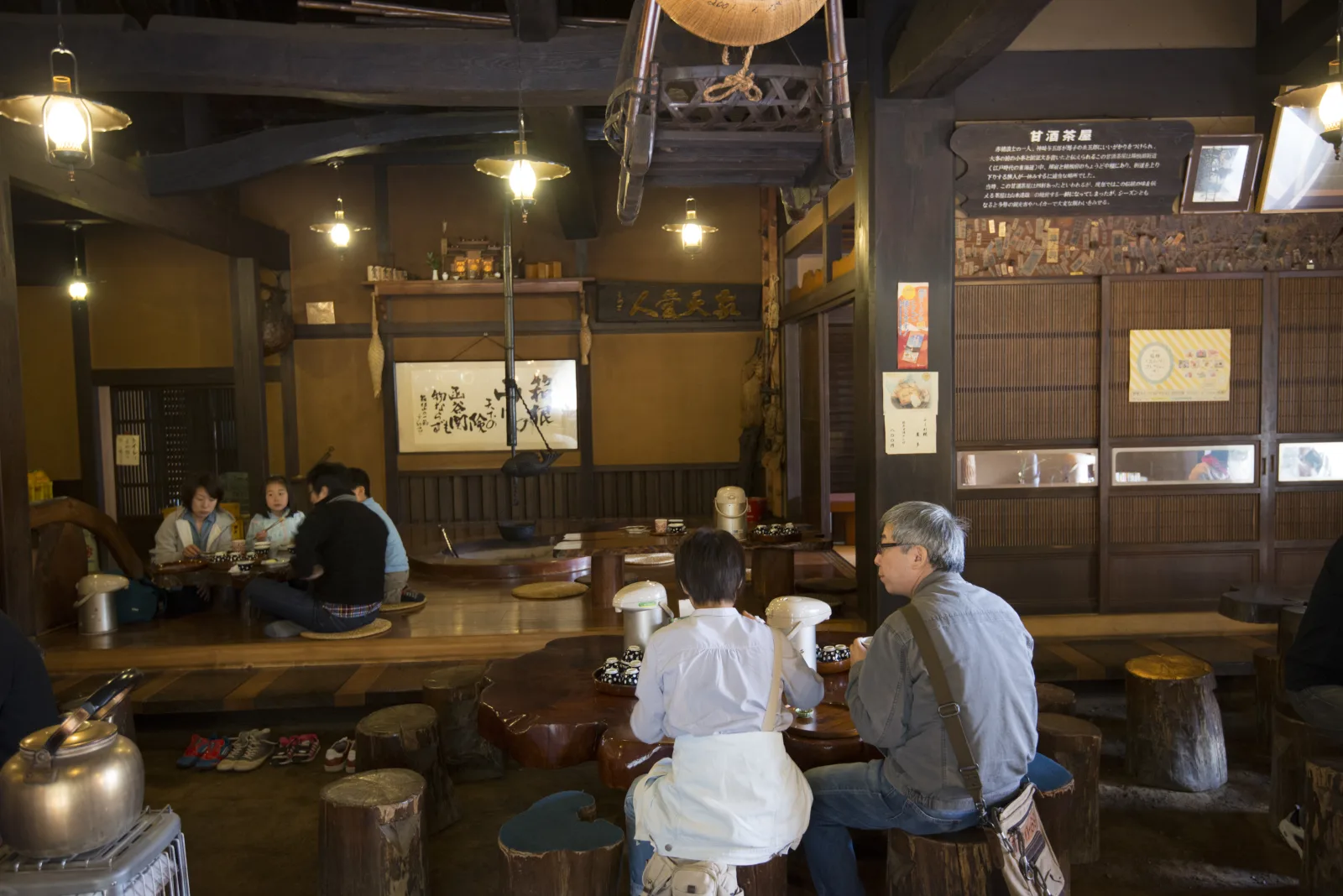
This is the spot I take guests when I want to break out of the standard tourist circuit. Amazake-chaya is a thatched-roof teahouse on the old Tōkaidō road that has been serving travelers for 400 years — operated by the 13th generation of the Yamamoto family. The signature drink, amazake, is a non-alcoholic sweet rice beverage made from a recipe that hasn't changed since the teahouse opened.
From Amazake-chaya, the old Tōkaidō stone-paved hike runs about 30 to 40 minutes downhill to Moto-Hakone, on the original ishidatami (stone-paved) road used by feudal lords during the Edo period. This is the actual road the daimyō walked on their forced trips to Edo. In spring, when the new green covers the hillside, it's the best 40 minutes you can spend in Hakone. Western guests in particular tell me this combination of nature and living history is "something they didn't think Japan still had."
Guidebooks rarely flag this hike. That's why it's still quiet.
Who Should Definitely Include Hakone
Based on actual guest reactions across my tours, Hakone is a strong pick for these profiles:
Best fit
You should go to Hakone if…
- It's your first trip to Japan and you want nature + onsen + history in one day
- You appreciate art (Open-Air Museum + Pola Museum + Hakone Glass Forest)
- You're traveling with seniors who want low-impact sightseeing (ropeway, cruise — no hiking required)
- You're traveling with kids who'll love the black eggs at Owakudani and the pirate ship
- You want a real onsen ryokan stay, not just a public bath
Specific bonus
Especially worth it if…
- You're visiting between November and February (best Fuji odds + best onsen weather)
- You have at least one full day (8+ hours from Tokyo and back)
- You're staying overnight at a ryokan — the loop works much better as 1 night than as a rush day trip
Who Should Pick Kamakura or Nikko Instead
As a guide, I'd rather steer you to the right destination than sell you a Hakone tour you won't love. Three honest "skip Hakone" cases:
Case 1: "I have to see Mt. Fuji" — go to Kawaguchiko
This is the most common one. If photographing Mt. Fuji is the single most important goal of your Japan trip, Hakone is the wrong choice. The visibility odds are 50:50 (better in winter, worse in summer), and even when Fuji is visible from Hakone, it appears smaller and more distant than from the Fuji Five Lakes area.
Instead, go to Kawaguchiko, on the north side of Mt. Fuji. The mountain is right there. Add the Chureito Pagoda viewpoint (a 15-minute climb from Shimoyoshida Station) and you get the most reproduced photograph in Japanese tourism. For the full comparison, see my Kawaguchiko vs Hakone for Mt. Fuji guide.
I've had guests insist on Hakone for Fuji, get a cloudy day, and leave disappointed despite everything else Hakone offers. Don't be that traveler.
Case 2: You want deep history and shrines — go to Kamakura or Nikko
Hakone's history is real (Edo-period checkpoint, old Tōkaidō, samurai-era hot springs), but it's woven into a leisure landscape — onsen towns, ropeways, lake cruises. If you specifically want shrines, temples, samurai-era depth, and compact walkable old towns, you'll get more in:
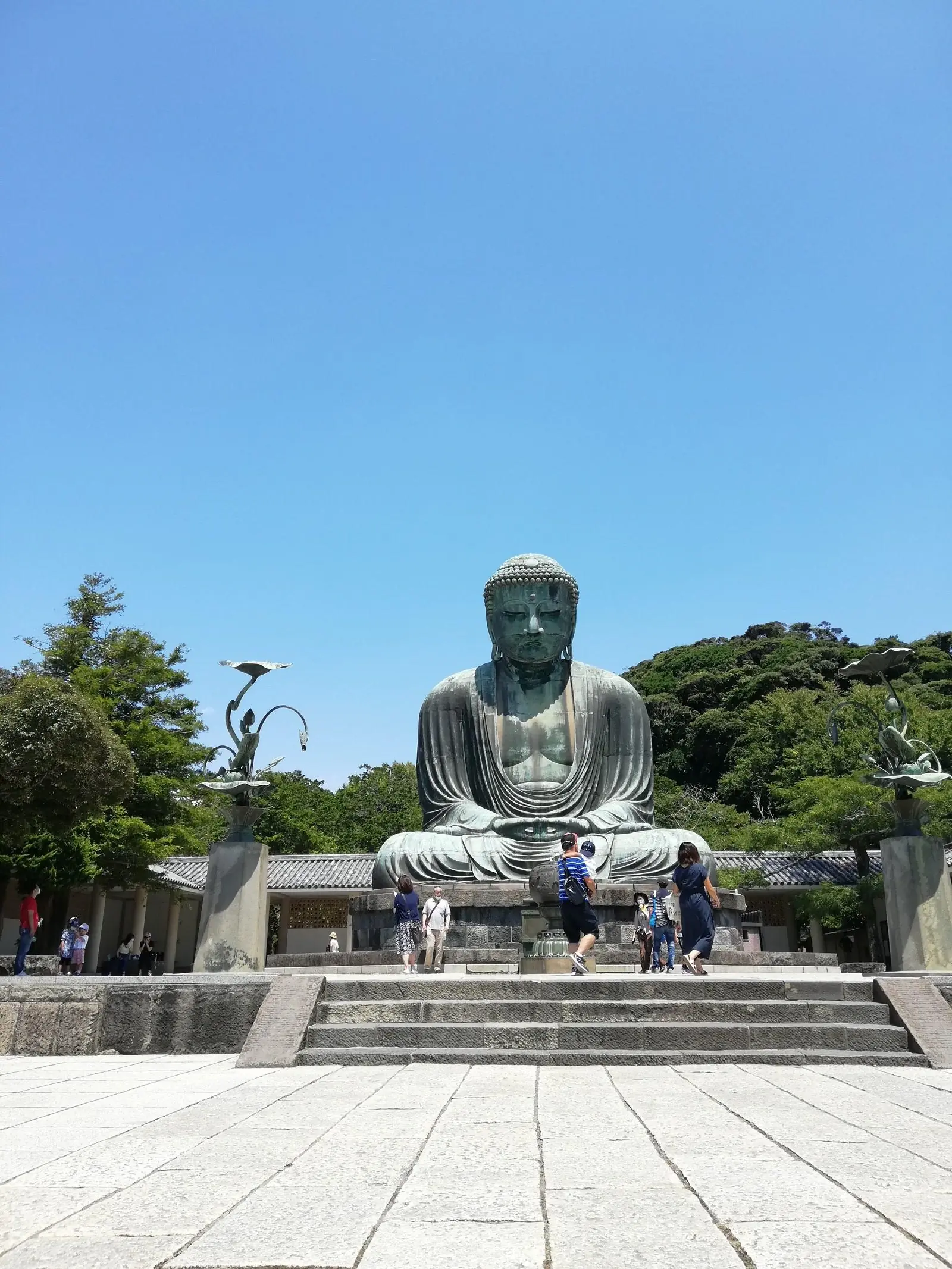
- Kamakura — Japan's capital from 1185 to 1333; the Great Buddha, bamboo groves, beach in walking distance of the station. See my Kamakura guide.
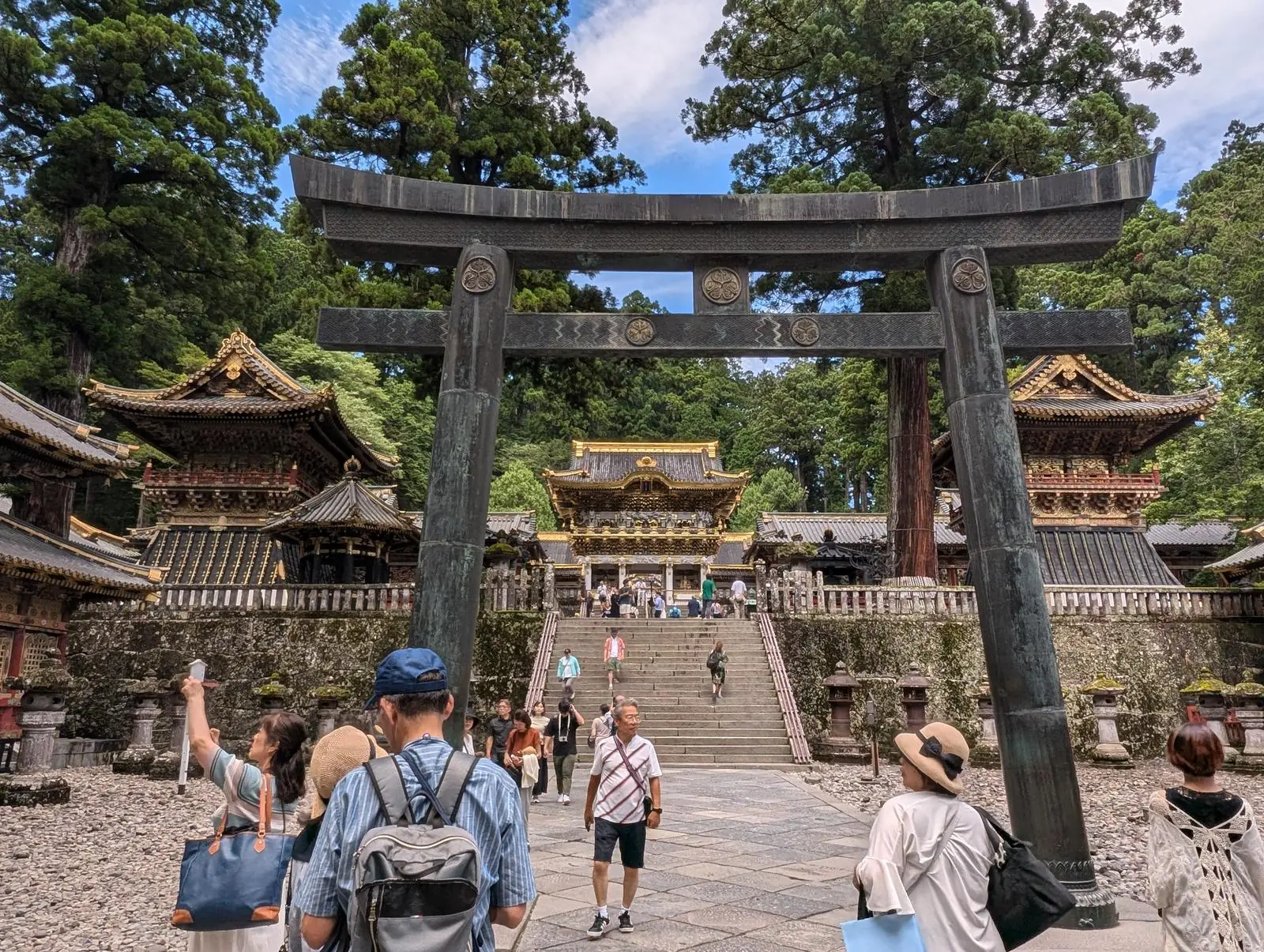
- Nikko — Tokugawa Ieyasu's UNESCO-listed Tōshō-gū shrine, one of the most ornate religious complexes in Japan. See my Nikko guide.
And if you can only choose one day-trip destination, my three-way comparison walks through the trade-offs.
Case 3: You only have a half-day — Hakone won't fit
Round-trip from Tokyo to Hakone is roughly 3 hours total (80 minutes each way on the Odakyu Romancecar, plus internal Hakone transit). Adding the Open-Air Museum, Owakudani, and Lake Ashi already needs 6 hours on site. A half-day Hakone trip is rushed and unsatisfying. Choose Kamakura (1 hour from Tokyo Station) or Kawagoe (30 minutes from Ikebukuro) instead.
How to Make Your Hakone Day Trip Worth Every Minute
Leave Tokyo early
Catch the 7:00–8:00 AM Odakyu Romancecar from Shinjuku to Hakone-Yumoto. Travel time is about 80 minutes; one-way fare is around ¥2,420 (digital) / ¥2,470 (paper). The "Golden Window" for seeing Mt. Fuji is before 11:30 AM — thermal clouds typically gather around the summit after midday. Late starters lose half their Fuji odds.
Use the Hakone Free Pass
The Odakyu Hakone Free Pass (around ¥6,100 from Shinjuku for 2 days) covers round-trip Romancecar, the entire internal Hakone Tozan Railway, the ropeway, the pirate ship, and most local buses. If you're doing more than one or two internal moves, it pays for itself.
The optimal route (counter-clockwise from Hakone-Yumoto)
Hakone-Yumoto → Hakone Tozan Railway → Gora → Hakone Open-Air Museum → Cable Car → Sōunzan → Ropeway → Owakudani (black eggs) → Ropeway → Tōgendai → Pirate ship across Lake Ashi → Moto-Hakone → Hakone Shrine (Fuji photo if visible) → bus back to Hakone-Yumoto.
This is the standard "Hakone loop" — done counter-clockwise, the crowds are slightly lighter at each transfer. Total on-the-ground time: 7–8 hours.
Day trip vs overnight ryokan
If you can spare a night, the overnight ryokan stay transforms Hakone from "rushed loop" into "actual experience". A typical ryokan dinner-bath-breakfast at a Hakone onsen runs ¥20,000–40,000 per person, and it unlocks the slower-paced version: dinner-bath-sleep-bath-breakfast-museum-onsen-loop-home. If your itinerary allows even one ryokan night, Hakone is the right place to use it.
Frequently Asked Questions
Is Hakone worth visiting even if I can't see Mt. Fuji?
Yes — and from my 50+ tours, about half the time Fuji doesn't appear. The Open-Air Museum, Owakudani volcanic valley, and the old Tōkaidō stone-paved hike each give the day a clear payoff. If Fuji is the only reason you'd come, see the Kawaguchiko comparison instead.
How many days do you really need in Hakone?
One full day (8+ hours on the ground) is the minimum to do the standard loop. Two days, with one ryokan night, is the version most worth the effort — and the version most guests tell me they wish they'd planned.
Is Hakone worth it in rainy weather?
Mostly yes. The Open-Air Museum has indoor pavilions, the ropeway and cable car keep running unless winds get extreme, and onsen are arguably better in rain. Skip the Lake Ashi cruise on heavy-rain days — the views are gone and the deck is exposed.
Should I hire a private guide for Hakone or go solo?
For first-time visitors, a guide saves the logistical complexity of the multi-leg loop (train, cable car, ropeway, ship, bus). For repeat visitors comfortable with Japanese trains, solo works fine. See my Hakone guide-vs-solo comparison.
When is the best time of year to visit Hakone?
November to February gives the highest Mt. Fuji visibility (70%+, peaking around 79% in February) and the best onsen weather. April–May for fresh spring greenery on the Tōkaidō hike. October–November for autumn foliage. Avoid mid-August (humidity collapses the visibility odds).